Maintaining acceptable noise levels in the workplace has quietly become one of the biggest challenges for modern offices.
I SAID, MAINTAINING ACCEPTABLE NOISE LEVELS IN THE WORKPLACE...
Sorry for shouting. But while most offices are quieter than many industrial, construction or manufacturing environments, noise can still be an issue. Open-plan layouts, collaborative zones, and hybrid working patterns bring undeniable benefits — but they also introduce more noise, more distractions, and more strain on employees' hearing and mental wellbeing.
As organisations rethink their spaces for 2026 and beyond, understanding noise at work and getting noise levels right is now essential. At Persy Booths, we advise on the use of soundproof – and therefore see first-hand how important the right acoustic office setup can be (and how easy it is for businesses to overspend if they don't get honest, practical advice).
Before we dive into the detail, let's walk through the main takeaways.
Key Takeaways From This Article
- Excessive noise affects productivity, stress levels, work performance, workers' health, and even workers' hearing in the longer term.
- Acceptable noise levels in the workplace depend on task type, layout, and noise exposure levels, but offices typically perform best between 45–55 dB.
- In most countries, the law sets strict noise exposure thresholds (including exposure limit values, upper exposure action values, and lower exposure action values).
- Businesses must take appropriate measures to reduce noise exposure, including design controls, engineering controls, and the strategic use of office furniture such as pods and partitions.
- Practical, cost-balanced solutions — such as buying direct from manufacturers like Persy Booths — help organisations control noise without overspending.

Effects of Excessive Noise in the Office
Even mild noise pollution has measurable consequences. In office environments, excessive noise exposure can quickly escalate from a minor irritation to a major blocker of productivity and wellbeing.
Research from the World Health Organization shows that prolonged exposure to even moderate levels of background noise can increase stress levels, reduce concentration, and interfere with cognitive performance. Similarly, studies published by the HSE highlight the importance of protecting workers from noise in the workplace — even below industrial levels — and how excessive noise contributes to reduced focus, temporary hearing loss, frustration, and lower job satisfaction. The HSE also offers useful guidance on noise measurements, maximum noise levels and how to avoid employee hearing damage.
In offices, noise typically comes from:
- nearby conversations
- collaborative desk areas
- phone calls
- office machinery
- HVAC systems
- noisy machines in adjacent facilities
- movement through open-plan zones
The problem is not just loud noise — it's prolonged exposure. Employees averaged across a day may experience spikes in sound levels that increase stress without crossing formal exposure limit values
More importantly, excessive noise affects:
1. Productivity and Focus
Studies show that just 10 seconds of overheard conversation can derail focus for over 15 minutes. When workers spend so much of the day regaining concentration, overall work performance declines — especially in roles requiring deep thought.
2. Workers' Health and Hearing
While most office noise sources don't reach industrial hazard levels, repeated prolonged exposure can contribute to:
- temporary hearing loss
- headaches
- fatigue
- impaired cognitive processing
- increased cortisol production
And in mixed-use buildings — where offices share space with workshops, production areas, or warehouses — noise exposure can come close to upper exposure action values. That's where hearing protection and hearing protection devices may legally be required in hearing protection zones.
3. Stress Levels and Team Culture
Noise pollution contributes to elevated stress levels, irritability, and an erosion of workplace culture. A constantly noisy environment affects interpersonal communication and increases social tension, particularly among noise-sensitive employees.
This is one reason many companies introduce quiet pods and private spaces such as the 4-person booth — a practical, well-built space that offers relief without the high price tags of some high-end acoustic furniture brands.
Overall, ignoring noise at work has concrete impacts on workers' hearing, productivity, and wellbeing — and costs far less to fix than to leave unresolved.

Acceptable Noise Levels in the Workplace
While different tasks require different noise levels, most office standards suggest that:
- 45–55 dB = ideal for routine desk work
- 35–40 dB = recommended for high-concentration tasks
- 60–65 dB = typical collaborative areas
- 70–80+ dB = too high for general office work and may meet thresholds for noise exposure limit rules
To understand compliance, we can follow the example of the Control of Noise at Work Regulations 2005. While these are specific to the UK, they are a good guide for most offices. They outline:
- Lower exposure action values: daily or weekly exposure at 80 dB
- Upper exposure action values: daily or weekly exposure at 85 dB
- Exposure limit values: MUST NOT exceed 87 dB (taking account of hearing protection)
Sound levels approaching these limit values require immediate control measures — including engineering controls, administrative controls, and potentially limiting time spent in noisy areas.
Offices rarely reach industrial limits, but hybrid spaces (e.g., offices next to workshops) sometimes exceed safe sound pressure levels. Monitoring using sound level meters or noise dosimeters helps employers assess real-world noise exposure levels; such health surveillance measures help ascertain whether staff are exposed to unnecessary risk.

Strategies to Reduce Noise in the Office
Maintaining acceptable noise levels requires practical, balanced strategies — not just expensive equipment. Below are the most effective ways to reduce noise exposure while keeping costs under control. At Persy Booths, we are proud to help many customers to take specific actions to protect workers (and even meet legal obligations), with products such as the 2 person meeting pod.
For organisations reviewing their noise control measures, consider these four categories:
Use of Sound Masking Technology
Sound masking, often compared to what a white noise machine is, introduces a subtle background hum that reduces the intelligibility of speech.This helps employees focus by lowering distractions and smoothing out unpredictable spikes in noise at work.
Effective systems:
- improve speech privacy
- support hybrid teams
- reduce the impact of sporadic noise sources
- complement quiet pods and booths
Sound masking can be a strong alternative to over-investing in large acoustic installations, especially when paired with private spaces like office pods.
Optimising Office Layout and Furniture
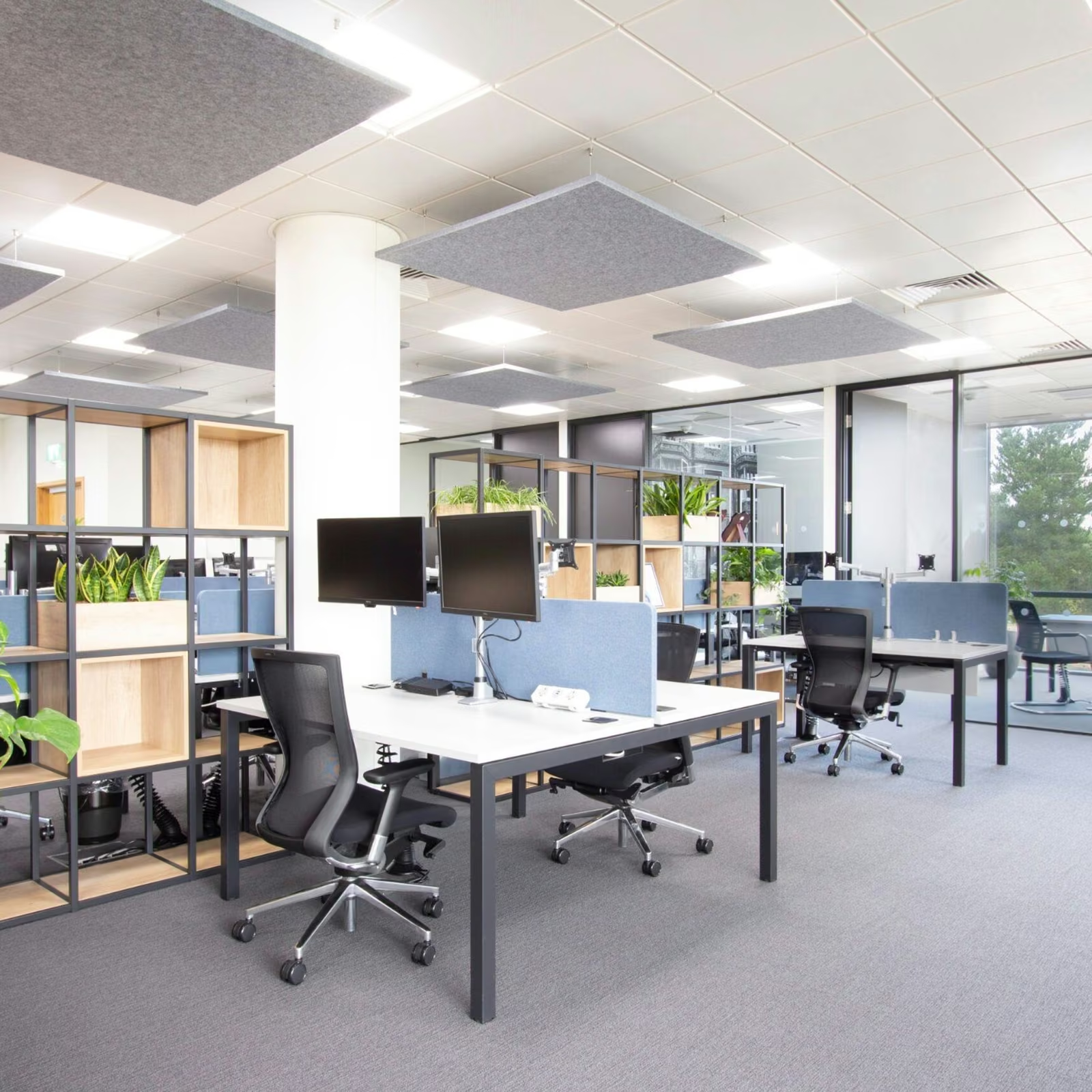
Strategic placement of furniture, supported by smart workspace optimization, can significantly reduce noise pollution. When rearranging office layouts to improve noise control measures, consider:
- placing collaborative areas away from quiet zones
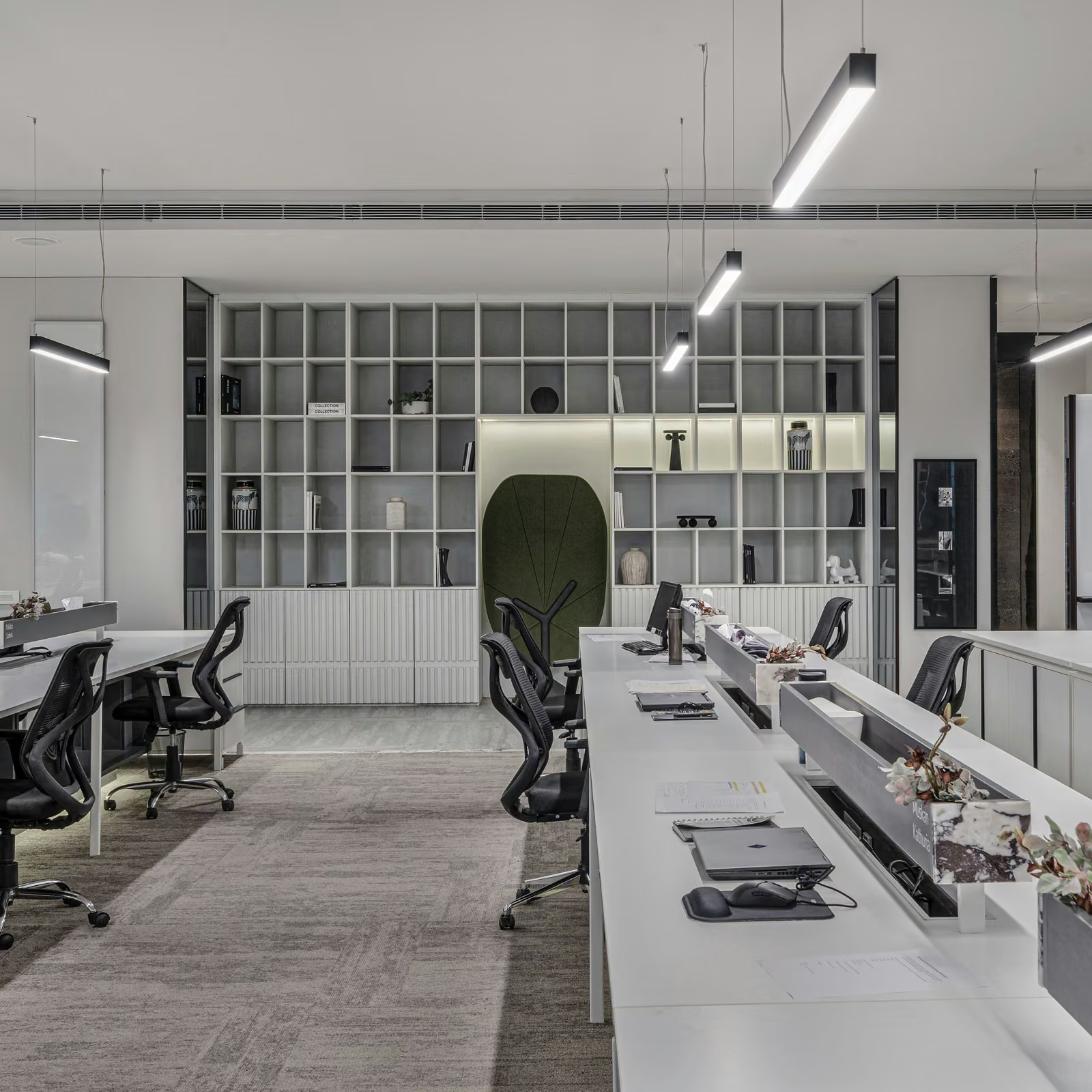
- using bookshelves, screens, or partitions to block direct sound paths
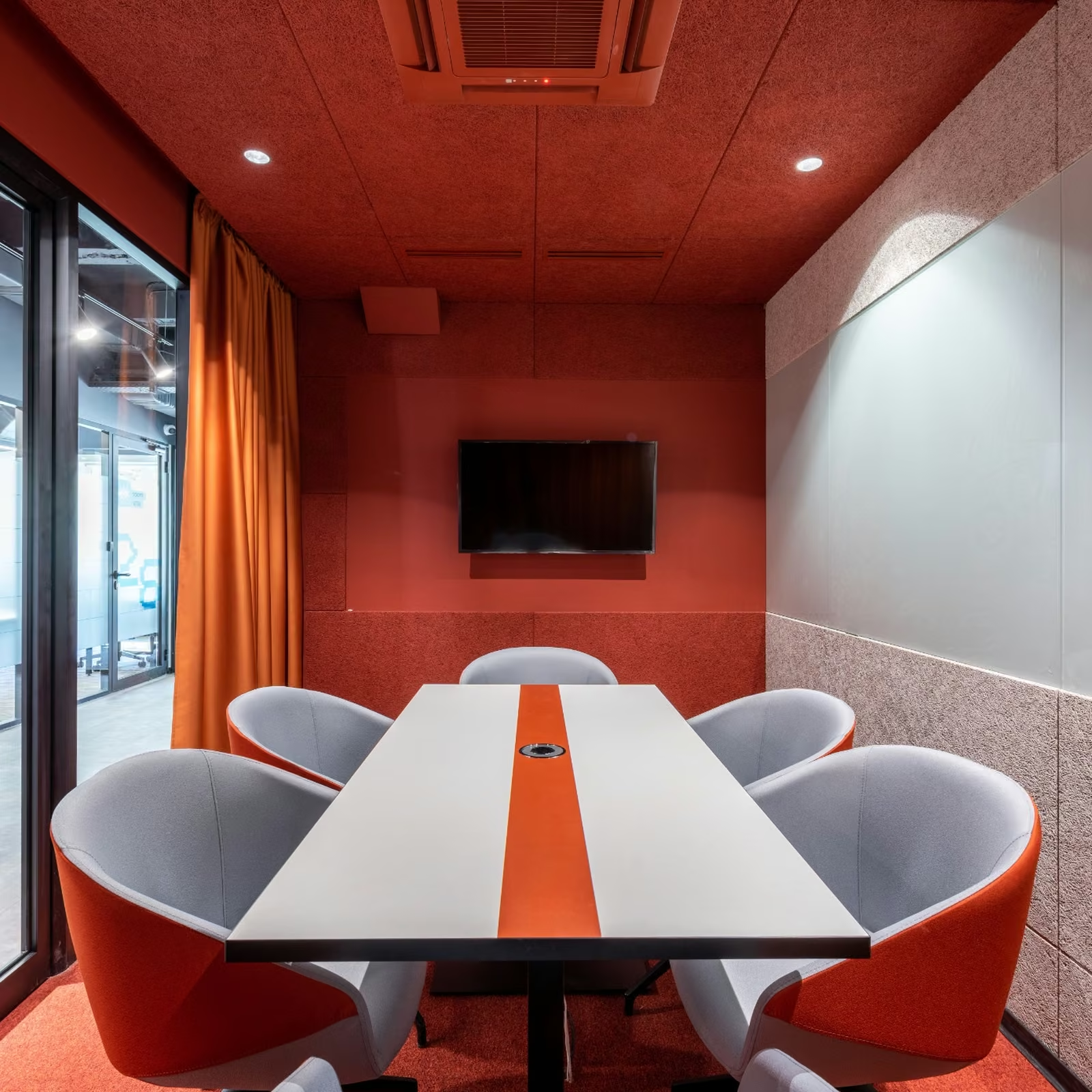
- introducing acoustic wall panels or soft seating
- positioning noisy machines away from desks
Well-designed booths and meeting pods help teams collaborate without adding excessive noise to the wider work area. And don't forget that these changes don't just reduce noise; they improve workflow and overall employee satisfaction.
Learn how Personio turned noise into productivity with Persy Booths.
Implementing Quiet Zones and Private Pods
Creating quiet spaces with solutions like the soundproof work pod is one of the most cost-effective ways to reduce noise in the workplace, especially for teams exploring how to deaden sound in a room. These might include:
- phone booths
- small focus pods
- 2–4 person private booths
- silent work rooms
Pods allow employees to escape noise at work without forcing companies into major building changes. And when sourced directly from a practical, no-nonsense manufacturer like Persy Booths, they also avoid the distributor mark-up that inflates prices elsewhere.
Quiet zones also help protect employees from unnecessary noise exposure — particularly those working on tasks that involve deep concentration.
Employee Awareness and Noise Etiquette Guidelines
Clear expectations can be as effective as expensive equipment. Companies should create noise etiquette guidelines that include:
- where meetings should take place
- when to use headphones
- appropriate voice levels
- limits on social conversations in quiet areas
- how to report excessive noise exposure
Training helps ensure everyone understands their role in controlling noise exposure — lowering stress, improving work performance, and supporting workers' hearing.
Business leaders used to think that noise levels at work were confined to industrial situations, where employers had to provide hearing protection with personal protective equipment and so on. But noise measurements in many offices reveal that low levels of noise can have a significant impact too. As open-plan layouts evolve and hybrid working reshapes the office environment, excessive noise exposure can impact workers' health, concentration, and wellbeing.
By understanding sound levels, using appropriate control measures, and taking a balanced and practical approach, companies can protect employees, comply with the noise at work regulations, and create enjoyable spaces where teams thrive.
Acceptable noise levels in the workplace matter more than ever. From simple layout changes to introducing cost-effective private pods from Persy Booths, there is always a practical solution — without overspending.

Conclusion
Acceptable noise levels in the workplace are no longer a “nice to have” – they are a core part of occupational safety, employee wellbeing, and long-term performance. From excessive noise levels and workplace noise exposure to the quieter but equally disruptive effects of average noise level creep, businesses now face real risks if noise is left unmanaged.
By understanding noise measurements, recognising harmful noise sources, and applying sensible noise control measures, organisations can reduce stress levels, protect workers’ hearing, and improve focus without resorting to unnecessary overspend. With the right mix of layout planning, sound level meters, hearing protection devices where required, and practical solutions like private pods and quiet zones, companies can meet exposure limit values, support workers’ health, and create offices that genuinely work for the people inside them.
FAQs
.avif)
Passionate, progress-driven venture & business developer with startup and corporate experience. I speak business, while keeping customers in my heart.