L’activity-based working s’impose rapidement comme le modèle privilégié des entreprises qui repensent leurs espaces de bureau pour l’avenir du travail en 2026. Au lieu d’un aménagement traditionnel avec postes fixes, il permet aux collaborateurs de choisir l’environnement de travail le plus adapté tout au long de la journée, selon la tâche à accomplir. À mesure que les attentes évoluent, les employés recherchent des environnements de bureau qui soutiennent réellement la collaboration, le travail concentré, la confidentialité et la flexibilité.
Chez Persy Booths, nous accompagnons de nombreuses entreprises qui souhaitent créer leur propre environnement de travail basé sur les activités. En tant que fabricants de cabines téléphoniques de bureau permettant de créer différents espaces adaptés à différents types d’activités, il est logique que nous connaissions bien ce type d’organisation du travail, tout comme chaque cabine acoustique que nous concevons chez Persy Booths. Pour vous aider à déterminer si cette approche est adaptée à votre entreprise et comment concevoir un environnement de bureau efficace sans dépenses excessives, nous avons préparé ce guide qui couvre les points essentiels.
Points clés à retenir de cet article
- Ce qu’est l’activity-based working, en quoi il diffère d’un bureau traditionnel et pourquoi il est important pour l’avenir du travail.
- Les principaux avantages d’un environnement de travail basé sur les activités — notamment en matière de productivité, de collaboration et de satisfaction des employés.
- Les défis que les entreprises doivent surmonter lors du passage à un modèle d’activity-based working, ainsi que des solutions concrètes.
- Un guide étape par étape pour mettre en place un bureau ABW, ainsi que des conseils pour l’évaluer et l’améliorer au fil du temps.
- Le rôle des cabines, des salles de réunion et des zones calmes dans la conception d’un environnement de travail efficace basé sur les activités.
Qu’est-ce que l’Activity-Based Working ?
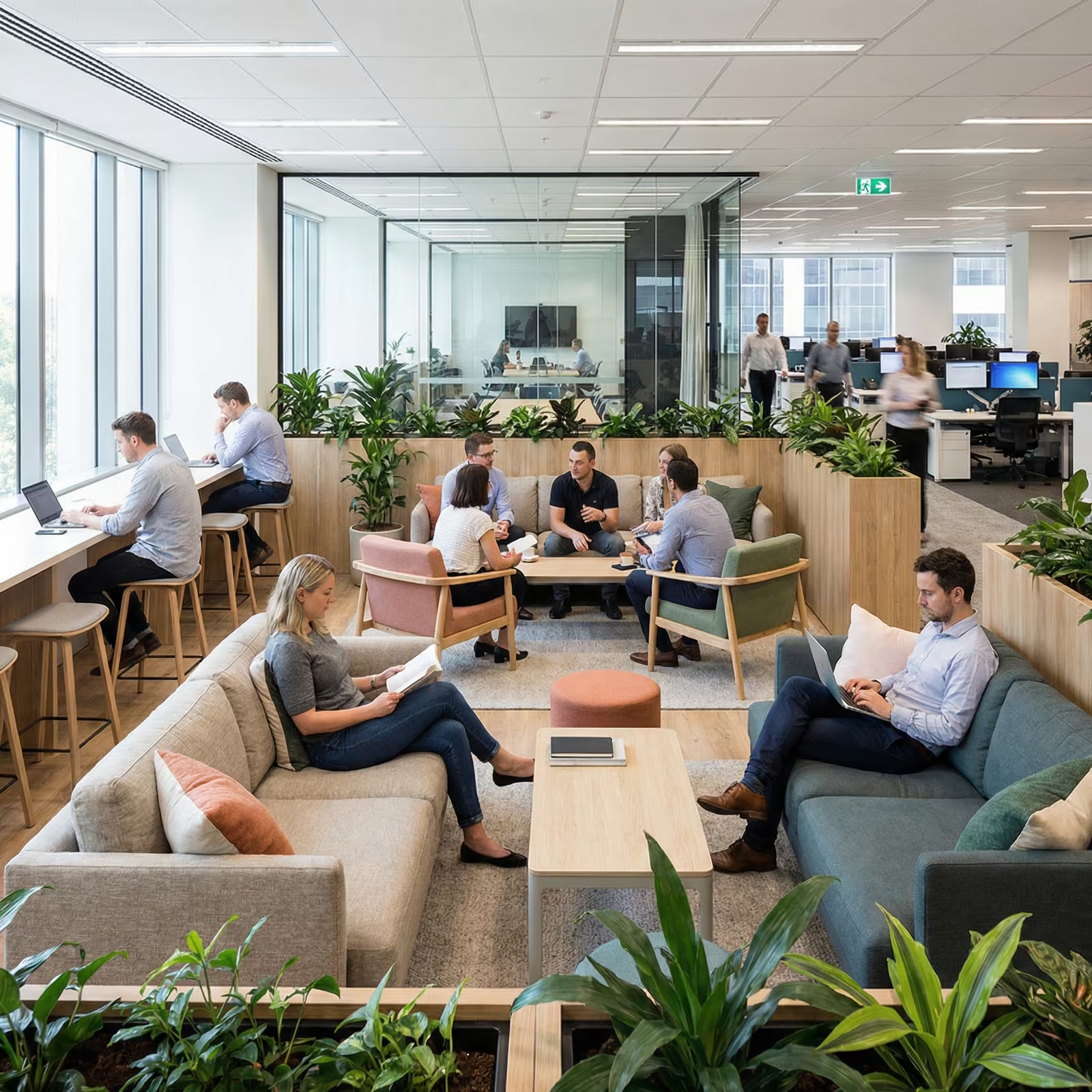
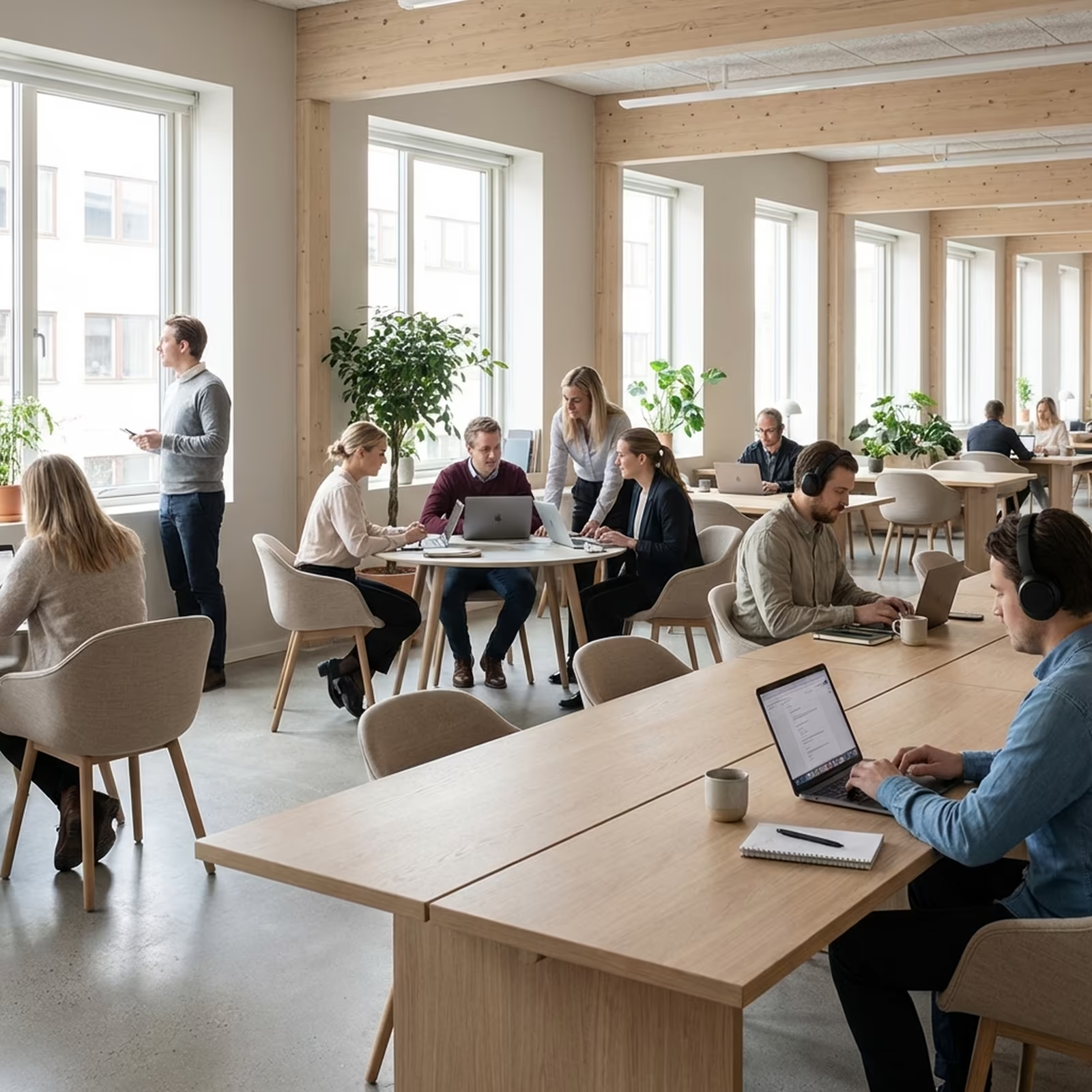
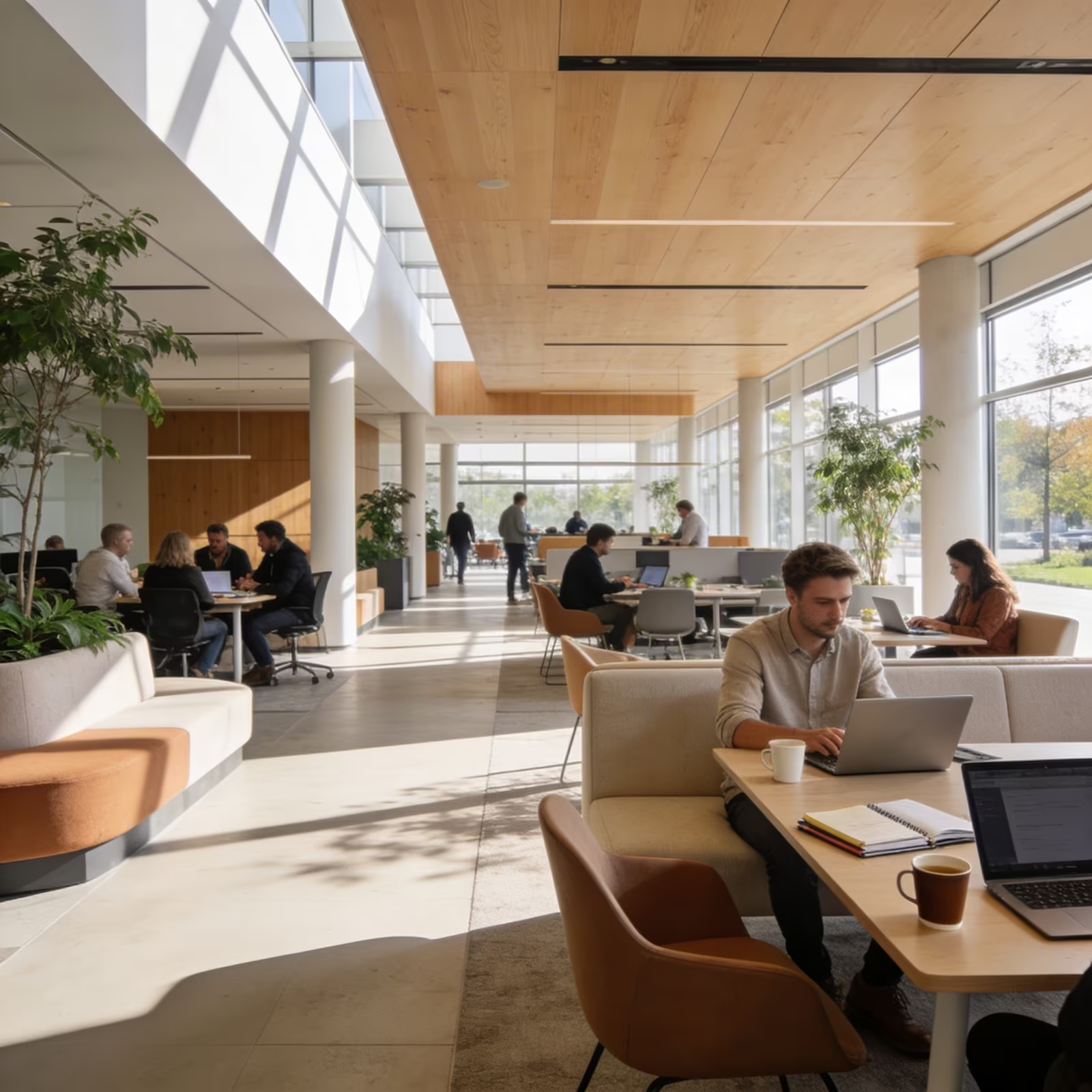
L’activity-based working (ABW) est une stratégie d’organisation du travail qui permet aux employés de choisir les environnements de travail les plus adaptés aux tâches qu’ils doivent accomplir au cours de la journée. Au lieu d’attribuer un bureau fixe à chaque personne, un environnement de travail basé sur les activités propose une variété d’espaces de travail qui soutiennent différents types d’activités : collaboratives, calmes, créatives, concentrées ou sociales.
Dans un bureau traditionnel, les personnes adaptent souvent leurs tâches à l’environnement, car celui-ci reste statique. Dans un environnement de travail basé sur les activités, c’est l’environnement qui s’adapte à la tâche. Cette approche est guidée par les besoins des collaborateurs, le rythme du travail et une demande croissante de flexibilité dans la manière, le moment et le lieu où le travail est effectué.
Un modèle d’activity-based working comprend généralement :
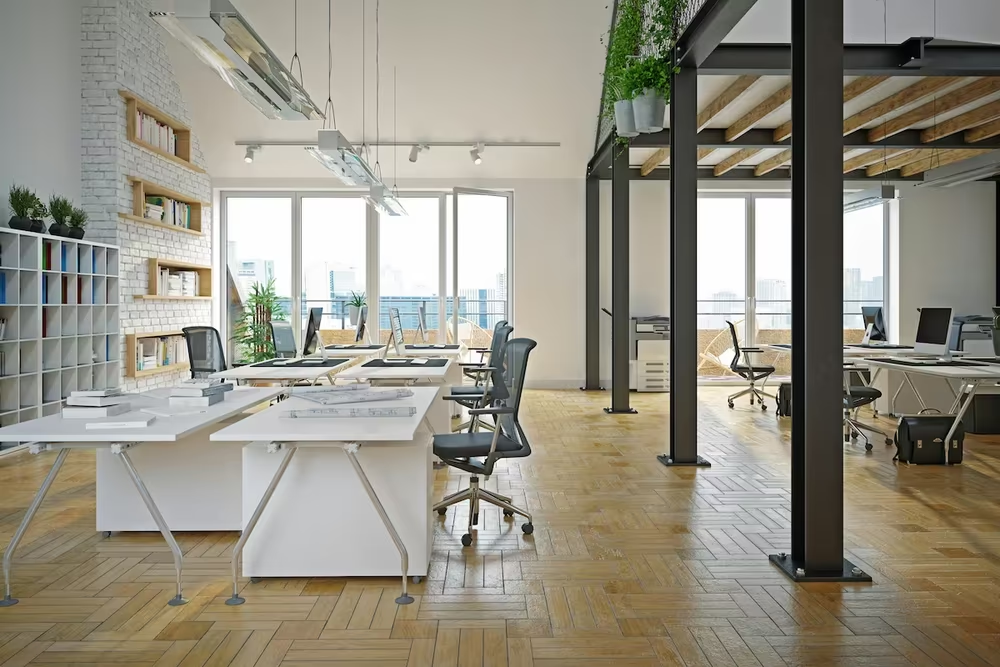
- des espaces d’équipe en open space
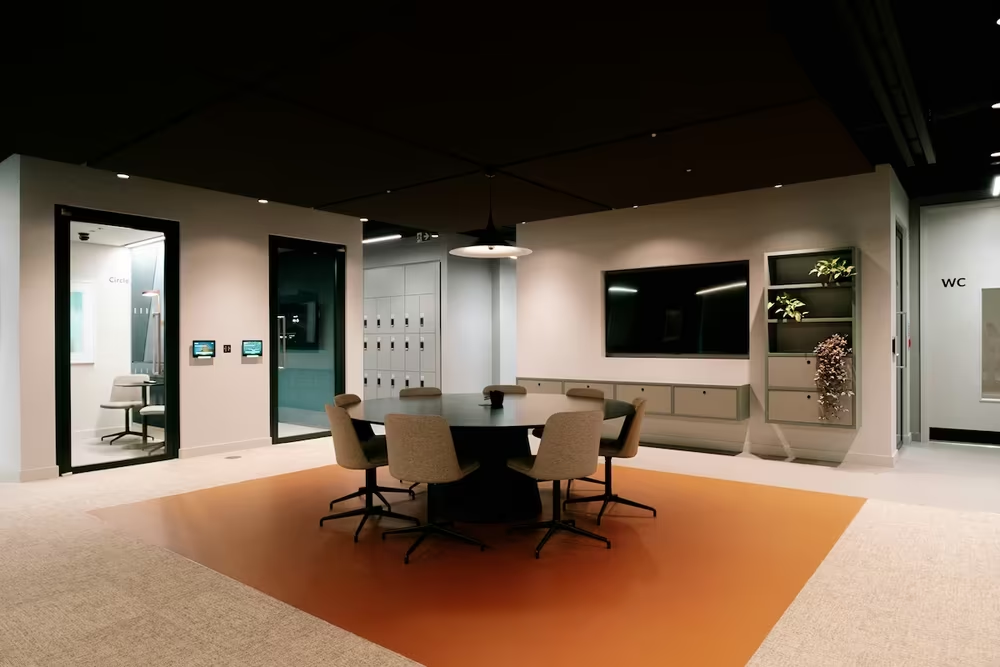
- des salles de réunion de différentes tailles
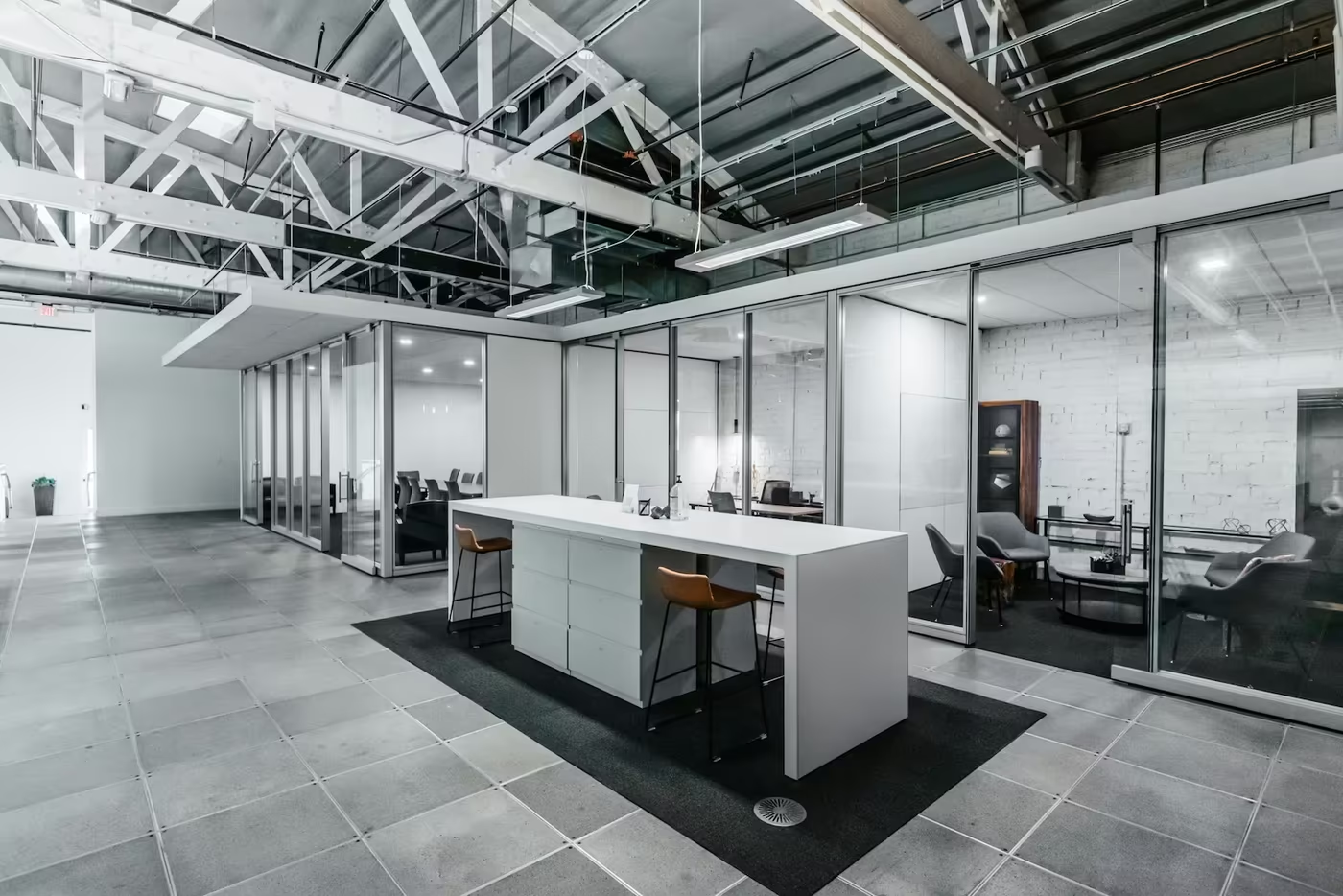
- des salles calmes ou des cabines acoustiques pour la confidentialité
- des espaces informels de collaboration
- des postes de travail temporaires (touchdown desks)
- des zones avec assises informelles pour les conversations détendues
- des espaces privés pour le travail en concentration profonde
- des salles équipées de technologies pour le travail hybride
L’un des éléments qui rend l’ABW particulièrement pertinent est le sentiment d’autonomie qu’il offre aux collaborateurs. Les employés peuvent passer d’un espace à l’autre au cours de la journée et choisir l’environnement le plus adapté à leurs tâches. Cette flexibilité améliore la performance cognitive et la collaboration dans des environnements variés, la concentration et l’expérience globale du travail au bureau.
Les entreprises considèrent de plus en plus l’ABW comme un moyen efficace d’utiliser l’espace de bureau de manière plus efficiente, de réduire les coûts immobiliers et d’offrir une expérience de travail alignée sur l’évolution du monde professionnel.
Les avantages de l’Activity-Based Working
Les avantages de l’activity-based working vont bien au-delà de la simple flexibilité des postes de travail. Lorsqu’il est correctement mis en œuvre, l’ABW renforce la productivité, améliore la satisfaction des employés selon des études sur le travail, et prépare l’entreprise à une réussite durable.
Gains de productivité
Lorsque les employés peuvent choisir l’environnement le plus adapté à leurs tâches, leur productivité augmente naturellement. Les zones dédiées à la concentration permettent de réaliser des travaux complexes sans interruption, parfois avec l’aide d’outils comme une machine à bruit blanc.
Des solutions comme les cabines insonorisées, par exemple la cabine téléphonique de bureau Persy Two, facilitent également le travail calme dans des environnements ouverts, en offrant une alternative rapide à la réservation d’une salle de réunion.
_opt_1000.avif)
Amélioration de la satisfaction des employés
Les environnements de travail basés sur les activités offrent aux collaborateurs flexibilité, choix et autonomie — trois facteurs reconnus de la satisfaction au travail. Lorsque les employés se sentent en confiance pour gérer leur temps et choisir leur environnement de travail, ils ont tendance à être plus engagés et plus connectés à leur activité. Ce sentiment d’autonomie contribue à améliorer le moral des équipes et la fidélisation à long terme.
Une étude publiée en 2022 par le Multidisciplinary Digital Publishing Institute a montré qu’une initiative ABW menée dans un département du gouvernement suédois a permis d’augmenter la satisfaction des employés.

Préparer le lieu de travail pour l’avenir
L’un des principaux avantages de l’ABW est sa capacité d’adaptation. À mesure que le travail hybride devient la norme, les entreprises ont besoin de conceptions de bureaux capables de s’adapter à différents jours de présence, tailles d’équipe et modes de travail.
L’activity-based working permet aux organisations de reconfigurer les espaces, d’augmenter les zones de collaboration ou d’ajouter de nouvelles technologies sans devoir repenser entièrement l’aménagement du bureau.
Le CIPD souligne également que les stratégies de lieux de travail agiles sont essentielles pour naviguer dans l’avenir du travail, en particulier à mesure que les entreprises évoluent aux côtés des modèles numériques et hybrides.
Surmonter les défis de l’Activity-Based Working
L’activity-based working présente des avantages clairs, mais il implique également un changement d’habitudes et une planification attentive de la part de l’organisation. Ces défis courants — ainsi que les stratégies pratiques pour y répondre — doivent être pris en compte dans toute transition.
Gestion du changement et adhésion des employés
Certains employés peuvent initialement résister à l’activity-based working, car il remet en question des habitudes bien établies, et des études montrent que la résistance au changement peut affecter la productivité lors de transitions organisationnelles de ce type.
La gestion du changement est donc essentielle. Communiquer clairement les avantages, mettre en place des zones pilotes et recueillir les retours dès le début peut aider les employés à se sentir davantage impliqués et plus positifs face à la transition.
Un bon programme ABW rassure les collaborateurs : l’objectif est de soutenir leurs besoins, et non de perturber leur manière de travailler.
Optimiser l’allocation de l’espace
Trouver le bon équilibre entre les différentes zones d’un environnement de travail basé sur les activités est l’une des considérations de conception les plus importantes. Les équipes doivent déterminer combien de bureaux sont nécessaires, combien de salles de réunion doivent être disponibles et quelle part de l’espace doit être dédiée aux zones collaboratives par rapport aux zones calmes. L’efficacité immobilière doit être soigneusement mise en balance avec le confort des utilisateurs afin d’éviter les espaces surchargés ou, au contraire, sous-utilisés.
Lorsque le zonage est bien conçu, le bureau paraît cohérent, ouvert et propice au travail. Lorsqu’il l’est moins, des goulots d’étranglement apparaissent autour des zones très fréquentées et la productivité peut en souffrir.
Maintenir la concentration et la confidentialité
Maintenir la concentration et la confidentialité reste essentiel, même dans un environnement ABW en open space, comme l’illustre la manière dont Personio a transformé le bruit en productivité. Les zones calmes, les cabines acoustiques comme la cabine téléphonique de bureau Persy One, ou l’utilisation planifiée de salles privées permettent aux employés de disposer de périodes de travail sans interruption pour les tâches importantes.
Les recherches vont dans le même sens : une étude a montré que les performances cognitives augmentaient de 16,9 % chez les employés utilisant des espaces de travail silencieux par rapport aux environnements de bureau ouverts classiques. Pour rendre cela possible dans la pratique, des modules de bureau comme la cabine de travail Persy Work offrent une solution efficace et peu encombrante pour garantir la confidentialité sans avoir à construire de nouvelles pièces.
Mettre en place un environnement de travail basé sur les activités
Passer à l’activity-based working constitue un changement important, ce qui rend une approche structurée particulièrement utile. Ci-dessous, un guide clair pour concevoir, lancer et améliorer un bureau fonctionnant selon ce modèle.
Guide de mise en œuvre étape par étape
Un déploiement pratique de l’activity-based working suit généralement les étapes suivantes :
- Évaluer les besoins de l’entreprise – comprendre les équipes, les types de tâches, les modes de collaboration et l’environnement de travail actuel.
- Cartographier les activités quotidiennes – identifier les tâches réalisées au cours de la journée, du travail de concentration aux réunions et aux appels.
- Définir les environnements nécessaires – dresser la liste des espaces requis pour soutenir l’activity-based working, tels que salles de réunion, espaces d’équipe ouverts, zones calmes, cabine téléphonique de bureau, salles hybrides et espaces de concentration.
- Concevoir l’espace – aligner l’aménagement, le mobilier, la technologie et le zonage avec les comportements de travail associés à l’activity-based working.
- Mettre en place une zone pilote – tester l’approche avec une petite équipe, recueillir les retours et ajuster ce qui ne fonctionne pas.
- Former les employés – expliquer le fonctionnement quotidien de l’activity-based working, notamment comment choisir les espaces, réserver les salles et circuler entre les zones.
- Déployer progressivement – étendre l’activity-based working par étapes afin de réduire les perturbations et favoriser l’adoption.
Suivi et amélioration continue
Après le lancement, l’activity-based working doit être évalué et amélioré au fil du temps. Cela inclut :
- recueillir les retours des employés
- suivre l’utilisation des salles de réunion et l’occupation globale des espaces
- analyser la fréquence d’utilisation des différentes zones
- ajuster l’aménagement, le mobilier et certaines règles pour améliorer la fluidité
- ajouter des technologies, des cabines ou des espaces supplémentaires pour le travail concentré si la demande augmente
L’activity-based working n’est pas une refonte ponctuelle de l’espace : il s’agit d’une stratégie d’organisation du travail évolutive qui doit s’adapter à l’évolution des équipes.
Conclusion
En 2026, l’activity-based working offre une approche pragmatique pour aligner la conception des bureaux avec la réalité du travail. En réduisant la dépendance aux postes fixes et en créant une variété d’environnements adaptés à différentes tâches, les organisations peuvent soutenir plus efficacement la collaboration, la concentration et la confidentialité.
Avec la bonne combinaison de salles de réunion, de zones calmes et d’espaces flexibles, l’activity-based working améliore l’utilisation du bureau tout en rendant la conception des espaces de travail plus efficace.
FAQs
.avif)
Entrepreneur engagé et orienté vers le progrès, avec une expérience à la fois en startup et en entreprise établie. J’aborde les projets avec une vision business claire, tout en gardant les besoins des clients au centre des décisions.