


Modern offices have travelled a long way from the cubicle maze to the open-plan revolution—and now to something more nuanced: open choice workplace design. A collaborative workspace today is about providing the right mix of shared spaces and private zones, where employees can collaborate, focus, and recharge as they need, often supported by flexible solutions from Persy Booths.
The most well-designed collaborative workspace supports how people actually work—not how architects or managers think they work. From breakout areas and meeting rooms to office pods, the new office landscape is about modular flexibility.
And here's the truth: collaboration doesn't happen because people sit next to each other. It happens because the environment is conducive to communication, idea sharing, and teamwork.
Key takeaways:
- Collaborative workspaces are evolving from noisy open-plan offices into flexible zones that balance teamwork and privacy.
- The most effective collaborative workspace combines smart design, acoustic control, and technology integration.
- Companies that get this balance right enjoy stronger company culture, higher productivity, and greater employee satisfaction.

Benefits of Collaborative Workspaces
Increased Productivity and Innovation
A strong collaborative workspace enhances productivity by encouraging idea exchange and faster problem-solving. Teams working in collaborative workspaces can easily share ideas, use project management tools to streamline communication, and move projects forward efficiently.
A Harvard Business Review article noted that the most successful collaborative spaces support both “we” and “me” time—allowing deep focus and group creativity in the same day. That's where good workspace design plays a crucial role.
When employees can move freely between zones, collaboration feels natural, not forced. The result? More creative problem-solving, faster decision-making, and teams who enjoy coming to the office.
Enhanced Communication and Team Engagement
Collaborative office spaces make it easier to encourage open dialogue, particularly between different departments. These shared spaces remove barriers and allow people to connect without scheduling a formal meeting.
Whether it's a spontaneous conversation in breakout areas, a quick brainstorm in a collaborative office, or a scheduled session in modern meeting rooms, these spaces facilitate teamwork and create an environment conducive to effective communication.
The right mix of technology integration—from communication platforms to digital whiteboards—ensures that every voice is heard, including remote employees.
Better Space Utilisation and Cost Savings
Unused desks are a silent cost drain for many businesses. A collaborative workspace helps companies increase productivity and streamline communication while cutting down on wasted square footage.
Instead of one-size-fits-all layouts, companies are creating zones that match specific needs: casual meetings, focused work, and collaborative sessions. Project management and software solutions keep everyone connected while reducing dependency on fixed desks.
This adaptive approach also helps smaller companies achieve an efficient way of working, especially when supported by modular solutions such as acoustic pods or meeting rooms that can be re-purposed for multiple uses.
Attracting and Retaining Top Talent
A thoughtfully designed collaborative workspace is a reflection of a company's culture. People want to work in collaborative work environments that feel inspiring, well organised, and supportive.
In fact, research from Box shows that flexible collaborative workspaces boost morale and employee satisfaction—an outcome also reflected in how Huckletree elevated member privacy and productivity.
A healthy company culture thrives where employees can collaborate, concentrate, and connect seamlessly. That's why the most forward-thinking organisations now offer open office layouts paired with private office phone booths, giving workers choice and control over how they collaborate.

Creating a Collaborative Workspace
Choosing the Right Office Layout
There's no universal solution for a collaborative workspace. The goal is to combine the best of open office energy with areas of calm and concentration.
- Open-plan zones encourage informal exchanges and quick decision-making.
- Breakout areas promote creative thinking and idea sharing.
- Enclosed pods, such as acoustic pods or privacy booths, offer quiet focus and professional settings for calls or deep work.
If your team needs a 2-person meeting pod, consider the Persy Two meeting pod for quick catch-ups that don't disturb others. A well-balanced workspace design allows staff to flow between focus and collaboration—supporting a truly effective collaborative workspace.
Integrating Technology and Collaboration Tools
Modern collaborative offices thrive on digital infrastructure and flexible spaces like the Persy Work pod. From project management tools to instant messaging, seamless integration of technology ensures everyone stays aligned.
- Project management platforms like Asana, Trello, or Monday enable teams to coordinate complex projects efficiently.
- Communication platforms such as Teams or Slack improve communication between remote employees and in-office staff.
- Smart displays and booking systems keep meeting rooms organised and available when needed.
Together, these tools form the digital backbone of the modern collaborative space, ensuring that your team can focus on outcomes rather than admin.
Designing Spaces for Hybrid Work
Hybrid models have become the norm, according to global hybrid work research and adoption data. The most collaborative workspaces now cater equally to remote employees and those on site, providing shared goals and consistent experiences.
An environment conducive to both in-person and virtual collaboration means having quiet zones for video calls, reliable connectivity, and smart workspace design that encourages both autonomy and alignment.
That's why companies are investing in flexible meeting rooms and soundproof phone booths such as the Persy One phone booth—spaces that feel professional, adaptable, and personal.
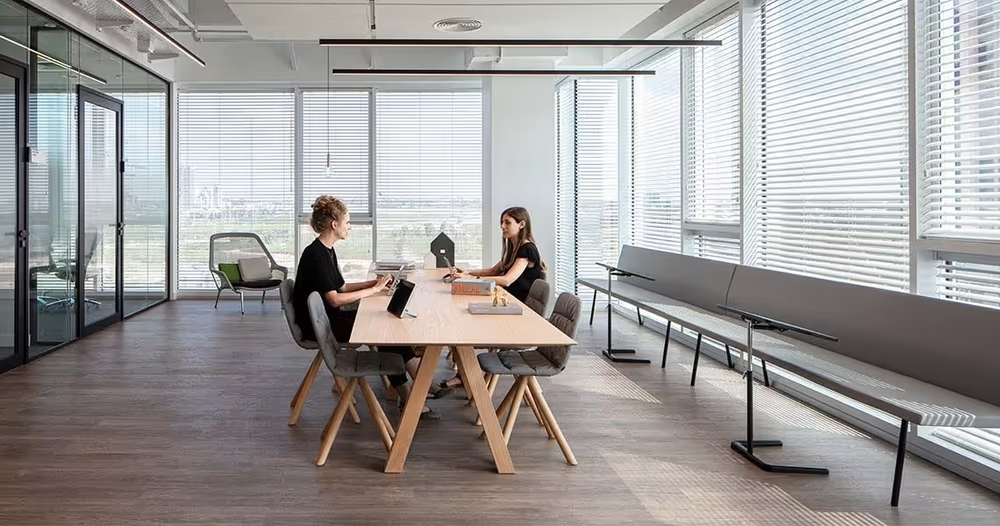
Challenges of Implementing Collaborative Workspaces
Balancing Privacy and Openness
The biggest challenge in collaborative office design is managing noise and privacy while respecting acceptable noise levels in the workplace. A collaborative workspace must provide collision spots for creativity without overwhelming people who need quiet focus.
Using acoustic panels, soft furnishings, and well-placed soundproof booths—guided by how to deaden sound in a room—achieves this balance, creating a workspace where teams can meet, collaborate, and concentrate effectively.
Adapting to New Technologies
Another hurdle is digital adoption. Even the best project management software or communication platforms only work if employees use them consistently. Leaders should model behaviour, provide training, and ensure seamless integration across different departments to avoid friction.
Managing Noise and Distractions
Without proper planning, collaborative spaces can quickly become chaotic. It's essential to include sound-managed zones such as pods for focus and meeting rooms for group discussion.
By controlling acoustics, you'll facilitate teamwork while reducing fatigue and improving communication—a hallmark of any effective collaborative workspace.
Managing Costs – Achieving Collaborative Spaces Without Overspending
It's easy to over-invest in design gimmicks and unnecessary tech. The best results come from collaborative workspaces that prioritise practicality over show.
When purchasing soundproof office booths, look for suppliers that offer:
- Friendly advice on how to create collaborative spaces that are conducive to both focus and teamwork.
- Fast delivery and simple installation.
- Direct sales without reseller mark-up.
- Solid design—high-quality but without paying for unnecessary extras.
Persy Booths is a great example of a brand that helps companies find the “perfect fit”: balancing quality and value without overcomplicating things. Other brands are of course available, but we'd hate you to be disappointed.

Best Practices for Collaborative Workspace Success
Establish Clear Rules and Guidelines
Every collaborative workspace functions best with agreed norms. Outline how meeting rooms, breakout zones, and shared spaces should be used. Encourage open dialogue so that teams can adapt these guidelines as needed.
Encourage Open Dialogue and Feedback
Transparency builds trust. When people feel safe to share ideas, they are more likely to take creative risks and solve problems together. Regular check-ins help maintain a strong company culture and keep employees aligned to common goals.
Use Workplace Management Tools
Technology can reinforce culture, a point reinforced by research on digital collaboration tools and employee performance. Use project management and scheduling systems to book meeting rooms, monitor occupancy, and track team productivity. These software solutions make collaboration smoother, especially in hybrid or multi-site setups.
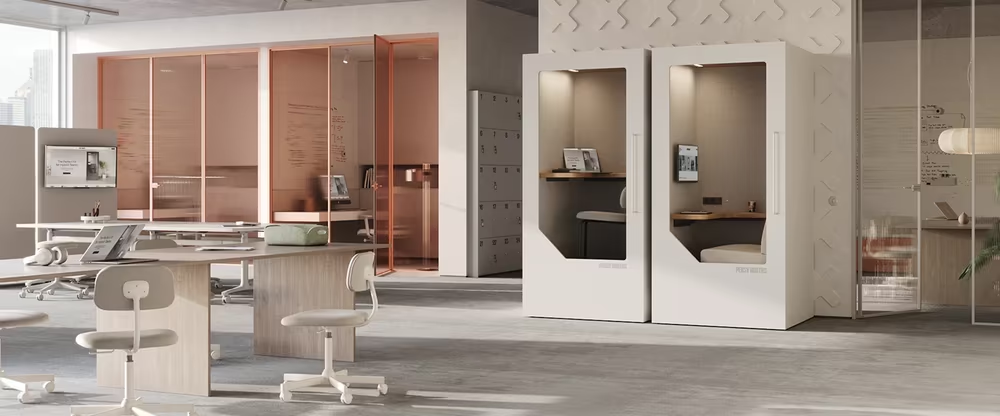
Conclusion: Do You Offer Open Plan – or Open Choice?
The future isn’t open plan—it’s open choice. A modern collaborative workspace recognises that today’s office space must support different ways of working, from focused individual tasks to group discussions in well-designed meeting rooms. By prioritising flexibility, acoustic comfort, and thoughtful workspace design, businesses can create a work environment that adapts to real employee needs rather than forcing everyone into a single layout.
When teams have access to spaces designed for focus, collaboration, and informal connection, organisations see stronger teamwork, better communication, and more opportunities to share ideas. Purpose-built areas for meetings, collaboration, and even dedicated war rooms for complex projects help companies work more efficiently while supporting creativity and problem-solving. This balance also creates valuable networking opportunities inside the workplace, strengthening relationships across groups and departments.
As companies rethink how spaces are planned, investing in the right furniture, desks, and rooms becomes essential for improving efficiency and long-term employee satisfaction. Creating spaces that support both collaboration and quiet work helps organisations transition smoothly into new ways of working without disrupting culture or productivity.
Persy Booths helps businesses make open choice a reality by offering practical solutions that optimise office space without unnecessary complexity. With honest guidance, fast delivery, and flexible designs, Persy Booths supports organisations in building collaborative environments that work hard for their people—and for the business as a whole.
FAQs
.avif)
Passionate, progress-driven venture & business developer with startup and corporate experience. I speak business, while keeping customers in my heart.