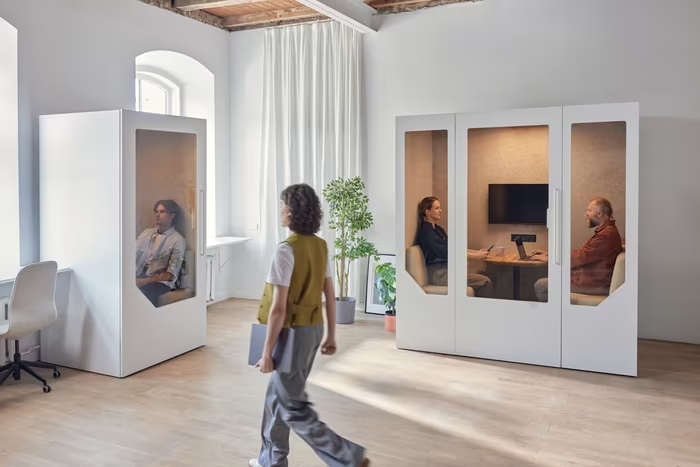
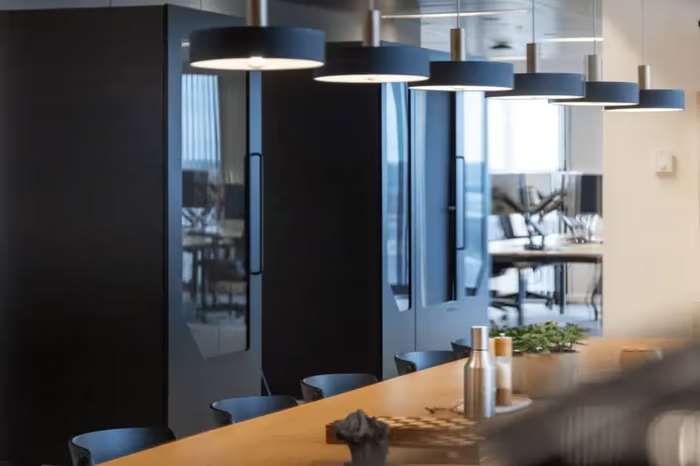
"Shall we discuss it now? Let's go find a pod." You wouldn't have heard that a few years ago but it is increasingly how meetings are held. The era of the pod meeting is upon us.
In modern workplaces, the way teams meet is changing fast. The traditional meeting room is no longer the default for every conversation, and many organisations are turning to more flexible formats. To have a pod meeting – meaning to conduct a meeting in a specialised, soundproofed booth – is an option that is increasingly open to employees in modern offices. Meeting pods and office pods are becoming a practical solution for teams that need privacy without the friction of booking permanent meeting rooms.
Companies like Persy Booths have seen this shift firsthand through their work with organisations redesigning their office environment to support both productivity and employee well being. As working styles evolve, so too must the spaces that support them.
Key takeaways from this article
- Pod meeting meaning refers to short, focused meetings held in semi-enclosed or fully enclosed spaces designed for quick collaboration.
- Meeting pods provide a private space within open plan offices, helping teams communicate effectively without disruption.
- Pods create a distraction free environment that improves both productivity and overall well being.
- Office pods provide a flexible alternative to a traditional meeting room or conference room.
- The right pod design – including sound insulation, ventilation systems, and power sockets – is critical to success.
Pod meeting meaning explained in 60 seconds
At its core, a pod meeting means a short, focused meeting held in a dedicated space such as meeting pods or office pods. These spaces are designed to offer a sense of privacy without requiring teams to book a full conference room.
Typically, a pod meeting involves two to four people and lasts between 10 and 30 minutes. It is used for quick alignment, private discussions, or collaborative sessions that don’t justify a larger meeting room.
Unlike traditional meeting rooms, pods provide immediate access. Teams can step into a quiet space, hold private conversations, and return to focused work without delay. This makes them particularly valuable in open plan offices where background noise and interruptions can make it difficult to communicate effectively.
What is a pod meeting
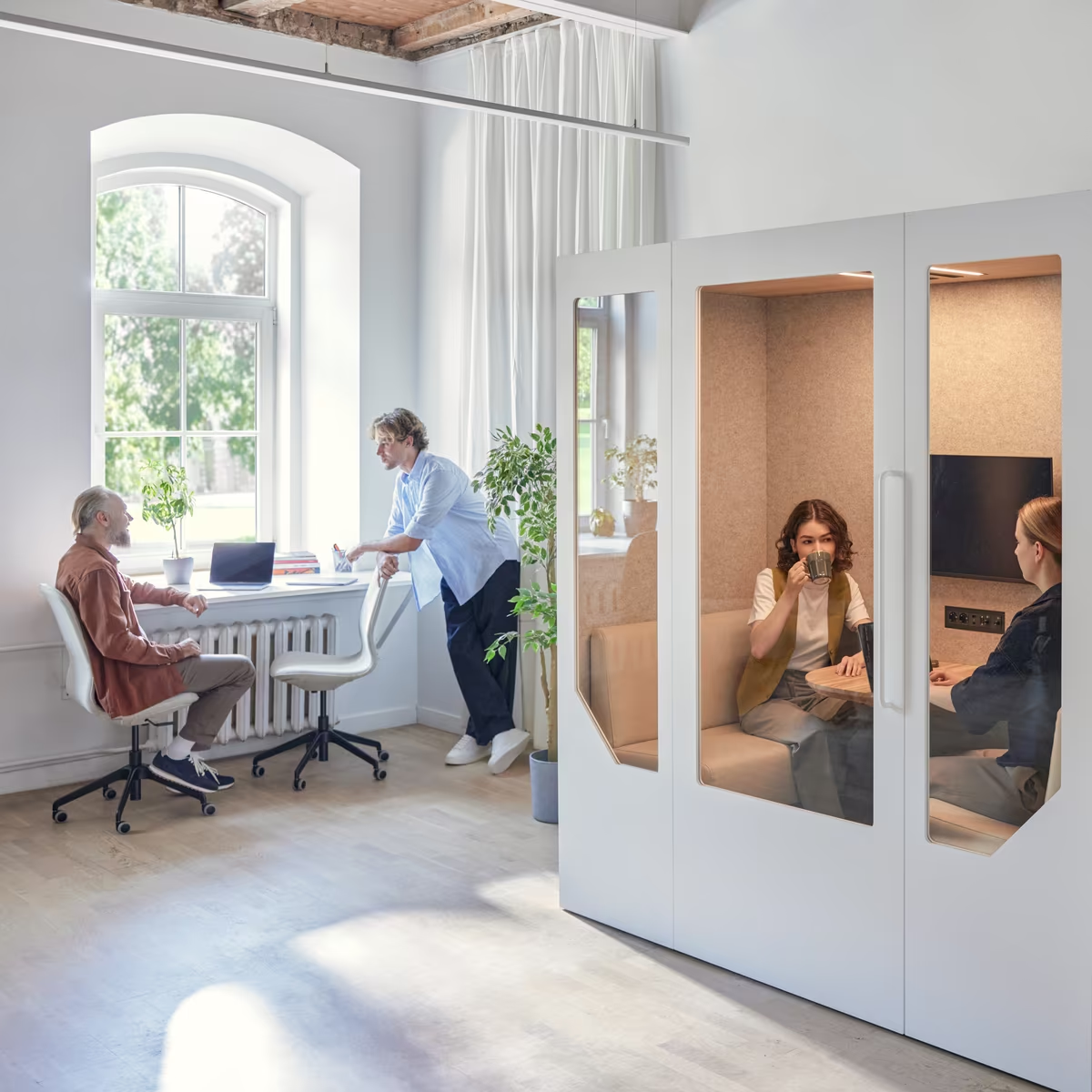
A pod meeting is a small, structured interaction that takes place in an enclosed space or semi-enclosed pod. It is designed for speed, clarity, and purpose.
These meetings are typically:
- Short in duration
- Focused on a single topic
- Held by a small group
- Designed to support deep work or quick decisions
The physical environment plays a crucial role. Sound insulated spaces, ergonomic furniture, and integrated lighting all help create the right conditions for focused work and effective communication.
Why it’s called a “pod” meeting
The term “pod” comes from the idea of a self contained, modular design space within a larger office environment. These pods are often fully enclosed or partially enclosed, creating a secluded space that feels separate from the surrounding office space.
In modern workspaces, pods create quiet zones where teams can hold private phone calls, video conferences, or brainstorming sessions without being affected by external noise. This sense of privacy is what distinguishes pod meetings from informal desk conversations.
When a pod meeting makes sense
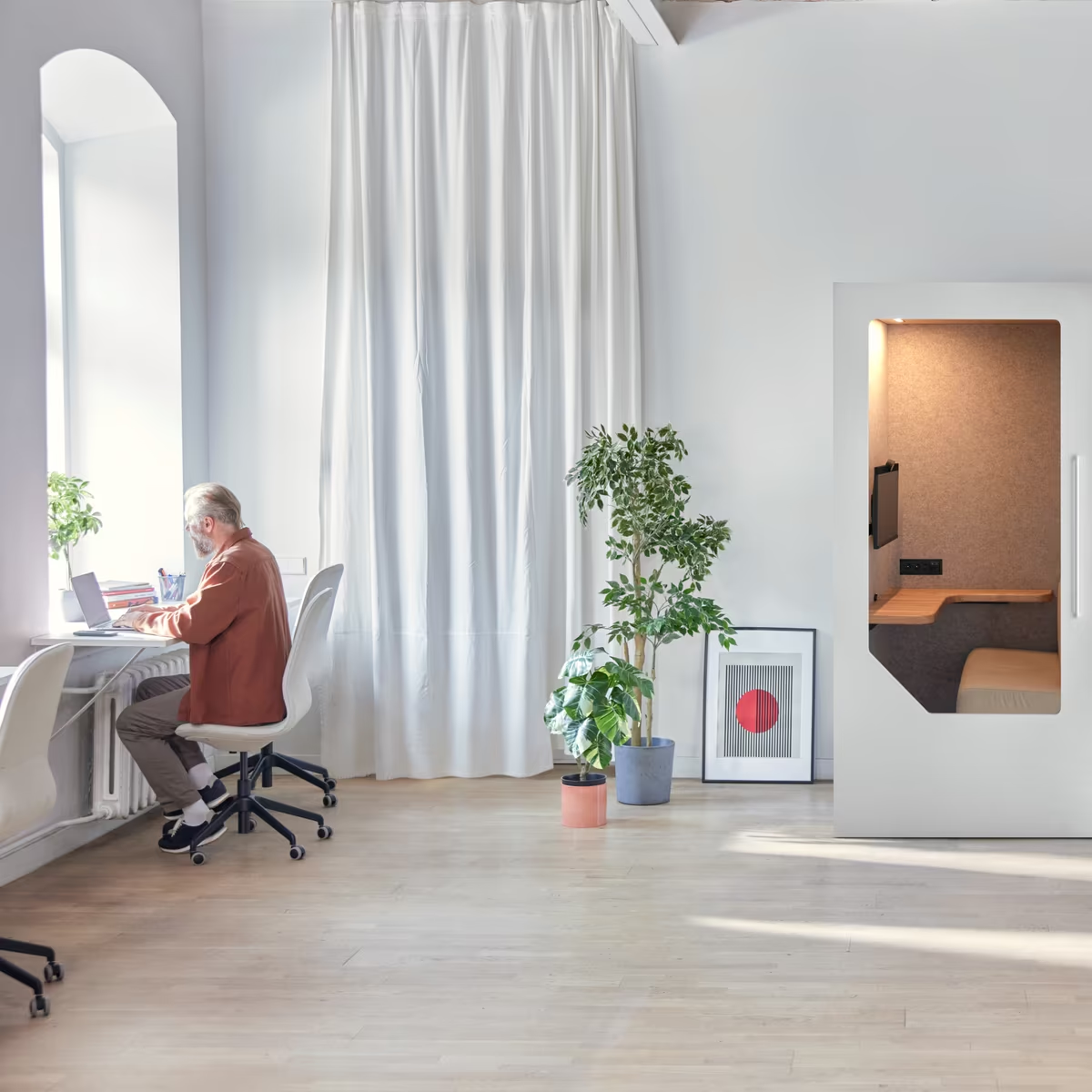
Choosing the right type of meeting location depends on many factors and pod meetings are ideal when speed, focus, and accessibility matter more than formality or scale.
They are proving enormously popular. Most modern office now feature soundproof booths and it is a growing trend. According to Forbes Business, $500m was spent in 2025 on office pods and that spend is expected to increase at around 10% each year. If you don't currently have them in your office, there's a very good chance you soon will.
Best use cases for pod meetings
Pod meetings work best in the following scenarios, where quick interaction and minimal disruption are key:
- Ad hoc alignment – when teams need to sync quickly without booking a meeting room (find out more about ad hoc meeting meaning and examples)
- Short 1:1 conversations – including performance check-ins or quick updates
- Hybrid check-ins – involving remote workers joining via video conferencing
- Interview screens – early-stage interviews that require privacy but not a full conference room
- Quick planning sessions – short bursts of group collaboration
- Sensitive but brief conversations – where teams need to maintain confidentiality
In each of these cases, pods provide a dedicated space that balances accessibility with privacy.
When not to use a pod meeting
While pod meetings offer significant advantages, they are not suitable for every scenario.
Avoid using them for:
- Long workshops or training sessions
- Large group collaboration involving more than four people
- Deep strategy discussions requiring extended time
- Highly sensitive information that requires stronger sound insulation or formal meeting rooms
In these cases, a traditional meeting room or conference room remains the better option.
Pod meeting vs other meeting types
Understanding pod meeting meaning also requires comparing it with other formats commonly used in office space.
Pod meeting vs conference room meeting
A conference room meeting is typically longer, more formal, and involves more participants. It often requires booking and preparation.
In contrast, pod meetings are:
- Faster to start
- Less formal
- Designed for smaller groups
- Ideal for quick decisions
While conference rooms are still essential for larger or more structured discussions, pods provide a practical solution for everyday interactions.
Pod meeting vs phone booth call
A phone booth or soundproof phone booth is designed primarily for individual use, such as private phone calls or video calls. Pod meetings, on the other hand, support collaboration.
- Phone booths – best for private phone or video calls
- Pods – best for team discussions and collaborative sessions
Both serve an important role in modern workplaces, but they address different needs.
Pod meeting vs open-plan quick chat
In open plan offices, quick chats often happen at desks or in walkways. However, these interactions are often disrupted by background noise and distractions.
Pod meetings offer a better alternative:
- Reduced external noise
- Improved focus
- Greater ability to communicate effectively
This makes pods a game changer for teams working in busy office environments.

Benefits of pod meetings for teams and workplaces
Pod meetings deliver a range of key benefits that impact both productivity and employee satisfaction.
Faster starts and fewer scheduling delays
Pods eliminate the need to book permanent meeting rooms for short interactions. Teams can meet immediately, reducing delays and improving workplace dynamics.
Better focus in open offices
In open plan offices, interruptions are common. Research from Microsoft highlights how frequent interruptions and background noise reduce productivity in modern workplaces (see background noise insights. Pods provide a distraction free environment where teams can focus on the task at hand.
More privacy for short sensitive conversations
Many workplace conversations involve sensitive information. Pods help maintain confidentiality by offering sound insulated spaces that reduce speech leakage.
This is especially useful for:
- HR discussions
- Client calls
- Performance feedback

Smarter use of office space
Pods allow organisations to optimise floor space more effectively. Instead of relying solely on large meeting rooms, businesses can create multiple smaller, flexible workspaces. Workspace optimization ideas like this are becoming more important as companies aim to maximise productivity and provide the working environment that people have increasingly come to expect from their employers.
Key features that make a pod meeting work
Not all pods are created equal. To support effective meetings, certain features are essential.
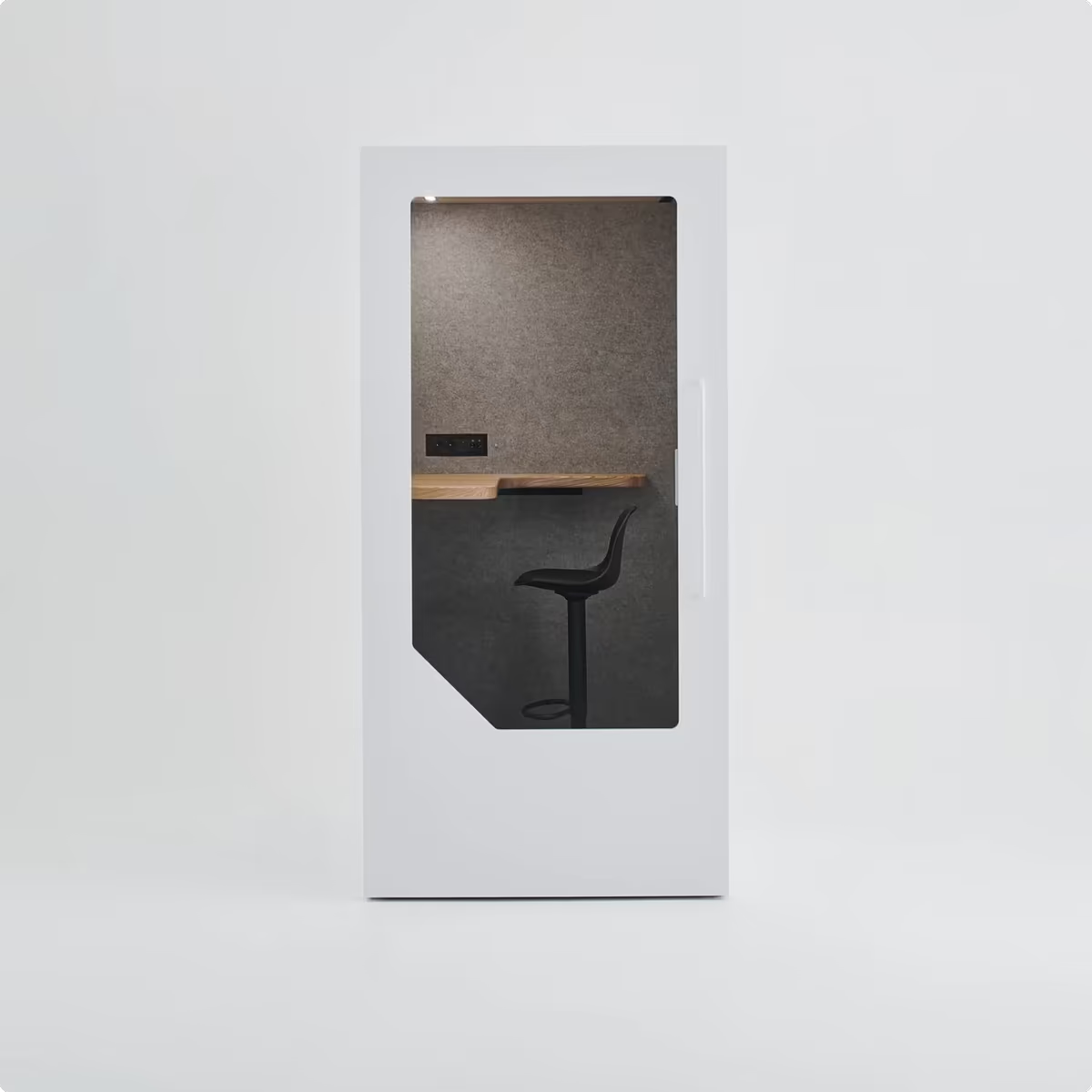
Acoustics, noise control, and speech privacy
Good pods use acoustic panels and sound insulation to minimise external noise and ensure private conversations remain confidential. Considerate employers also keep a careful eye on acceptable noise levels in the workplace, knowing that excessive noise can significantly reduce both productivity and employee well being.
Ventilation, lighting, and comfort for short meetings
A well-designed pod should include:
- Proper ventilation systems to keep air fresh
- Adjustable lighting for comfort and visibility
- Ergonomic furniture to support short meetings
Without these features, pods may be avoided by employees. There's little point in offering privacy and calm if the pods themselves are uncomfortable.
Power and A/V basics for hybrid pod meetings
To support virtual meetings and video conferences, pods should include:
- Power outlets and power sockets
- USB connections
- High-quality microphones and speakers
- Simple controls for video conferencing
These features ensure that pods support both in-person and remote workers.
How to choose the right meeting pod for your team
Selecting the right pod depends on several factors, including team size, usage patterns, and available floor space.
Pick the right size for your pod meetings
Different teams require different pod sizes:
- 1–2 person pods – a two person phone booth is ideal for 1-on-1 meetings, private phone calls or focused work
- 3–4 person pods – a team meeting booth is more suitable for team discussions and collaborative sessions
Choosing the right size ensures efficient use of office space.
Plan pod placement for real usage
Pods should be placed strategically within the office environment:
- Near teams that collaborate frequently
- Away from high-traffic areas
- Positioned to minimise disruption
This helps maintain a quiet space and maximise usage.
Decide on booking rules for pod meetings
Simple guidelines can improve usage:
- Keep meetings short
- Allow walk-up access where possible
- Avoid monopolising pods
This ensures fair access for all employees.
Consider a small-team pod for frequent collaboration
For teams that regularly collaborate, a slightly larger pod can be a versatile solution. Options like a team meeting booth support group collaboration without requiring a full conference room.
Pod meeting etiquette and best practices
To get the most from pod meetings, teams should follow a few simple practices.
Keep pod meetings short and outcome-led
Pod meetings are designed for efficiency. Teams should:
- Set a clear agenda
- Timebox discussions
- End with defined actions
This helps maintain both productivity and availability.
Respect shared space norms
Pods are shared resources, so etiquette matters:
- Leave the space clean
- Finish on time
- Use appropriate spaces for confidential discussions
This ensures a positive experience for everyone.
Conclusion
Understanding the value of pod meetings is key to navigating today's workplaces and the expectations of modern employees. These meetings offer a flexible, efficient alternative to traditional formats, helping teams communicate effectively, reduce stress, and improve overall well being.
By choosing the right pods, placing them strategically, and using them appropriately, organisations can create a more productive and adaptable office environment.
FAQs
.avif)
Passionate, progress-driven venture & business developer with startup and corporate experience. I speak business, while keeping customers in my heart.