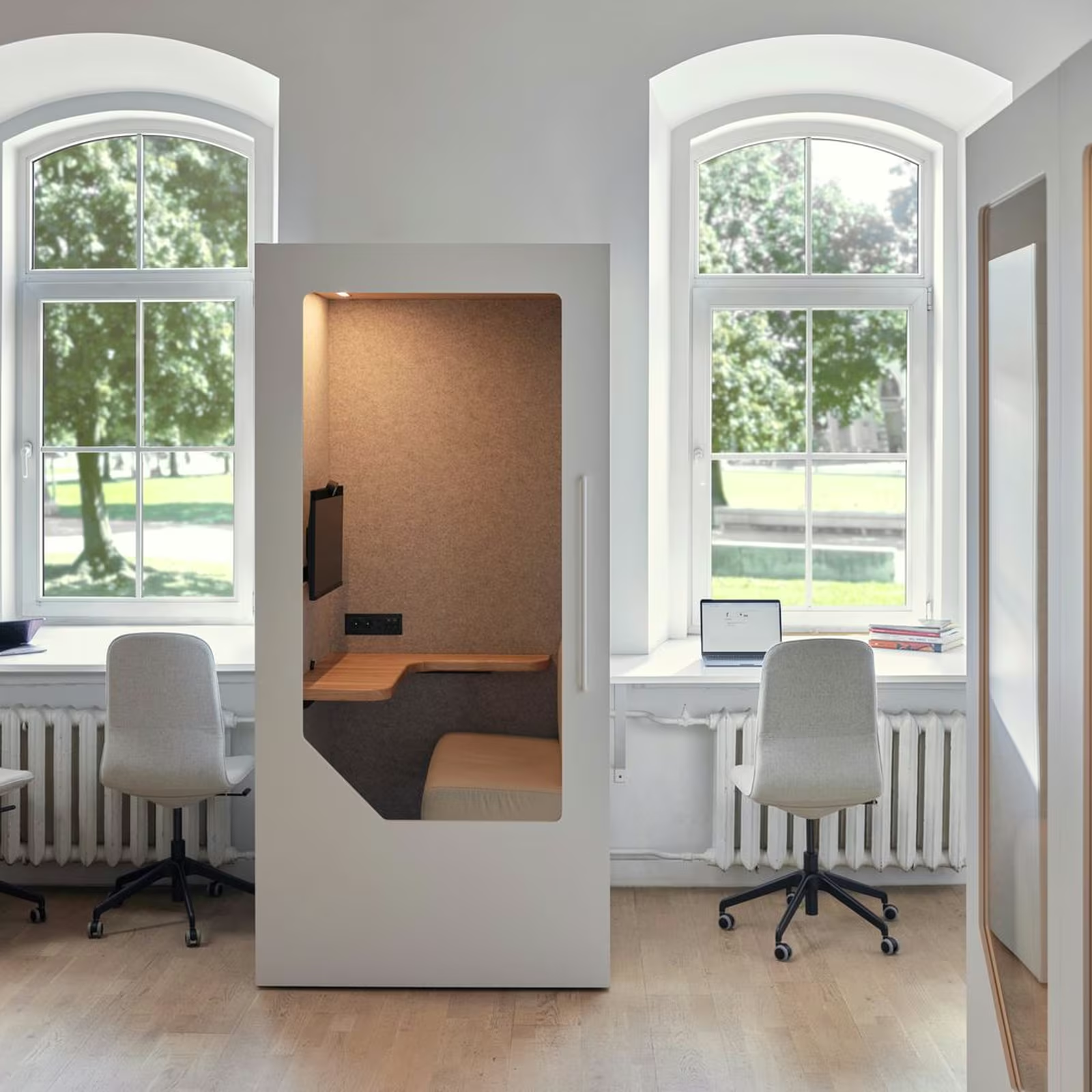
.avif)
Choosing the best work pod for your UK office comes down to four key decisions: define its purpose, match the size to your users, prioritise acoustic performance and ventilation, and plan for future flexibility.
If the pod is for solo focus work or calls, compact office pods with 28dB+ sound reduction and proper airflow will suffice. For team meetings, you’ll need larger pods with integrated power, screens, and stronger acoustic ratings. Strategic placement, mobility options, and compliance with UK safety standards then ensure the pod delivers long-term value.
The right work booth should solve a clear problem – whether that’s noise, lack of privacy, or meeting room shortages – while costing significantly less than permanent construction. When you align technical specifications with real workplace needs, you transform a simple structure into a high-performing productivity asset.
This Persy Booths prepared guide walks you through exactly how to make that decision with confidence.
Key takeaways
- Choosing the right office pod transforms your office into a more productive, flexible workspace that addresses modern workplace challenges effectively.
- Define your pod's primary purpose first – whether solo focus work, team meetings, or phone calls – as this determines size, features, and placement requirements.
- Prioritise acoustic performance with ISO 23351-1 tested pods offering 28dB+ sound reduction and proper ventilation systems for comfortable extended use.
- Consider future flexibility by selecting mobile pods with castors or modular systems that can adapt as your office needs evolve.
- Strategic placement near high-traffic areas or call-heavy teams maximises utilisation whilst ensuring pods remain easily accessible and visible.
- Work pods deliver measurable benefits: 57% of workers value privacy as the best office perk, and pods cost 55% less than traditional meeting rooms.

Defining Work Pod Requirements
You need to define specific technical requirements that will give optimal functionality after you pick the location and purpose of your work pod. A well-laid-out requirements list helps you avoid getting things wrong and makes sure your work pod investment pays off.
How Many People Need to Fit Inside?
Size matters when picking work pods. Single pods work great for phone calls or focused creative work. Two-person booths create the perfect setting for face-to-face talks, private discussions, or mentoring. Three to four-person pods give teams professional spaces for teamwork, client meetings, or casual gatherings. Pods that fit five to six people work well for brainstorming, conference calls, or presentations.

Where Will the Work Pod Be Located in Your Office?
Pod location can make or break its usefulness. Users should reach these pods within seconds. Here are some smart spots to place them:
- Near busy walkways or area transitions
- Close to client-facing staff or call-heavy teams
- Next to project zones or collaborative hubs
- In central spots for easy access and visibility
People should easily see if a pod is free or occupied. The layout should get maximum value from the pod's footprint, and is where good space planning pays off. A well-placed pod creates natural flow across the office that helps everyone focus better.
Planning for Future Flexibility and Mobility
Today's workplace changes faster than ever, and adaptability matters more than ever. Teams grow, shrink, and shift over time – the pod should handle these changes. Modular pod systems shine here because you can take them apart and rebuild them in hours. Some systems let you rearrange and expand them, so a focus pod today could become a conference room tomorrow.
Pods with locking castors or hidden wheels, such as a mobile phone booth, offer the most flexibility. You can move them as needs change. Some have quick-release panels hiding holes for pump truck access, making it easy to move between rooms if doorways allow. This mobility helps reshape office layouts quickly as business needs evolve.
Types of Work Pods for Modern Offices
Modern offices have a variety of work pods, from compact phone booths to fully enclosed enclosed office pods. Each pod type serves specific needs in the office environment. Understanding these options will help you choose the right one for your needs.
Here is how the main pod types compare at a glance:
Solo Phone Booths
Solo soundproof phone booths are compact private spaces that one person can use at a time. These space-saving units fit well in most office layouts and give complete privacy when you need to concentrate. They block out noise and interruptions, which makes them perfect for video calls, private conversations, and focused work.
The best phone booths come with sound-isolating walls. Some models meet the ISO 23351-1 standard with 28dB speech sound reduction. Many booths use motion-activated systems to control lights and ventilation. These systems turn off after no movement to save energy. Some models have built-in wheels that let you move them easily as your workspace needs change.

Meeting Pods for Teams
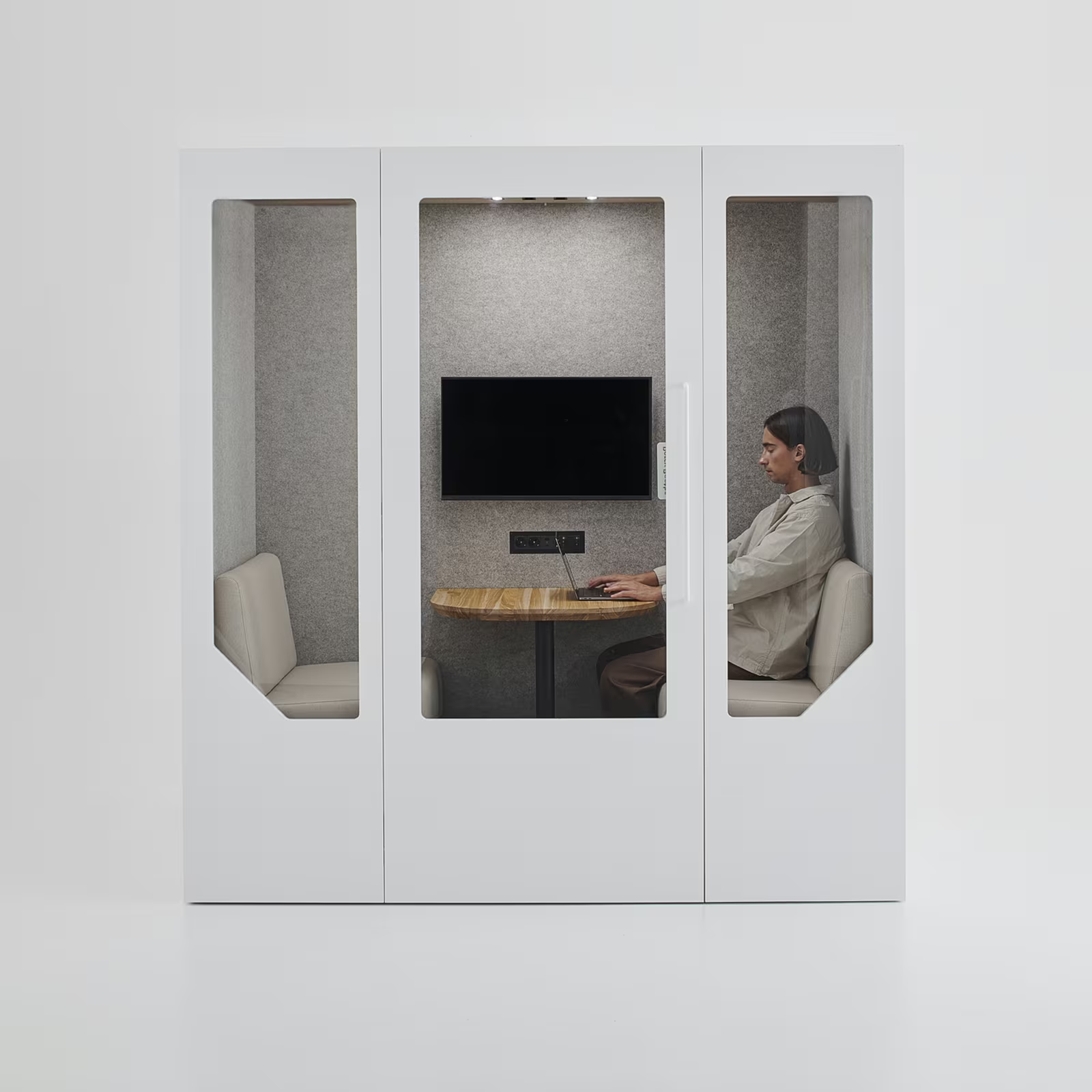
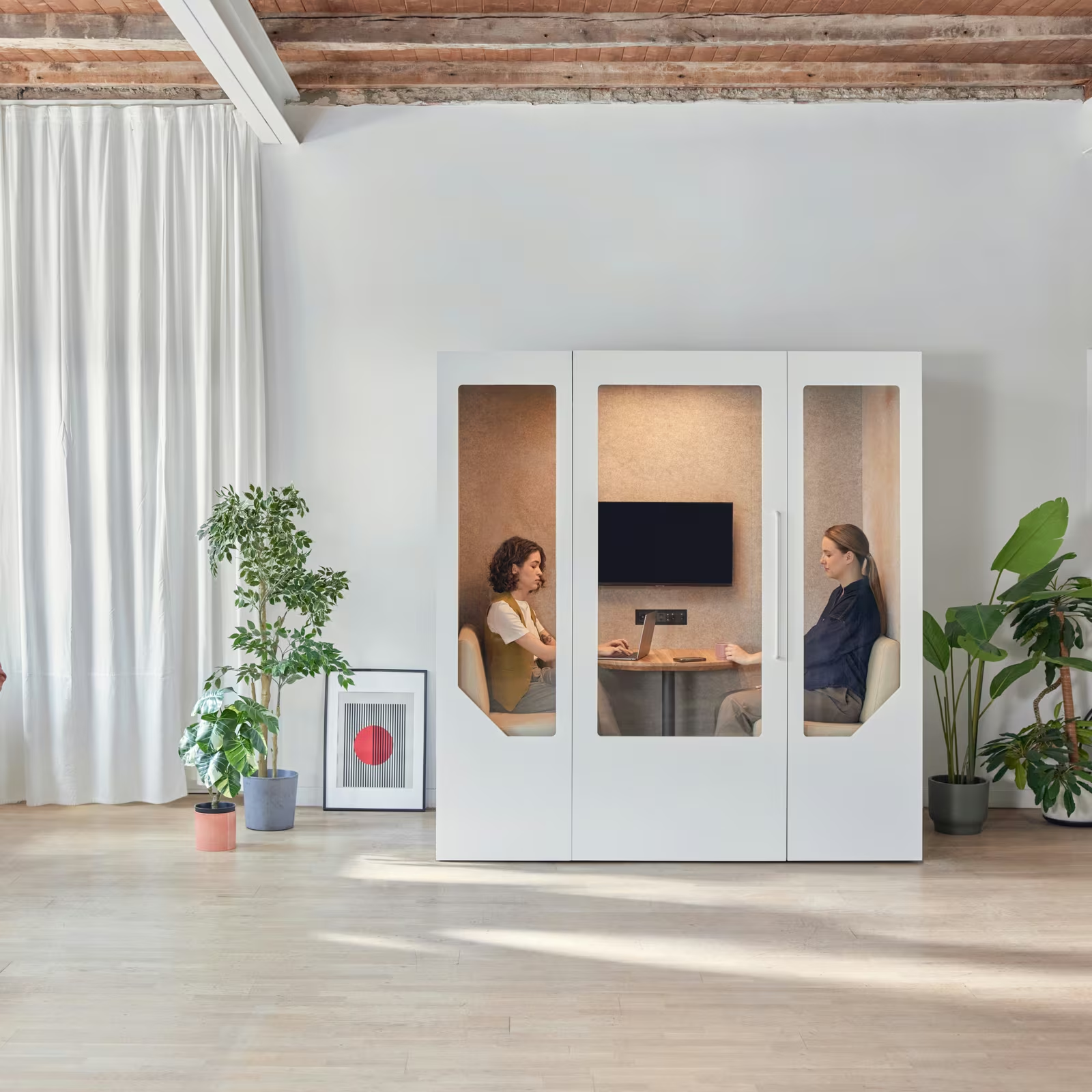
A team meeting booth gives small groups a space to have private meetings without building permanent structures. These pods seat two to six people and are built with team needs in mind. You'll find power outlets, built-in screens, and comfortable seating inside them.
Quality meeting pods have strong soundproofing to keep conversations private. Teams can use them for quick planning sessions, client meetings, small-group learning, and brainstorming without outside noise. Though compact, these pods work just like traditional meeting rooms but offer more flexibility. For just two people, a two person phone booth keeps one-to-ones private without taking up much floor space.
Work Pods for Focused Tasks
Focus work pods create quiet spaces for concentrated individual work, from open acoustic pods to a fully enclosed quiet booth. They usually have built-in desks, and some offer height adjustment for comfort. The best focus pods use double-wall construction with sound-absorbing materials. This creates a quiet space even in busy offices.
Most focus pods use PIR motion sensors to manage lighting and ventilation for user comfort. Good models also include several power sockets and USB ports for all your devices. These self-contained units become productivity havens where distractions don't exist.
Collaborative Pods with Technology Integration
Collaborative pods are the most flexible option for team activities and shared collaborative workspaces. These larger units fit four to six people and usually have full-sized meeting tables with plenty of room for group work. They give you the same experience as traditional meeting rooms but take up less space.
These pods come loaded with technology. You'll find built-in screens, video conferencing tools, and interactive whiteboards. Some models use IoT occupancy sensors that send usage data to central dashboards. This helps facility managers make the best use of available space. The most advanced pods feature smart lighting, climate control, and connect to workplace booking apps for easy scheduling.

Essential Features and Specifications to Evaluate
The right technical features will give a solid return on your investment when you pick a work pod for your UK office. A clear grasp of key specs helps you make objective comparisons between models instead of getting carried away by looks alone.
Sound Insulation and Acoustic Performance
Sound performance is the life-blood of any quality work pod. Pods tested to ISO 23351-1 standards measure actual speech privacy levels effectively. You'll need pods with Sound Transmission Class (STC) ratings of 45+ or Weighted Sound Reduction Index (Rw) values of at least 35 dB for private conversations. Class B acoustic performance offers an excellent balance between privacy and affordable solutions. The best pods use three acoustic principles: absorption manages reflections, blocking stops direct sound transmission, and decoupling prevents vibrations from travelling through structures, as explained in "Does sound proofing really work".
Ventilation and Air Quality
Quality pods need proper ventilation to avoid feeling stuffy during long work sessions. The best pods include air exchange systems that refresh the air completely every 40 seconds or faster. Quiet ventilation fans running under 25 dB keep conversations distraction-free. Advanced models now include presence-activated fans that adjust airflow based on occupancy. This prevents stuffiness and saves energy.
Lighting Options
Good lighting substantially affects productivity and wellbeing in enclosed spaces. The Chartered Institution of Building Services Engineers suggests lighting levels of 300-500 lux for office work. LED lighting with colour temperatures between 4000K-5000K creates optimal conditions. These settings match natural daylight and help maintain alertness. Better models include dimmable controls so users can adjust brightness for different tasks, from reading to video calls.
Power Outlets and Connectivity
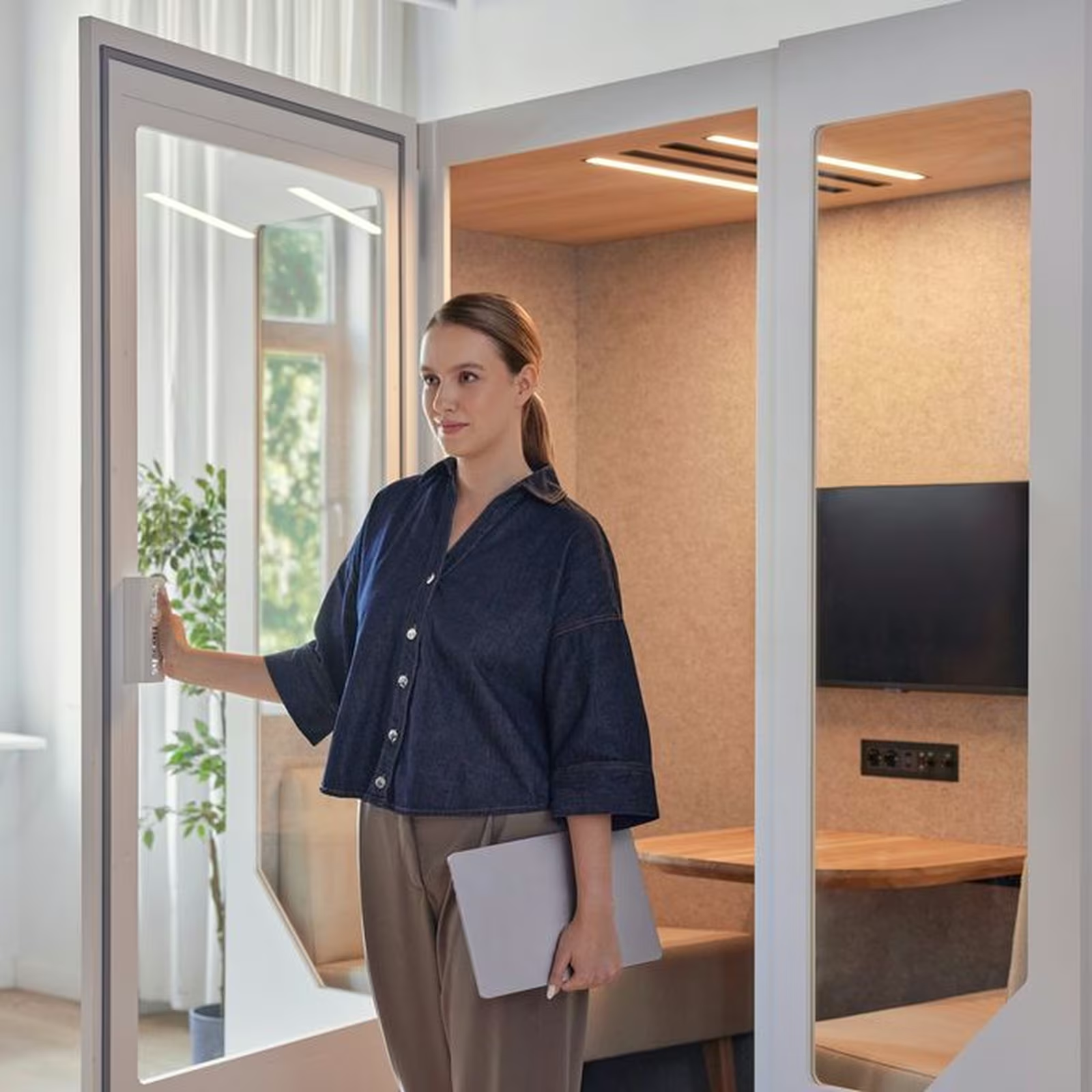
Today's work pods must combine smoothly with technology through integrated power solutions. Look for pods that offer multiple power outlets, USB ports (both A and C types), and data connection options. Some manufacturers add wireless charging pads, monitor brackets, and built-in AV equipment for video conferencing. These additions make pods complete workstations rather than just quiet spaces.
Internal Furnishings and Comfort
The interior design determines how long people can work comfortably in pods. Quality ergonomic seating with good lumbar support works best with the right-sized work surfaces. Premium models often include height-adjustable desks that support different working styles and better posture. Some pods come with built-in whiteboards or customisable interior finishes that create the perfect environment for focused work.
Mobility and Flexibility
Smart pod investments should adapt to your office's changing needs. Many pods come with locking castors or hidden wheels for easy relocation. Others feature quick-release panels that hide access points for pump trucks, making movement between rooms possible where doorways allow. You can reshape your office layout quickly without expensive construction or disruption.
Benefits of Work Pods
Work pods have become increasingly popular in UK workplaces, and their practical benefits make it easy to see why. These custom-built dedicated spaces offer solutions to common office challenges through smart design choices and specific features.
Noise reduction
Work pods tackle one of the biggest workplace headaches: noise reduction. These structures create quiet zones with specialised sound-absorbing materials that shield conversations and make room acoustics better. The soundproof walls keep noise out effectively, which protects private discussions and helps people focus on complex work. This matters because about 71% of workers say their colleagues are the main reason they can't concentrate on tasks. The constant stream of conversations, phone calls, and office noise makes it hard to focus and get work done without proper sound management.
Increased Productivity
Work pods make a big difference in output by creating the right environment to focus. Yes, it is telling that 57% of workers rank privacy as their most wanted office perk. Research shows that 41% of employees feel more energised and relaxed after they spend time in a pod. These spaces help people get into their workflow more naturally by sending signals to the brain that it's time to concentrate. Modern office pods act like sanctuaries where distractions become "an alien concept," which lets employees dive deep into complex tasks without interruption.

Improved Wellbeing and Cost Efficiency
Work pods do more than boost productivity – they support mental health by giving people a place to step back, which reduces stress and prevents burnout. They make financial sense too, since they cost about 55% less than building traditional meeting rooms.
Conclusion
Work pods have become increasingly popular in UK workplaces, and their practical benefits make it easy to see why. These custom-built dedicated spaces offer solutions to common office challenges through smart design choices and specific features.The perfect work pod selection depends on several significant factors. You need to decide its main purpose - whether it's meant for focused individual work, private calls, or team collaboration. This purpose shapes the entire selection journey. A review of capacity needs, strategic placement, and future adaptability will give a workspace that serves users well now and later.
Technical specifications without doubt make a huge difference in how well work pods work. Sound insulation, proper ventilation, appropriate lighting, and connectivity options turn a simple enclosure into a functional workspace. Careful scrutinising of these features before purchase prevents disappointment and maximises investment returns.
Today's market offers work pods designed for every workplace need. Options range from solo phone booths to meeting pods for teams. Some pods excel at focused tasks while others are built for shared work with technology integration. Manufacturers now provide purpose-built solutions for each scenario.
UK offices have embraced work pods and with good reason too. These pods tackle noise issues common in open plan offices while substantially improving productivity and wellbeing. They also offer economical solutions compared to permanent construction and adapt easily as workplace needs change.
The right work pod choice comes down to understanding specific requirements and matching options against those needs. The selection process might seem daunting, but the rewards – better focus, improved collaboration, and happier employees – make it worth the effort. Time spent to assess workplace needs and review pod options helps create a more productive, comfortable, and adaptable office space that works better for everyone.
Best Office Work Pods: FAQs
.avif)
Passionate, progress-driven venture & business developer with startup and corporate experience. I speak business, while keeping customers in my heart.