Activity-based working wordt snel het voorkeursmodel voor bedrijven die hun kantoorruimte opnieuw bekijken voor de toekomst van werk in 2026. In plaats van een traditionele indeling met vaste bureaus kunnen medewerkers gedurende de dag de werkplek kiezen die het beste past bij de taak waaraan ze werken. Naarmate verwachtingen veranderen, zoeken medewerkers naar een kantooromgeving die samenwerking, geconcentreerd werk, privacy en flexibiliteit daadwerkelijk ondersteunt.
Bij Persy Booths werken we met veel klanten die hun eigen activity-based workplace willen creëren. Wij produceren immers kantoorpods die verschillende zones mogelijk maken voor verschillende soorten activiteiten – het is dus geen verrassing dat we veel weten over activity-based werkomgevingen. Om je te helpen bepalen of deze aanpak geschikt is voor jouw organisatie en hoe je de juiste kantooromgeving kunt creëren zonder onnodig hoge kosten, hebben we deze gids samengesteld met de belangrijkste punten.
Belangrijkste inzichten uit dit artikel
- Wat activity-based working is, hoe het verschilt van een traditioneel kantoor en waarom het relevant is voor de toekomst van werk.
- De belangrijkste voordelen van een activity-based workplace, waaronder productiviteit, samenwerking en medewerkerstevredenheid.
- De uitdagingen waar organisaties mee te maken krijgen bij de overgang naar een activity-based working model, inclusief praktische oplossingen.
- Een stapsgewijze handleiding voor het implementeren van een ABW-kantoor en hoe je dit in de loop van de tijd kunt monitoren en verbeteren.
- De rol van pods, vergaderruimtes en stiltezones in een effectief activity-based werkplekontwerp.
Wat is Activity-Based Working?
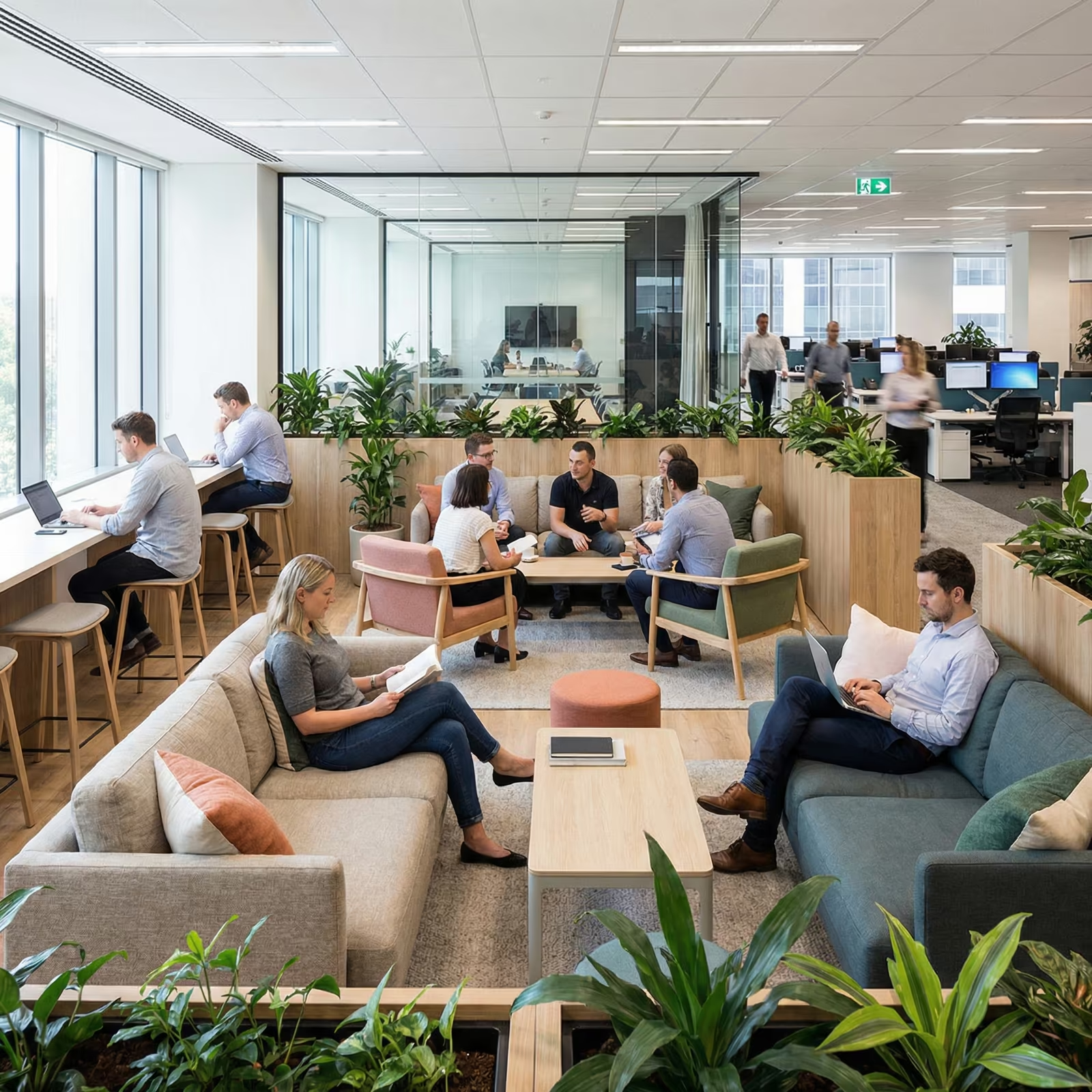
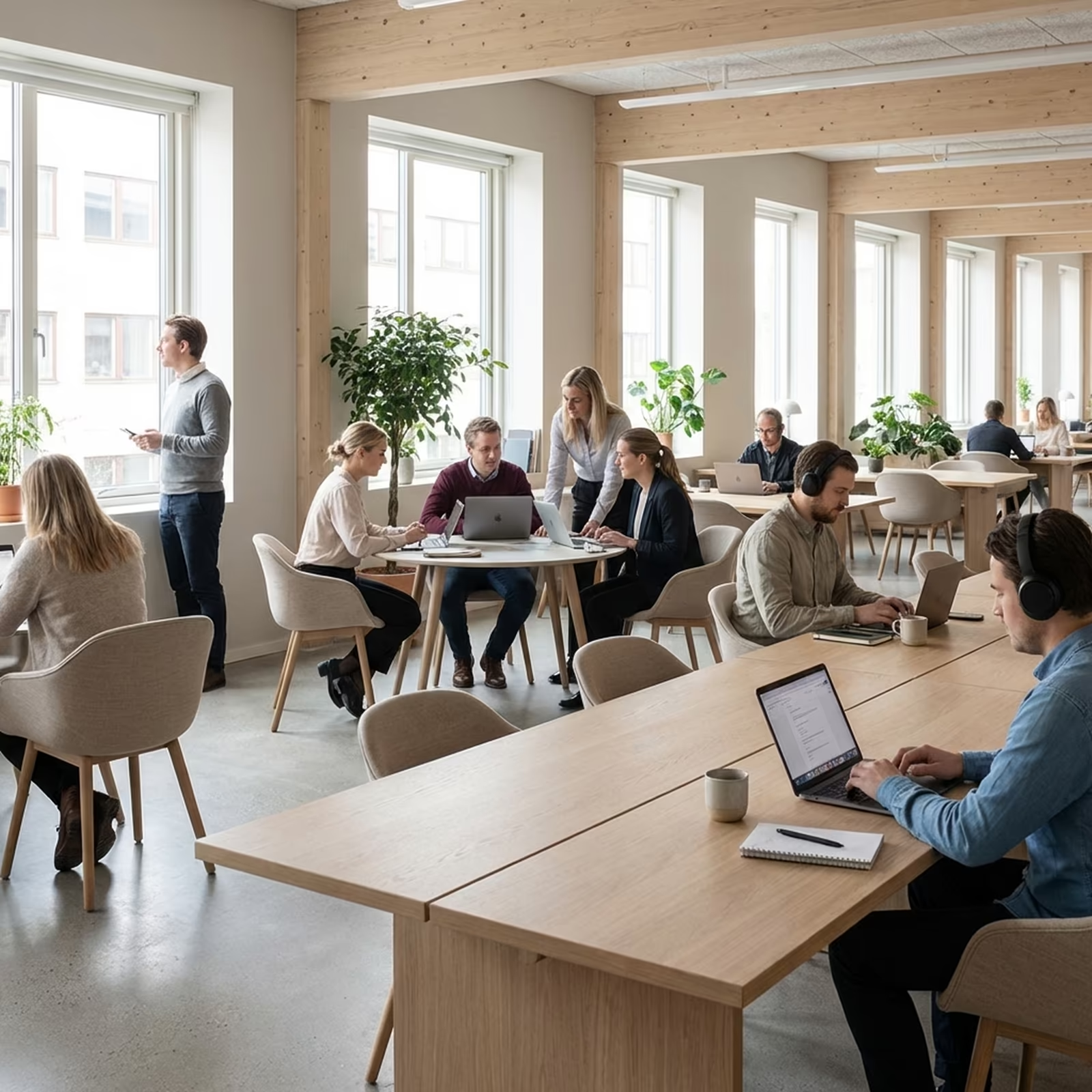
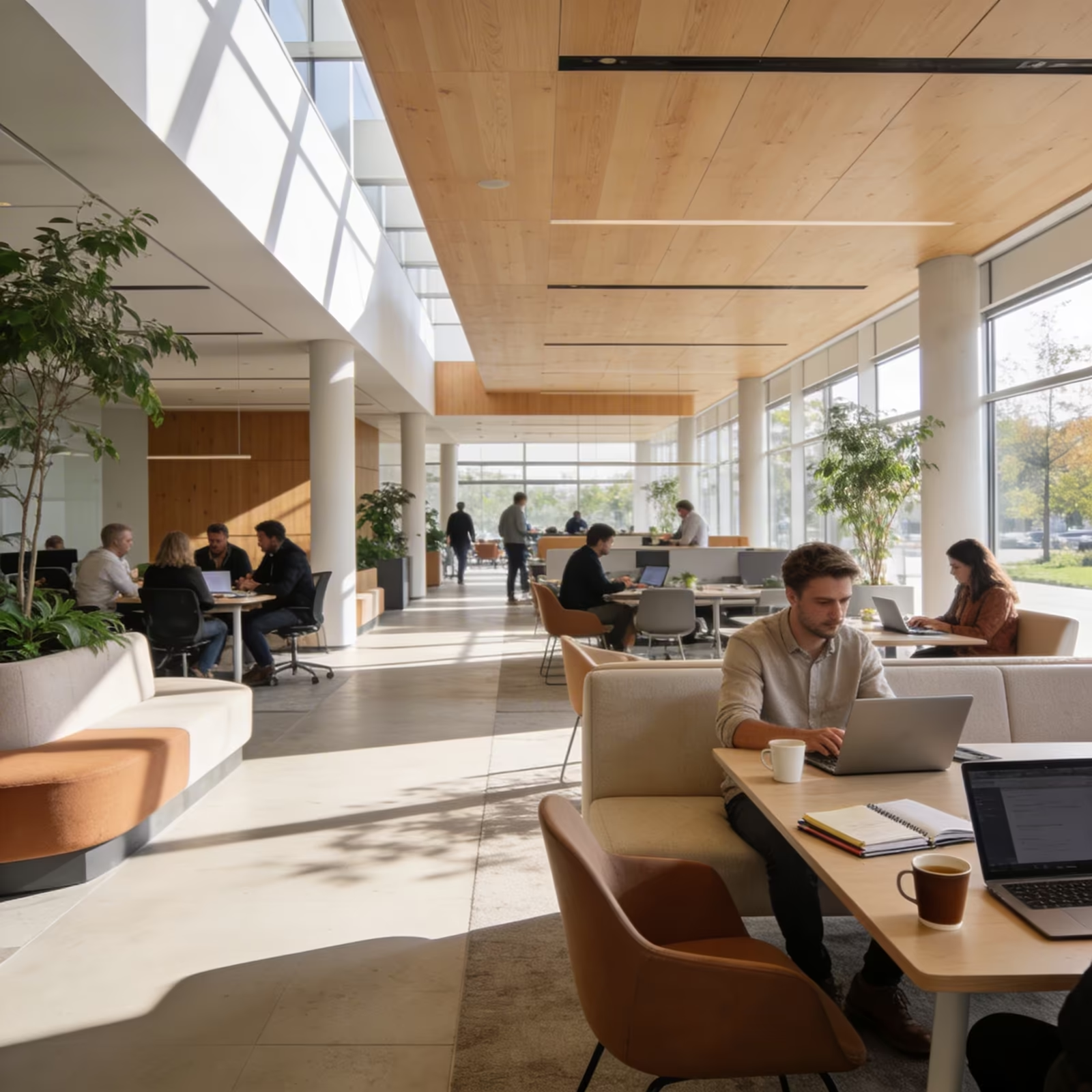
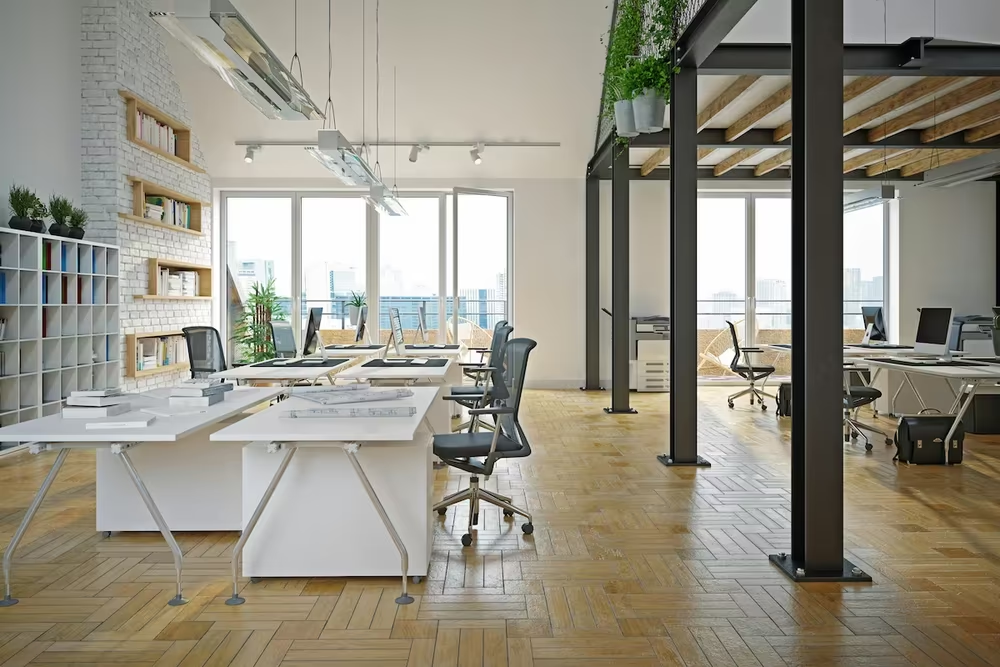
Activity-based working (ABW) is een werkplekstrategie waarbij medewerkers gedurende de dag de meest geschikte werkplek kiezen voor hun specifieke taken. In plaats van iedereen een vast bureau toe te wijzen, biedt een activity-based workplace verschillende werkplekken die verschillende soorten activiteiten ondersteunen – zoals samenwerking, stilte, creatief werk, geconcentreerd werk of informele interactie.
In een traditioneel kantoor passen mensen hun werkzaamheden vaak aan de omgeving aan, omdat die omgeving statisch is. In een activity-based workplace past de omgeving zich juist aan de taak aan. Deze aanpak wordt gestuurd door de behoeften van mensen, het ritme van het werk en de groeiende behoefte aan flexibiliteit in hoe, wanneer en waar werk wordt uitgevoerd.
Een activity-based working-model omvat doorgaans:
- open teamzones
- vergaderruimtes van verschillende groottes
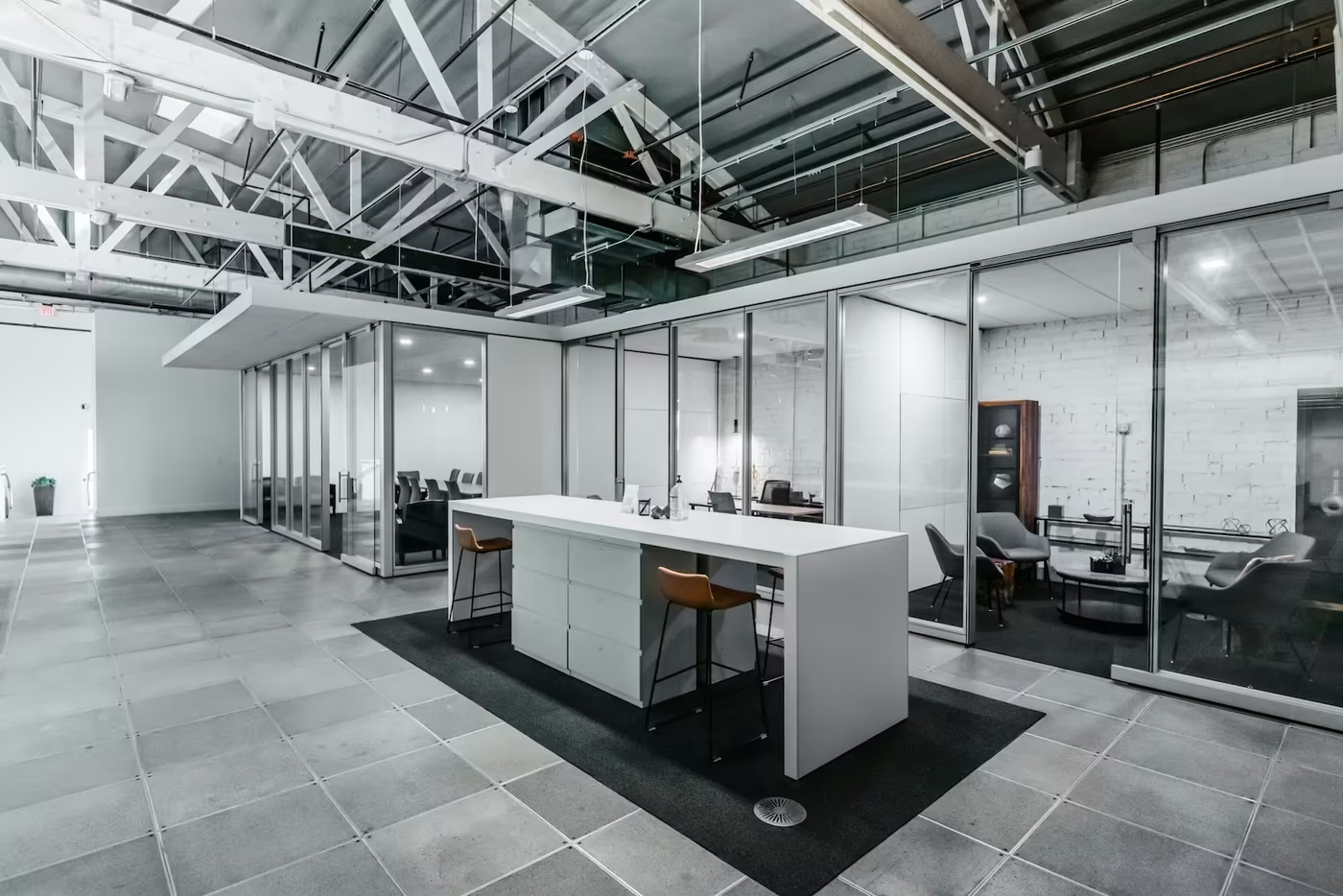
- stilteruimtes of privacy-booths
- informele samenwerkingsruimtes
- touchdown-werkplekken
- loungezones voor informele gesprekken
- privéruimtes voor diep geconcentreerd werk
- technologisch uitgeruste ruimtes voor hybride werken
Wat ABW aantrekkelijk maakt, is de autonomie die het medewerkers biedt. Mensen kunnen gedurende de dag tussen deze werkplekken bewegen en de omgeving kiezen die hun taken het beste ondersteunt. Deze flexibiliteit verbetert cognitieve prestaties en samenwerking in verschillende omgevingen, evenals de concentratie en de algemene kantoorervaring.
Steeds meer organisaties zien ABW als een effectieve manier om kantoorruimte efficiënter te gebruiken, vastgoedkosten te verlagen en een werkomgeving te creëren die aansluit bij de toekomst van werk.
Voordelen van Activity-Based Working
De voordelen van activity-based working gaan verder dan alleen flexibele zitplaatsen. Wanneer ABW goed wordt geïmplementeerd, versterkt het de productiviteit, verhoogt het de medewerkerstevredenheid volgens werkplekonderzoek en helpt het organisaties zich voor te bereiden op succes op de lange termijn.
Hogere productiviteit
Wanneer medewerkers de juiste omgeving kunnen kiezen voor hun specifieke taken, stijgt hun productiviteit vaak vanzelf. Stiltezones helpen mensen om complexe taken zonder onderbreking uit te voeren, soms ondersteund door hulpmiddelen zoals een white-noise-machine. Oplossingen zoals privacy-booths, bijvoorbeeld de Persy Two geluidsdichte cabine, ondersteunen daarnaast geconcentreerd werk in open kantooromgevingen en bieden een snel alternatief voor het reserveren van vergaderruimtes, een aanpak die voor elke geluidsdichte cabine van Persy Booths geldt.
_opt_1000.avif)
Hogere medewerkerstevredenheid
Activity-based werkplekken bieden flexibiliteit, keuzevrijheid en autonomie – drie bewezen factoren voor medewerkerstevredenheid. Wanneer medewerkers de ruimte krijgen om hun eigen tijd te beheren en hun voorkeurswerkplek te kiezen, voelen zij zich doorgaans meer betrokken bij hun werk en sterker verbonden met hun organisatie. Dit gevoel van autonomie draagt bij aan een hoger moreel en betere retentie op de lange termijn.
Een onderzoek uit 2022, gepubliceerd door het Multidisciplinary Digital Publishing Institute, toont aan dat een ABW-initiatief binnen een Zweedse overheidsafdeling leidde tot een aantoonbare toename in medewerkerstevredenheid.

Het kantoor toekomstbestendig maken
Een van de grootste voordelen van ABW is de mate van aanpasbaarheid. Nu hybride werken steeds gebruikelijker wordt, hebben organisaties kantoorontwerpen nodig die zich kunnen aanpassen aan verschillende werkdagen, teamgroottes en nieuwe manieren van werken. Activity-based working maakt het mogelijk om ruimtes opnieuw in te delen, samenwerkingszones uit te breiden of nieuwe technologie toe te voegen zonder het hele kantoor opnieuw te ontwerpen.
Volgens de CIPD zijn wendbare werkplekstrategieën essentieel om de toekomst van werk te navigeren, vooral nu organisaties blijven evolueren naast digitale en hybride werkmodellen.
Uitdagingen bij Activity-Based Working overwinnen
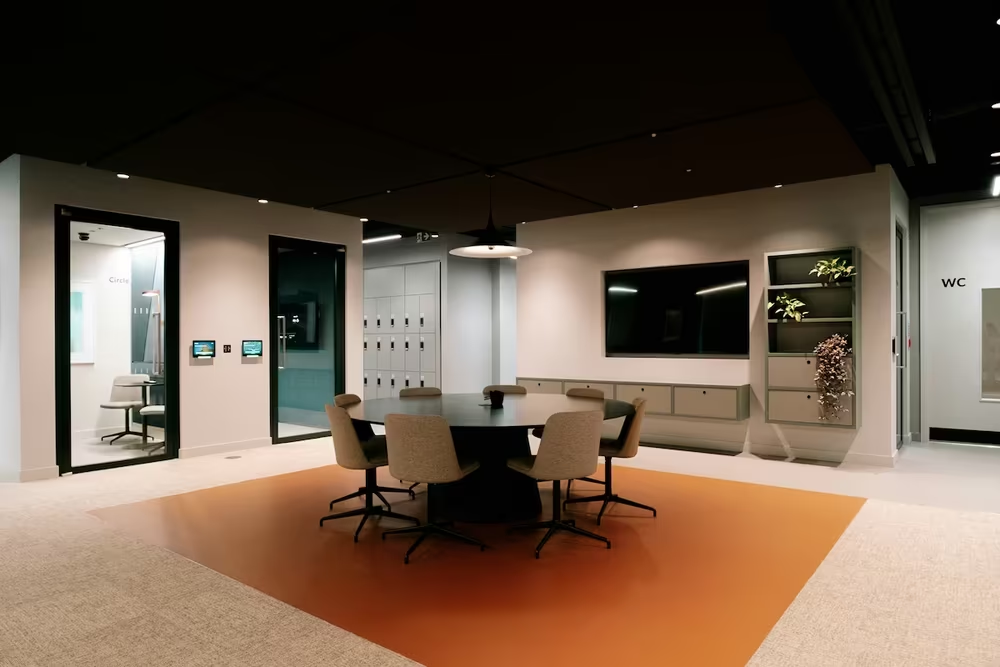
Activity-based working biedt duidelijke voordelen, maar vereist ook een verandering in werkgewoonten en een zorgvuldige planning vanuit de organisatie. Deze veelvoorkomende uitdagingen – en de praktische strategieën om ze aan te pakken – moeten worden meegenomen bij elke overgang.
Verandermanagement en draagvlak bij medewerkers
Sommige medewerkers kunnen in eerste instantie terughoudend zijn tegenover activity-based working, omdat het bestaande gewoonten doorbreekt. Bovendien laten studies zien dat weerstand tegen verandering de productiviteit kan beïnvloeden tijdens dit soort werkplektransities.
Daarom is goed verandermanagement essentieel. Door de voordelen duidelijk te communiceren, pilotzones te testen en vroegtijdig feedback te verzamelen, kunnen medewerkers zich meer betrokken voelen en positiever staan tegenover de verandering.
Een goed ABW-programma laat zien dat het doel is om medewerkers te ondersteunen in hun werk, niet om hun dagelijkse routine te verstoren.
Ruimte-indeling optimaliseren
Het in balans brengen van verschillende zones binnen een activity-based workplace is een van de belangrijkste ontwerpkeuzes. Teams moeten bepalen hoeveel bureaus nodig zijn, hoeveel vergaderruimtes beschikbaar moeten zijn en hoeveel ruimte wordt toegewezen aan samenwerkingszones versus stiltegebieden. Efficiënt gebruik van kantoorruimte moet zorgvuldig worden afgewogen tegen comfort voor gebruikers om overvolle of juist onderbenutte ruimtes te voorkomen.
Wanneer de zonering goed is uitgevoerd, voelt het kantoor samenhangend, open en ondersteunend. Wanneer dit minder goed gebeurt, ontstaan knelpunten rond drukke zones en kan de productiviteit afnemen.
Focus en privacy behouden
Ook in een open ABW-omgeving blijven concentratie en privacy essentieel. Dat blijkt bijvoorbeeld uit hoe Personio geluid omzette in productiviteit. Stiltezones, oplossingen zoals de Persy One telefoonbox voor kantoor, of het geplande gebruik van afgesloten ruimtes helpen medewerkers om ongestoord aan belangrijke taken te werken.
Onderzoek ondersteunt dit: een studie rapporteerde dat de cognitieve prestaties met 16,9% toenamen bij medewerkers die gebruikmaakten van stille werkplekken in vergelijking met algemene open kantoorruimtes. Om dit in de praktijk mogelijk te maken bieden kantoorpods zoals de Persy Work kantoor pod een efficiënte en ruimtebesparende manier om privacy te ondersteunen zonder nieuwe ruimtes te hoeven bouwen.
Een Activity-Based Workplace implementeren
De overstap naar activity-based working is een grote verandering. Daarom is een gestructureerd plan belangrijk. Hieronder staat een duidelijke leidraad voor het ontwerpen, lanceren en verbeteren van een activity-based working kantoor.
Stapsgewijze implementatiegids
Een praktische uitrol van activity-based working volgt meestal deze stappen:
- Behoeften van de organisatie analyseren – begrijp teams, taken, samenwerkingspatronen en de huidige werkomgeving.
- Dagelijkse activiteiten in kaart brengen – identificeer welke soorten werk medewerkers gedurende de dag uitvoeren, van geconcentreerd werk tot vergaderingen en telefoongesprekken.
- Benodigde werkplekken definiëren – bepaal welke ruimtes nodig zijn voor activity-based working, zoals vergaderruimtes, open teamzones, stiltezones, telefoonbox voor kantoor, hybride vergaderruimtes en focusruimtes.
- De ruimte ontwerpen – stem indeling, meubilair, technologie en zonering af op activity-based working-gedrag.
- Een pilotzone opzetten – probeer de aanpak met een klein team, verzamel feedback en verbeter wat niet goed werkt.
- Medewerkers trainen – leg uit hoe activity-based working in de praktijk werkt, inclusief het kiezen van werkplekken, het reserveren van ruimtes en het wisselen tussen zones.
- Gefaseerd uitrollen – breid activity-based working stap voor stap uit om verstoring te beperken en adoptie te vergroten.
Monitoren en verbeteren
Na de lancering moet activity-based working regelmatig worden geëvalueerd en verbeterd. Dit omvat onder andere:
- feedback van medewerkers verzamelen
- gebruik van vergaderruimtes en algemene ruimtebenutting analyseren
- bekijken hoe vaak verschillende zones worden gebruikt
- indelingen, meubilair en gebruiksregels aanpassen om de doorstroming te verbeteren
- technologie, telefoonbox voor kantoor of extra focusruimtes toevoegen wanneer de vraag toeneemt
Activity-based working is geen eenmalige herinrichting, maar een werkplekstrategie die zich ontwikkelt met je teams meegroeit.
Conclusie
In 2026 biedt activity-based working een praktische manier om kantoorontwerp beter af te stemmen op hoe werk daadwerkelijk plaatsvindt. Door minder afhankelijk te zijn van vaste bureaus en verschillende werkplekken te creëren voor uiteenlopende taken, kunnen organisaties samenwerking, concentratie en privacy beter ondersteunen. Met de juiste combinatie van vergaderruimtes, stiltezones en flexibele werkplekken verbetert activity-based working het gebruik van het kantoor en maakt het werkplekontwerp efficiënter.
FAQs
.avif)
Gedreven venture- en business developer met ervaring in zowel startups als corporate omgevingen. Combineert commerciële focus met aandacht voor klantbehoeften.