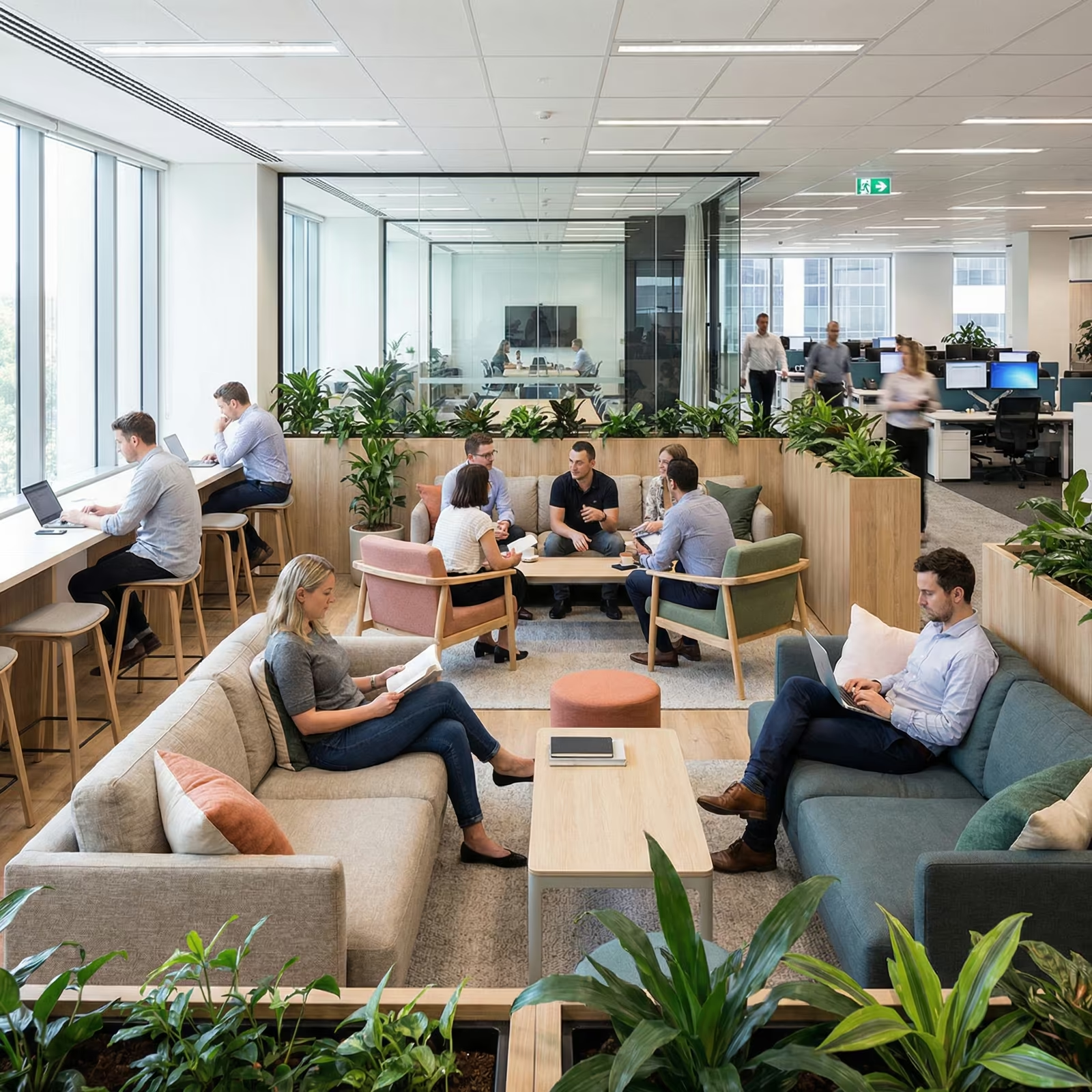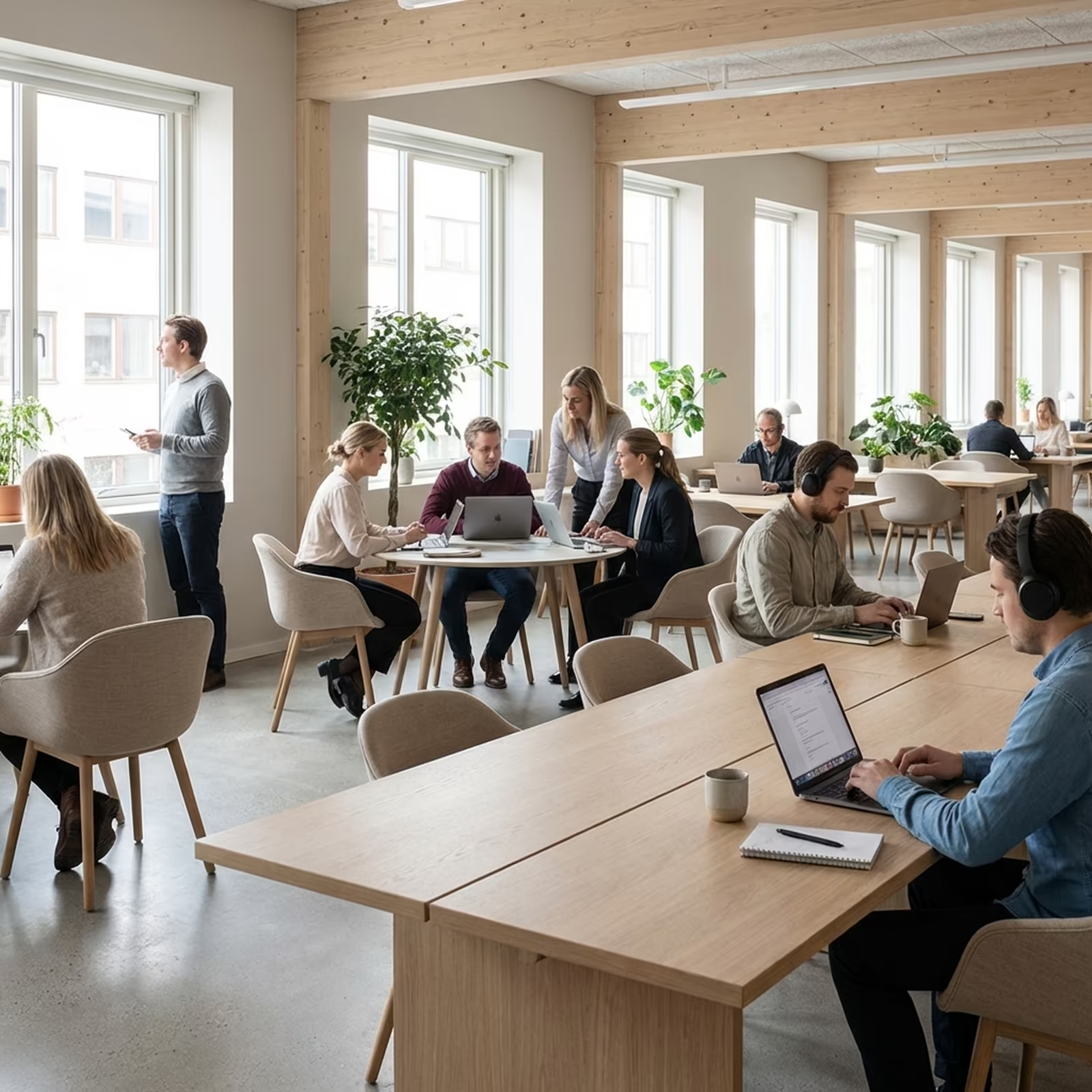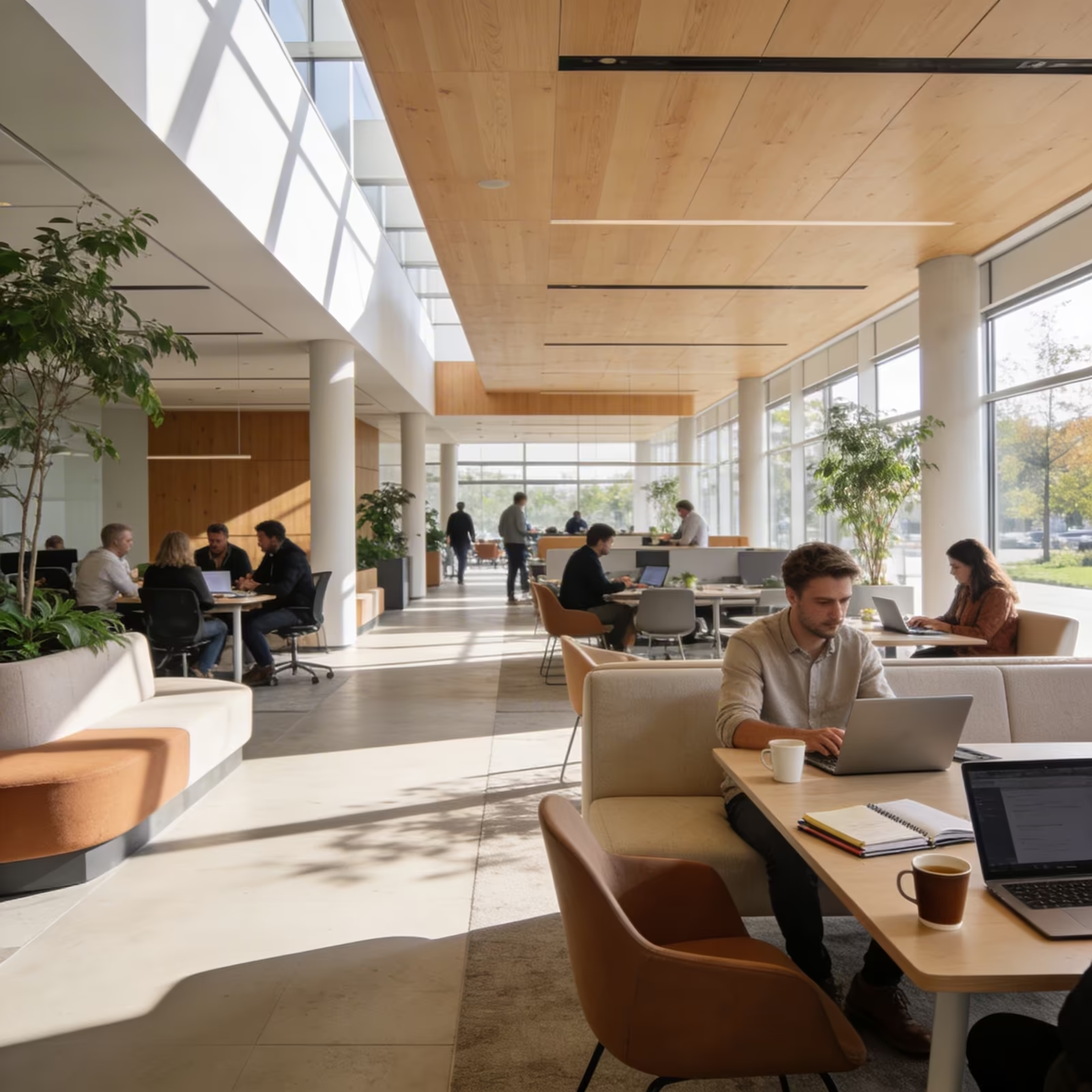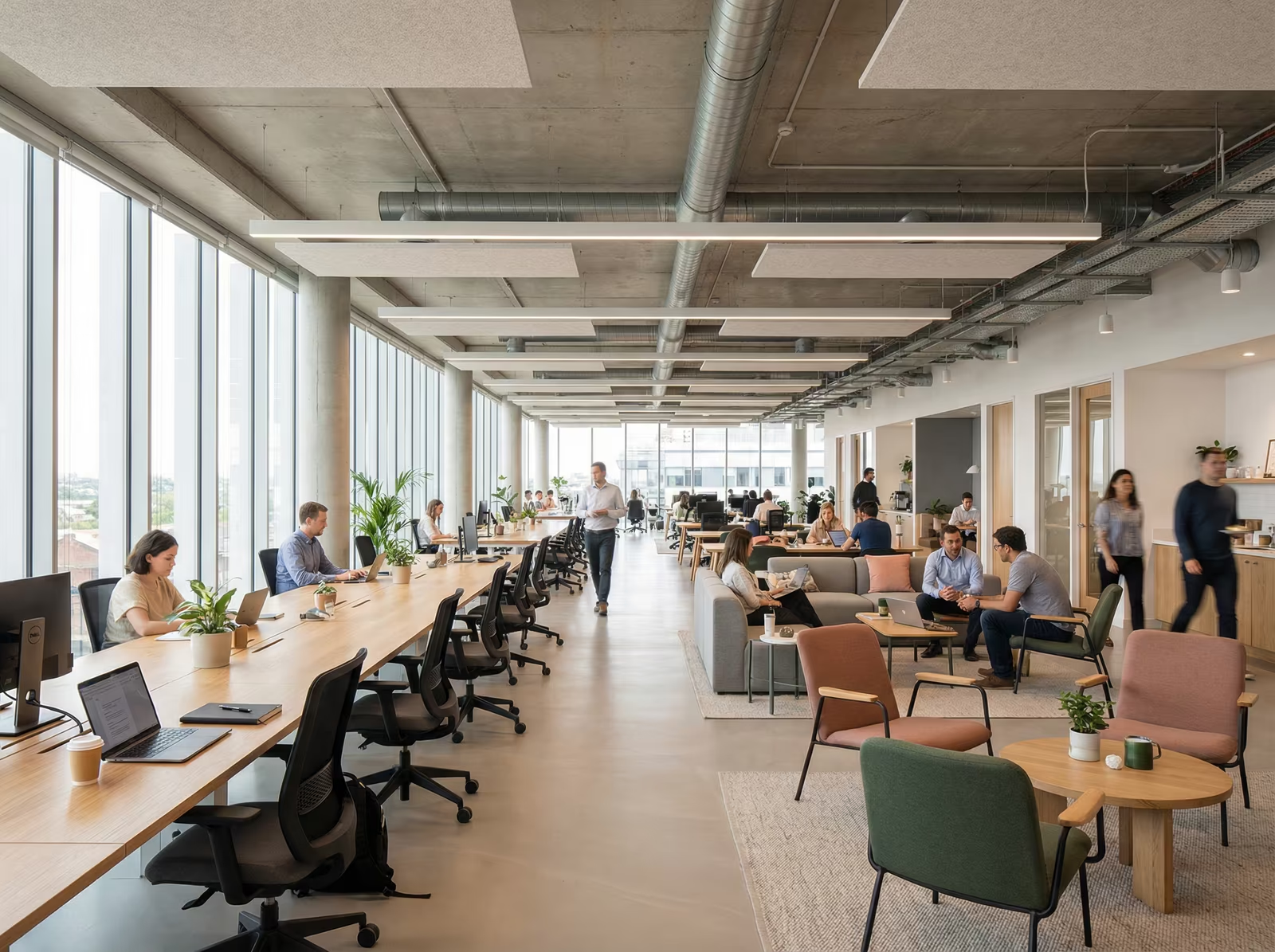
Als je wilt dat je bedrijf relevant en actueel blijft, is het logisch om werknemers een werkplek te bieden die hetzelfde doet. Een modern kantoor betekent meer dan een ruimte vol bureaus en stoelen. Het betekent een werkomgeving die is ontworpen om mensen te helpen hun beste werk te doen – of dat nu samenwerken met een team is, klanten ontmoeten of een uur geconcentreerd werken zonder onderbreking. De manier waarop we kantoorruimtes gebruiken is de afgelopen jaren snel veranderd, en bedrijven hebben de indeling, het meubilair en de technologie moeten aanpassen om met die veranderende behoeften mee te gaan.
Persy Booths werkt nauw samen met organisaties die deze uitdagingen in de praktijk tegenkomen. Een vroege les is dit: goed kantoorontwerp draait niet om het meeste geld uitgeven. Het gaat om slimme keuzes maken die functie en kosten in balans brengen. Het is gemakkelijk om te veel te investeren in apparatuur (inclusief premium akoestische oplossingen) terwijl je in werkelijkheid vooral de juiste mix van ruimtes, het juiste kantoormeubilair en een plan nodig hebt dat past bij hoe je medewerkers daadwerkelijk werken.
Belangrijkste inzichten uit dit artikel
- Een modern kantoor ondersteunt verschillende werkstijlen via flexibel kantoorontwerp, niet via een uniforme indeling.
- De meest effectieve werkomgeving combineert samenwerking met stille zones voor geconcentreerd werk.
- Natuurlijk licht, natuurlijke materialen en ergonomische bureaustoelen verbeteren comfort, houding en mentale gezondheid.
- Slimme functies zoals bezettingssensoren kunnen bedrijven helpen ruimte beter te plannen en ongebruikte vloeroppervlakte te verminderen.
- Merkidentiteit en esthetische keuzes bepalen hoe werknemers en klanten je werkplek ervaren.
Belangrijke principes van modern kantoorontwerp
Modern kantoorontwerp werkt meestal goed wanneer een aantal basisprincipes aanwezig is. Deze principes komen steeds terug, of je nu een thuiswerkplek vernieuwt of een volledige herinrichting van meerdere kantoorruimtes binnen een organisatie plant.
Functionele en flexibele indelingen
Een modern kantoor moet veel kunnen ondersteunen. Dezelfde verdieping moet vaak ruimte bieden aan stil individueel werk, spontane samenwerking, formele vergaderruimtes, touchdownplekken voor korte bezoeken en zones waar mensen even kunnen ontspannen. Daarom is flexibiliteit een belangrijke prioriteit.
In de praktijk betekent flexibiliteit dat de werkruimte kan veranderen zonder grote ingrepen. Verplaatsbare wanden en modulaire werkstations maken het eenvoudiger om een ruimte opnieuw in te delen wanneer teams groeien, projecten veranderen of aanwezigheidspatronen verschuiven. Een flexibele indeling helpt ook om rommel te voorkomen – wanneer opslag, kabelmanagement en looproutes goed zijn gepland, voelt de ruimte rustiger en professioneler aan.
Dit is ook belangrijk in kleinere omgevingen. In een compact kantoor of hybride werkomgeving kunnen het juiste thuiskantoormeubilair en zorgvuldig gekozen bureau-opties een werkplek creëren die doordacht aanvoelt in plaats van geïmproviseerd. Een goed plan benut elke hoek optimaal en houdt de werkomgeving comfortabel en functioneel.
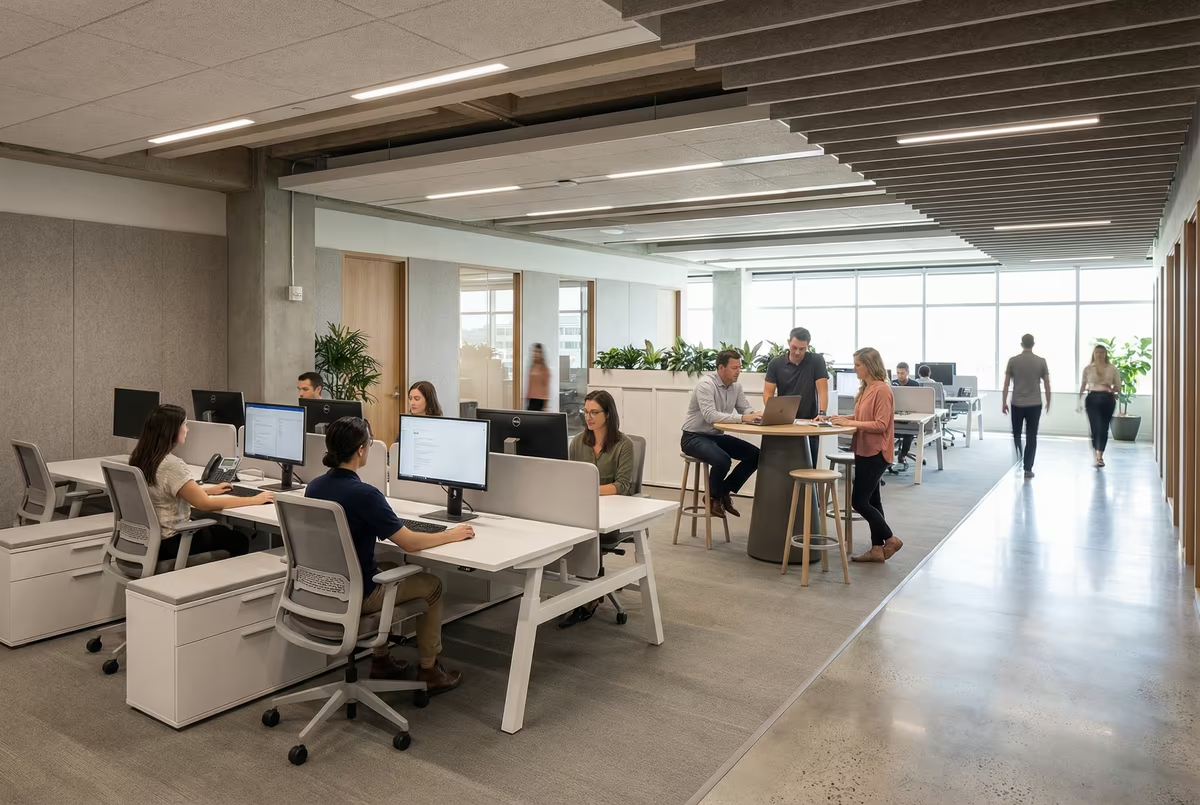
Balans tussen samenwerking en focus
Van de moderne werkplek wordt verwacht dat deze productiviteit stimuleert, maar dat betekent niet dat alles “open” moet zijn. Samenwerking is waardevol, maar constante geluiden en onderbrekingen zijn een veelvoorkomende reden waarom mensen moeite hebben zich te concentreren.
De oplossing is balans. Open samenwerkingszones werken het best wanneer ze naast rustigere zones liggen die bedoeld zijn voor geconcentreerd werk. Dat kan bestaan uit kleine ruimtes, bibliotheekachtige zones en akoestische ruimtes waar telefoongesprekken en diep concentratiewerk kunnen plaatsvinden zonder anderen te storen.
Hier kunnen afgesloten ruimtes helpen. Het toevoegen van een geluidsdichte telefoonbox voor kantoor geeft medewerkers bijvoorbeeld een betrouwbare plek voor privégesprekken, vertrouwelijke gesprekken of ongestoord werk – zonder dat muren moeten worden verplaatst of de flexibiliteit van de ruimte vermindert. Als het doel is om zowel teamwork als concentratie te ondersteunen, kunnen dit soort gerichte toevoegingen kostenefficiënter zijn dan een volledige herindeling van de verdieping.
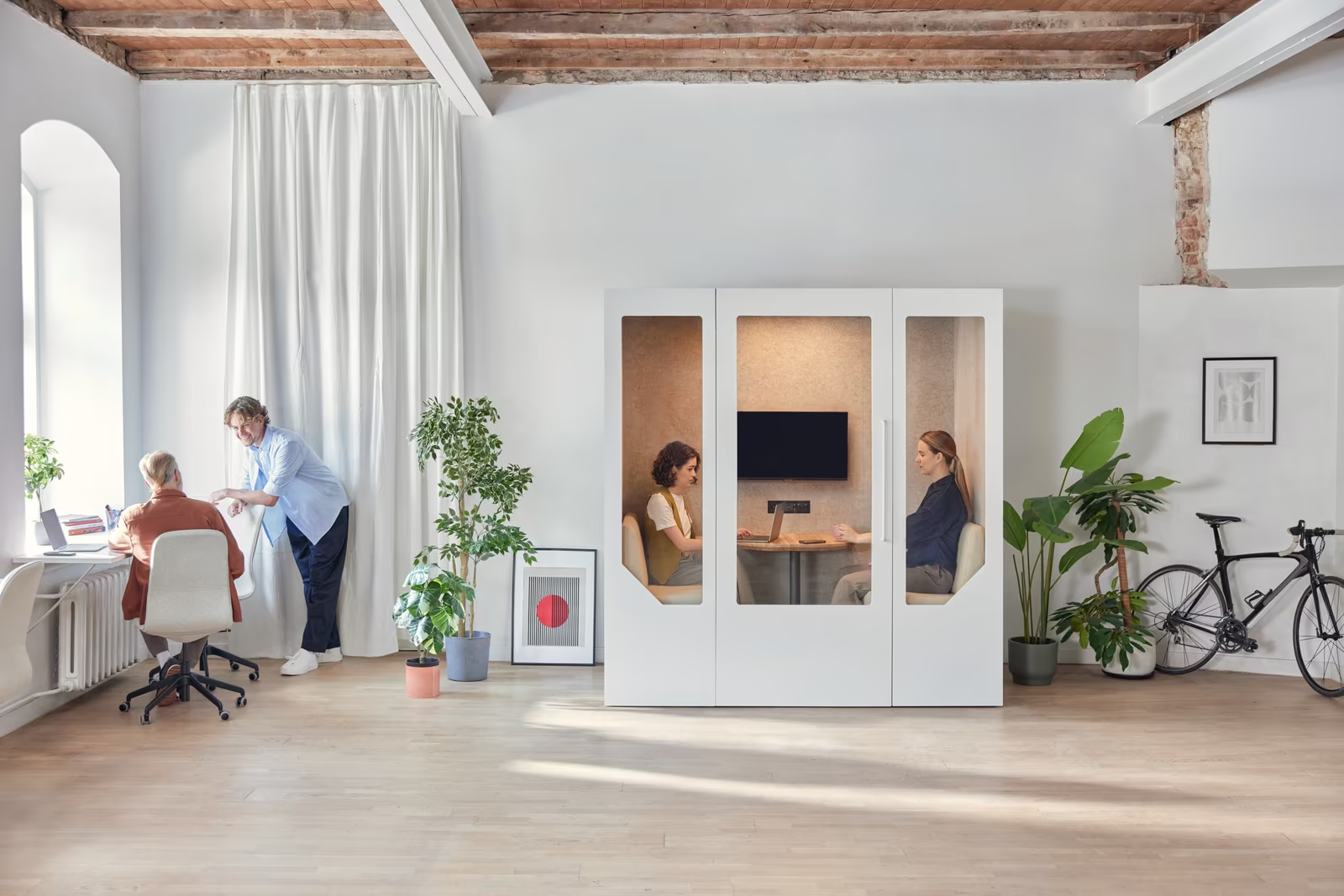
Ontwerp dat welzijn ondersteunt
Een modern kantoor moet de dagelijkse ervaring van mensen verbeteren, niet alleen er goed uitzien in een brochure. Welzijn is tegenwoordig essentieel en komt tot uiting in ergonomie, verlichting, akoestiek en comfort.
Begin bij houding en comfort. Ondersteunende bureaustoelen, geschikte zitoplossingen en verstelbare bureaus helpen mensen een betere houding te behouden en lichamelijke klachten te voorkomen die energie en concentratie verminderen. Kijk daarna naar de omgeving: schittering, slechte verlichting en constant achtergrondgeluid hebben allemaal invloed op mentale gezondheid en prestaties.
Het is ook belangrijk om te beseffen dat “welzijn” niet alleen draait om kantoorideeën zoals yogamatten en planten. Het gaat erom dat werknemers de juiste ruimte kunnen vinden voor de taak die voor hen ligt – of dat nu een teamvergadering is, een rustig uur om een project af te ronden of een moment om tussen gesprekken door even te resetten.
Trends in modern kantoorontwerp die hedendaagse werkplekken vormgeven
Trends zijn relevant wanneer ze echte veranderingen in werkgedrag weerspiegelen. De volgende kantoortrends worden breed toegepast omdat ze praktische problemen oplossen in het ontwerp van werkomgevingen en bedrijven helpen zich aan te passen aan veranderende behoeften.
Hybride werkplekken met flexibele indelingen
Hybride werken heeft veranderd hoe kantoorruimtes worden gebruikt. Veel organisaties hebben nu wisselende dagelijkse bezetting, waardoor dezelfde indeling moet functioneren wanneer het gebouw druk is én wanneer het rustiger is. Dit heeft modern kantoorontwerp verschoven richting flexibele “ecosystemen” van ruimtes in plaats van vaste zitplaatsen.
Verplaatsbare wanden en modulaire elementen spelen hier een belangrijke rol. Ze maken het mogelijk om ruimtes te creëren wanneer dat nodig is en ze later weer te openen. Ook vloerafwerking wordt bewuster ingezet – verschillende materialen of texturen kunnen zones definiëren (stil werken, samenwerking, sociale ruimtes) zonder overal fysieke barrières te plaatsen.
Om hybride werkpatronen te ondersteunen voegen veel bedrijven touchdownplekken toe: snelle, praktische werkstations voor mensen die slechts een paar uur op kantoor zijn en toegang, stroom en een comfortabele stoel nodig hebben zonder een vast bureau te claimen.
Biofiel en natuurgeïnspireerd ontwerp
Biofiel ontwerp is meer dan een esthetische keuze. Het is een reactie op stress, schermintensief werk en binnenomgevingen die vlak en vermoeiend kunnen aanvoelen. Natuurlijke materialen, groen en elementen die naar buiten verwijzen kunnen de stemming verbeteren en het kantoor menselijker maken.
Natuurlijk licht speelt hierbij een grote rol. De World Green Building Council wijst op bewijs dat daglicht, luchtkwaliteit en andere binnenomgevingsfactoren samenhangen met welzijn en prestaties. Het integreren van voldoende natuurlijk licht in kantoorontwerp is een van de meest consistente verbeteringen die je kunt doorvoeren.
Zelfs wanneer een ruimte weinig ramen heeft, kunnen ontwerpkeuzes zoals lichtere oppervlakken, reflecterende materialen en een slimme indeling helpen om licht beter over de verdieping te verspreiden.
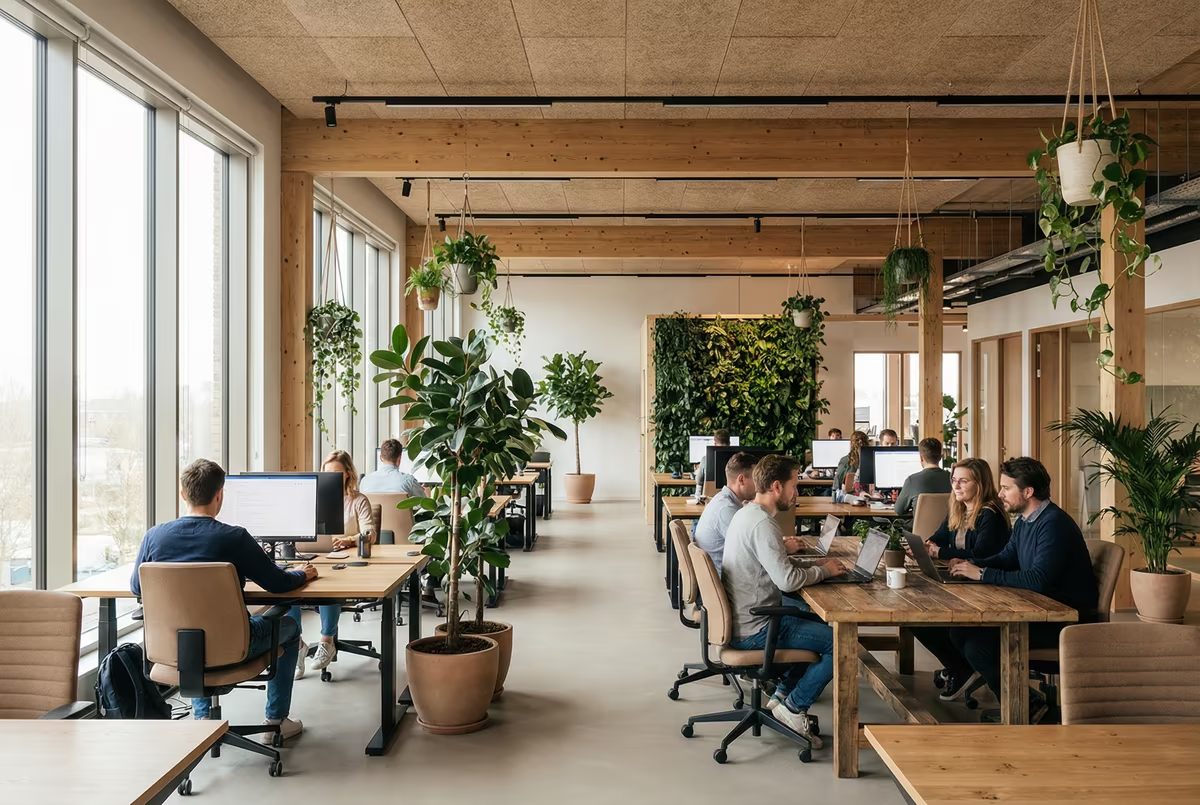
Op welzijn gericht kantoorontwerp
Welzijnsgericht ontwerp kijkt naar de volledige ervaring – niet alleen hoe een ruimte eruitziet, maar ook hoe het voelt om er te werken. Dat omvat ergonomie, akoestiek, verlichting, temperatuur en zelfs de vraag of medewerkers controle hebben over waar en hoe ze werken.
Akoestiek is vaak het ontbrekende element. Open kantoren kunnen een constant niveau van lichte afleiding creëren dat de concentratie langzaam ondermijnt. Als je wilt begrijpen hoe geluid concentratie en stress beïnvloedt, is de gids van Persy Booths over kantoorakoestiek een nuttige referentie bij het plannen van stille zones en realistische verwachtingen.
Voor kleine vergaderingen of samenwerking met twee personen kan een telefoonbox voor kantoor voor twee personen een praktische manier zijn om privacy te bieden zonder nieuwe ruimtes te bouwen. Het is ook eenvoudig schaalbaar – je kunt er één plaatsen, observeren hoe deze wordt gebruikt en later uitbreiden als er meer vraag ontstaat.
Duurzame en milieubewuste materialen
Duurzaamheid maakt steeds vaker deel uit van kantoorontwerp – en het is meer dan een label. Het kiezen van duurzame materialen, repareerbaar meubilair en leveranciers met transparante herkomst kan afval verminderen en voorkomen dat meubels vaak moeten worden vervangen.
Natuurlijke materialen spelen hierbij vaak een rol. Hout, wolmengsels en andere verantwoord verkregen afwerkingen kunnen een warmere uitstraling geven en tegelijkertijd duurzaamheidsdoelen ondersteunen. Zelfs eenvoudige beslissingen – zoals investeren in kwalitatieve stoelen die lang meegaan of modulaire systemen die opnieuw kunnen worden geconfigureerd – hebben op lange termijn een groot effect.
Sterke esthetische keuzes en branding
Kantoorontwerp is steeds vaker een zichtbaar onderdeel van merkidentiteit. Klanten merken het. Werknemers merken het. En sollicitanten zeker ook.
Veel kantoren gebruiken een aantal duidelijke elementen om herkenbaarheid te creëren: een kenmerkende kleur, een opvallende wand, een unieke receptiebalie of een consistente ontwerptaal in vergaderruimtes en gedeelde ruimtes. Het doel is niet om luid te zijn, maar om bewust te ontwerpen. Een duidelijke esthetiek maakt de werkplek coherenter en versterkt de dagelijkse ervaring van werknemers en bezoekers.

Technologie geïntegreerd in de ruimte
Technologie staat niet langer los van de werkruimte – ze vormt die. De kantoorervaring van de jaren 2020 is afhankelijk van betrouwbare videogesprekken, eenvoudig te gebruiken vergaderruimtes en tools die dagelijkse werkzaamheden soepeler laten verlopen.
Bezettingssensoren worden steeds vaker gebruikt omdat ze bedrijven inzicht geven in hoe kantoorruimtes daadwerkelijk worden gebruikt. Die data kan helpen bij planningsbeslissingen – bijvoorbeeld of er meer stille ruimtes nodig zijn, minder vaste bureaus of betere toegang tot samenwerkingszones.
Hospitality-geïnspireerd kantoorontwerp
Kantoren met inspiratie uit de hospitalitysector gebruiken elementen uit lounges, hotels en cafés: zachtere zitmeubels, warmere verlichting en ruimtes die uitnodigend aanvoelen in plaats van institutioneel.
Deze trend draait niet om het kantoor simpelweg “gezellig” maken. Het gaat om erkennen dat een werkplek ook een sociale omgeving is. Een goed ontworpen gedeelde ruimte kan de onderlinge verbondenheid versterken en samenwerking natuurlijker maken. Tegelijkertijd verbetert het de ervaring voor klanten en bezoekers.
Een modern kantoor inrichten
Meubilair kan een kantoor maken of breken. Het juiste kantoormeubilair ondersteunt comfort en productiviteit. Verkeerde keuzes zorgen voor rommel, een slechte houding en een werkplek die er op foto’s stijlvol uitziet maar in de praktijk onhandig aanvoelt.
Functioneel meubilair voor dagelijks werk
Begin met de basis: bureaus die passen bij het type werk, bureaustoelen die een goede houding ondersteunen en opslag die voorkomt dat oppervlakken vollopen met spullen. Kabelmanagement wordt vaak over het hoofd gezien, maar heeft veel invloed op hoe professioneel een ruimte aanvoelt. Wanneer kabels overal zichtbaar zijn, kan zelfs een hoogwaardige inrichting rommelig ogen.
Denk na over hoe werknemers daadwerkelijk werken. Hebben ze grotere schermen nodig? Meer tafelruimte? Stille zones? Gedeelde werkstations? Het beste meubelplan ondersteunt de werkomgeving als geheel, niet alleen individuele voorkeuren.
Inrichting van kleine moderne kantoren
In kleinere ruimtes moet meubilair vaak meerdere functies vervullen. Een bureau kan bijvoorbeeld geïntegreerde opslag nodig hebben. Een vergaderruimte kan flexibele zitplaatsen vereisen die snel verplaatst kunnen worden. Hoeken moeten doelgericht worden gebruikt – niet als opslagplek, maar als functionele zones zoals een compacte touchdownplek, een kleine focuszone of een opslagwand.
Dit geldt ook voor thuiswerken. Een goed gekozen thuiswerkbureau en geschikt thuiskantoormeubilair kunnen de productiviteit aanzienlijk verbeteren, vooral wanneer de thuiswerkplek regelmatig wordt gebruikt.
Materialen en afwerkingen per zone
Verschillende zones vragen om verschillende afwerkingen. Drukbezochte gebieden profiteren van duurzame oppervlakken. Stille zones voelen vaak prettiger met zachtere materialen die geluid absorberen. Samenwerkingszones gebruiken meestal robuustere afwerkingen die beweging en herinrichting aankunnen.
Natuurlijke materialen kunnen warmte toevoegen aan de werkplek, maar ze moeten strategisch worden ingezet. Het doel is materialen te koppelen aan functie – niet om overal dezelfde stijl toe te passen ongeacht het gebruik van de ruimte.
Materialen, kleuren en oppervlakken
Kleuren en materialen beïnvloeden gedrag meer dan vaak wordt gedacht. Neutrale kleuren ondersteunen rust en concentratie, terwijl sterkere tinten samenwerking kunnen stimuleren en merkidentiteit kunnen versterken. Moderne kantoren gebruiken vaak contrast om zones te definiëren: rustige tinten voor geconcentreerd werk en krachtigere accenten voor gedeelde ruimtes.
Ook oppervlakken spelen een rol. Glanzende afwerkingen kunnen schittering veroorzaken. Donkere afwerkingen kunnen ruimtes kleiner laten lijken. Een gebalanceerd kleurenpalet – gecombineerd met goed verdeeld natuurlijk licht – kan zelfs een bescheiden verdieping ruimer en professioneler laten aanvoelen.
De meest effectieve ontwerpkeuzes zijn vaak eenvoudig: visuele ruis verminderen, rommel beperken, materialen kiezen die prettig aanvoelen en ervoor zorgen dat de ruimte de mensen ondersteunt die er werken.
Technologie en de moderne kantoorervaring
Moderne kantoren worden steeds vaker “gemeten” omgevingen. Technologie helpt teams samenwerken en helpt managers begrijpen wat werkt. Boekingssystemen verminderen conflicten rond vergaderruimtes. Goede AV-opstellingen besparen tijd. Bezettingssensoren helpen bedrijven de juiste mix van ruimtes te plannen in plaats van te gokken.
Technologie beïnvloedt ook privacy en concentratie. Veel mensen hebben thuis een bureau in een stille kamer – maar dat is meestal niet het geval bij werkplekken in open kantoren. Als je kantoor veel videogesprekken heeft, zijn ruimtes nodig die daarvoor ontworpen zijn. Een akoestische cabine voor teamvergaderingen kan een afgesloten ruimte creëren zonder ingrijpende verbouwing, net zoals elke geluidsdichte cabine die Persy Booths ontwerpt. Voor individuen die een rustige plek nodig hebben om zich te concentreren, kan een akoestische cabine voor individueel werk dat “deur dicht”-gevoel bieden in een open kantoor, zoals bij elke geluidsdichte cabine van Persy Booths.
Als je de voordelen van open kantoren afweegt tegen concentratieproblemen, is de gids van Persy Booths over open kantoren een nuttige referentie – vooral wanneer je een indeling wilt ontwerpen die zowel samenwerking als focus ondersteunt.
Is een modern kantoor geschikt voor jouw bedrijf?
Een moderne kantoorstijl past goed bij organisaties die hun werkplek willen afstemmen op hoe mensen vandaag daadwerkelijk werken. Als teams regelmatig samenwerken, privéruimtes nodig hebben voor gesprekken, hybride werken of klanten ontvangen, kan een eigentijds kantoorontwerp een meetbaar verschil maken. Het Gensler Research Institute meldt zelfs dat veel werknemers de dag liever op kantoor doorbrengen dan thuiswerken. Het gaat niet alleen om contact met collega’s: het is ook een plek waar beter werk kan worden gedaan.
De beslissing komt neer op een paar vragen:
- Hebben werknemers ruimtes voor zowel geconcentreerd werk als samenwerking?
- Vermindert je werkplek frictie (geluid, gebrek aan ruimtes, slechte indeling) of creëert ze die juist?
- Plan je voor veranderende behoeften, of probeer je het kantoor vast te zetten in een structuur die snel veroudert?
- Weerspiegelt de werkomgeving je merkidentiteit voor klanten en opdrachtgevers?
Je hebt geen perfect kantoor nodig. Je hebt een kantoor nodig dat doordacht, coherent en flexibel genoeg is om te blijven werken terwijl je bedrijf verandert.
FAQs
.avif)
Gedreven venture- en business developer met ervaring in zowel startups als corporate omgevingen. Combineert commerciële focus met aandacht voor klantbehoeften.