Librarians are lucky people. Apart from the occasional gentle flutter of a turning page, they work in blissful silence. But the rest of us have to put up with something that not only annoys us but also impacts on our ability to get the job done: distractions.
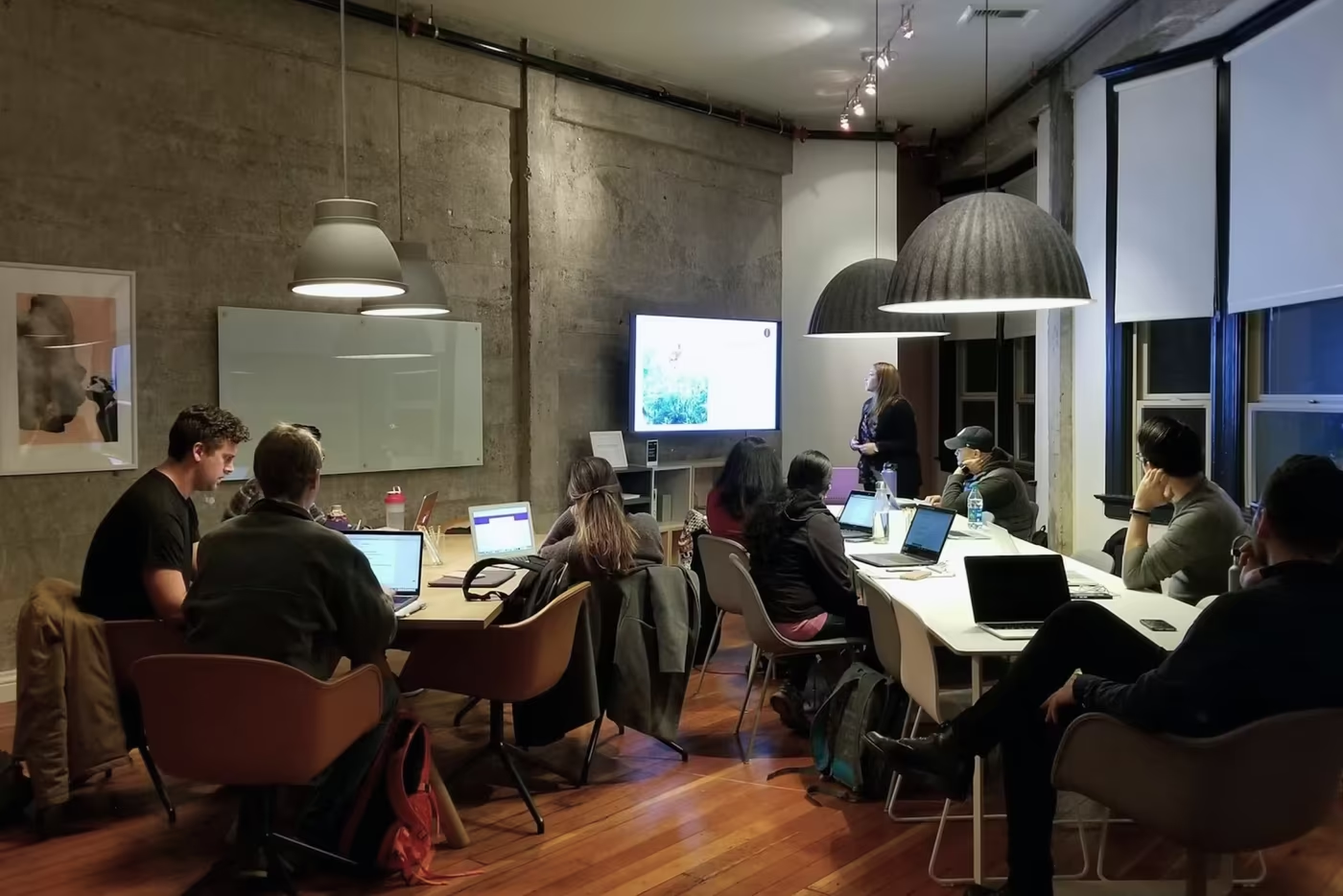
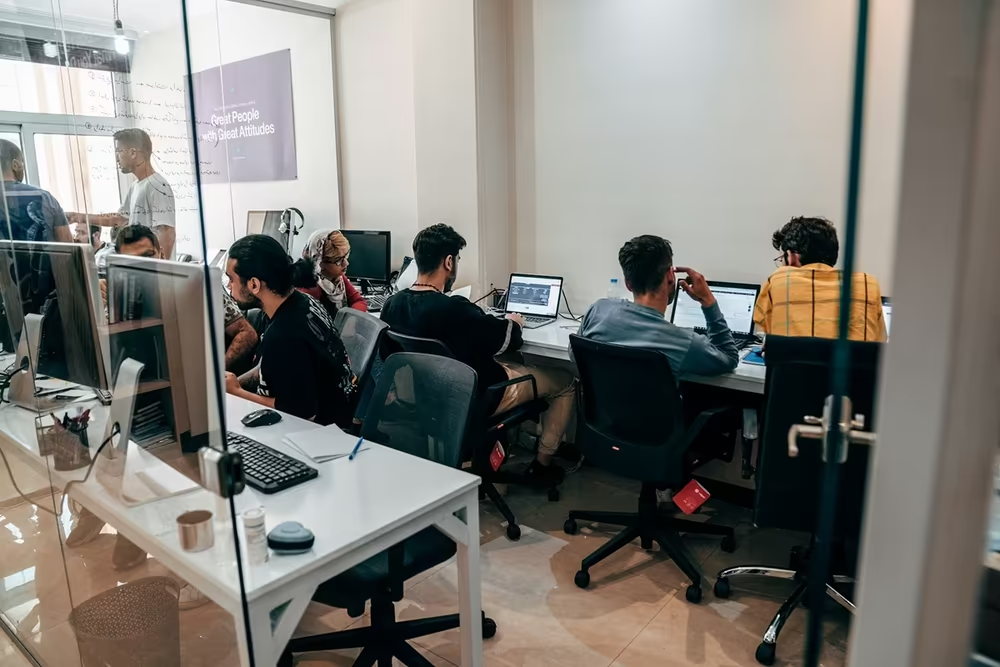
Modern offices are full of distractions at work – from chatty colleagues and buzzing phones to constant notifications. In an era of hybrid and remote work, keeping your workplace productivity high can feel like swimming against the current. These workplace distractions don’t just interrupt; they reshape our ability to stay focused, make decisions, and deliver high-quality results.
As companies aim for the perfect hybrid working environment, they need to deal with this problem. Research by JLL showed that most workers found the home environment more conducive to focused work - and more than a quarter said the reason was excessive office noise.
Ironically, office distractions are good for business here at Persy Booths. As a leading specialist in soundproof pods for offices we offer focus-friendly spaces that help solve the problem. But we also talk to lots of customers about the wider problem of why employees get distracted, and the many ways they can solve the problem (without spending too much money). So we thought it would be useful to share some of the knowledge...
Key takeaways from this article
- The top ten common workplace distractions – from cell phones to chatty coworkers.
- How these office distractions directly affect employee productivity and well-being.
- Practical, affordable ways to create a distraction-free workplace.
- The science behind task switching, interruptions, and lost focus time.
- Simple, evidence-based techniques to boost productivity and manage distractions.
What Are the Major 10 Distractions at Work?
In the modern workplace, distractions are everywhere – but some cause far more damage than others and employees often lose significant productive time to interruptions and task switching. Here are ten of the most common distractions affecting office workers today.
1. Office Noise and Open-Plan Environments
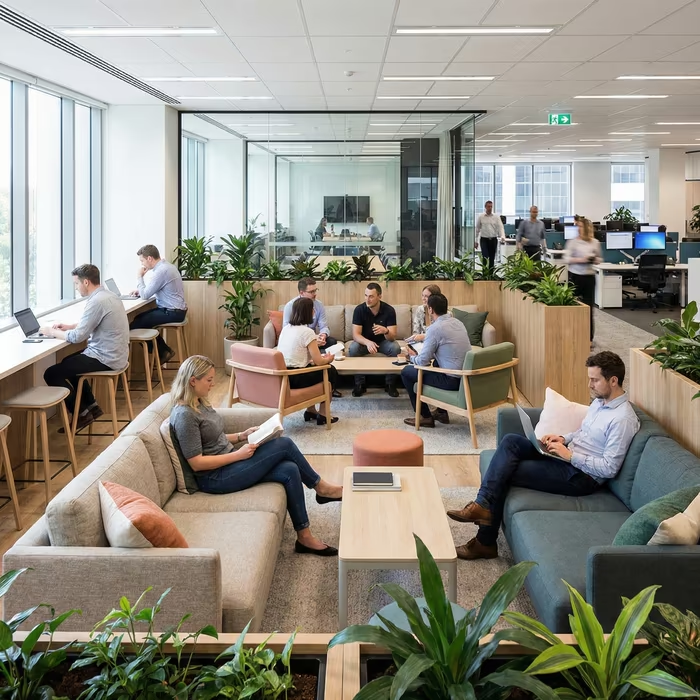
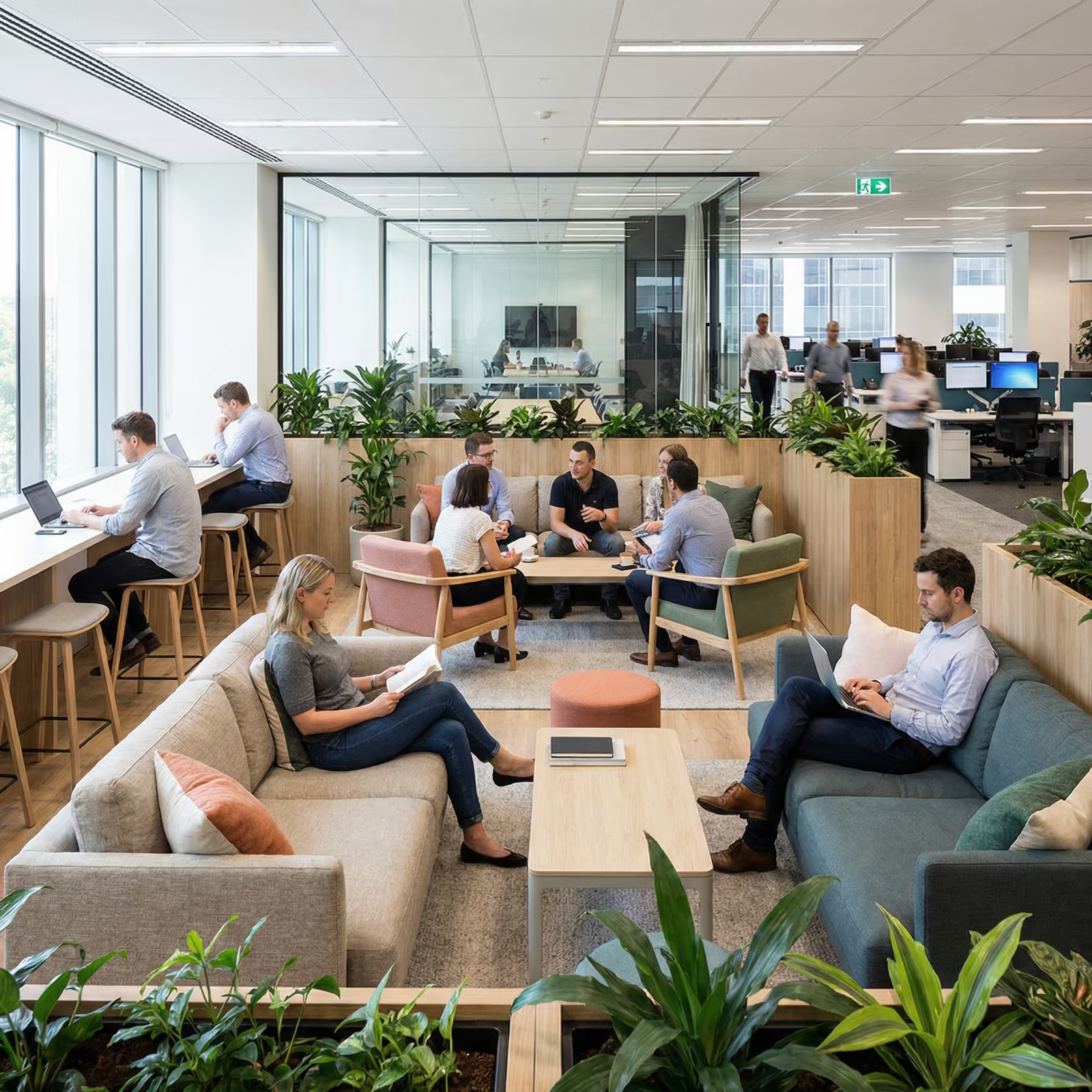
Background chatter, office equipment and general bustle are among the biggest workplace distractions in open-plan layouts. Open designs may promote collaboration but can significantly reduce privacy and concentration without effective noise management. Acoustic panels, quiet zones and soundproof pods can help employees manage distractions and restore focus.

2. Digital Distractions
Between social media, emails and work-related notifications, digital tools often pull attention in multiple directions. Constant digital interruptions disrupt workflows and impair deep focus, making digital distraction one of the most pervasive productivity challenges in the modern workplace.
3. Cell Phone Use
Cell phones contribute heavily to lost focus, with frequent checks for messages and alerts breaking attention. Even brief glances at notifications initiate a cycle of context switching, which increases error rates and extends task completion times. Setting clear boundaries and company policies on personal phone use during work hours helps limit distractions.
4. Inefficient Meetings
Many employees find that poorly structured meetings fragment their day. When meetings lack clear agendas or outcomes, they can become one of the largest drains on a team’s time. Keeping meetings short, assigning actions and defining clear objectives ensures that discussions are productive rather than disruptive.
5. Chatty Colleagues
Friendly co-workers can build morale, but excessive socialising during deep-work periods can make employees waste hours of focus time. These unplanned workplace interactions often derail momentum and interrupt task flow. Creating designated “social zones” helps maintain a balance between community and concentration.
6. Office Gossip
Beyond occasional chats, constant gossip can increase stress levels and decrease productivity. A workplace culture that encourages transparency, respect and positivity helps reduce this form of distraction while improving overall well-being.
7. Background Sounds
Even low-level sounds – such as air conditioning units, ringing phones and filing cabinets – can create physical distractions. While complete silence is rarely achievable, noise-cancelling headphones, sound-absorbing materials, and ideas from "Does furniture absorb sound" are cost-effective ways to minimise the problem.
8. Remote Work Interruptions
For remote workers, certain spaces at home can become major distractions. Household noise, deliveries or family interruptions can all affect concentration. Setting clear boundaries, establishing a defined work zone and using time trackers to monitor time spent can restore structure and focus.
9. Notification Overload
Modern collaboration tools keep teams connected but also create notification fatigue. Constant pings and alerts trigger frequent task switching and reduce the capacity for sustained focus. Encouraging employees to batch communications or use do-not-disturb periods can help manage these digital interruptions.
10. Poor Work-Life Balance
When personal life pressures spill into the workday, focus plummets. Fatigue, burnout and lack of enough rest make it harder to avoid distractions. Encouraging short breaks, healthy routines and proper rest can protect both productivity and well-being.
Effects of Distractions on Productivity
Every interruption has a measurable cost. Frequent interruptions not only break flow – the state of deep focus – but also trigger switch costs, where the brain must reorient to the task after each break. The cumulative effect is often greater than most managers realise. Here are some of the most common effects employees find result from frequent interruptions:
- Decreased productivity – repeated context switching fragments focus and extends task time.
- Reduced quality – errors increase when attention is divided or interrupted.
- Heightened stress – frequent switching elevates stress levels and mental fatigue.
- Lower well-being – frustration and burnout develop when interruptions become the norm.
- Less creativity – deep work and idea generation suffer if people have trouble concentrating.
Let's take a scenario. A colleague interrupts you to ask a quick question, and you respond within seconds. Harmless, right? But the truth is that common distractions like this rob you of more than a minute's productivity. A study conducted by the University of California Irvine reveals it typically takes us much longer to refocus after distractions and regain our previous level of concentration. The number they arrived at for the average employee was 23 minutes and 15 seconds to refocus on the job in hand after an interruption. That’s a long time. Scientists call it the “cognitive switching penalty”, and it can make a huge difference to the amount of work that gets done every day in your office.

How to Reduce Distractions at Work
It’s impossible to eliminate every workplace distraction – but there are effective ways to minimise distractions through design, habits and tools.
Create Focus-Friendly Spaces
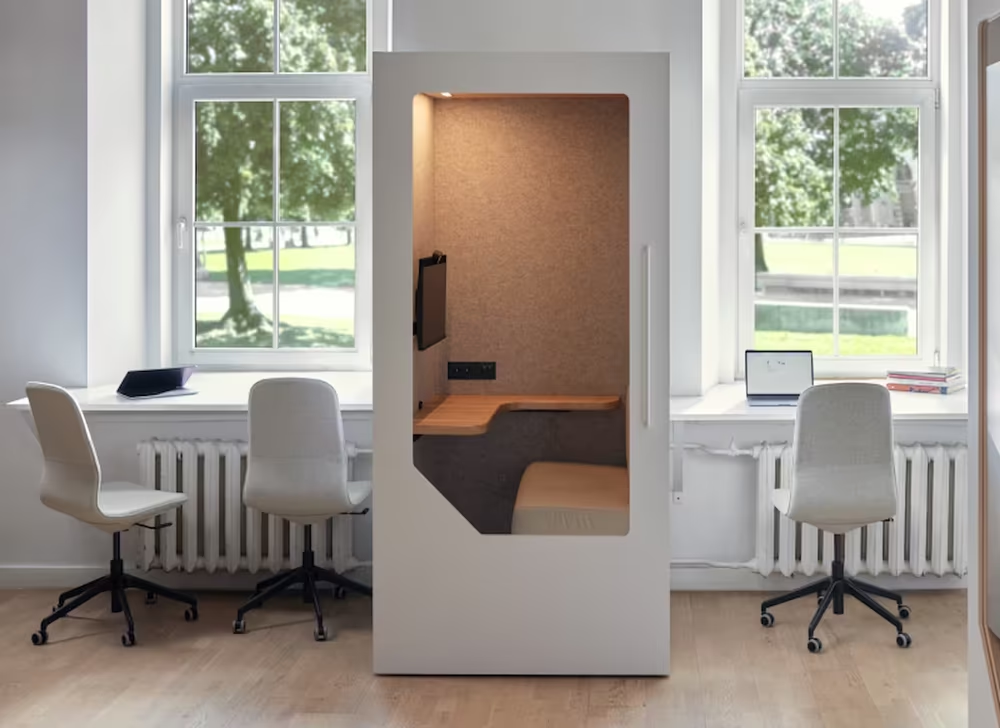
Thoughtful workspace design can dramatically decrease interruptions. Quiet zones, acoustic treatments and office pods help manage noise without expensive overhauls. These solutions balance acoustic performance with cost-effective practicality.
Manage Digital Interruptions
Turn off non-essential notifications, use focus modes and schedule dedicated blocks for email and message checking. These simple adjustments reduce compulsive task switching and support longer periods of concentration.
Block Time for Deep Work
Encourage team members to reserve uninterrupted time blocks for priority tasks. When an organisation respects these focus periods, both productivity and morale rise.
Support Healthy Work Habits
Regular breaks – short walks, mindful pauses or snack breaks – boost energy and mental clarity. The Pomodoro technique, which alternates focus periods with short breaks, is a practical method to maintain motivation and avoid burnout.
Balance Open and Private Areas
Blending open collaboration areas with enclosed spaces for focus work allows flexibility. Different tasks require different environments, and a balanced layout reduces the overall rate of distraction at work.
Conclusion
Distractions are inevitable in today’s dynamic environments – but they don’t have to derail performance. By understanding the biggest culprits, shaping a supportive culture and adopting science-backed strategies, organisations can limit distractions and improve both productivity and well-being.
Here at Persy Booths, we play our part too. We know our customers often have meagre budgets to deal with, so we ensure that our soundproof pods deliver maximum performance for the money. What's more, we sell direct thus helping customers avoid expensive reseller markups. Practical solutions like these make distraction management both achievable and affordable.
FAQ
.avif)
Passionate, progress-driven venture & business developer with startup and corporate experience. I speak business, while keeping customers in my heart.