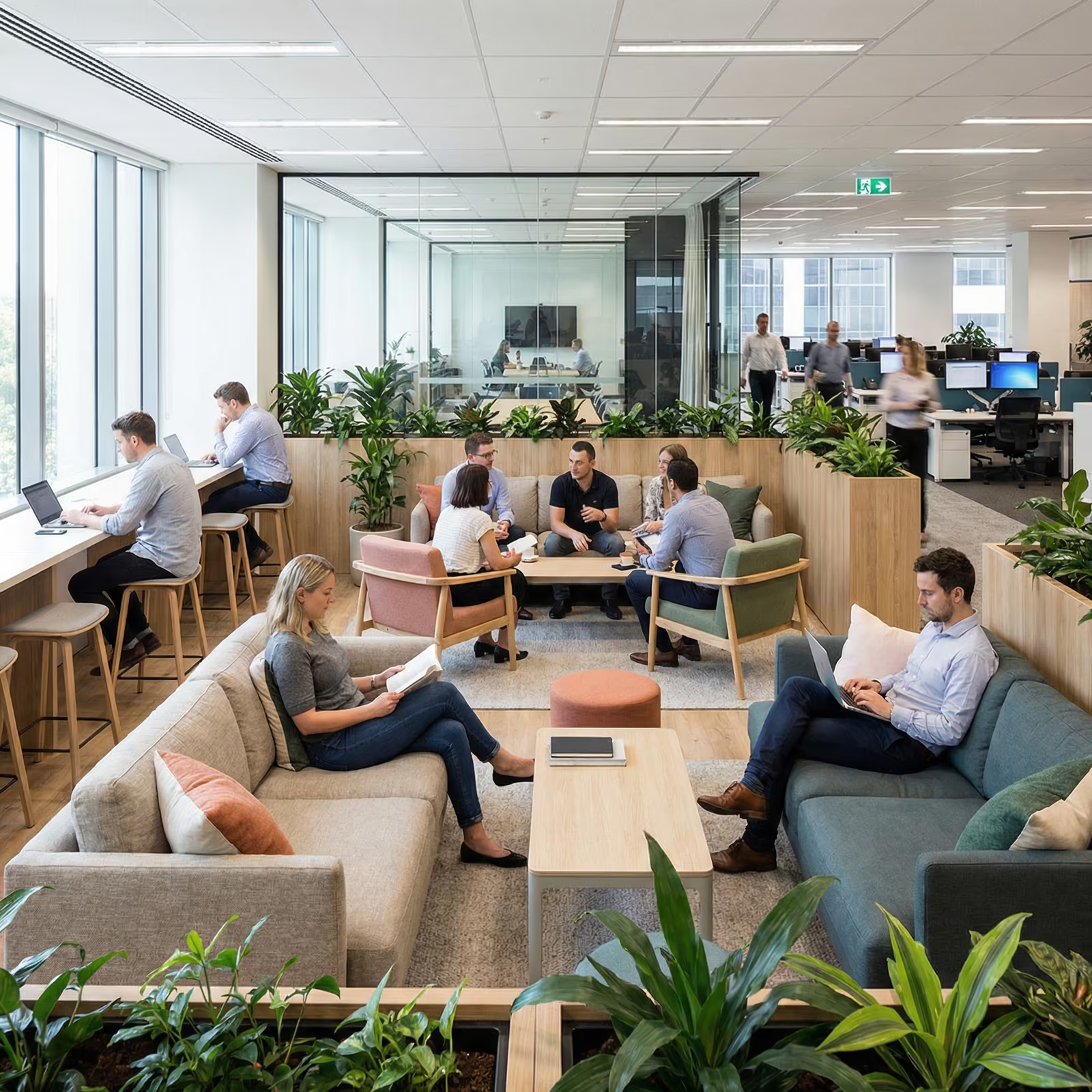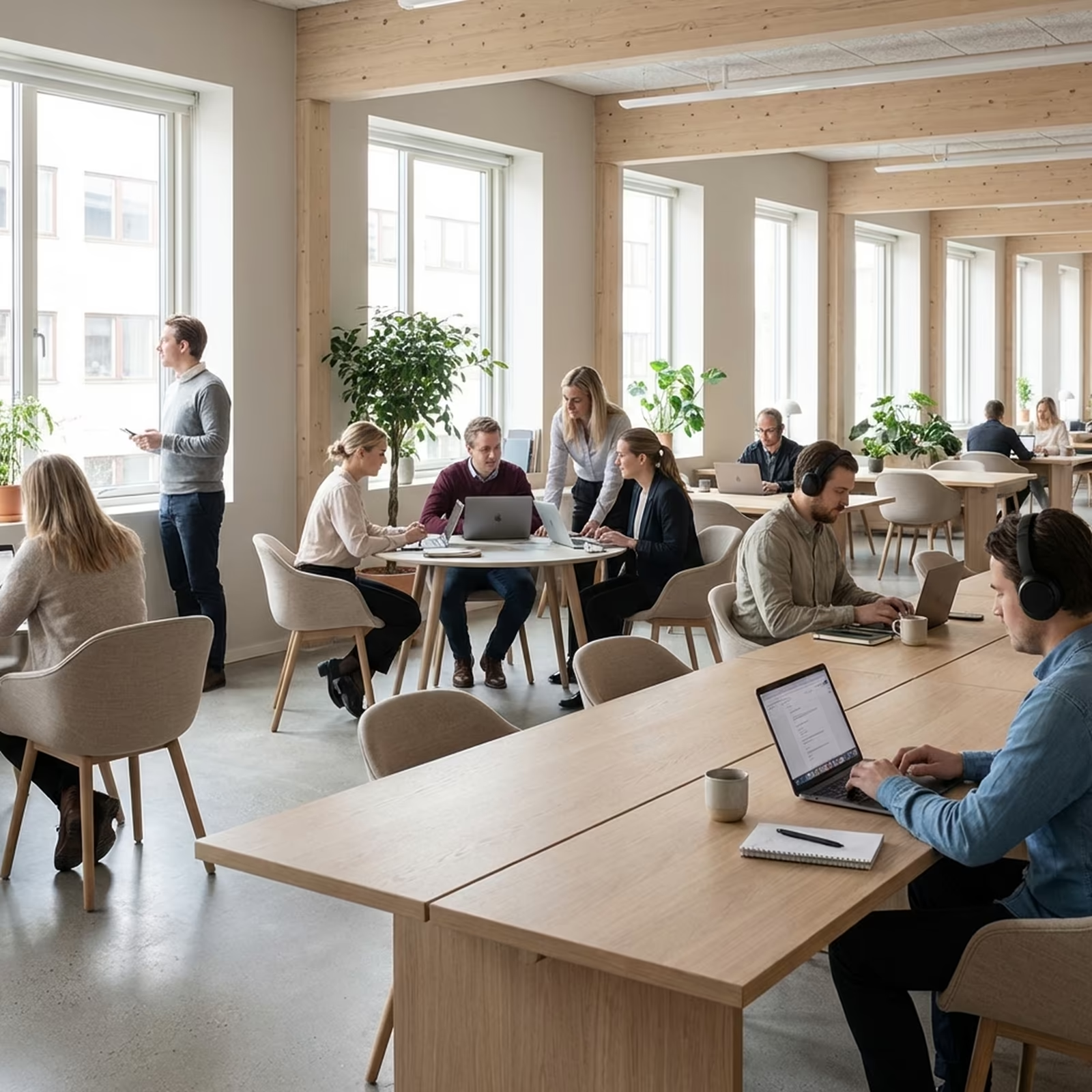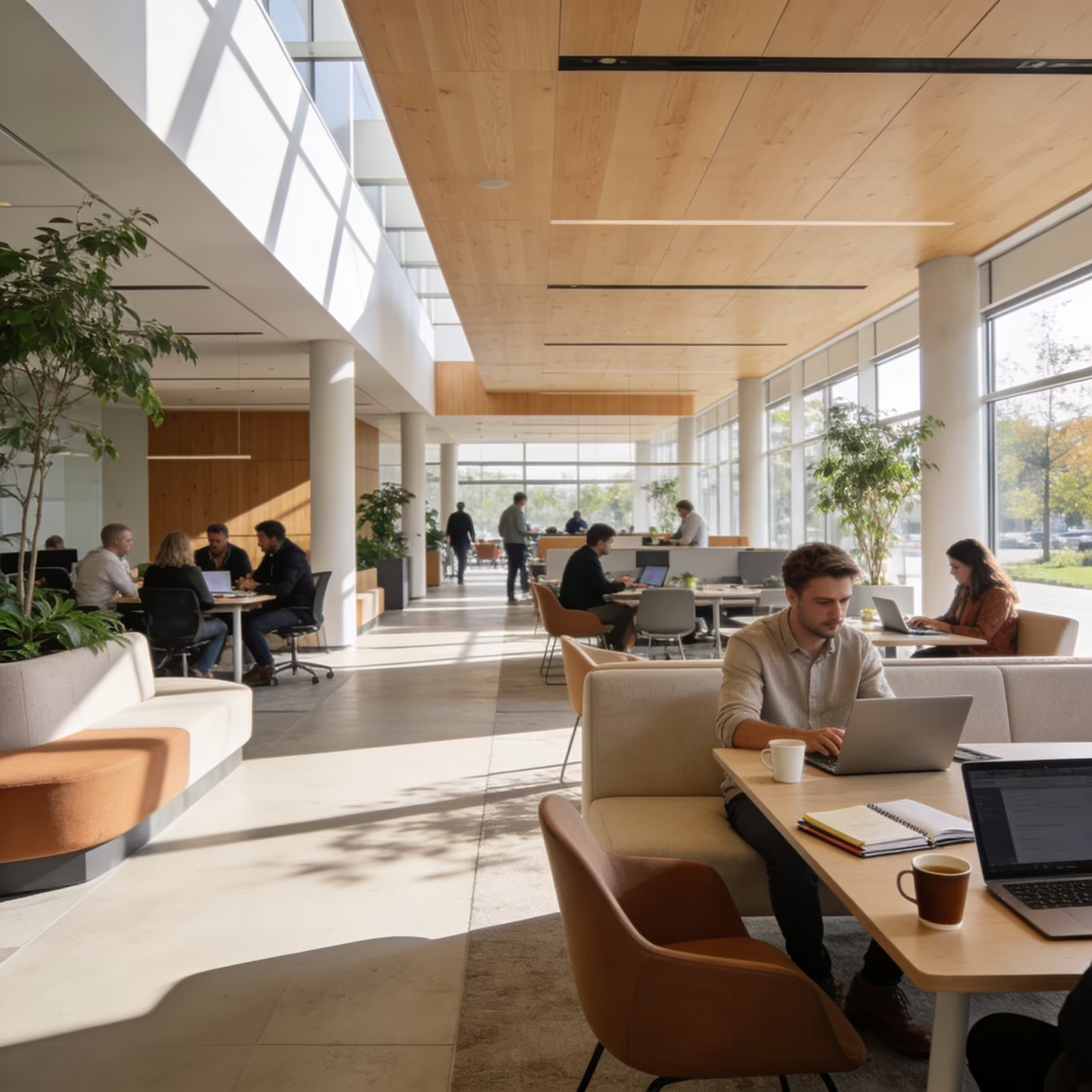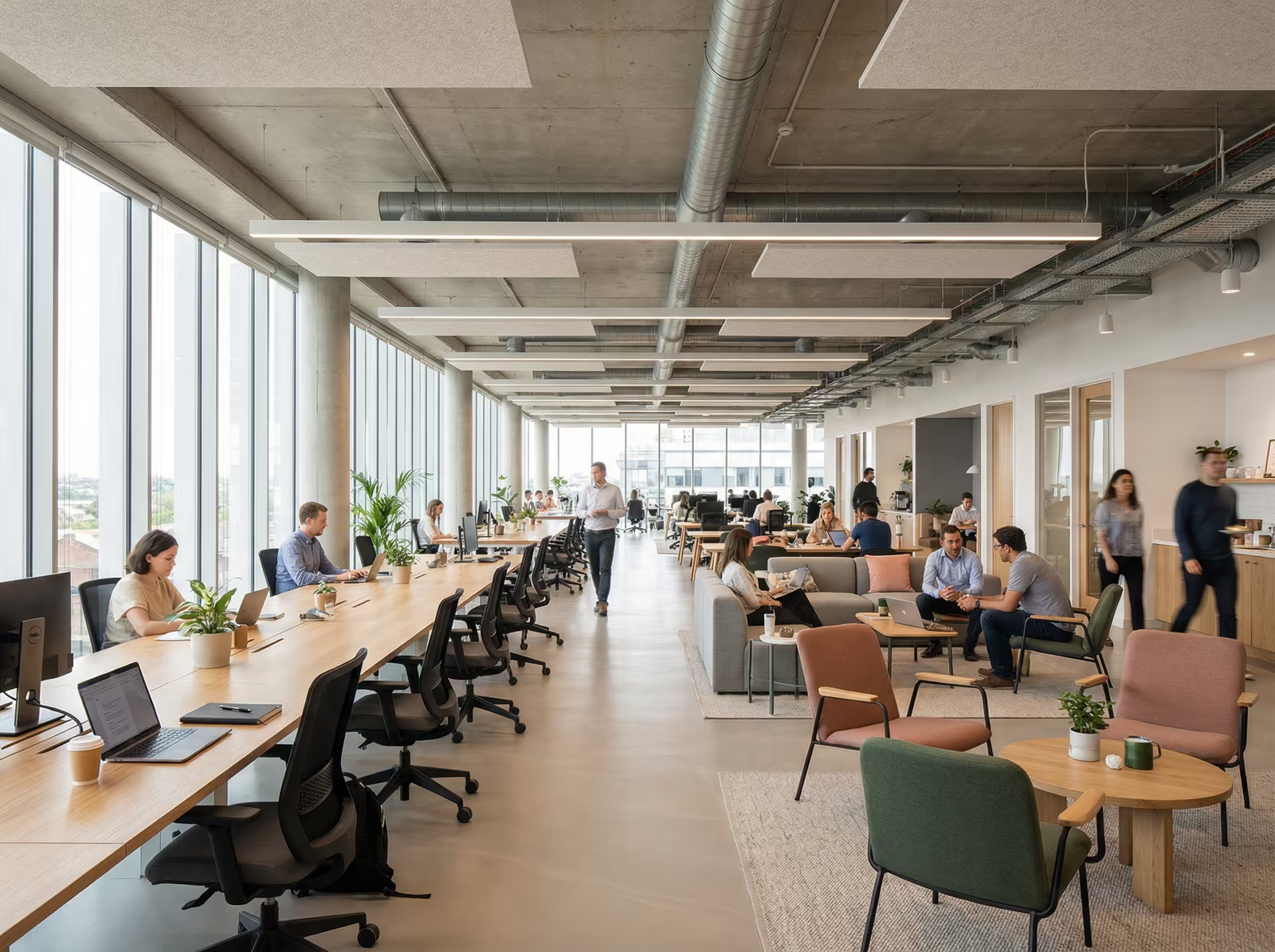
Wenn Ihr Unternehmen relevant und auf dem neuesten Stand bleiben soll, ist es sinnvoll, Mitarbeitenden einen Arbeitsplatz zu bieten, der denselben Anspruch erfüllt. Ein modernes Büro bedeutet mehr als einen Raum voller Schreibtische und Stühle. Es bedeutet eine Arbeitsumgebung, die darauf ausgelegt ist, Menschen dabei zu helfen, ihre beste Arbeit zu leisten – sei es bei der Zusammenarbeit im Team, bei Kundengesprächen oder bei einer Stunde konzentrierter Arbeit ohne Unterbrechung. In den letzten Jahren hat sich die Art und Weise, wie wir Büroflächen nutzen, schnell verändert, und Unternehmen mussten Layout, Möbel und Technologie anpassen, um mit den sich wandelnden Anforderungen Schritt zu halten.
Persy Booths arbeitet eng mit Organisationen zusammen, die diese Herausforderungen aus erster Hand angehen. Eine frühe Erkenntnis ist dabei: Gutes Bürodesign bedeutet nicht, möglichst viel Geld auszugeben. Es geht darum, kluge Entscheidungen zu treffen, die Funktion und Kosten in Balance halten. Man investiert leicht zu viel in Ausstattung – einschließlich hochwertiger Akustiklösungen –, obwohl eigentlich die richtige Mischung aus Räumen, passenden Büromöbeln und einem Plan gebraucht wird, der zur tatsächlichen Arbeitsweise der Mitarbeitenden passt.
Die wichtigsten Erkenntnisse aus diesem Artikel
- Ein zeitgemäßes Büro unterstützt unterschiedliche Arbeitsstile durch flexibles Bürodesign statt durch ein Einheitslayout.
- Die effektivste Arbeitsumgebung bringt Zusammenarbeit und ruhige Zonen für konzentriertes Arbeiten in ein Gleichgewicht.
- Natürliches Licht, natürliche Materialien und ergonomische Bürostühle verbessern Komfort, Haltung und mentale Gesundheit.
- Smarte Funktionen wie Belegungssensoren helfen Unternehmen, Flächen besser zu planen und ungenutzte Bereiche zu reduzieren.
- Markenidentität und ästhetische Entscheidungen prägen, wie Mitarbeitende und Kunden Ihren Arbeitsplatz wahrnehmen.
Grundprinzipien modernen Bürodesigns
Modernes Bürodesign funktioniert meist dann gut, wenn einige Grundlagen stimmen. Diese Prinzipien zeigen sich immer wieder – unabhängig davon, ob Sie einen Homeoffice-Arbeitsplatz auffrischen oder eine vollständige Renovierung mehrerer Büroflächen in einem Unternehmen planen.
Funktionale und flexible Layouts
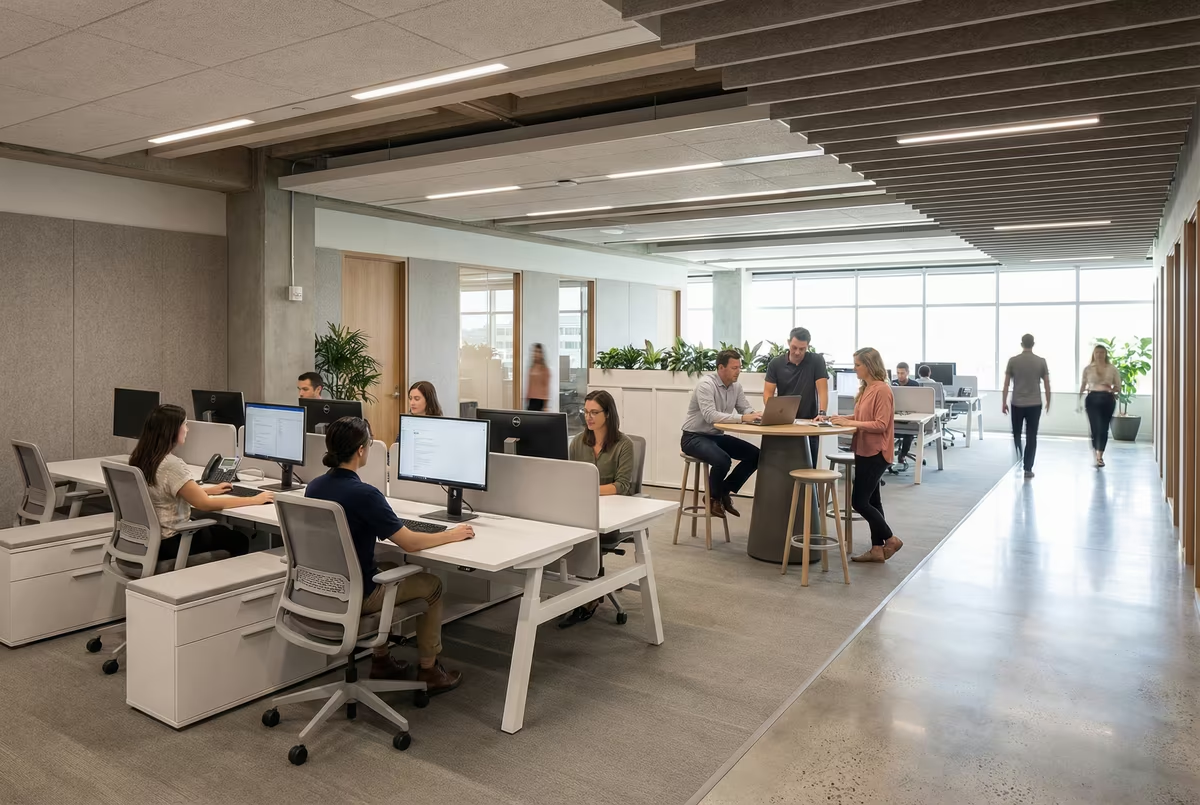
Ein modernes Büro muss viel leisten. Dieselbe Fläche muss womöglich ruhige Einzelarbeit, spontane Zusammenarbeit, formelle Besprechungsräume, Touchdown-Bereiche für kurze Aufenthalte und Zonen unterstützen, in denen Menschen kurz abschalten können. Deshalb hat Flexibilität hohe Priorität.
Praktisch bedeutet Flexibilität, den Arbeitsplatz so zu gestalten, dass er sich ohne großen Aufwand verändern lässt. Bewegliche Wände und modulare Arbeitsstationen erleichtern es, einen Raum neu zu strukturieren, wenn Teams wachsen, sich Projekte ändern oder Anwesenheitsmuster verschieben. Ein flexibles Layout hilft auch, Unordnung zu vermeiden – wenn Stauraum, Kabelmanagement und Wegeführung richtig geplant sind, wirkt der Raum ruhiger und professioneller.
Das ist auch in kleineren Umgebungen relevant. In einem kompakten Büro oder einem hybriden Setup können passende Homeoffice-Möbel und sorgfältig ausgewählte Schreibtischlösungen einen Arbeitsplatz schaffen, der durchdacht wirkt statt improvisiert. Ein guter Plan nutzt jede Ecke optimal und hält die Arbeitsumgebung zugleich komfortabel und funktional.
Balance zwischen Zusammenarbeit und Konzentration
Vom modernen Arbeitsplatz wird erwartet, dass er Produktivität fördert. Das bedeutet aber nicht, alles offen zu gestalten. Zusammenarbeit ist wertvoll, doch dauerhafter Lärm und ständige Unterbrechungen sind ein häufiger Grund dafür, dass Menschen sich schlecht konzentrieren können.
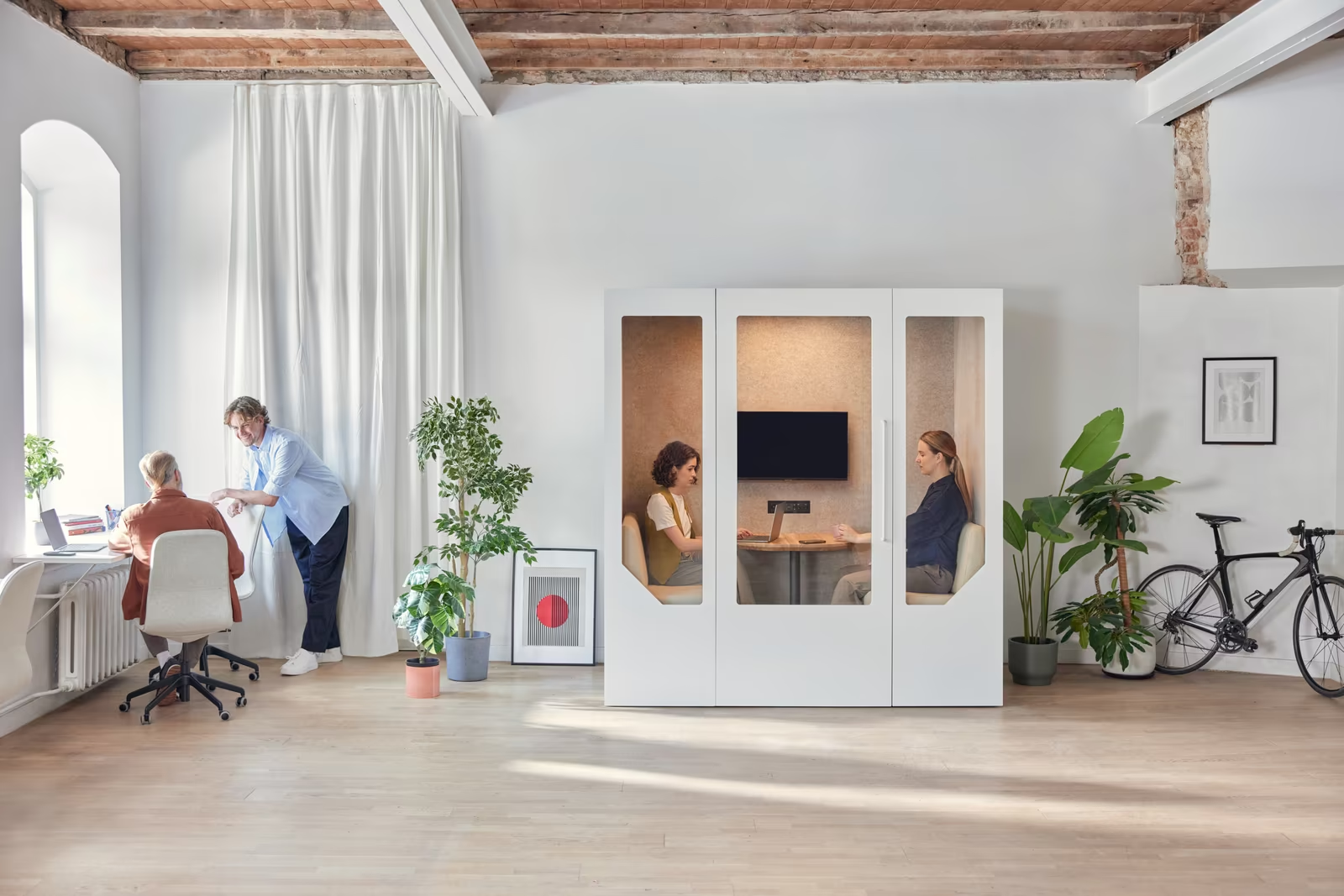
Die Antwort ist Balance. Offene Kollaborationsbereiche funktionieren am besten, wenn sie an ruhigere Zonen für konzentriertes Arbeiten angrenzen. Dazu können kleine Räume, bibliotheksähnliche Bereiche und akustische Zonen gehören, in denen Telefonate und tiefe Konzentration möglich sind, ohne andere zu stören.
Hier können abgeschlossene Räume helfen. Zum Beispiel gibt eine schallisolierte Büro-Telefonbox Mitarbeitenden einen verlässlichen Ort für private Anrufe, sensible Gespräche oder ungestörtes Arbeiten – ohne dass Wände neu gebaut oder die Gesamtflexibilität eingeschränkt werden muss, ganz im Sinne jeder Telefonbox von Persy Booths. Wenn das Ziel ist, sowohl Teamarbeit als auch Konzentration zu unterstützen, können solche gezielten Ergänzungen kosteneffizienter sein als eine komplette Überarbeitung des gesamten Grundrisses.
Design, das Wohlbefinden unterstützt
Ein zeitgemäßes Büro sollte die tägliche Erfahrung der Menschen verbessern und nicht nur in einer Broschüre gut aussehen. Wohlbefinden ist heute essenziell, und es zeigt sich in Ergonomie, Beleuchtung, Akustik und Komfort.
Beginnen Sie mit Haltung und Komfort. Unterstützende Bürostühle, passende Sitzmöbel und höhenverstellbare Schreibtische helfen Menschen, eine bessere Haltung zu bewahren und Beschwerden zu vermeiden, die Energie und Konzentration beeinträchtigen. Dann lohnt sich der Blick auf die Umgebung: Blendung, schlechte Beleuchtung und ständige Hintergrundgeräusche beeinflussen mentale Gesundheit und Leistung.
Wichtig ist auch, dass „Wohlbefinden“ nicht nur aus Bürodesign-Ideen wie Yogamatten und Pflanzen besteht. Entscheidend ist, ob Mitarbeitende den passenden Raum für die jeweilige Aufgabe finden – ob für ein Teammeeting, eine ruhige Stunde zum Abschluss eines Projekts oder einen kurzen Moment zum Abschalten zwischen zwei Anrufen
Trends im modernen Bürodesign, die heutige Arbeitsplätze prägen
Trends sind dann relevant, wenn sie echte Veränderungen in der Arbeitsweise widerspiegeln. Die folgenden Bürotendenzen sind weit verbreitet, weil sie praktische Probleme im Design von Arbeitsumgebungen lösen und Unternehmen helfen, sich an veränderte Anforderungen anzupassen.
Hybride Arbeitsbereiche mit flexiblen Layouts
Hybrides Arbeiten hat verändert, wie Büroflächen genutzt werden. Viele Organisationen haben heute schwankende tägliche Belegung, sodass dasselbe Layout sowohl an stark frequentierten als auch an ruhigen Tagen funktionieren muss. Das hat zeitgemäßes Bürodesign stärker in Richtung flexibler Raum-„Ökosysteme“ statt fester Sitzpläne verschoben.
Bewegliche Wände und modulare Elemente sind dabei zentral. Sie ermöglichen es, Räume dann zu schaffen, wenn man sie braucht, und Bereiche wieder zu öffnen, wenn man sie nicht braucht. Auch Bodenbeläge werden bewusster eingesetzt – unterschiedliche Oberflächen oder Texturen können Zonen definieren (ruhige Arbeit, Zusammenarbeit, soziale Bereiche), ohne überall Barrieren aufzubauen.
Um hybride Arbeitsmuster zu unterstützen, ergänzen viele Unternehmen Touchdown-Bereiche: schnelle, praktische Arbeitsplätze für Menschen, die nur wenige Stunden im Büro sind und Zugang, Strom und einen bequemen Stuhl brauchen, ohne einen festen Schreibtisch zu beanspruchen.
Biophiles und naturinspiriertes Design
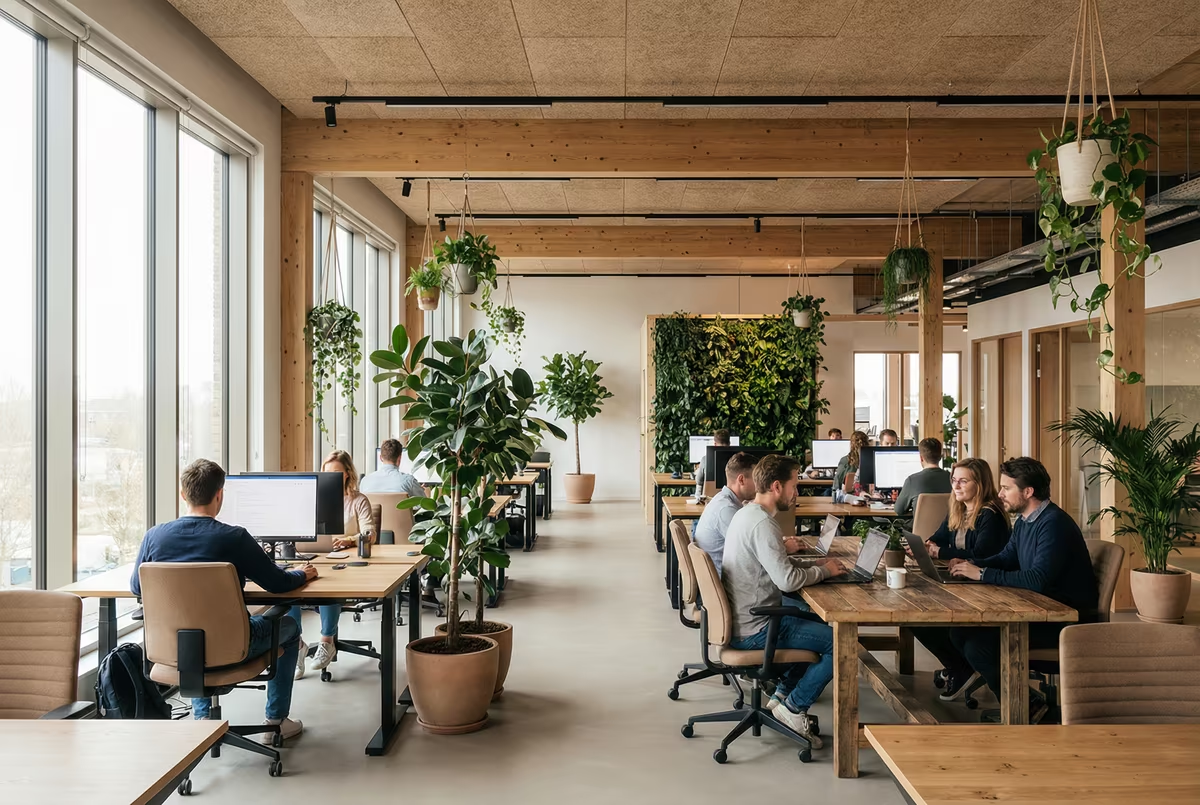
Biophiles Design ist nicht nur eine ästhetische Entscheidung. Es ist eine Reaktion auf Stress, bildschirmintensive Arbeit und Innenräume, die flach und ermüdend wirken können. Natürliche Materialien, Begrünung und Hinweise auf die Außenwelt können die Stimmung verbessern und dem Büro mehr Menschlichkeit geben.
Natürliches Licht ist ein wesentlicher Teil davon. Der World Green Building Council verweist auf Belege, die Tageslicht, Luftqualität und andere Faktoren der Innenraumumgebung mit Wohlbefinden und Leistung in Verbindung bringen. Die richtige Menge an natürlichem Licht in das Bürodesign zu integrieren, gehört zu den dauerhaft wertvollsten Verbesserungen, die Sie vornehmen können.
Selbst wenn Ihre Fläche nur wenige Fenster hat, lassen sich weiterhin Designansätze wie hellere Oberflächen, reflektierende Materialien und kluge Layoutentscheidungen nutzen, um das Licht gleichmäßiger über die Fläche zu verteilen.
Gesundheitsorientiertes Bürodesign
Gesundheitsorientiertes Design betrachtet die gesamte Erfahrung – nicht nur, wie ein Raum aussieht, sondern wie es sich anfühlt, darin zu arbeiten. Dazu gehören Ergonomie, Akustik, Beleuchtung, Temperatur und sogar die Frage, ob Mitarbeitende das Gefühl haben, Kontrolle darüber zu haben, wo und wie sie arbeiten.
Akustik ist oft das fehlende Element. Großraumbüros können eine konstante Hintergrundablenkung auf niedrigem Niveau erzeugen, die die Konzentration schleichend verringert. Wenn Sie eine praxisnahe Einordnung dazu möchten, wie sich Klang auf Konzentration und Stress auswirkt, ist der Leitfaden von Persy Booths zur Büroakustik hilfreich, um ruhigere Zonen zu planen und realistische Erwartungen zu setzen.
Für kleine Besprechungen oder die Zusammenarbeit zu zweit kann eine Büro-Telefonbox für zwei Personen eine saubere Lösung sein, um Privatsphäre zu schaffen, ohne neue Räume zu bauen. Sie lässt sich zudem leicht skalieren – Sie können mit einer beginnen, beobachten, wie sie genutzt wird, und das Angebot später erweitern, wenn Bedarf besteht.
Nachhaltige und umweltbewusste Materialien
Nachhaltigkeit ist zunehmend Teil von Briefings für Bürodesign – und sie ist mehr als ein Label. Die Wahl langlebiger Materialien, reparierbarer Möbel und Lieferanten mit transparenter Beschaffung kann Abfall reduzieren und häufige Austauschzyklen vermeiden.
Natürliche Materialien spielen auch hier oft eine Rolle. Holz, Wollmischungen und andere verantwortungsvoll bezogene Oberflächen können eine wärmere Ästhetik schaffen und gleichzeitig Nachhaltigkeitsziele unterstützen. Selbst einfache Entscheidungen – wie die Priorisierung hochwertiger, langlebiger Stühle oder modularer Systeme, die sich neu konfigurieren lassen – haben über die Lebensdauer eines Arbeitsplatzes eine große Wirkung.
Markante Gestaltung und Branding
Bürodesign ist zu einem sichtbaren Ausdruck der Markenidentität geworden. Kunden bemerken es. Mitarbeitende bemerken es. Bewerbende ganz sicher auch.
Büros nutzen oft einige wenige starke Elemente, um einen wiedererkennbaren Charakter zu schaffen: eine markante Farbe, eine Akzentwand, einen charakteristischen Empfangstresen oder eine Designsprache, die sich durch Besprechungsräume und Gemeinschaftsflächen zieht. Das Ziel ist nicht Lautstärke, sondern bewusste Gestaltung. Eine klare Ästhetik lässt den Arbeitsplatz stimmig wirken, verbessert die tägliche Erfahrung und macht das Unternehmen für Besucher greifbarer.

TeIntegrierte Technologie im Raum
Technologie ist nicht länger vom Raum getrennt – sie prägt ihn. Das Büroerlebnis der 2020er-Jahre hängt von verlässlichen Videoanrufen, einfach nutzbaren Besprechungsräumen und Werkzeugen ab, die Reibung aus dem Arbeitsalltag nehmen.
Belegungssensoren sind immer verbreiteter, weil sie Unternehmen helfen zu verstehen, wie Büroflächen tatsächlich genutzt werden. Diese Daten können Planungsentscheidungen steuern – zum Beispiel, ob Sie mehr ruhige Räume, weniger feste Schreibtische oder besseren Zugang zu Kollaborationsbereichen brauchen.
Hospitality-inspiriertes Bürodesign
Hospitality-inspirierte Büros übernehmen Elemente aus Lounges, Hotels und Cafés: weichere Sitzmöbel, wärmere Beleuchtung und Bereiche, die einladend statt institutionell wirken. Dieser Trend zielt nicht darauf ab, das Büro um seiner selbst willen „gemütlich“ zu machen. Es geht darum anzuerkennen, dass ein Arbeitsplatz auch ein soziales Umfeld ist.
Ein gut gestalteter Gemeinschaftsbereich kann den Zusammenhalt stärken und Teams helfen, natürlicher zusammenzuarbeiten. Er verbessert auch die Erfahrung von Kunden und Besuchern in Ihrem Arbeitsplatz – und das ist relevant, wenn Ihr Büro Teil des Markeneindrucks ist.
Einrichtung eines modernen Büros
Möbelentscheidungen können ein Büro entscheidend prägen. Die richtigen Büromöbel unterstützen Komfort und Produktivität. Die falschen Entscheidungen führen zu Unordnung, schlechter Haltung und einem Arbeitsplatz, der auf Fotos gut aussieht, sich im Alltag aber unpraktisch anfühlt.
Funktionale Möbel für den Arbeitsalltag
Beginnen Sie mit den Grundlagen: Schreibtischlösungen, die zur tatsächlichen Arbeit passen, Bürostühle, die eine bessere Haltung unterstützen, und Stauraum, der verhindert, dass sich Unordnung auf jeder Oberfläche ausbreitet. Kabelmanagement wird oft übersehen, hat aber einen überproportionalen Einfluss darauf, wie professionell ein Raum wirkt. Wenn überall Kabel sichtbar sind, kann selbst eine hochwertige Gestaltung unordentlich aussehen.
Denken Sie darüber nach, wie Mitarbeitende tatsächlich arbeiten. Brauchen sie größere Bildschirme? Mehr Tischfläche? Ruhige Zonen? Geteilte Arbeitsplätze? Der beste Möbelplan unterstützt die Arbeitsumgebung als Ganzes und nicht nur individuelle Vorlieben.
Einrichtung kleiner moderner Büros
In kleineren Räumen müssen Möbel mehr als eine Aufgabe erfüllen. Ein Schreibtisch braucht womöglich integrierten Stauraum. Ein Besprechungsbereich benötigt eventuell flexible Sitzmöbel, die sich schnell umstellen lassen. Ecken sollten bewusst genutzt werden – nicht als Ablagezonen, sondern als gezielt geplante Bereiche, etwa als kompakter Touchdown-Platz, kleine Fokuszone oder Stauraumwand.
Das gilt auch für die Arbeit zu Hause. Ein gut gewählter Homeoffice-Schreibtisch und die richtigen Homeoffice-Möbel können die Produktivität deutlich verbessern, besonders wenn das Homeoffice regelmäßig statt nur gelegentlich genutzt wird.
Materialien und Oberflächen für verschiedene Zonen
Unterschiedliche Zonen brauchen unterschiedliche Oberflächen. Stark frequentierte Bereiche profitieren von robusten Materialien. Ruhige Zonen fühlen sich oft besser an mit weicheren Materialien, die Schall absorbieren. Kollaborationsbereiche können widerstandsfähigere Oberflächen nutzen, die häufige Bewegung und Umkonfiguration verkraften.
Natürliche Materialien können im gesamten Arbeitsplatz Wärme schaffen, sollten aber gezielt eingesetzt werden. Das Ziel ist, Materialien an die Funktion anzupassen – nicht einen einheitlichen Stil überall anzuwenden, unabhängig davon, wie der Raum genutzt wird.
Materialien, Farben und Oberflächen
Farben und Materialien prägen Verhalten stärker, als vielen bewusst ist. Neutrale Farben können Ruhe und Konzentration unterstützen, während kräftigere Töne Kollaborationszonen beleben und die Markenidentität stärken. Ein modernes Büro arbeitet oft mit Kontrasten, um Bereiche zu definieren: ruhigere Töne für fokussierte Arbeit, stärkere Akzente für Gemeinschaftsflächen.
Auch Oberflächen sind wichtig. Glänzende Materialien können Blendung verursachen. Dunkle Oberflächen können Bereiche kleiner wirken lassen. Eine ausgewogene Farbpalette – kombiniert mit einer guten Verteilung natürlichen Lichts – kann selbst eine eher kleine Fläche offener und professioneller erscheinen lassen.
Die effektivsten Designideen sind oft die einfachsten: visuelle Unruhe reduzieren, Unordnung kontrollieren, Materialien wählen, die sich gut anfühlen, und sicherstellen, dass der Raum die Menschen bei ihrer Arbeit unterstützt.
Technologie und das moderne Büroerlebnis
Moderne Büros sind zunehmend „messbare“ Umgebungen. Technologie hilft Teams bei der Zusammenarbeit und unterstützt Führungskräfte dabei zu verstehen, was funktioniert. Buchungssysteme reduzieren Konflikte um Besprechungsräume. Gute AV-Ausstattung vermeidet Zeitverlust. Belegungssensoren helfen Unternehmen, die richtige Mischung von Flächen zu planen, statt zu raten.
Technologie beeinflusst auch Privatsphäre und Konzentration. Viele Menschen haben zu Hause einen Schreibtisch in einem ruhigen Raum – bei Arbeitsplätzen im Großraumbüro ist das oft nicht der Fall. Wenn Ihr Büro viele Videoanrufe hat, brauchen Sie Räume, die dafür konzipiert sind. Eine Akustikkabine für Teammeetings kann einem Team eine abgeschlossene, raumähnliche Umgebung geben, ohne größere Bauarbeiten. Für Einzelpersonen, die einen ruhigen Ort zur Konzentration brauchen, kann eine Akustikkabine zum Arbeiten dieses Gefühl von „Tür zu“ in einem offenen Büro schaffen.
Wenn Sie die Vorteile offener Büros gegenüber den Herausforderungen für konzentriertes Arbeiten abwägen, ist der Leitfaden von Persy Booths zu offenen Büros ein sinnvoller Bezugspunkt – besonders dann, wenn Sie ein Layout planen, das sowohl Gemeinschaft als auch Konzentration unterstützt.
Ist ein modernes Büro die richtige Wahl für Ihr Unternehmen?
Ein moderner Bürostil passt gut zu Unternehmen, die einen Arbeitsplatz wollen, der mit der heutigen tatsächlichen Arbeitsweise übereinstimmt. Wenn Ihre Teams häufig zusammenarbeiten, private Flächen für Anrufe brauchen, hybrid arbeiten oder Kunden empfangen, kann ein zeitgemäßeres Bürodesign einen messbaren Unterschied machen. Das Gensler Research Institute berichtet sogar, dass viele Mitarbeitende den Tag lieber im Büro verbringen als im Homeoffice. Es geht nicht nur um den Kontakt mit Kolleginnen und Kollegen: Es ist ein Ort, an dem bessere Arbeit entsteht.
Die Entscheidung lässt sich auf einige Fragen verdichten:
- Haben Mitarbeitende die Flächen, die sie sowohl für konzentriertes Arbeiten als auch für Zusammenarbeit brauchen?
- Reduziert Ihr Arbeitsplatz Reibung (Lärm, fehlende Räume, schlechtes Layout) oder erzeugt er sie?
- Planen Sie für sich wandelnde Anforderungen – oder versuchen Sie, das Büro in eine feste Struktur zu zwingen, die nicht gut altert?
- Spiegelt die Arbeitsumgebung Ihre Markenidentität gegenüber Kunden und Klienten wider?
Sie brauchen kein perfektes Büro. Sie brauchen ein Büro, das geplant, stimmig und flexibel genug ist, um mit Ihrem Unternehmen weiter zu funktionieren, wenn es sich verändert.
FAQs
.avif)
Engagierter, progressionsorientierter Venture- und Business-Developer mit Erfahrung in Start-ups und Konzernen. Ich spreche die Sprache des Geschäfts – und behalte dabei die Kunden stets im Blick.