Open-plan offices may encourage collaboration, but they’re also notorious for noise – which is why solutions like PersyBooths matter. From ringing phones to impromptu meetings, the constant clamour can wreak havoc on productivity and employee well-being. Collaborative workspaces and open floor plans, while fostering teamwork, often struggle with office sound, privacy issues, and reverberation due to how sound travels in reflective spaces.
Fortunately, there are proven strategies to create a quieter, more focused workspace without sacrificing the benefits of an open office. Effective sound management and the use of sound absorbing furniture, acoustic baffles, and environmentally friendly materials can dramatically improve acoustic comfort, maintain privacy, and increase productivity. Here’s your ultimate guide to reducing noise and reclaiming productivity.
Consulting acoustic experts can help identify how elements like traffic noise, furniture, and interior design contribute to more noise, and how integrated systems can provide acoustic benefits, meet aesthetic needs, and save money for both large and small office environments. Solutions should also support private conversations, private rooms, and speech intelligibility, while offering cost effective solutions that reduce office noise and boost employee productivity.
Assessing office noise levels
Before you can tackle office noise, you need to know exactly what you’re up against. Assessing office noise levels is the first step in any effective noise control strategy. Using a sound level meter, office managers can measure the decibel levels throughout different areas of the office, pinpointing where noise pollution is at its worst. This data-driven approach helps you identify hotspots — like open workstations, conference rooms, or collaborative zones — where noise reduction measures will have the biggest impact.
Armed with this information, you can make smarter decisions about where to install acoustic panels, deploy sound masking technology, or rearrange office layouts to minimize noise. Regular assessments also let you track progress over time, ensuring your noise control efforts are actually making a difference. By staying proactive, you’ll create a quieter, more productive office environment that supports focus and well-being.
💡 Pro Tip: Schedule periodic noise assessments, especially after any major office changes, to keep noise levels in check and maintain a comfortable workspace.
.avif)
#1 – Soundproof Office Booths
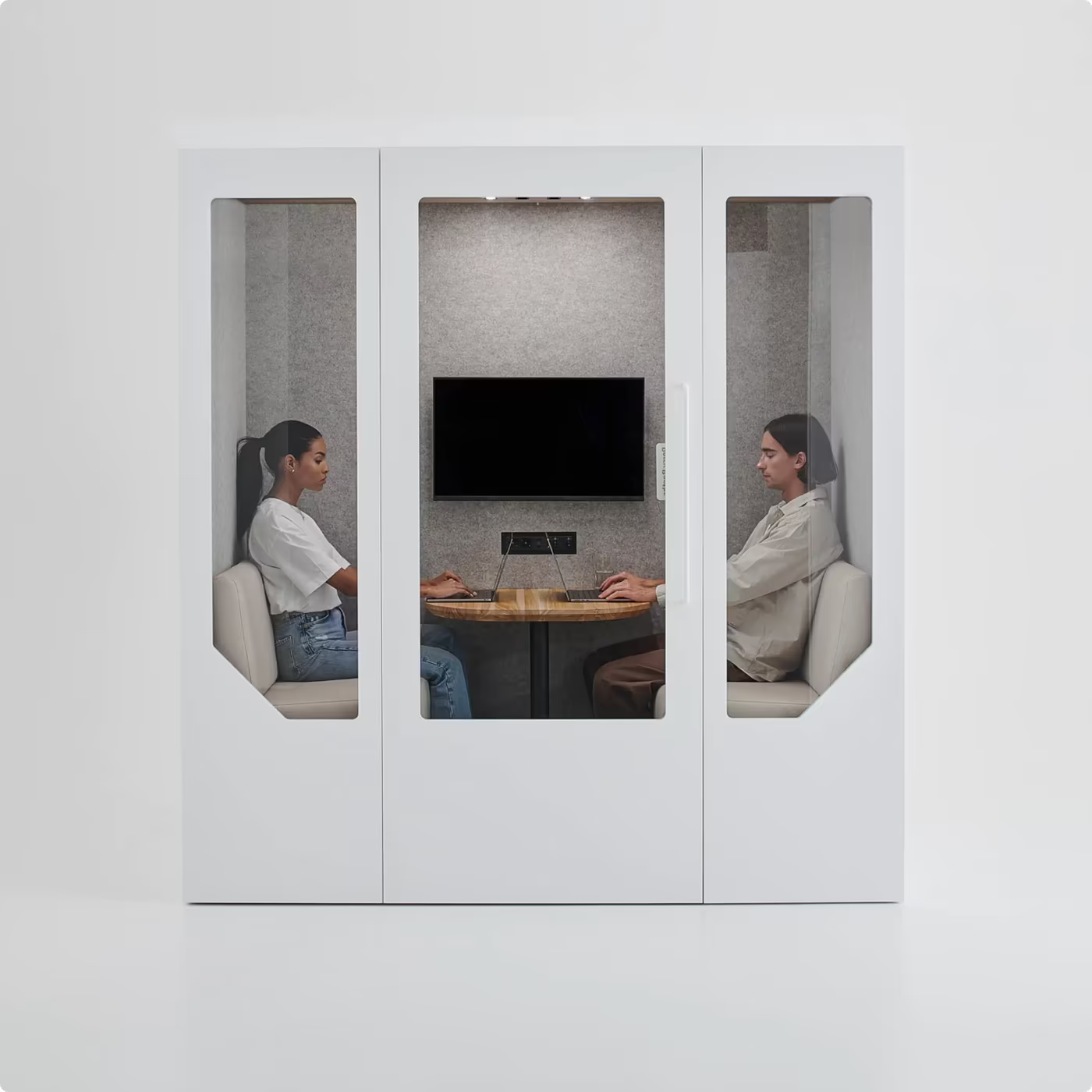
Soundproof office pods, like Persy One, are like a cheat code for office noise problems. These compact, self-contained pods offer an instant escape from the cacophony of open-plan chaos. Serving as private rooms, they are ideal for confidential calls and private conversations, helping to maintain privacy and acoustic comfort in the workplace. Whether it’s for a quick call, a one-on-one meeting, or a deep work session, these booths create private, noise-free zones that don’t require expensive construction or disruptive renovations.
What makes them genuinely indispensable is their versatility. These booths provide acoustic benefits by using sound absorbing materials to reduce reverberation and improve speech intelligibility, making them perfect for focused work and clear communication. They’re modular, sleek, and designed to blend into modern office aesthetics without becoming an eyesore. Plus, they’re mobile – so when your office layout changes, the booths can move right along with you.
💡 Pro Tip: When shopping for soundproof phone booths, prioritise models with high decibel reduction (28 dB or more) and incorporate proper ventilation to ensure comfort during longer stays.
#2 – Acoustic panels and ceiling tiles
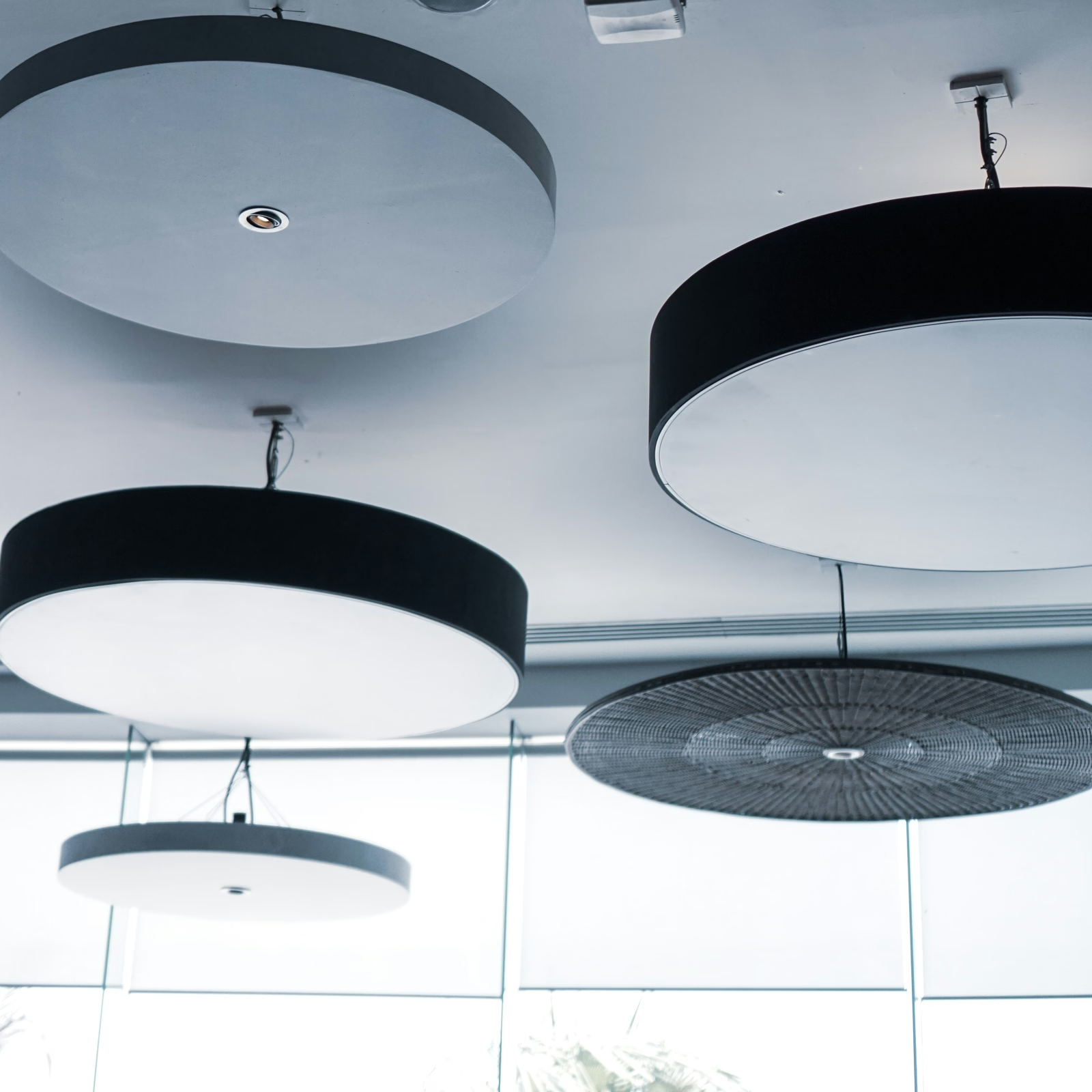
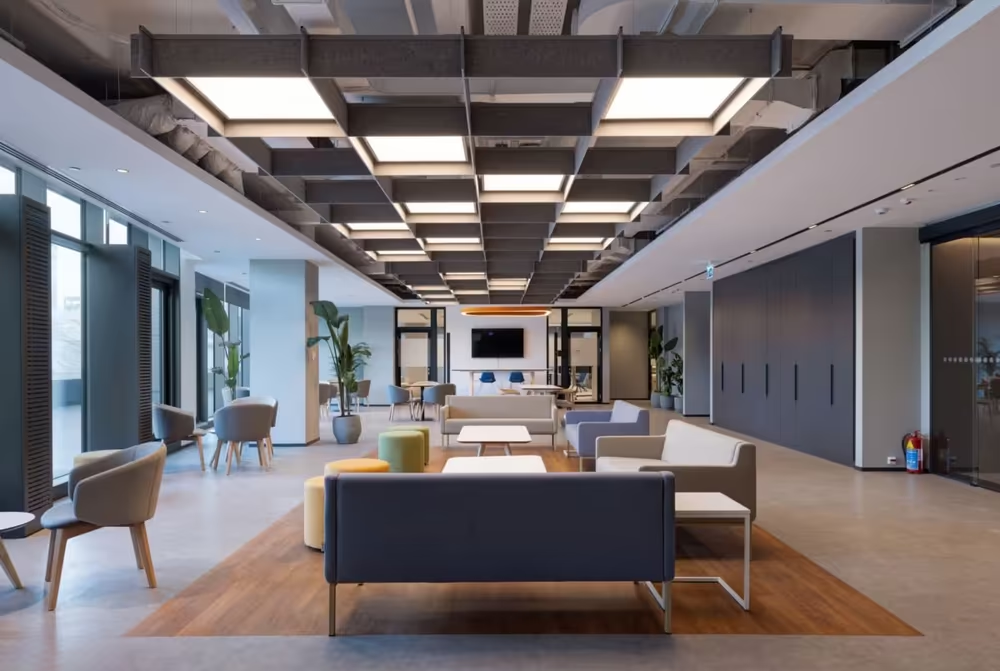
Acoustic panels and ceiling tiles might not scream innovation, but they’re a silent powerhouse when it comes to reducing noise, especially if you’re looking at how to deaden sound in a room. These sound absorbing materials absorb sound waves, cutting down on the echoes and background noise that make open offices unbearable. Ceiling treatments like acoustic baffles and sound absorbing panels are especially effective at reducing reverberation and improving acoustic comfort. Think of them as noise sponges for your walls and ceilings.
Acoustic panels are also incredibly versatile. Modern acoustic panels can be customized to meet aesthetic needs and complement interior design, while also providing acoustic benefits and environmentally friendly options. Available in a range of colours, patterns, and textures, they can double as design elements, adding style while taming the soundscape. Ceiling tiles, on the other hand, tackle vertical sound reflections, ensuring that conversations don’t bounce around like a ping-pong ball.
💡 Pro Tip: Place panels strategically in high-traffic areas or collaborative zones, and use ceiling tiles to combat sound travelling overhead.

#3 – Soft furnishings and rugs
If your office feels like a concert hall whenever someone speaks, blame the hard surfaces. Concrete, glass, and hardwood may look great, but they’re a nightmare for acoustics. Enter soft furnishings and rugs – simple additions that make a big difference. Incorporating sound absorbing furniture and decor helps reduce noise in reflective spaces, making the environment more comfortable and productive.
By breaking up the reflective surfaces, items like high-pile rugs, fabric-covered chairs, and cushioned sofas absorb sound and soften the acoustics of your space. These solutions not only provide acoustic benefits but also meet aesthetic needs and enhance interior design, creating a space that is both functional and visually appealing. They’re also a win for aesthetics, creating a cosy, inviting vibe that employees will appreciate.
💡Pro Tip: Prioritise soft furnishings in communal areas and large open spaces to minimise overall noise levels.
#4 – Zoning with partition walls
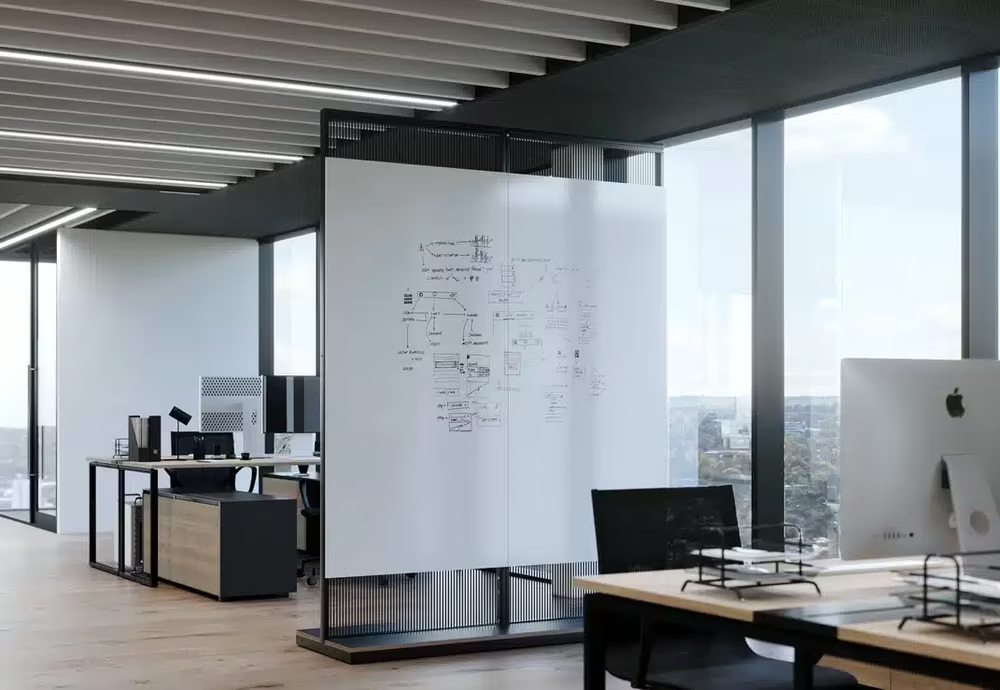
Partition walls are the unsung heroes of noise reduction. They’re not just dividers – they’re sound barriers that can transform a chaotic space into a collection of manageable zones. Partition walls help maintain privacy by controlling how sound travels between different zones, enhancing acoustic comfort for everyone. Use them to separate quiet work areas from collaboration hubs or to create a buffer around high-traffic spots like kitchens or copy machines.
Modern partition walls come with added functionality. Need a brainstorming surface? Opt for walls that double as whiteboards. Want a touch of style? Go for fabric-covered panels or designs with built-in shelving. For even greater noise control, consider installing acoustic baffles alongside partition walls to further reduce sound reflections and improve overall acoustic comfort.
💡 Pro Tip: Place partitions strategically to balance noise control and flow, ensuring employees can move freely without compromising quiet areas.

#5 – Plants
Plants not only add warmth and a welcoming touch to an office environment, but they are also an environmentally friendly option that provides acoustic benefits by naturally absorbing sound. This makes them ideal for reducing noise in open-plan offices.
Their leaves, stems, and soil help to absorb, deflect, and diffuse sound waves, minimizing echoes and overall background noise. By strategically placing larger plants or green walls around workspaces, offices can create a quieter, more focused atmosphere, improving employee concentration and productivity.
💡 Pro Tip: While plants are a bit more needy than other suggestions, there’s services like Plantclub that deliver as well as take care of your plants, making it a no-brainer for any office.
#6 – Separate social and quiet zones
Every office needs a place where the noise stops. Dedicated quiet zones give employees a sanctuary for focused work, free from interruptions. These quiet zones can include private rooms specifically designed to maintain privacy and enhance acoustic comfort, supporting a productive work environment. These spaces are especially valuable for introverts, who often struggle in the sensory overload of open offices, but extroverts benefit too when it’s time to buckle down on a deadline.
Creating these zones doesn’t have to be complicated. Soundproof booths, smaller enclosed pods, or even well-labelled sections of the office can do the trick. These spaces also improve speech intelligibility for focused work by reducing background noise and enhancing clarity. The key is enforcing the quiet: set clear expectations so employees respect the space.
💡 Pro Tip: Pair quiet zones with comfortable furnishings and minimal distractions to maximise their effectiveness.
#7 - Noise-masking technology
Noise-masking technology might sound counterintuitive, but it’s genius in action. By introducing consistent, ambient sounds like white noise, it drowns out unpredictable distractions such as loud conversations or ringing phones. A sound masking system introduces ambient sound engineered to blend with human speech frequencies, providing acoustic benefits and supporting effective sound management. The result is a calmer, more focused office environment.
Unlike earplugs or noise-cancelling headphones, noise-masking systems work for everyone in the space, creating an even playing field of sound. They’re also unobtrusive, blending into the background without adding visual clutter.
💡Pro Tip: Look for systems specifically designed for open offices, as these offer optimised frequency ranges for workplace acoustics.
#8 – Flexible work policies
Sometimes, the best way to reduce noise is to reduce the number of people in the office. Flexible work policies, such as hybrid schedules or remote work options, naturally lower noise levels by spreading out occupancy. For a small office, these policies are a cost effective solution that can help save money and increase productivity. Fewer people mean fewer distractions – and happier employees.
But flexibility isn’t just about working from home. It’s also about adapting the office itself. Introducing quiet hours or designated focus times can boost employee productivity by reducing distractions and create a rhythm where collaboration and concentration coexist.
💡 Pro Tip: Use scheduling tools to manage hybrid workdays and ensure a balanced office presence throughout the week.
#9 – Educating employees on noise etiquette
Even the best noise reduction strategies can fall flat without employee buy-in. Educating your team on noise etiquette fosters a culture of mindfulness and respect for shared spaces. Fostering a culture of sound management and acoustic comfort helps address privacy issues in shared workspaces, ensuring that speech privacy and sensitive communications are protected. Simple practices, like keeping phone calls short or using headphones for music, go a long way.
Visual reminders can help, too. Posters, desk signs, or even Slack messages can reinforce the idea that noise control is everyone’s responsibility.
💡 Pro Tip: Combine etiquette training with physical solutions for a well-rounded approach to noise management.
Measuring the effectiveness of noise reduction
Implementing noise reduction strategies is only half the battle—the real win comes from knowing they actually work. Measuring the effectiveness of your noise reduction efforts is key to maintaining a productive and quiet office space. Start by conducting regular sound level checks in different zones, both before and after introducing solutions like sound masking, acoustic treatments, or new office layouts.
But don’t stop at the numbers. Gather feedback from employees through surveys or informal check-ins to see if they notice improvements in office acoustics, speech privacy, and their ability to focus. This combination of hard data and real-world experience gives office managers a clear picture of what’s working and what needs tweaking.
By continuously monitoring noise levels and employee satisfaction, you can fine-tune your acoustic solutions, significantly reduce noise distractions, and boost overall productivity. It’s a smart, data-driven way to create an office environment where everyone can do their best work.
💡 Pro Tip: Use both quantitative (decibel readings) and qualitative (employee feedback) methods to get a complete view of your office’s acoustic performance.
Conclusion
Reducing noise in open offices isn't just about creating a quieter workspace – it's now more about building an environment where employees can thrive.
While solutions like acoustic panels, soft furnishings, and noise-masking technology play a significant role, soundproof booths stand out as the ultimate multitasker. On top of reducing noise, they also create private sanctuaries for focused work, confidential calls, and stress-free collaboration.
Obviously, we're biased, but soundproof booths solve the problem on multiple levels. They're flexible, stylish, and effective – a rare trifecta that makes them a no-brainer for modern offices. Start with soundproof booths as your cornerstone solution, and build from there. Because let's face it – a quieter office is the foundation for better work and happier teams.