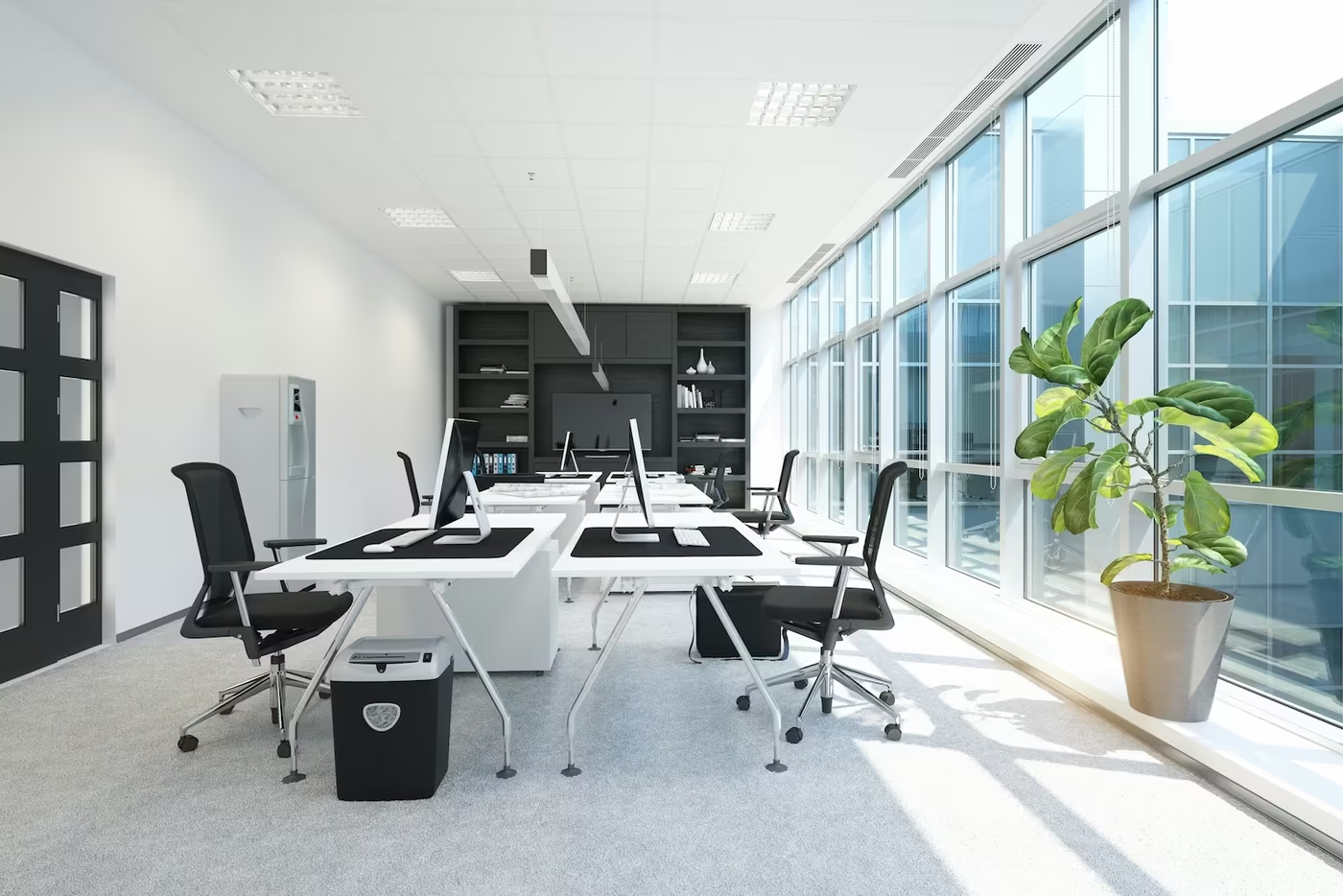
Openness is good, right? So no wonder that open offices remain one of the most widely adopted office layouts, with many companies embracing the open plan office to promote collaboration, improve communication and make more efficient use of office space.
Yet the reality is more nuanced. While open space can support teamwork and reduce physical barriers, it can also introduce increased noise, distractions and a lack of privacy that may affect productivity, stress levels and overall job satisfaction. Businesses evaluating the office concept must consider both the advantages and disadvantages to find the right balance for their teams.
As a company that works closely with organisations grappling with these challenges, Persy Booths often sees this first-hand, as shown in how Huckletree partnered with Persy Booths to elevate member privacy and productivity. We also understand how easy it is for companies to over-spend when designing and equipping the perfect office space. So here is our advice on how to work out just how “open” your open office should be, and how to create the best space for your employees to operate in.
Key takeaways from this article
- Open offices offer advantages such as increased collaboration and flexible office layouts, but they also bring disadvantages including increased noise and reduced privacy.
- The pros and cons often depend on the type of work, workers' preferences, and how well the workspace is designed.
- Hybrid office design – combining shared space with private offices or pods – helps companies better meet employees' needs.
- Practical improvements such as quiet zones, acoustic treatments and office etiquette guidelines can reduce noise and distractions.
What Is an Open Plan Office?
An open plan office is a workspace with few or no internal walls, where employees share one large, open area instead of working in separate rooms or cubicles.
The idea is not new. Open-plan layouts trace back to the early 20th century and were popularised in the 1950s by the German “Bürolandschaft”, or office landscape, movement, before spreading worldwide as companies looked to cut costs and encourage collaboration. Today the open plan office is the default for many a modern office, though the most successful versions balance that openness with quiet, private space.
Pros of Open Plan Office
Open plan office layouts continue to appeal to many companies because they reflect a more modern way of working. By removing walls between workers – giving each individual or team a "cubicle" to work in – and creating one large open environment, employers aim to promote collaboration and make better use of their workspace. Beyond aesthetics, open offices can also reduce cost, increase flexibility and help teams work together more effectively. When these spaces are designed well, they offer genuine advantages for employees and businesses alike.
Increased Collaboration and Communication
One of the most frequently cited pros of open plan offices is the potential to promote collaboration. By replacing private offices or office cubicles with a shared space, workers can communicate more freely, exchange ideas quickly and avoid the delays that arise from physical barriers. This kind of open layout encourages spontaneous communication and fosters the kind of teamwork that helps people work together effectively.
However, collaboration depends on thoughtful office layouts. Large open plan offices offer opportunities for interaction, but the design must avoid creating unnecessary distractions. When managed well, an open concept can help teams read situations more instinctively, share progress and solve problems in real time, making the workplace more dynamic and responsive.
Greater Flexibility in Space Use
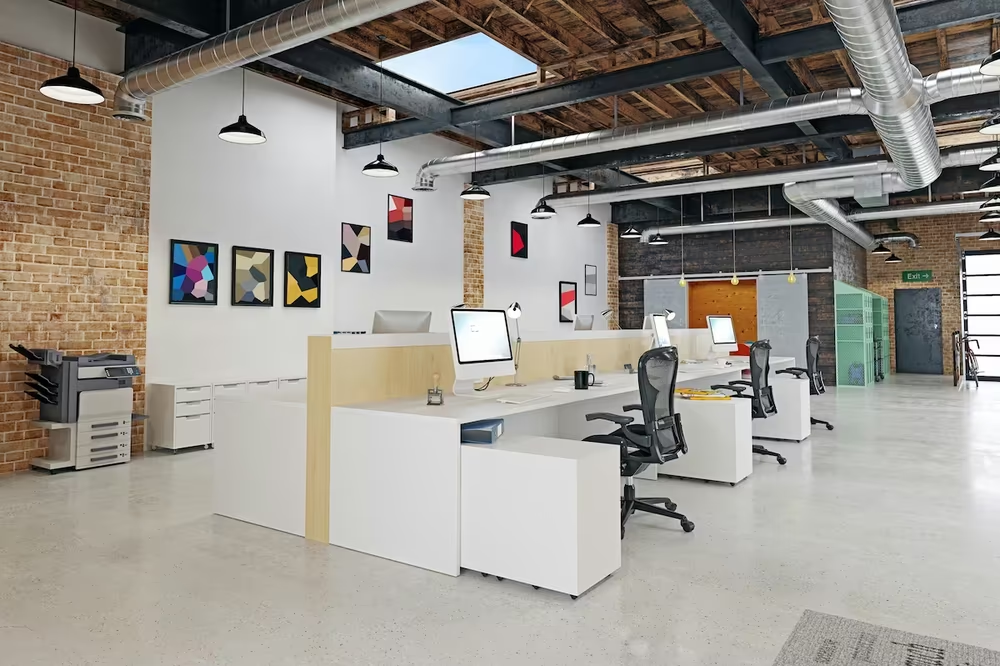
Another advantage of the open plan office is its flexibility. Because the office space is not carved into rigid rooms, companies can adapt more easily to new team sizes, project requirements or hybrid working and remote work patterns. Whether shifting to hot-desking, accommodating more employees or reconfiguring the layout to make room for more people, open offices offer a level of agility that traditional layouts often lack.
This flexibility also supports business growth. For example, a company may want to integrate office pods for quiet work without needing a full interior rebuild. An open layout provides the space and fluidity to introduce new flexible workspace flexible spaces, make better use of the available space, and adjust to changing preferences over the years.
Enhanced Employee Well-being and Engagement
Although open offices can introduce challenges, they can also support well-being when designed with care. Visibility across the environment may help employees feel more connected, improving morale and creating a sense of shared purpose. Natural light can flow more easily across the space, helping teams feel energised and reducing the need for artificial lighting.
Engagement also improves when employees have access to private spaces for focused work or confidential conversations. Providers such as Persy Booths offer options like enclosed office pods, allowing companies to add enclosed workspace options without losing the openness of the environment. When combined thoughtfully, open and private spaces can enhance overall employee satisfaction.
Cost Efficiency and Space Savings
Open plan offices are also cheaper to build and run. With fewer internal walls, doors and dedicated rooms, the initial fit-out costs less and takes less time. The same floor plate holds more people, so cost per employee drops, and a single open volume is simpler and cheaper to light, heat and cool than a warren of separate offices. For growing businesses watching the budget, that efficiency is a genuine draw, as long as it is not achieved by cramming people in at the expense of focus.
Cons of Open Plan Office
Despite their advantages, open offices are not without disadvantages. Many employees report that increased noise, distractions and lack of privacy can make work more difficult. These cons of open must be understood clearly so companies can make informed decisions and reduce the impact of common issues associated with open layouts.
Noise and Distractions
Increased noise is one of the biggest disadvantages of open offices, which is why some teams explore tools like what is a white noise machine alongside layout changes. Without walls or partitions, noise levels rise quickly – from phone calls to conversations and footsteps across the shared space. These distractions can lead to decreased productivity and make it harder for workers to focus on complex tasks.
Studies also show a correlation between open space and increased stress levels. Exposure to persistent noise can raise stress levels and contribute to fatigue, making the environment less supportive for employees who need deep focus. This is especially true for workers involved in detail-oriented tasks or roles that require extended concentration.
Lack of Privacy
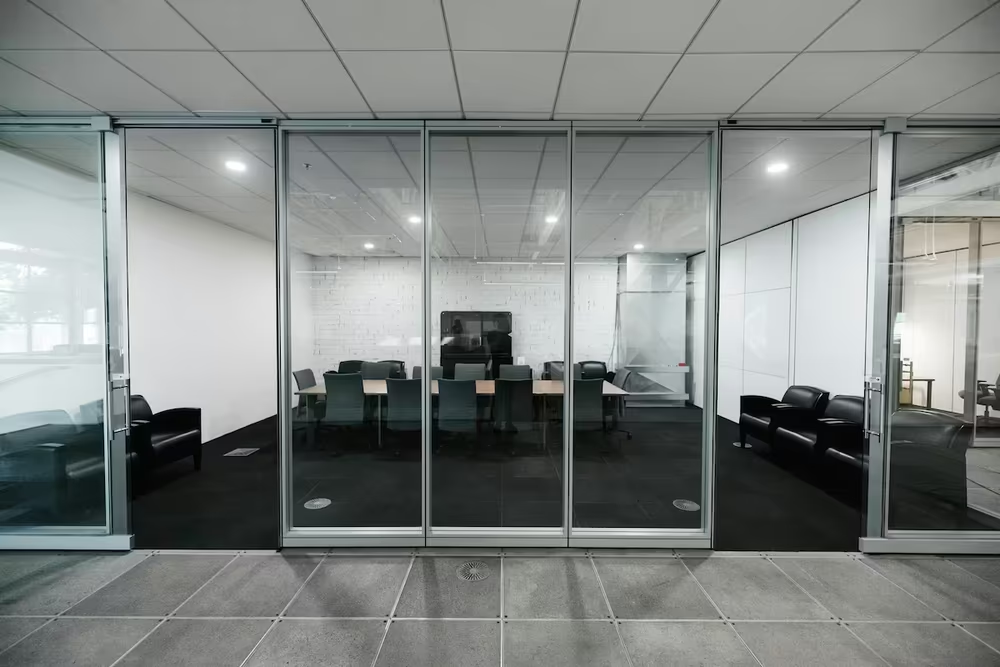
Another common drawback is the lack of privacy. Because open layout designs remove private offices, walls, and meeting rooms, employees may find it difficult to hold confidential conversations or perform sensitive work, and private meeting rooms remain important for sensitive discussions that should not happen in the shared area. A business dealing with projects that involve client confidentiality, HR matters or detailed thinking may struggle in an environment with less privacy.
This lack of privacy can also lead to discomfort, as some workers feel as though they are constantly observed, which may reduce their ability to work confidently. Additionally, personal space becomes limited, and unlike a closed office, the open layout may not support privacy and concentration as well for some roles, which can negatively impact job satisfaction.
Difficulty Maintaining Focus
While some people enjoy the energy of an open workspace, many employees find the environment challenging because of constant distractions. Increased noise, visual movement and the presence of workers nearby may lead to increased stress or reduced productivity.
Introverted employees or those with specific cognitive needs may be particularly affected. Without access to private spaces or enclosed areas, workers may feel overwhelmed, leading to less effective work and reduced motivation. These disadvantages reinforce the importance of providing quieter zones within the open office.
Health and Wellbeing Concerns
There is a physical health angle too. Open-plan workers tend to take more sick days than those in private offices, because people sit in close proximity and share the same air, which speeds the spread of coughs, colds and flu. Combined with the higher noise and stress already discussed, that can mean more fatigue and absence over a year. It is not a reason to abandon open plan, but it is a strong reason to build in ventilation, spacing and quiet retreats where people can decompress.
Open Plan Office Pros and Cons at a Glance
Types of Open Offices and Closed Offices
Companies considering a redesign often explore several types of office layout to understand which one best supports their work. The following sections explain the typical options – open office spaces, closed environments and hybrid layouts – so organisations can find the right balance between collaboration and privacy.
Open Office Spaces
Open plan space layouts include standard open layouts with desks and seating arrangements in a shared area, as well as co-working spaces and hot-desking arrangements. These areas are designed to reduce physical barriers, with few fixed walls, and support collaboration, communication and a sense of togetherness.
Open offices can also include adjustable desks and modular seating.
These layouts often include communal areas for project work or informal meetings, supporting impromptu collaboration in the open plan space. However, they may also lead to increased noise and distractions if not managed carefully. Many companies use acoustic panels, breakout areas and screens to improve the environment, especially when considering how to deaden sound in a room.
Closed Offices
Closed offices or enclosed solutions like the team meeting booth provide private offices, cubicles or partitioned areas for individuals or small teams. These layouts suit employees who perform focused work, handle sensitive information or prefer more personal space. Closed environments can reduce noise, increase privacy and support productivity for workers needing concentration.
However, closed offices may reduce spontaneous collaboration and can lead to siloed communication. They also require more walls, which may reduce natural light and increase cost. Nonetheless, they play an important role for organisations needing structure and confidentiality.
Hybrid Layouts
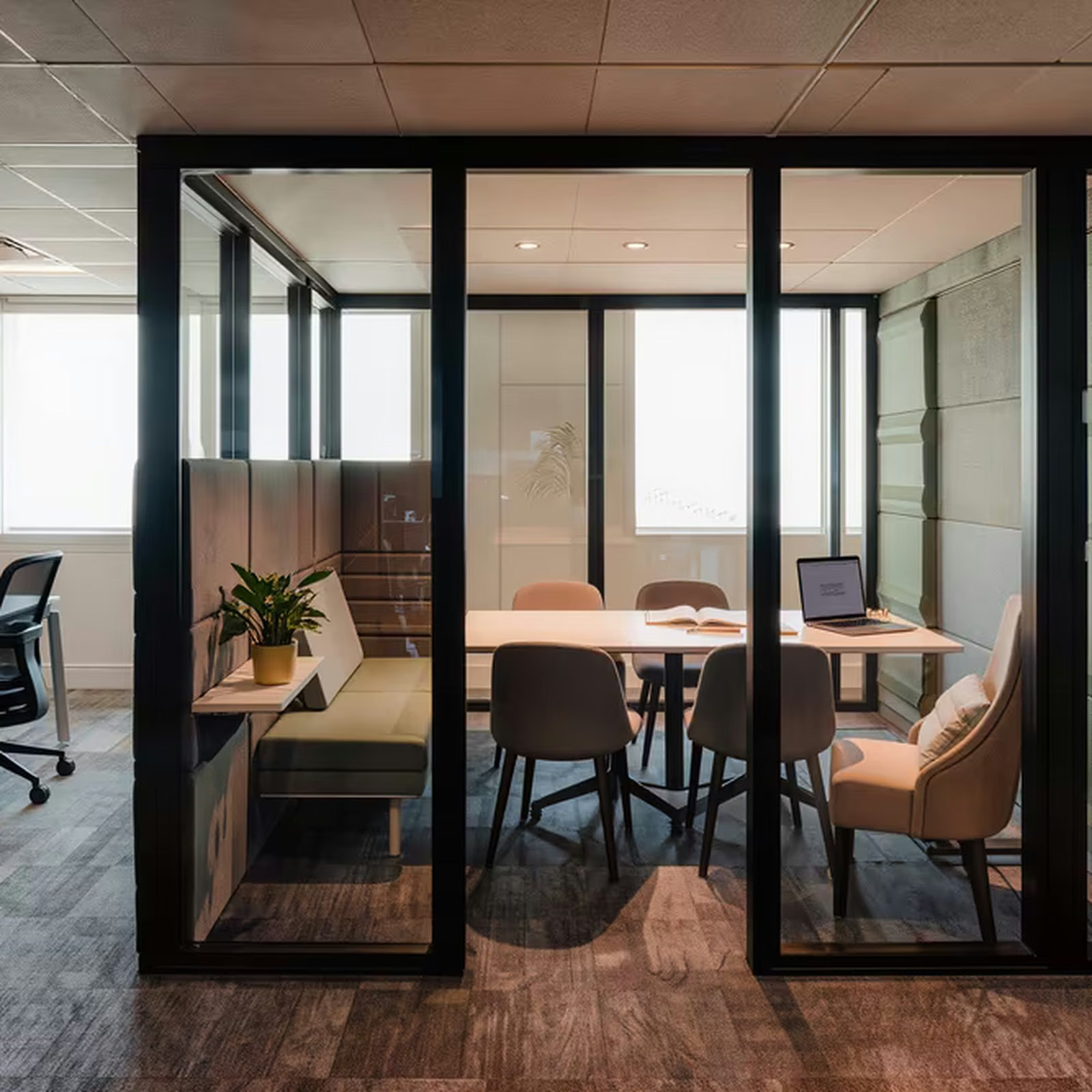
Hybrid layouts combine open space with private rooms, quiet pods and flexible areas. This approach provides the advantages of open offices while reducing disadvantages such as noise and lack of privacy. Many companies choose hybrid designs because they support different types of work within the same environment.
Hybrid layouts may include shared space for team collaboration, as well as private spaces such as the work booth where employees can focus or hold phone calls without distraction. This balance helps organisations meet diverse needs and improve employee well-being.
Tips for Making Open Offices Work
Making an open office successful requires more than removing walls. Companies can implement several strategies – including quiet zones, thoughtful office design and clear etiquette rules – to reduce noise and create a comfortable workspace for employees.
Open Plan Offices and Hot Desking
Open plan and hot-desking often go together. With no assigned seats, employees book or grab a desk when they come in, which suits hybrid teams where not everyone is in on the same day. It saves space and cost, since you no longer need one desk per person, and it encourages people to move around and mix.
The trade-offs are real, though: no personal desk can feel unsettling, shared surfaces raise hygiene questions, and people can waste time hunting for somewhere to sit. The fixes are practical, lockers for personal items, a booking system so people know what is free, good cleaning routines, and a quiet booth or two so anyone can grab privacy for a call. Done well, hot-desking makes an open plan office more flexible without sacrificing focus.
Implement Quiet Zones and Private Pods
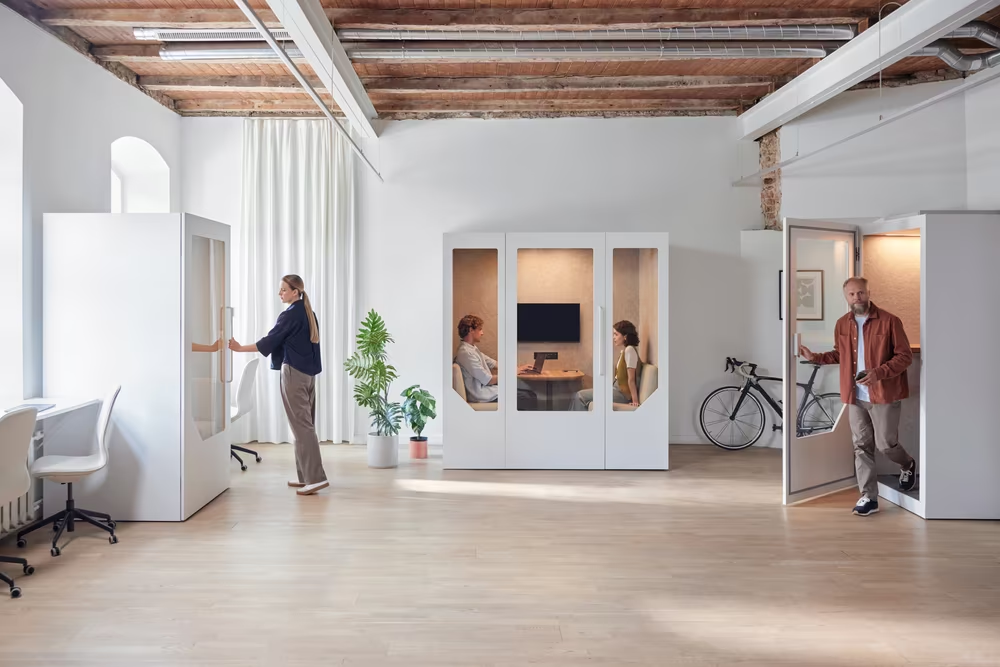
Quiet zones or private pods such as the Persy One booth help reduce noise and provide enclosed workspace options for employees who need uninterrupted focus. These areas also support workers who frequently handle phone calls, confidential tasks or project work that demands deep concentration.
Adding an office pod like the Persy Two booth is an effective way to provide private spaces without redesigning the entire environment. These pods create a dedicated environment for focused work, giving teams more control over how they use shared spaces.
Use Strategic Office Design and Furniture
Good office design can significantly reduce noise and improve the flow of the workspace. Screens, partitions and flexible furniture help create separation within the open environment. Acoustic panels or soft furnishings, and attention to office acoustics, can reduce noise and improve productivity. Strategic layout planning can also help – for example, placing collaborative zones away from quiet areas. This Science Direct article shows how open plan offices can create distractions - but that the effects can be mitigated via through careful and collaborative design.
If you want to know more, check out this useful guide to office noise solutions to make informed decisions.
Establish Office Etiquette and Guidelines
Clear office guidelines help employees understand how to use shared space effectively. Etiquette might include rules around noise levels, designated collaboration areas, or expectations for using private spaces. By establishing expectations early, businesses can prevent conflict and create a pleasant environment for everyone.
Companies should mention all relevant rules when introducing guidelines – such as noise levels, appropriate use of meeting areas, workspace cleanliness and respectful communication. These guidelines help reduce distractions and ensure that everyone can work in a supportive environment.
Conclusion
Open offices bring a clear mix of pros and cons. They support collaboration, open communication and flexible use of space, but they can also introduce visual distractions, higher noise levels and reduced privacy if the open office layout is not carefully planned. Poorly executed open office plans often lead to reduced productivity, making it harder for office workers to maintain focus on individual tasks.
The most effective office design balances shared workspace with private spaces, allowing different types of work to happen without conflict. While open floor plan environments can encourage teamwork, they should be supported by quiet areas, individual offices, or alternatives to traditional cubicles that give workers control over their surroundings. Without this balance, even well-intended open offices can negatively affect job satisfaction and overall performance.
For many businesses, hybrid layouts offer the most practical solution. Combining open office environments with enclosed areas, flexible workstations and private rooms helps management support both collaboration and concentrated work. With the right approach to office layouts, companies can reduce distractions, protect focus, and create a healthier office environment that supports employee productivity.
Because redesigning an office can feel complex, working with an experienced partner makes a meaningful difference. As Persy Booths demonstrates, thoughtful guidance, practical solutions and honest advice help businesses create open offices that truly work for the people using them every day.
Open Plan Office: FAQs
.avif)
Passionate, progress-driven venture & business developer with startup and corporate experience. I speak business, while keeping customers in my heart.

.avif)