%20(1).avif)
Open Office Design: Boosting Productivity and Privacy in Modern Workspaces


.webp)
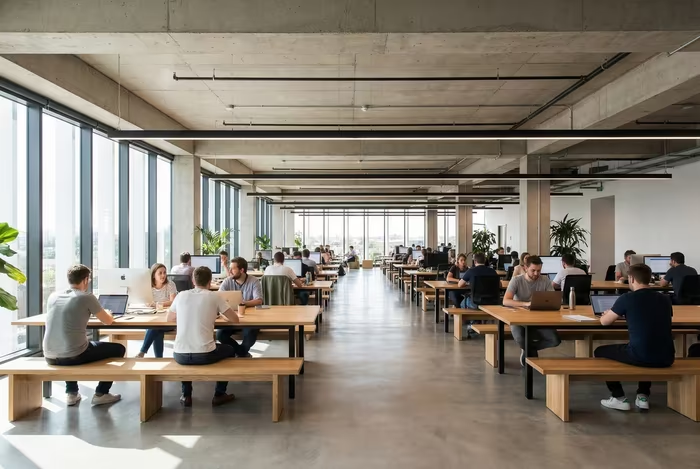
Open office design has become the norm in corporate spaces worldwide, promised as a solution to spark creativity and break down silos between teams. Yet reality has proven more complicated. While these shared environments do enable certain collaborative benefits, they've simultaneously introduced challenges that threaten focus, well-being, and productivity. The key isn't to abandon the open office concept entirely – it's to design it thoughtfully, incorporating solutions like PersyBooths alongside collaborative and private spaces that respect how people actually work.
What Is Open Office Design?
Open office design emerged in the 1950s as a radical departure from the compartmentalised cellular office model. Originally conceived in Germany, the concept aimed to create flexible workspaces where teams could interact freely, share knowledge instantly, and adapt quickly to changing business needs. Today, the open floor plan is characterised by expansive, largely unpartitioned spaces with minimal physical barriers between individual workstations.
Unlike traditional office layouts with separate rooms and cubicles, open office plans typically feature shared desks, collaborative zones, and transparent layouts that prioritise visibility and communication. This approach gained momentum during the technological revolution when companies like Google and Facebook championed open workspaces as symbols of innovation and modernity.
However, the definition of "open office design" has evolved. Modern interpretations often blend fully open areas with flexible zones, private spaces, and activity-based working environments. This hybrid approach recognises that different tasks require different settings—a principle that distinguishes contemporary open office design from its original, one-size-fits-all predecessors.
Pros and Cons of Open Office Layouts
The open office promise has genuine appeal, yet implementation often reveals significant trade-offs that organisations must carefully weigh.
Advantages of Open Office Environments
Open office layouts excel at fostering real-time communication and knowledge sharing. When teams sit in close proximity, spontaneous interactions become more frequent—brief conversations that might spark problem-solving or cross-team collaboration. Research shows that open offices can increase transparency, reducing hierarchical barriers and creating a more egalitarian workplace culture where managers appear more approachable.
From a business perspective, open floor plans also offer substantial space efficiency gains. By removing walls and reducing individual square footage per employee, companies can accommodate more people in the same footprint, translating to significant cost savings in expensive real estate markets. For growing businesses and startups, this flexibility is invaluable.
Disadvantages and Hidden Costs
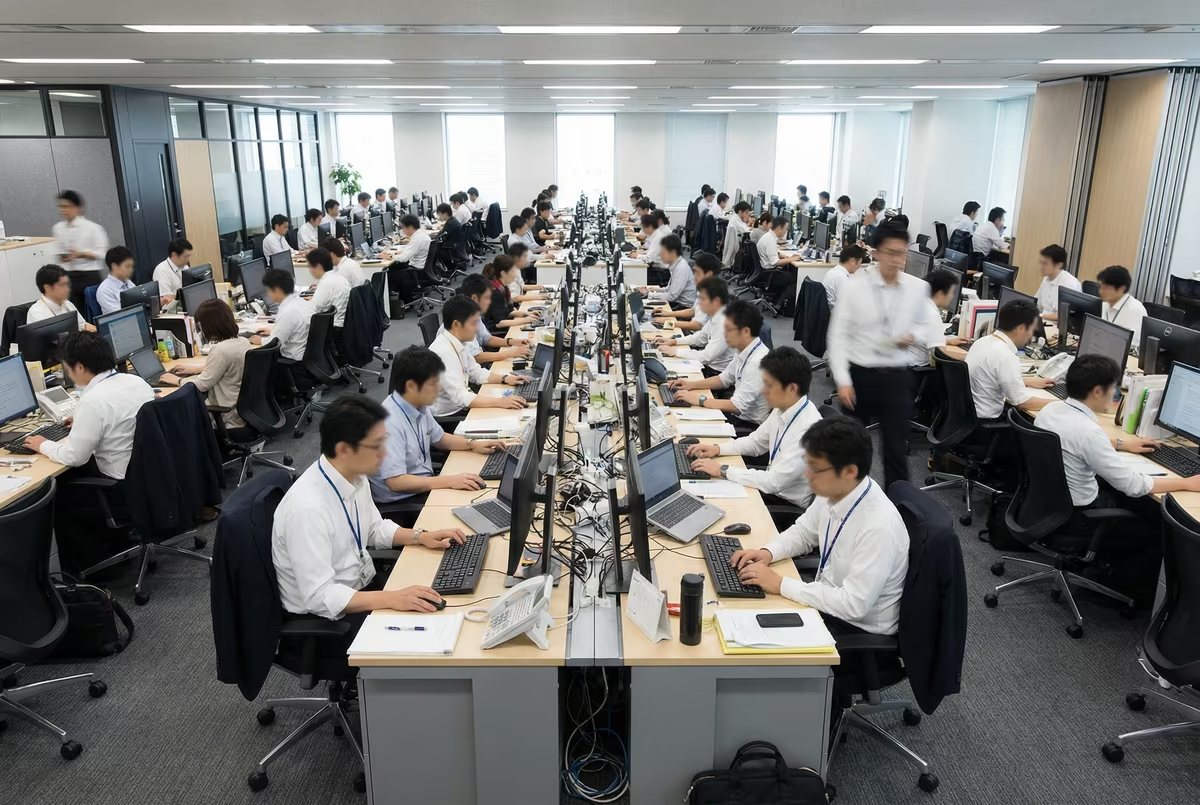
The reality behind open offices is more sobering than the marketing suggests. A Harvard Business School study found that switching to open layouts actually decreased face-to-face interactions by 70%, whilst email and messaging platforms surged—the opposite of the intended outcome. Employees didn't collaborate more; they retreated into digital communication to escape constant interruptions.
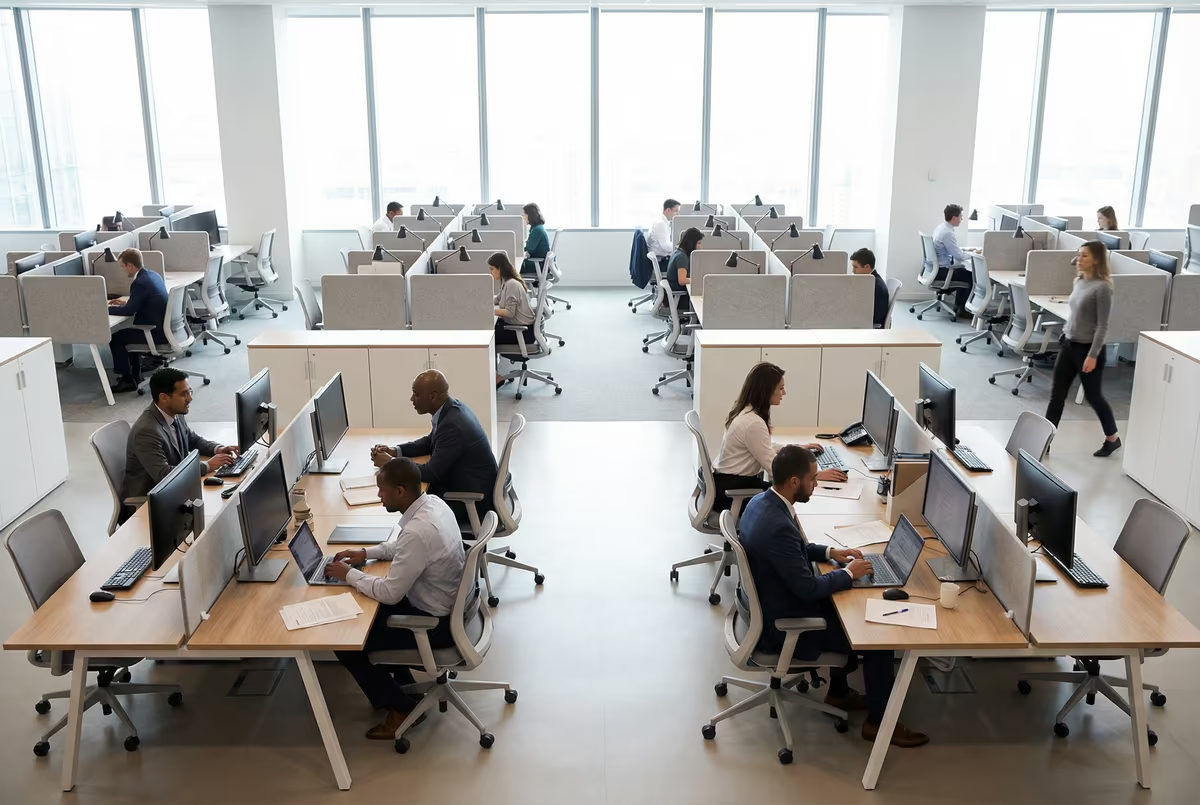
Noise and office distractions are the most obvious problems. A Gensler study revealed that 50% of open-plan office workers reported feeling stressed, whilst 33% struggled with concentration. This isn't mere discomfort—the consequences are measurable. Employees in open offices report higher burnout, take 62% more sick days than those in private offices, and quit at higher rates. The cognitive cost is real: excessive noise impairs judgement, damages short and long-term memory, and can even raise blood pressure and cardiovascular stress.
Lack of privacy creates additional strain. Confidential conversations, sensitive phone calls, and focused work become nearly impossible when colleagues sit within arm's reach. This erodes the professional boundaries many workers need to feel secure and to concentrate on demanding cognitive tasks.
Key Elements of Effective Open Office Design
Creating a functional open office requires moving beyond simply removing walls. Successful modern workspaces integrate several critical elements that balance openness with usability.
Flexible Furniture and Zoning
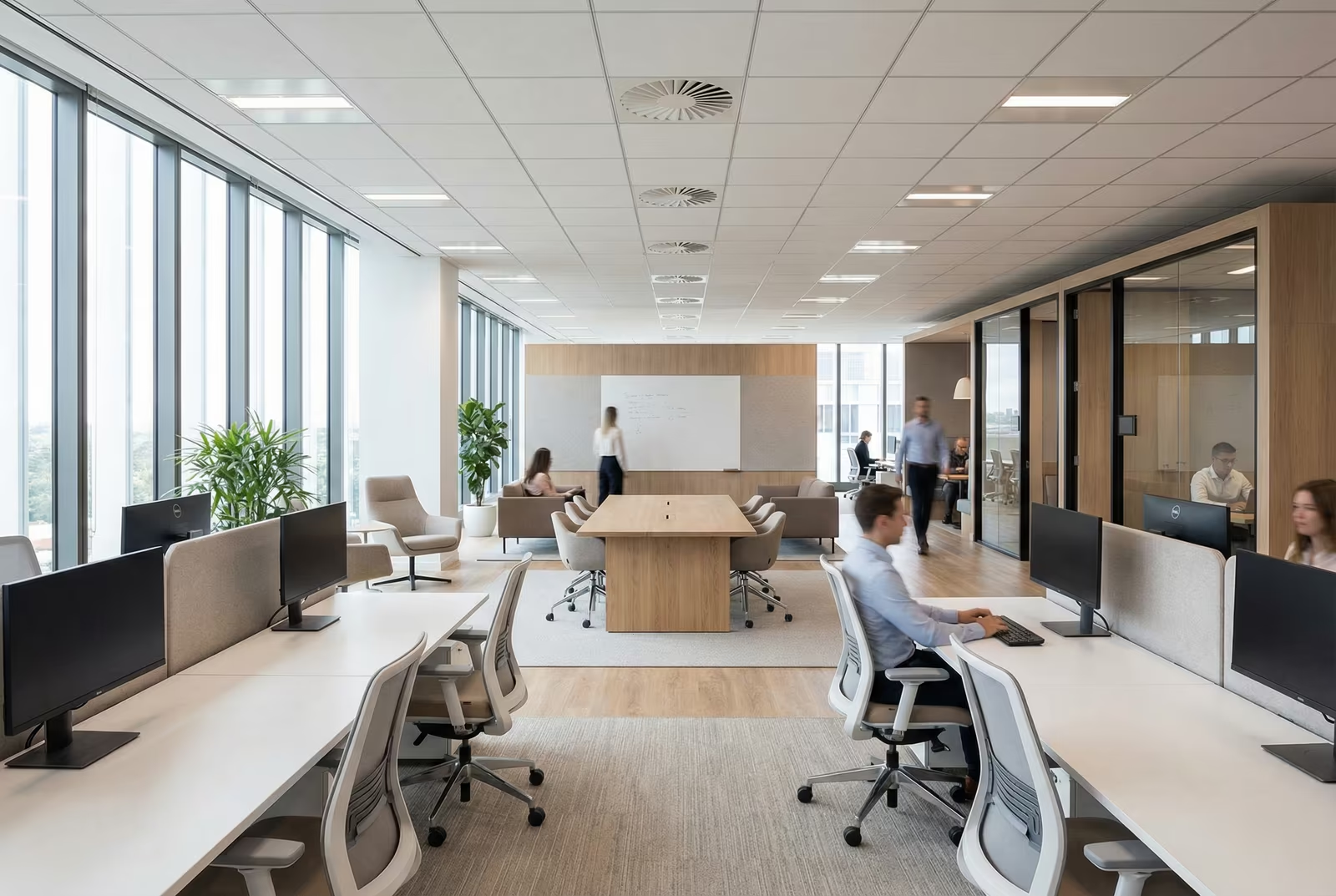
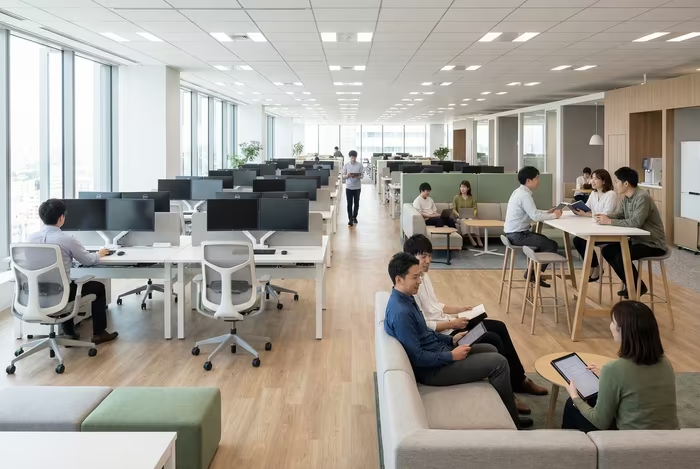
Activity-based working zones are essential. Rather than assigning fixed desks, organisations should create distinct areas for different work modes: collaborative zones with round tables and whiteboards for team sessions; quiet zones with focussed workstations for concentration; and social spaces for breaks and informal conversation. Flexible furniture—modular desks, movable screens, and reconfigurable layouts—allows the space to adapt as organisational needs evolve, creating an adaptable workspace.
Acoustic Design
Acoustics are perhaps the single most critical factor in open office success. Installing acoustic ceiling tiles, sound-absorbing wall panels, and strategic noise barriers significantly reduces sound propagation. Research suggests that acoustic screens placed between workstations can lower speech distractions substantially. The goal is to achieve acoustic privacy—the ability to conduct conversations without disturbing others or being overheard.

Lighting and Environmental Control
Natural light boosts mood and productivity. Whenever possible, position collaborative and focus areas near windows. Supplement with layered artificial lighting that allows adjustment based on task type. Temperature control, ventilation, and air quality also matter; research from the World Green Building Council found that increasing fresh air volume in offices boosted productivity by 11%.
Technology Integration
Booking systems, desk hotelling software, and collaboration platforms help employees navigate shared spaces efficiently. Technology should also support seamless communication between people working remotely and those on site, ensuring hybrid teams feel equally connected and included regardless of location. Persy Work phone booth gives teams a reliable setup for longer video conferences and extended focus sessions.
Biophilic Design Elements
Incorporating plants, natural materials, and views of greenery into office design has been shown to improve employee well-being and reduce stress. Research indicates that offices with biophilic elements see a 15% increase in productivity and employee satisfaction.
Addressing Privacy and Productivity Challenges
The tension between open office ideals and practical working realities has spawned a category of solutions designed specifically to restore the balance between collaboration and focus.
The Noise Problem
Noise is the most frequently cited complaint in open offices. Overlapping conversations, phone calls, keyboard clatter, and background activity create an auditory environment that fragmented attention. For work requiring deep focus—writing, analysis, strategic planning, or creative problem-solving—even moderate noise is severely disruptive.
Acoustic solutions go beyond panels and ceiling materials. Dedicated quiet spaces, focus areas with reduced visual and acoustic stimulation, and enclosed call areas allow employees to escape the ambient noise when they need concentration. These spaces aren't luxuries; they're necessary infrastructure for retaining focus-intensive roles.
Visual Distractions and Sensory Overload
Beyond sound, visual activity—colleagues moving past, meeting activity visible across the floor, numerous simultaneous conversations—creates cognitive load. Employees experience constant interruption risk, a state that burns mental energy and undermines focus even when no actual interruption occurs. Strategic placement of visual barriers and careful design that limits sightlines between work zones can significantly reduce this effect.
Acoustic Privacy Booths
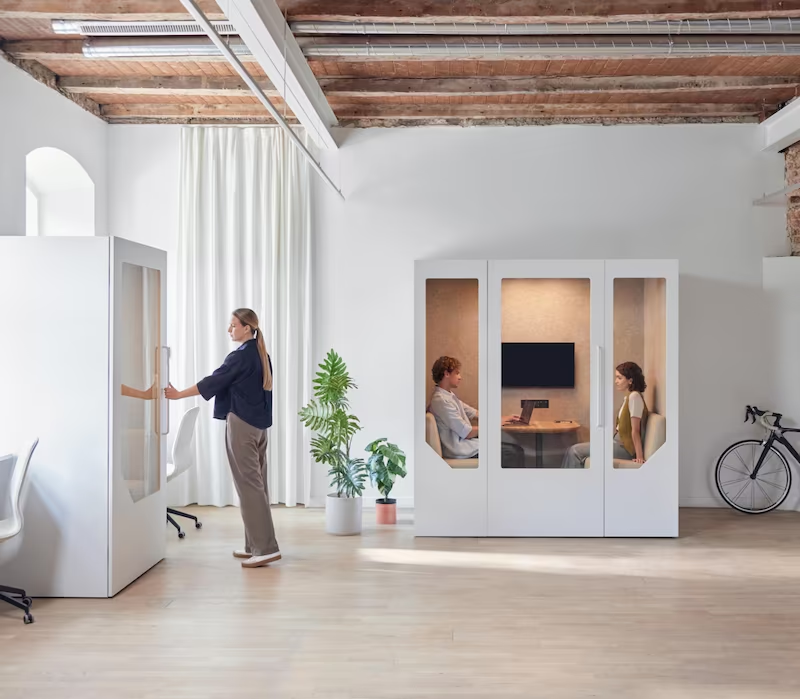
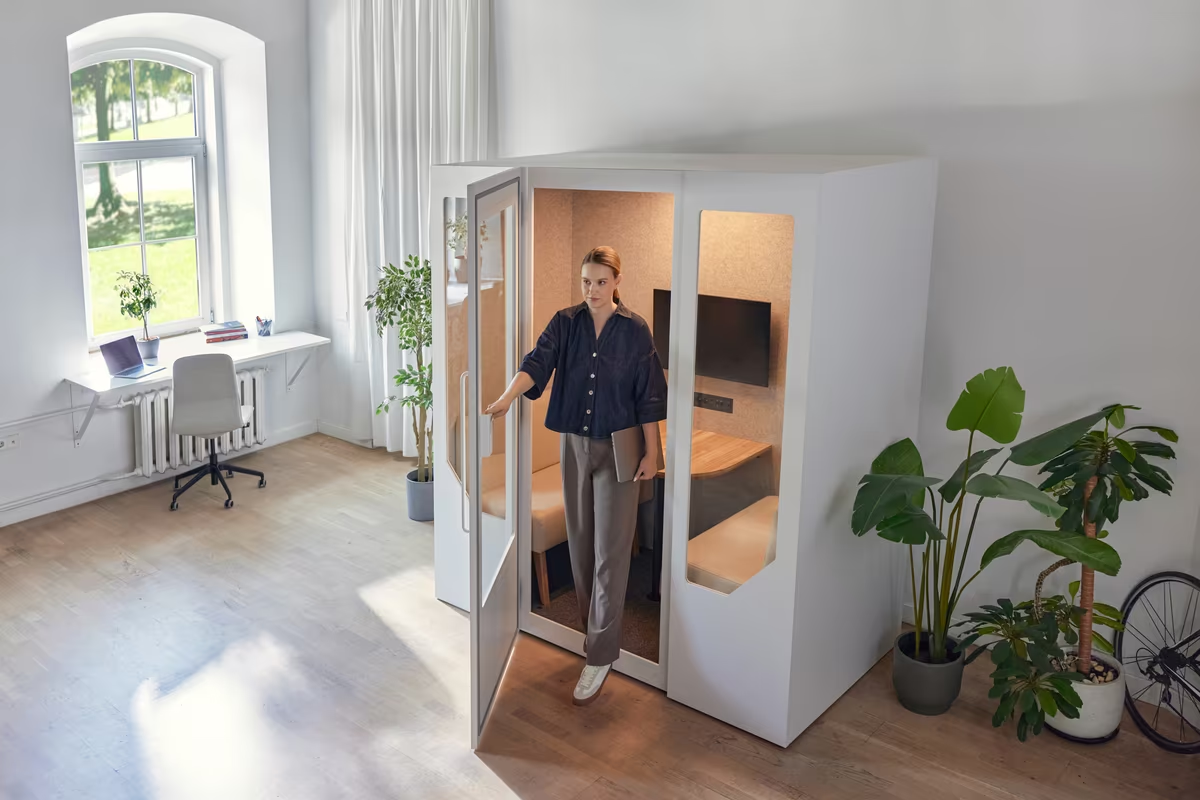
Solutions like soundproof booths and pods have emerged as the most effective intervention for combining open office layout with the private spaces people need. These enclosed spaces contain noise, block visual distractions, and provide a psychological refuge—what architects call "felt privacy." When an employee closes a booth door, they signal to colleagues that they're in focus mode, establishing a cultural boundary that discourages interruption.
How PersyBooths Improves Open Office Spaces
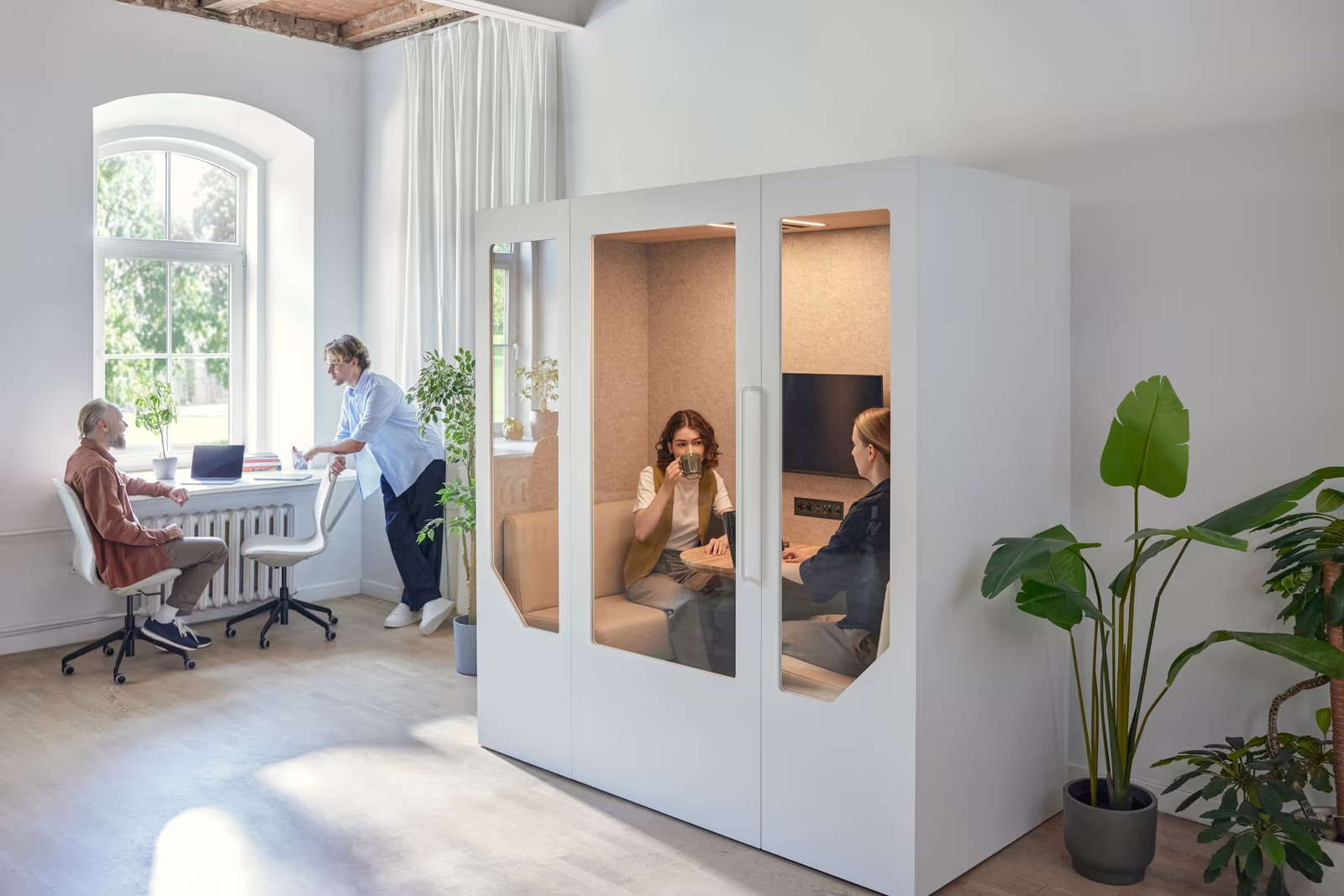
PersyBooths represent a refined approach to solving the open office paradox. Rather than forcing teams to choose between collaboration and focus, PersyBooths create an integrated ecosystem where both thrive.
Acoustic Performance
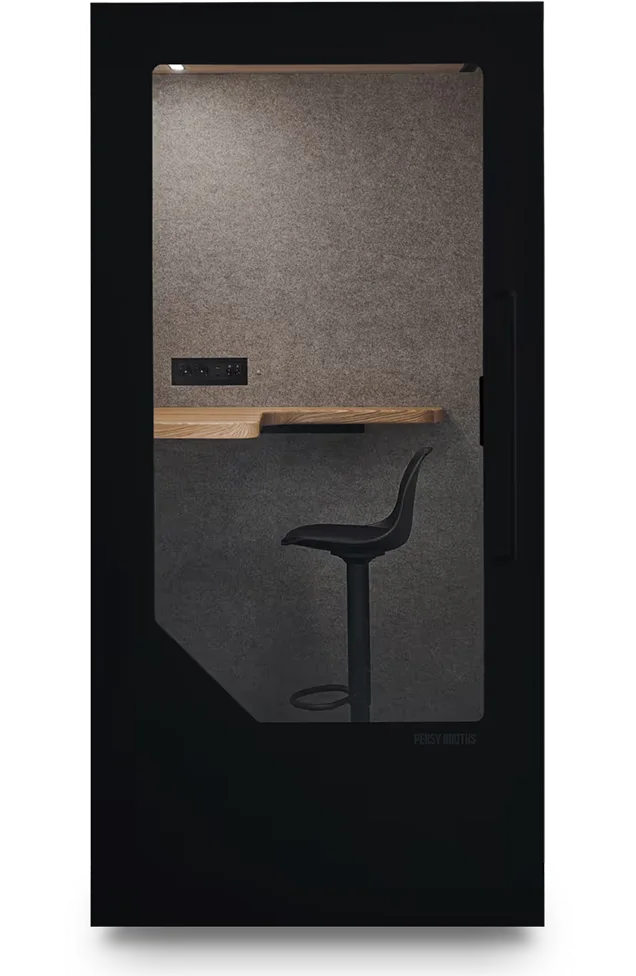
PersyBooths are engineered with industry-leading sound absorption, dramatically reducing both incoming noise and sound leakage from the booth itself. This is essential for confidential calls, focused work, and client interactions. Employees can conduct sensitive conversations without concern for being overheard—a practical necessity in fields like finance, law, healthcare, and HR.
Design Flexibility
PersyBooths integrate into existing open floor plans without requiring architectural changes. They're available in various sizes—from individual phone booths Persy One phone booth, suited for brief calls and focused work, to larger meeting pods, like Persy Four meeting booth, accommodating small teams. This flexibility means organisations can start with targeted deployments, test effectiveness, and scale based on actual usage patterns.
Impact on Productivity
By providing accessible private spaces, PersyBooths address the core pain point of open offices: the inability to find distraction-free time. Employees report measurable improvements in focus, reduced stress, and better work satisfaction when access to quiet, enclosed space is guaranteed. For hybrid teams, PersyBooths also serve as dedicated spaces for video calls, ensuring participants have a professional backdrop and acoustic privacy regardless of whether they're on-site or working from home.
Culture and Behaviour
The presence of PersyBooths subtly reshapes office culture. When private space is available and visibly designated for focus work, teams develop better respect for concentration time. The visible occupied booth becomes a "do not disturb" signal, creating social norms that protect focus even in surrounding open areas. This shifts the default from constant availability to intentional interruption.
Design Inspiration: Real-World Open Office Examples
Across industries, forward-thinking organisations have redesigned their spaces to balance collaboration and focus.
TechFlow Solutions
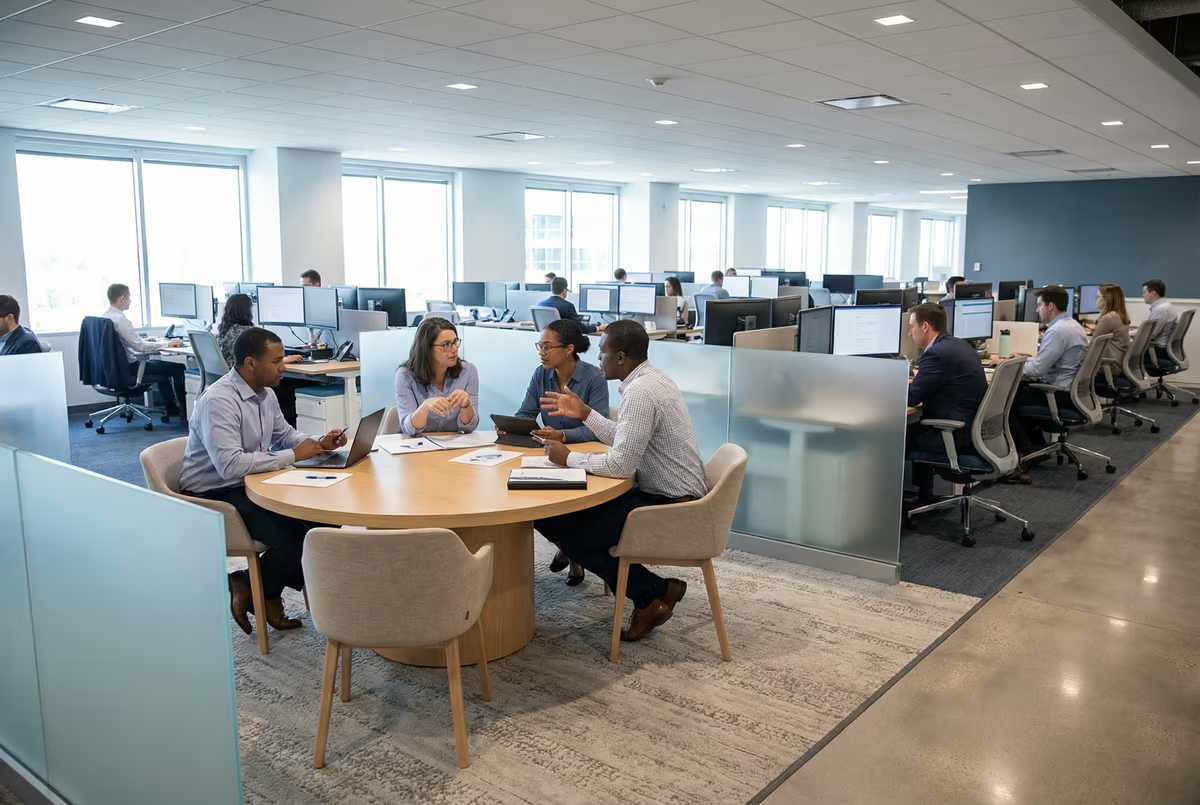
TechFlow, a mid-sized software development company, restructured its 15,000 square-foot office to combine open collaborative zones with integrated focus areas. The layout features a central collaborative hub where developers can pair-program, brainstorm features, and hold daily standups. Surrounding this core are activity-based zones: quiet corners with height-adjustable desks for heads-down coding, two PersyBooths for one-on-one mentoring and focused design work, and a glass-walled meeting suite for client calls.
The result: project delivery times improved 18%, and developer satisfaction with office acoustics rose from 32% to 74% within six months.
Meridian Creative Agency
Meridian, a design and marketing agency, faced a common challenge—creative work requires intense focus, but client collaboration and team brainstorms are equally critical. Their solution blended an open studio floor with designated quiet zones and acoustic privacy booths. Account managers use PersyBooths for confidential client calls; designers can book focused time in quiet areas; and the team gathers daily in the collaborative central space.
This balanced approach has reduced turnover significantly and improved both client satisfaction (fewer communication delays) and creative output.
Nexus Financial Services
Nexus, a financial advisory firm, adapted an open floor plan to comply with strict privacy regulations whilst maintaining team connection. Strategic placement of PersyBooths ensures compliance with client confidentiality requirements while preserving the open, collegial environment partners wanted. Advisors can conduct sensitive client consultations in enclosed, acoustically private spaces, then move to collaborative areas for team planning and training.
Tips for Designing Your Open Office
Redesigning or optimising an open office requires thoughtful planning and employee involvement. Here's how to approach it.
Gather Employee Input
Before making changes, survey your team about their actual work patterns. How much time do they spend in focused work versus collaboration? What causes the most distraction? Which spaces work well, and which don't? Employees know their own needs best. Organisations that redesign without this input often miss critical priorities.
Start with Activity-Based Working Principles
Rather than assigning fixed seats, design spaces for specific activities: collaboration zones for meetings and teamwork, focus areas for concentrated work, and social spaces for breaks and informal connection. This approach respects the reality that different tasks require different environments.
Prioritise Acoustic Solutions
If you're starting with one intervention, make it acoustic. This might mean upgrading ceiling tiles, adding wall panels near meeting areas, or installing dedicated quiet zones. The return on investment is clear; employees in acoustically comfortable spaces report dramatically higher focus and satisfaction.
Introduce Flexible Privacy Solutions
Depending on your space and budget, consider solutions ranging from acoustic screens between workstations to soundproof booths and pods. PersyBooths and similar solutions directly address the open office's biggest shortcoming: the inability to find private space when needed. These investments often pay for themselves through improved retention and productivity.
Design for Hybrid and Remote Work
Modern offices serve as team hubs, not primary workspaces for everyone. Ensure your layout supports effective on-site collaboration whilst providing the connectivity and facilities (video meeting pods, focused work areas) that remote team members need to feel included.
Build a Culture of Respect
Physical design alone isn't sufficient. Establish team norms around interruption, focus time, and workspace etiquette. Some organisations use visual signals—headphones or door status indicators—to communicate when someone needs uninterrupted focus. Others schedule "focus hours" when video calls and non-urgent collaboration pause. Culture change reinforces physical design.
Test and Adapt
Implement changes gradually. Start with one redesigned zone, gather feedback, and refine your approach before rolling out across the office. This iterative process identifies what works in your specific context, rather than assuming generic solutions will translate to your team's needs.
Final Thoughts
The open office isn't dead, but it has evolved. Modern organisations recognise that one-size-fits-all approaches fail because people don't work the same way. The future belongs to thoughtfully designed spaces that combine open areas for natural collaboration with private spaces for focused work, quiet zones for concentration, and social areas for connection.
Companies like TechFlow and Meridian demonstrate that this balance is achievable. By listening to employees, prioritising acoustic solutions, and integrating flexible privacy options like PersyBooths, organisations create environments where both collaboration and focus thrive. The result isn't just a better office—it's a workplace where productivity, well-being, and employee retention all improve.
For a real-world example of transformation, explore how SumUp overcome open-space office distractions with PersyBooths, demonstrating concrete results when privacy and collaboration coexist.
Your office design is a strategic asset. Invest in getting it right, and your team—and your business—will thrive.
FAQ
How can I reduce noise and distractions in an open office?
Are open offices better for collaboration?
What are the main drawbacks of open office layouts?
How do office booths like PersyBooths improve open office environments?
What should I consider when designing an open office for a hybrid team?
Compare Our Private Workspaces
Learn More About Office Design Concepts
A guide to modern, flexible, and human-centered office spaces.

Why Our Private Workspaces Are the Smarter Choice
Watch how Persy Booths deliver privacy and focus – reducing distractions, improving airflow, and blending seamlessly into any office.
- Sold directlyCompetitive pricing, no middleman costs.
- Money-back guarantee30 days risk-free purchase.
- ISO certifiedTested soundproofing up to 28 dB.
- Fast deliveryShips in weeks, installs within hours.
- Trusted by thousandsThousands sold, near-zero returns.
- 3-year warrantyLong-lasting quality, guaranteed.
Design a workplace that actually works