


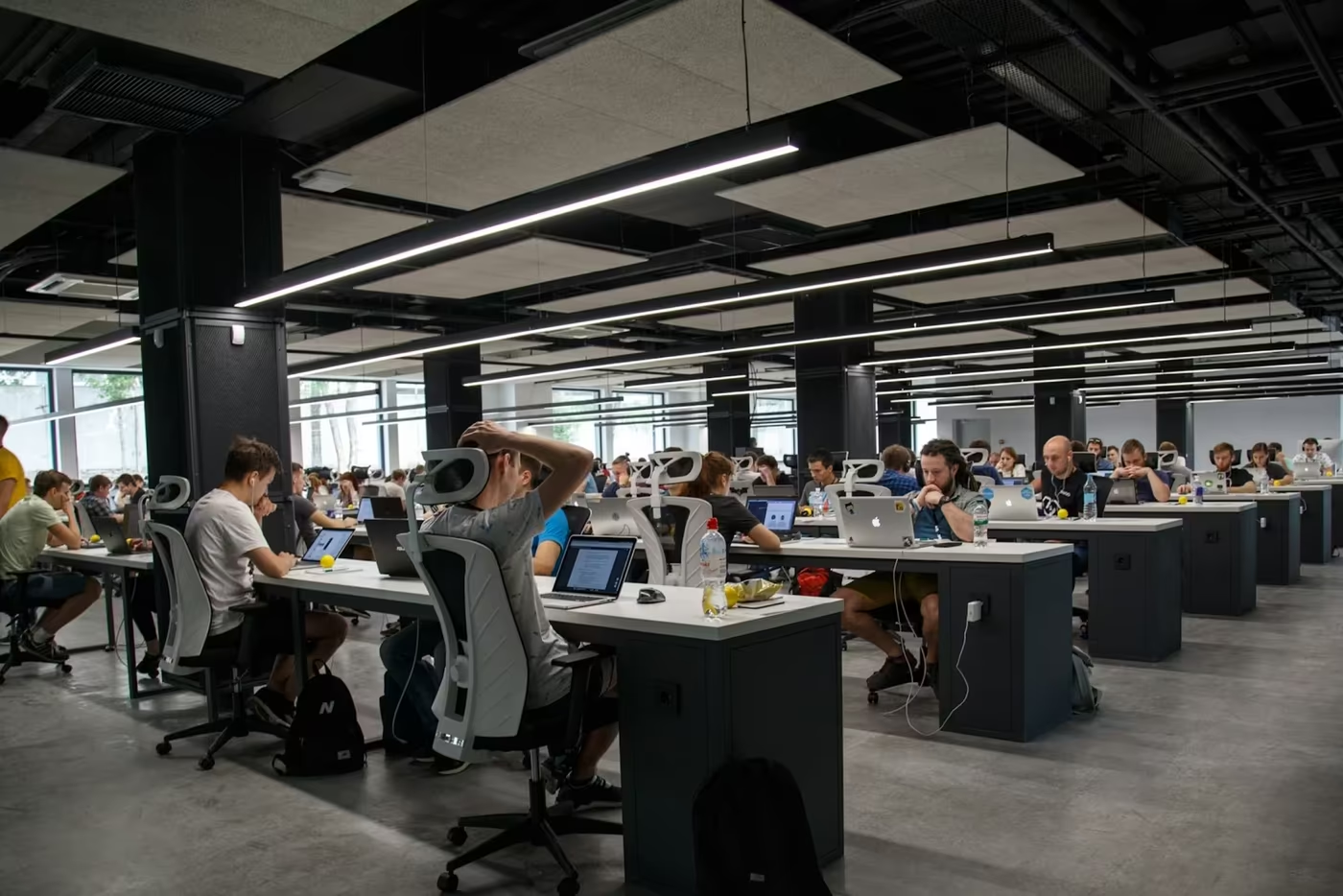
There's a big difference between busy and productive. And too often, we find our minds cluttered and our productivity restricted by little things – the tiny office distractions that just keep getting in the way of the job in hand.
This could be the constant ping of messages or just background chatter, but studies on workplace distractions show these interruptions reduce focused time employees need to complete tasks properly. These disruptions don't just waste time; they break concentration, increase stress, and reduce job satisfaction. When you consider how much productivity distractions cost in terms of output and morale, managing them becomes an essential business priority rather than a nice-to-have.
At Persy Booths, we understand this challenge well. We work closely with companies that want to create a focused work environment, helping them balance functionality and cost. There is of course a natural fit between the issue of office distractions and the soundproof booths we provide, but there is more to "distraction avoidance" – so we thought we would summarise the problem and offer some broader advice that will help you create a more productive and less distracting work environment.
Key takeaways from this article
- The biggest office distractions include general office noise, colleagues, meetings and digital overload.
- Constant interruptions reduce productivity, focus and employee wellbeing.
- A mix of cultural, design and behavioural solutions can dramatically reduce workplace distractions.
- Practical changes – from quiet zones to better meeting habits – help employees stay focused.
Common Office Distractions
The modern workplace has evolved rapidly, but distractions have multiplied just as quickly. Even in organisations that promote focused work, many employees find it difficult to stay on task for long periods. According to Forbes, 79% of office workers can't go a full hour without being distracted, while 59% couldn't even manage 30 minutes.
Below are some of the top workplace distractions that affect most employees every day.
Interruptions from Colleagues
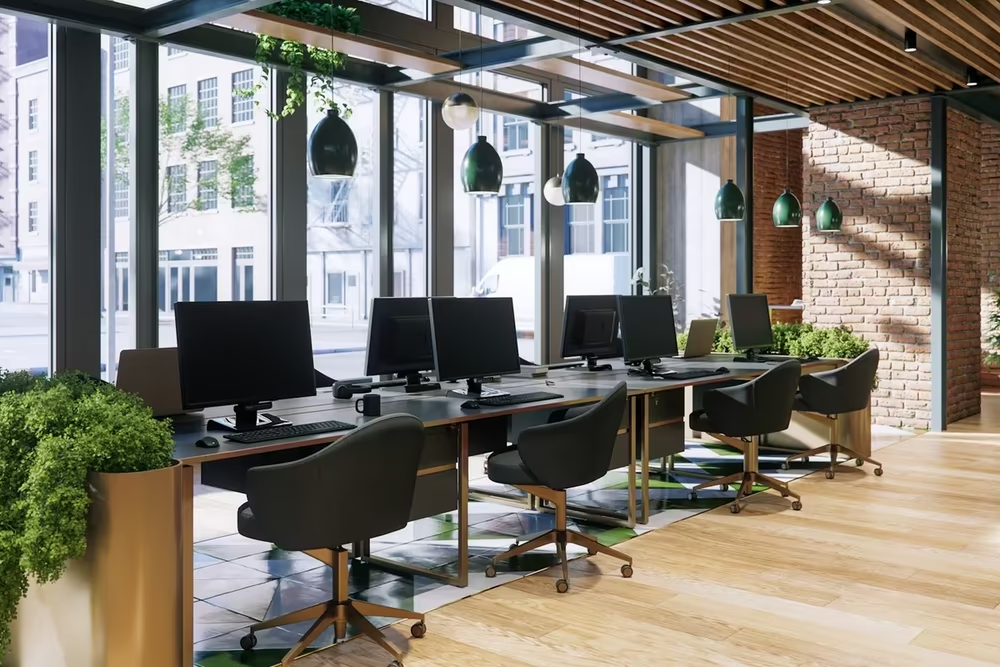
Casual conversations, friendly drop-ins, and chatty coworkers can break concentration faster than any notification. In open plan offices, even short exchanges cause mental clutter that disrupts deep work. For tasks requiring deep concentration, these social interactions can be a major distraction – particularly when they come at unpredictable times.
Providing office pods like the Persy Four soundproof booth gives employees a private space to escape interruptions, take calls or focus on important tasks in peace.
Digital Notifications
From email alerts to instant messages and collaborative platforms, digital interruptions are now constant. Each ping diverts attention and breaks concentration, often leading to significant time spent re-focusing. Over time, these productivity distractions create mental fatigue and lost productivity - not to mention the "fear of missing out" (FOMO) effect if office workers feel there is a social media conversation going on that they should be involved in. Setting notification limits and batching email checks can help manage distractions from tech tools.
Personal Smartphone Usage
Cell phones and social media sites are among the most common workplace distractions. The average employee checks their phone dozens of times during work hours, reducing the ability to dive deep into complex work. Encouraging employees to keep phones out of sight during tasks requiring deep concentration – or to wear noise cancelling headphones instead – can help reduce distractions and increase productivity.
Background Noise
Office noise is one of the biggest distractions at work, especially when acceptable noise levels in the workplace are exceeded. Whether it's conversations, ringing phones, or printers, background noise breaks concentration and adds unnecessary interruptions. In a noisy office, employees may struggle to complete tasks efficiently and feel mentally drained by the end of the day.
In fact, research from the Performing Rights Society (PRS) in the UK reveals that most office workers lose around 15 hours a week to workplace distractions – that's almost 74 days a year of lost productivity. Since the PRS provides the licences that authorise the playing of copyrighted music in public places, their solution is that ambient music can help block out more intrusive (and less tuneful) sounds.
Whether you like music or not, providing quiet zones or using office pods such as the Persy Work phone booth can be an excellent productivity booster, reducing noise levels and offering privacy without isolating staff completely.

Meetings
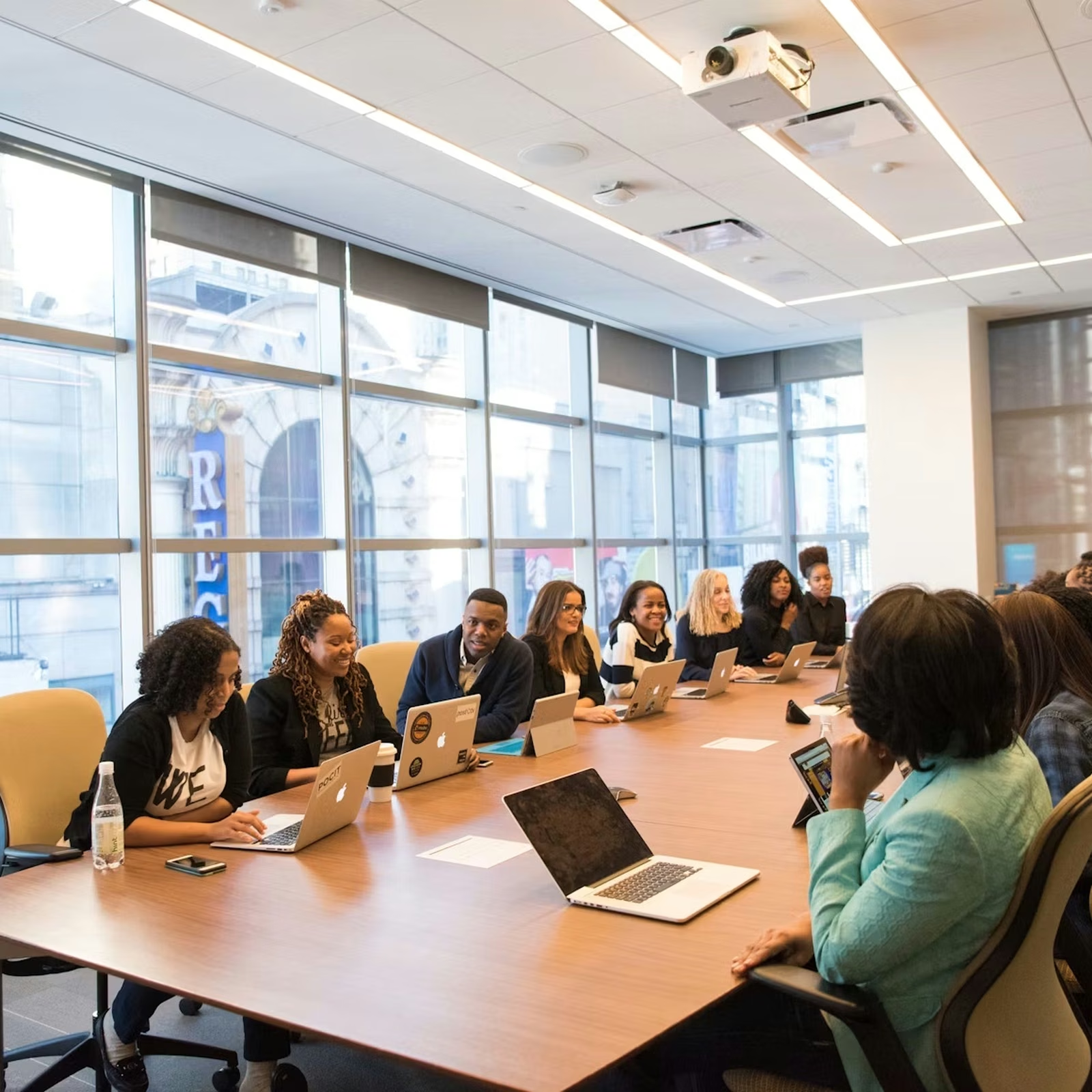
Unnecessary meetings are an underrated cause of lost productivity. Frequent or poorly structured meetings eat into valuable time and prevent employees from doing uninterrupted work. Leaders should schedule meetings only when essential, keep them time-boxed, and ensure every attendee adds value to the discussion. All those unplanned ad hoc meetings are only worth the distraction if they are ultimately valuable. Otherwise, they become yet another way of pulling people away from their important tasks.
Clutter and Visual Distractions
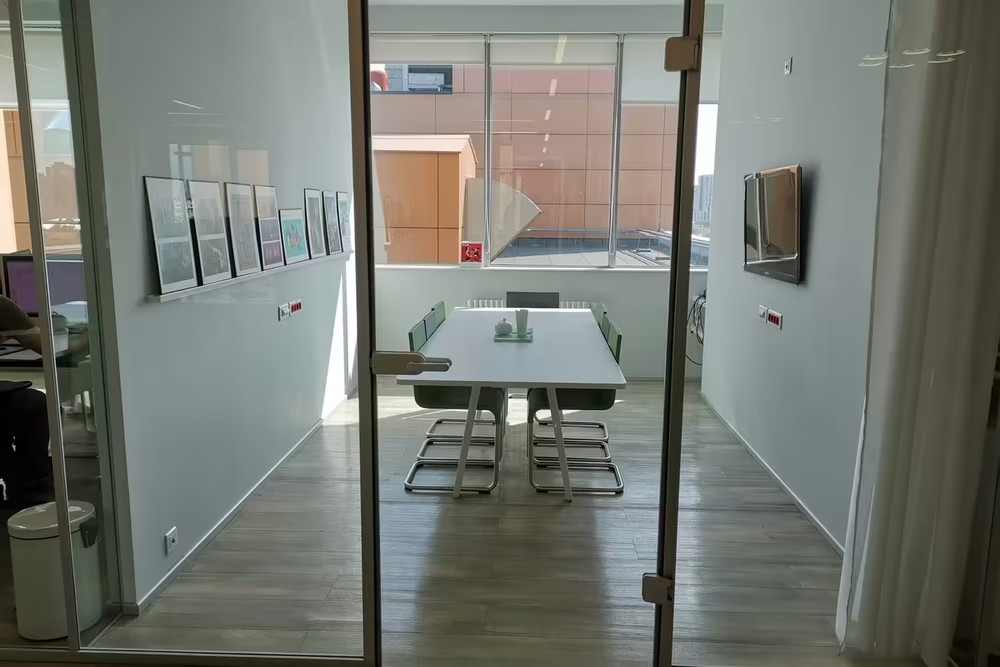
Messy desks, excessive décor, and busy surroundings can all create visual distractions. They break concentration by drawing attention away from work. A clean, organised workspace helps employees stay focused and reduces mental clutter – especially for tasks that require deep concentration or creativity.
Inefficient Technology
Slow computers, outdated software, or poor connectivity are often overlooked sources of distraction. When employees can't complete tasks due to technical glitches, frustration grows, and time is wasted. Investing in reliable systems and IT support not only reduces distractions but also boosts morale.
Strategies to Reduce Office Distractions
Tackling distractions at work requires a mix of environmental design, behavioural change, and clear policy. These strategies help minimise distractions and foster a culture of focus.
Implement Quiet Zones and Focus Pods
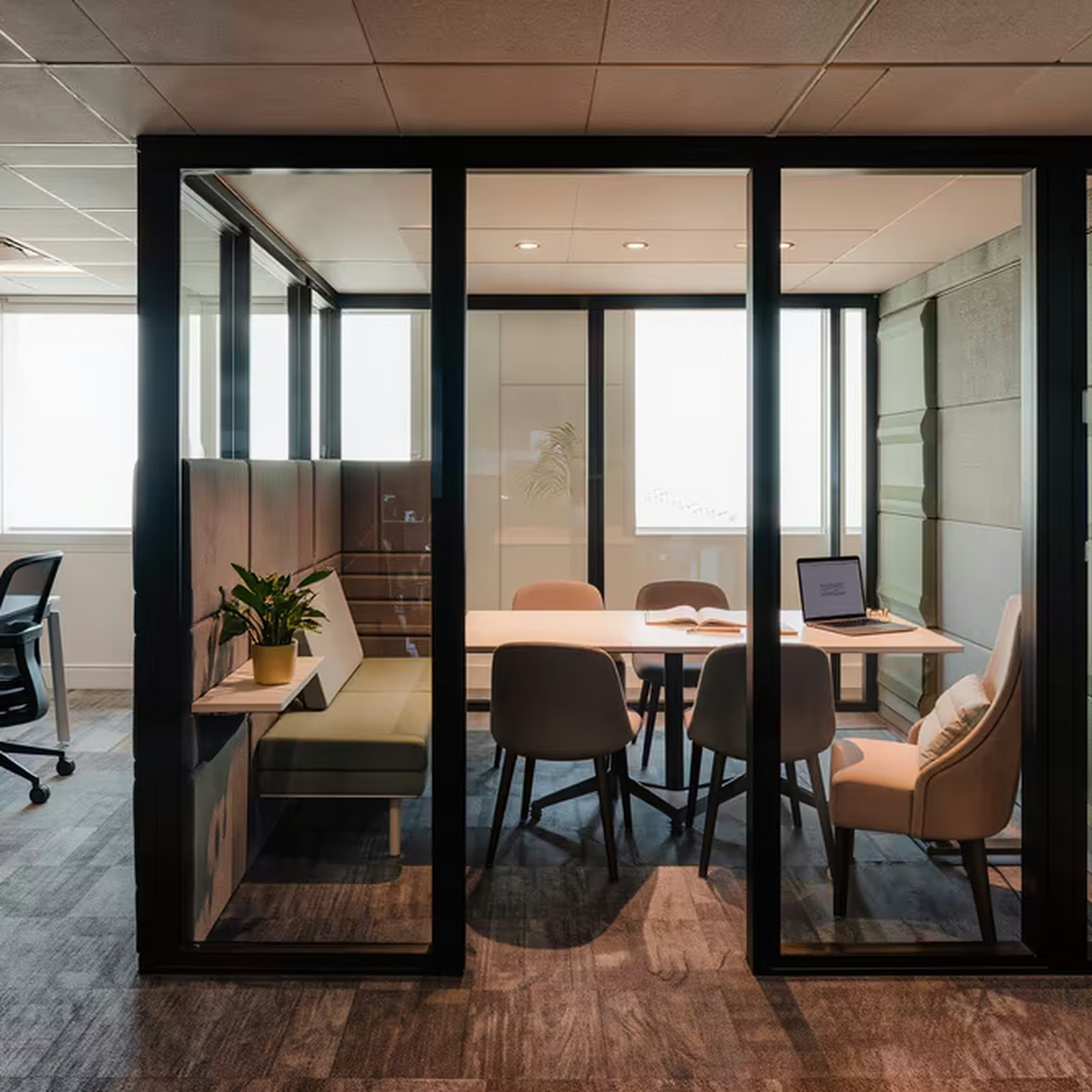
Designated quiet zones are one of the simplest ways to manage distractions. By setting aside areas where noise and movement are limited, employees can focus on deep work without constant interruptions. Using a privacy booth offers excellent acoustic isolation while remaining affordable – allowing many employees to benefit from uninterrupted work.
These spaces, including compact solutions like the Persy One office booth, help reduce burnout, promote mental clarity and improve overall job satisfaction.
.avif)
Optimize Digital Communication
With constant messages and alerts, digital overload is a modern workplace epidemic. To reduce distractions, organisations should:
- Define clear response expectations for emails and chat apps.
- Encourage “notification hygiene” – turning off alerts during focus time.
- Consolidate platforms to reduce unnecessary interruptions.
This helps employees manage distractions and stay focused on tasks that truly matter.
Streamline Meetings and Collaboration
One of the most effective ways to increase productivity is to rethink how meetings are scheduled and run. Encourage teams to:
- Combine updates into fewer, shorter meetings.
- Share agendas in advance.
- End sessions on time.
- Replace unnecessary meetings with asynchronous updates.
When meetings are planned strategically, employees regain valuable time and avoid distractions that break their workflow.
Organize Workspace and Reduce Visual Clutter
An uncluttered workspace improves mental focus. Encourage staff to keep desks clear, store away non-essential items, and use minimalistic layouts. This reduces visual distractions and makes the environment more conducive to focused work.
Even small environmental tweaks – such as neutral colours, good lighting, designated storage areas, and ideas from "Does furniture absorb sound" can significantly reduce distractions at work.
Upgrade Technology and Systems
Technical frustrations waste time and reduce morale. Ensuring fast, reliable systems prevents small problems from becoming daily interruptions. Upgrading key software, using cloud-based tools, and offering prompt IT support help employees complete tasks more efficiently and avoid distractions caused by outdated equipment.
Conclusion
Distractions at work are more than just minor annoyances – they're a major drain on focus, wellbeing and company performance. Open plan offices, constant notifications, and unnecessary meetings all play a role in creating environments where employees are frequently distracted, as shown in how SumUp reduced office distractions.
But these problems are solvable, and the solutions shouldn't break the bank. At Persy Booths, for example, we design our products to offer great productivity benefits without requiring huge investment – and since we sell direct, our customers also avoid expensive reseller commission costs. Whether through soundproof office pods or simple layout changes, creating a focused work environment is one of the smartest investments any company can make.
With quiet zones, mindful communication, better meeting habits and improved workspace design, organisations can reduce distractions and restore deep concentration. And by fostering a culture that values focus, businesses can reclaim lost productivity and help employees thrive.
FAQs
.avif)
Passionate, progress-driven venture & business developer with startup and corporate experience. I speak business, while keeping customers in my heart.

.avif)