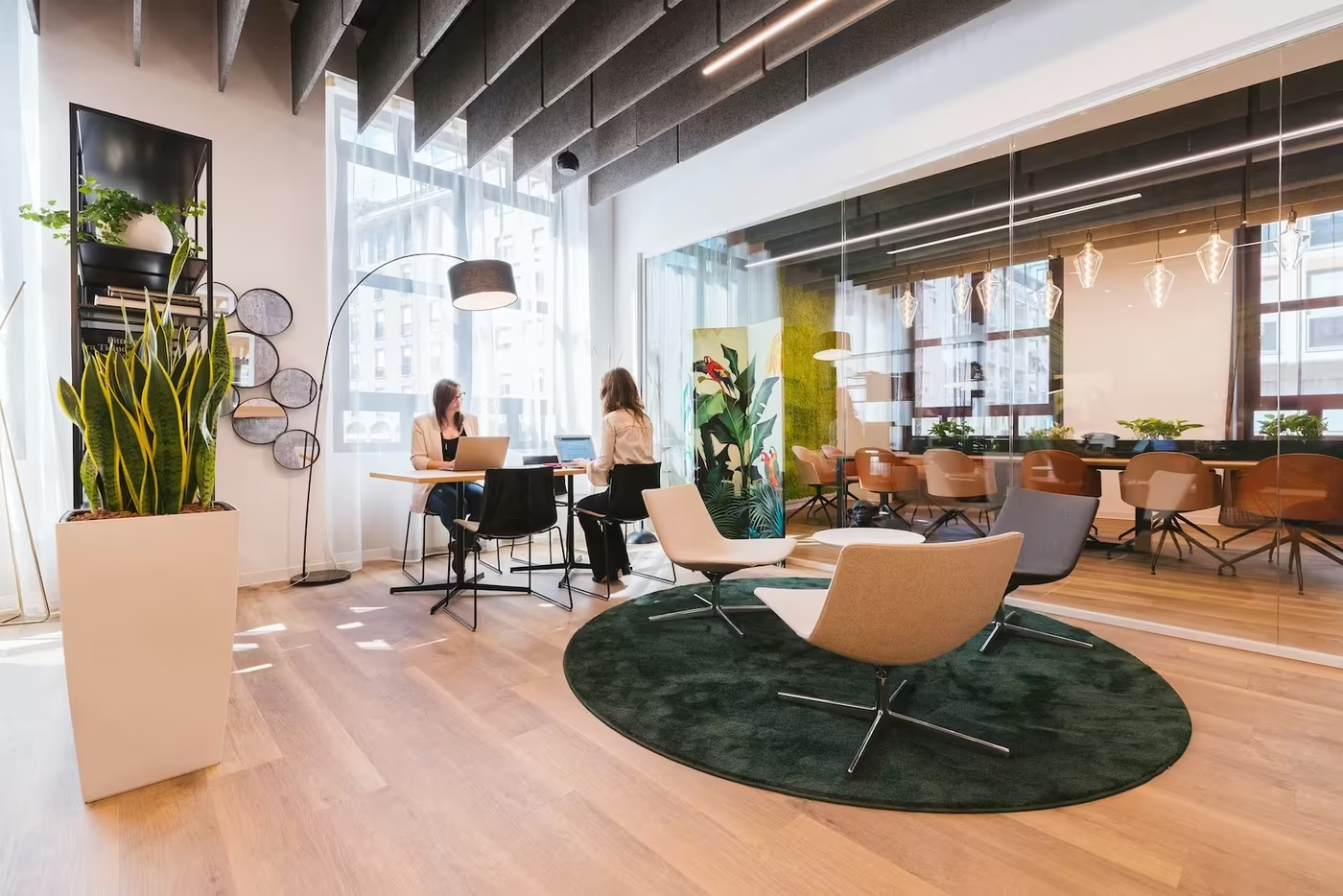
Designing an inspiring coworking space in 2026 isn’t just about good looks — it’s about creating a supportive environment that balances comfort, cost, flexibility, community, and productivity. Thoughtful coworking space design is essential for creating the best spaces, ensuring that members have access to diverse seating options, balanced layouts, and amenities tailored to their needs.
Sure, you can have retro video games, espresso machines and lots of interesting art on the walls. But coworking spaces have to work for members – that’s what they’re for after all. The best spaces are designed to meet the needs of modern professionals, offering functionality, versatility, and an atmosphere that fosters both productivity and collaboration.
With the coworking industry continuing to expand, more members expect thoughtful layouts, adaptable workspaces, and amenities that enhance their coworking experience. Modern professionals are seeking innovative, flexible, and community-oriented environments. As an established provider of high-quality soundproof to coworking spaces, Persy Booths is central to this trend, helping to create a welcoming environment that promotes productivity and innovation.
This guide explores the best coworking ideas to help you design a workspace that supports personal and professional growth, welcomes prospective members, and strengthens your local business community.
Key Takeaways from This Article
- Learn 15 practical coworking ideas to improve layout, productivity, and the overall coworking experience.
- Understand how smart design boosts community, collaboration, and networking whilst keeping costs under control.
- Discover how event spaces, acoustics, private offices, and smart tools attract new members and potential members.
Introduction to Coworking
Coworking spaces have transformed the modern work environment, offering a shared workspace where professionals from various industries can connect, collaborate, and grow. Unlike traditional office space, a coworking space is designed to be flexible and dynamic, catering to the needs of remote workers, digital nomads, freelancers, and small businesses. This shift away from the traditional office has created opportunities for individuals to work in a more inspiring and supportive environment, surrounded by a diverse mix of people and ideas. As the demand for flexible work arrangements continues to rise, coworking spaces have become essential hubs for creativity, productivity, and innovation, providing the space and resources needed for both independent workers and teams to thrive.
Understanding Target Audience
A successful coworking space starts with a deep understanding of its target audience. Whether you’re welcoming freelancers, startups, small businesses, or creative professionals, it’s important to recognize their unique needs and preferences. Some members may seek private offices for focused work, while others might prefer open desks or flexible seating that encourages interaction. By offering a variety of workspace options, you can cater to diverse needs and create an inclusive environment. Hosting events such as networking events, workshops, and seminars not only attracts potential members but also strengthens community engagement. The best coworking spaces are those that listen to their members, adapt to their feedback, and create opportunities for meaningful connections and collaboration.
15 Inspiring Coworking Ideas
1. Offer Multi-Functional Open Workspaces
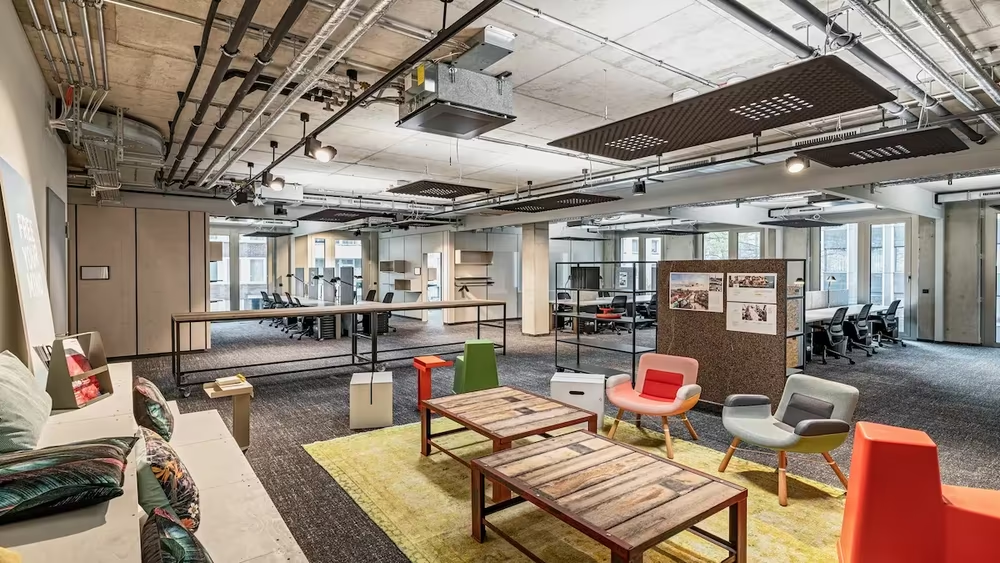
A well-designed coworking space needs versatile zones that work for everything from brainstorming to deep focus. Multi-functional open areas allow members to collaborate freely, host informal discussions, or simply enjoy the energy of a shared workspace. A thoughtfully planned coworking office should also encourage interaction among members by integrating shared tables, casual break areas, and strategically placed zones. And it’s not just a “nice to have” either. The World Green Building Council has produced a report outlining how coworking members are more productive and successful when they have the right environement to work in.
To make this work:
- Combine standing desks, soft seating, and flexible tables.
- Include dedicated desks as part of the seating options to accommodate different user needs, from daily drop-ins to those seeking a consistent workspace.
- Keep circulation routes intuitive so members don’t interrupt each other.
- Use zones that gently signal “collaboration” versus “quiet”.
This supports startups, freelancers, and entrepreneurs who rely on adaptable spaces to meet their shifting business goals.
2. Add Semi-Private Focus Zones
Even the most collaborative coworking space needs quiet corners. Semi-private focus areas such as the Persy Two acoustic booth give members room for uninterrupted concentration, private calls, or sensitive work. Designating quiet areas, strategically placed away from noisy communal zones, is essential for providing focused work environments and improving productivity. They can be designed using acoustic screens, small rooms, or compact booths.
A helpful, budget-friendly solution is a privacy booth such as Persy Four. These clearly differentiate quiet spaces from collaborative ones, and brands like Persy Booths offer practical advice, fast delivery, and honest guidance — ideal when you’re trying to balance cost with quality. Privacy booths and acoustic solutions also help manage noise in the coworking environment, enhancing privacy and reducing disturbances.
3. Include Tech-Enabled Collaboration Areas
Tech-enabled collaboration rooms are essential in 2026. Video conferencing, interactive displays, and smart boards help distributed teams engage effectively. Flexible conference rooms that can accommodate various functions such as workshops, presentations, and team meetings are also crucial. Features like movable furniture and good acoustics maximize space utility for different needs.
Strong collaboration spaces also attract prospective members who value hybrid-ready environments. Ensure the tech is easy to use without requiring IT support — a mistake many space operators make when they over-invest in complex systems.
Embedding technology enhances productivity and streamlines communication, especially during a networking event or team workshop.
4. Use Modular and Ergonomic Furniture
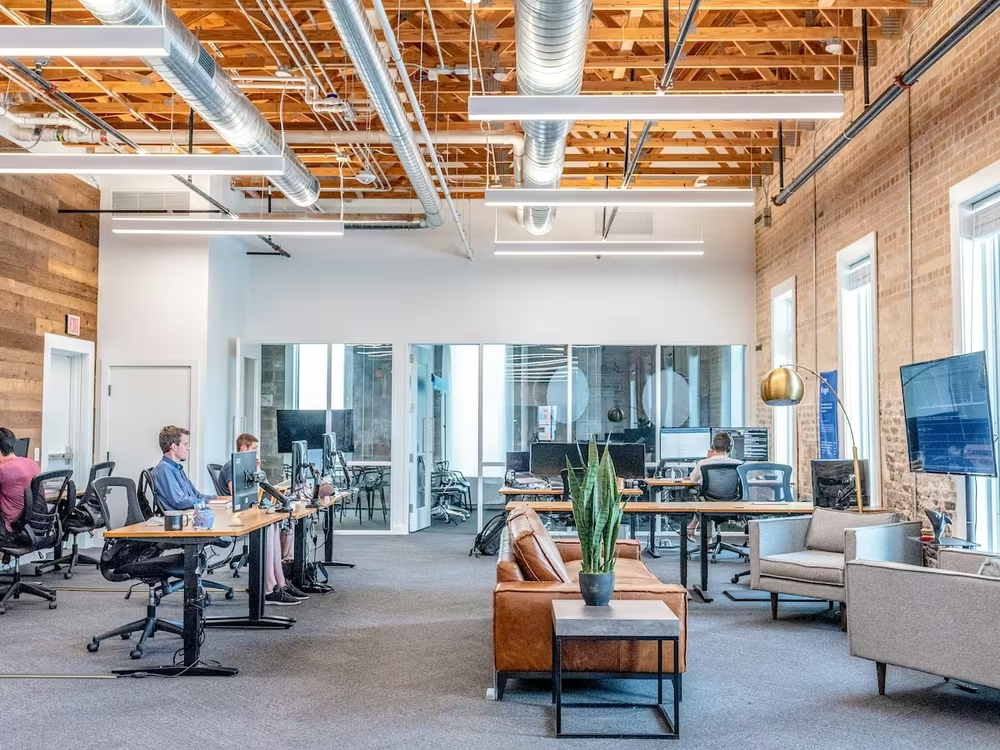
Modular furniture is one of the most cost-effective coworking ideas because it adapts to changing demands. Whether you’re hosting workshops, a speed networking session, or rearranging for coworking events, movable setups create flexibility without constant refits. Modern furniture further enhances both the look and functionality of coworking spaces, signaling professionalism and supporting a productive environment.
Ergonomic chairs and adjustable desks also improve well being, reducing fatigue and helping members stay focused. When considering larger additions, such as a soundproof modular meeting room, avoid overspending on excessive features. Practical, honest suppliers will guide you toward what you really need.
5. Integrate 'Biophilic' Design and Natural Elements
What’s “biophilic”, you ask? Biophilic design remains a leading coworking industry trend supported by research into nature in the workplace. It means using plants, organic textures, daylight flow, and earthy colour palettes to help reduce stress and increase productivity. Incorporating plants and natural elements can improve air quality and support physical and mental health in the workplace. The International Well Building Institute (IWBI) recommends a biophilic approach to designing workspaces to boost concentration and general wellbeing — a natural fit when “well being” is a major priority for members. Check out their studies on how to use natural daylight, for example, to create the perfect coworking environment.
In general, biophilic design means aiming for:
- Large indoor plants
- Wood or stone textures
- Layouts that maximise natural light
- Seating aligned with large windows
This approach elevates the sense of comfort and makes the space feel more welcoming and inspiring.
6. Create Dedicated Community and Event Spaces
Coworking is about community — and nothing strengthens that connection like purpose-built event spaces. These areas support workshops, a networking event, speed networking sessions, or even a casual book club. By fostering active participation and creating networking opportunities, coworking spaces bring together diverse professionals, encouraging engagement and collaboration.
When planning these spaces:
- Include AV equipment for guest speakers
- Ensure seating is flexible
- Provide good acoustics
- Make the layout approachable so new attendees feel welcome
These events help retain current members, attract new members, and give prospective members reasons to attend and join.
_opt_1000%20(1).avif)
7. Optimise Acoustics and Noise Control
Noise is the number one complaint in shared offices and has measurable effects on stress and focus. Good acoustic management improves concentration, which is essential for freelancers and employees working toward specific business goals. Designated quiet zones and soundproof booths are essential for members who need to make phone calls without disturbing others.
Options include:
- Acoustic ceiling tiles
- Wall baffles
- Soft furnishings
- Strategic layout
- Soundproof phone booths
For example, office pods from brands like Persy Booths provide quiet, enclosed spaces for calls or focus work. If you want to get the best deals on these kinds of pods, ensure you’re buying direct from a manufacturer rather than through a distributor channel – it could make a huge difference.
.webp)
8. Leverage Colour Psychology and Branding
Colour is a subtle but powerful design tool in a coworking space. It influences mood, productivity, and the overall sense of energy within a shared workspace. Warm tones can spark creativity, blues and greens help with focus, and neutral palettes provide calm.
Coworking spaces increasingly match their colour schemes to their values and their membership community. For example, bright hues can support innovation, while earthy tones suit environments prioritising wellbeing. Just avoid overspending on unnecessary decorative features — invest instead in upgrades that help your members work better.

9. Design Inspiring Common Areas
The most successful coworking spaces offer inviting common areas that feel social, relaxed, and collaborative. Common spaces, communal areas, and breakout areas are essential for fostering social interaction, networking, and spontaneous collaboration among members. This is where connections happen — especially between members who might otherwise work alone.
Inspiring communal zones such as lounges, reading nooks, casual seating, or a communal kitchen encourage spontaneous conversations. Shared lounges are also essential spots for relaxation and informal meetings. They also provide a fun way for people to interact during coworking events, whether a book club, a lunch group, or informal meetups.
These warm spaces strengthen the overall community and often become the heart of the membership experience.

10. Include Private Phone Booths and Micro-Pods
Phone booths and micro-pods like the Persy One office booth are essential in 2026, especially in busy coworking spaces where privacy can be limited. These compact, enclosed rooms allow members to make sensitive calls, focus quietly, or record audio without distraction. Providing these smaller spaces also reassures prospective members that the environment supports different working styles and levels of privacy.
The Persy Work booth is a dependable, affordable solution. We also aim to keep the process of choosing the right booth straightforward. We offer friendly advice, fast delivery, and no-nonsense installation — and will help you avoid overspending on the wrong specification!
11. Highlight Local Culture and Art
Showcasing local artists, neighbourhood photography, and regional storytelling creates a strong sense of identity. Incorporating historic charm and exposed brick walls can further enhance the coworking environment, giving it a distinctive and memorable atmosphere that stands out from generic corporate spaces.
Highlighting local culture reinforces your place in the local business community while making the coworking space visually memorable.
This resonates with members looking for authenticity, boosts engagement, and differentiates your workspace from other spaces that might follow more generic corporate design templates.
12. Implement Sustainable and Future-Proof Designs
Sustainability continues to be a priority across the coworking industry. Eco-conscious members appreciate recycled materials, energy-efficient lighting, and suppliers who can demonstrate low-impact manufacturing methods.
Practical steps include:
- Choosing long-lasting, modular furniture
- Installing LED lighting
- Maximising natural light
- Adding greenery
- Working with manufacturers who minimise waste
These features help members feel good about the space, while lowering long-term costs for space operators.
13. Include Outdoor Workspaces
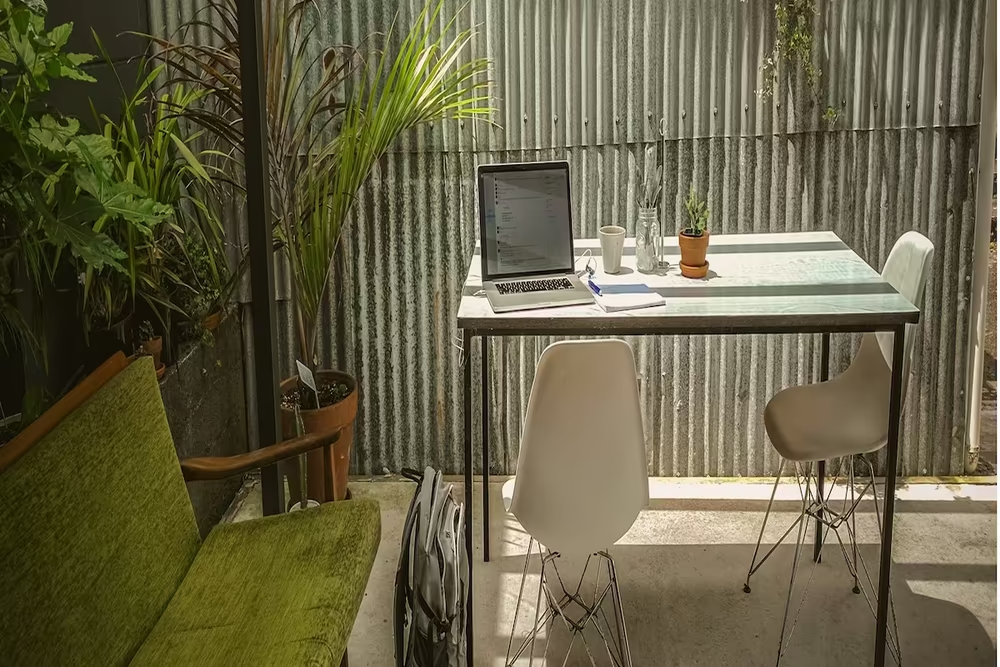
Outdoor coworking spaces give members a refreshing alternative to indoor work. They support mental well being, spark creativity, and even help attract potential members who value lifestyle-oriented work environments.
Simple additions such as seating, shade structures, Wi-Fi, and weather-resistant tables transform a terrace or courtyard into a productive outdoor workspace. These spaces can also host casual events, such as coffee mornings or seasonal gatherings.
14. Create Wellness and Relaxation Corners
Wellness corners support mental health, physical comfort, and general well being. Even small areas devoted to relaxation help members decompress and refocus.
Options include:
- Soft seating
- Yoga mats
- Quiet corners
- Stretching areas
- Low-light spaces
This is particularly appreciated during busy periods or after intense coworking events. Creating a supportive, calming atmosphere boosts retention and makes your coworking space feel more human.
15. Integrate Smart Workspace Management Tools
Smart tools support workspace optimization by helping manage meeting rooms, event spaces, attendance, desk-booking, analytics, and print documents. This data helps space operators understand which spaces are used most efficiently and which need improvement.
AI-powered systems can also support:
- Better scheduling
- Visitor traffic insights
- Automated access control
- Resource allocation
This ensures members always have access to the rooms, desks, or event spaces they need. It also assists teams planning a networking event or workshops, making everything smoother for attendees.
Smart systems are a practical way to improve the coworking experience without adding unnecessary labour for your staff.
Best Practices for Coworking Spaces
Designing an effective coworking space means paying attention to the details that matter most to members. Prioritizing natural light, comfortable seating, and fast WiFi helps create a welcoming environment that encourages collaboration and productivity. Incorporating biophilic design elements—like indoor plants and green walls—not only improves air quality but also enhances well being and creativity. Amenities such as coffee machines, meeting rooms, and quiet zones add value and convenience, while phone booths and wellness rooms provide private spaces for calls or relaxation. By integrating these design ideas, coworking spaces can appeal to potential members and foster a sense of community, making the space a place where people want to work, connect, and create.
Conclusion: Time to Transform Your Coworking Space!
Designing an inspiring coworking space in 2026 is about creating an environment where members can thrive — socially, creatively, and professionally. The best coworking ideas strike a careful balance between cost and quality: focusing on what genuinely supports productivity, collaboration, and community, while avoiding overspending on unnecessary features. These strategies help your space stand out from other coworking spaces by offering unique amenities and features that set you apart in a competitive market.
Working with honest, practical suppliers makes all the difference. Brands like Persy Booths keep things simple, offering friendly advice, quick delivery, and reliable guidance on everything from private offices to meeting pods — helping you take full advantage of your space without the hassle.
With thoughtful design, clear planning, and smart investments, you can create a coworking space that attracts new members, delights current members, and supports sustainable growth for years to come. Encourage your members to share ideas and collaborate, fostering a culture of ongoing improvement and innovation.
FAQs
.avif)
Passionate, progress-driven venture & business developer with startup and corporate experience. I speak business, while keeping customers in my heart.

.avif)