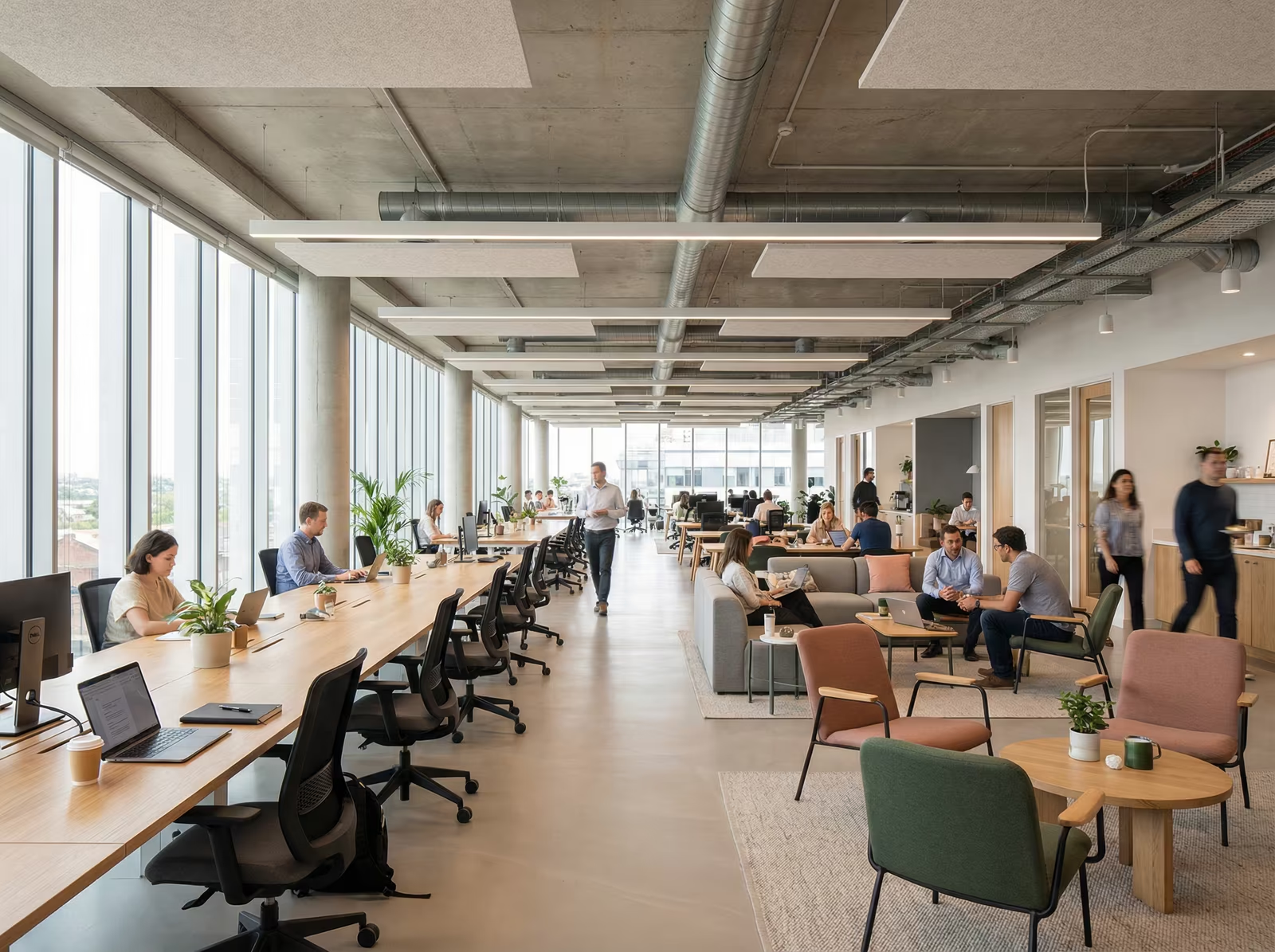
If you want your business to stay relevant and up to date, it makes sense to give employees a workplace that does the same. A modern office means more than a room full of desks and chairs. It means a working environment designed to help people do their best work – whether that’s collaborating with a team, meeting customers, or getting an hour of focused work done without interruption. In recent times, the way we use office spaces has shifted fast, and businesses have had to transform layout, furniture, and technology to keep up with evolving needs.
Persy Booths works closely with organisations tackling these challenges first-hand. One early lesson is this: great office design isn’t about spending the most money. It’s about making smart choices that balance function and cost. It’s easy to over-invest in equipment (including premium acoustic solutions) when what you really need is the right mix of spaces, the right office furniture, and a plan that fits how your employees actually work.
Key takeaways from this article
- A contemporary office supports multiple work styles through flexible office design, not a one-size-fits-all layout.
- The most effective office environment balances collaboration with quiet zones for focused work.
- Natural light, natural materials, and ergonomic office chairs improve comfort, better posture, and mental health.
- Smart features like occupancy sensors can help businesses plan space better and reduce wasted floor area.
- Brand identity and aesthetic choices shape how employees and clients perceive your workplace.
Key Principles of Modern Office Design
Modern office design tends to succeed when a few fundamentals are in place. These principles show up again and again, whether you’re refreshing a home office desk setup or planning a full refurbishment of multiple office spaces across a business.
Functional and Flexible Layouts
In everyday terms, hybrid working simply means employees choose where they work depending on what helps them perform best. Some days may be spent working remotely for focused tasks, while other days are spent in the office environment for collaboration, team meetings, and social interaction. This flexibility helps create a more adaptable and productive work environment. A modern office has to work hard. The same floor may need to support quiet individual work, impromptu collaboration, formal meeting rooms, touchdown spaces for short visits, and areas where people can decompress. That’s why flexibility is a key priority.
In practical terms, flexibility means designing the workspace so it can change without drama. Moveable walls and modular workstations make it easier to reshape a room when teams grow, projects change, or attendance patterns shift. A flexible layout also helps you avoid clutter – when storage, cable management, and circulation routes are planned properly, the space feels calmer and more professional.
This matters even in smaller environments. In a compact office or hybrid setup, the right home office furniture and carefully chosen office desk options can create a workspace that feels intentional, not squeezed in. A good plan makes the most of every corner while keeping the working environment comfortable and functional.
Balance Between Collaboration and Focus
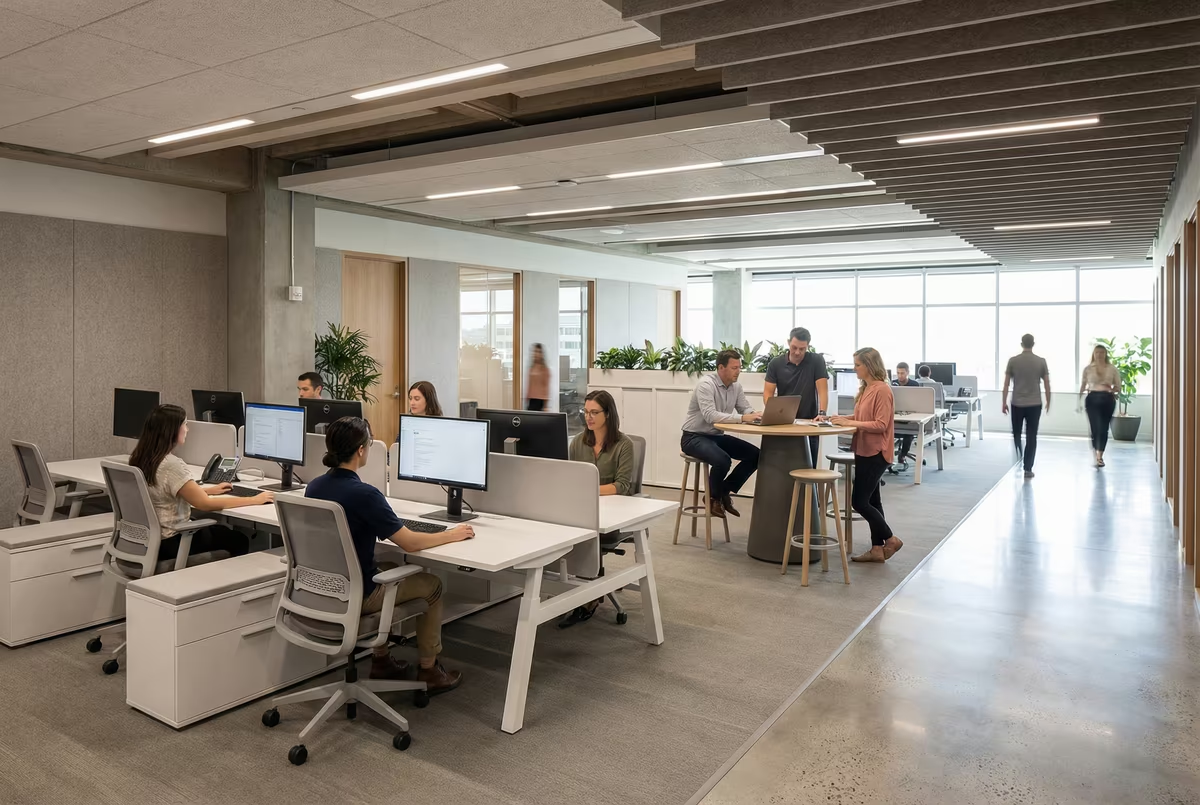
The modern workplace is expected to encourage productivity, but that doesn’t mean making everything “open”. Collaboration is valuable, yet constant noise and interruptions are a common reason people struggle to focus.
The answer is balance. Open collaboration areas work best when they’re adjacent to quieter zones designed for focused work. That might include small rooms, library-style areas, and acoustic spaces where calls and deep concentration can happen without disrupting others.
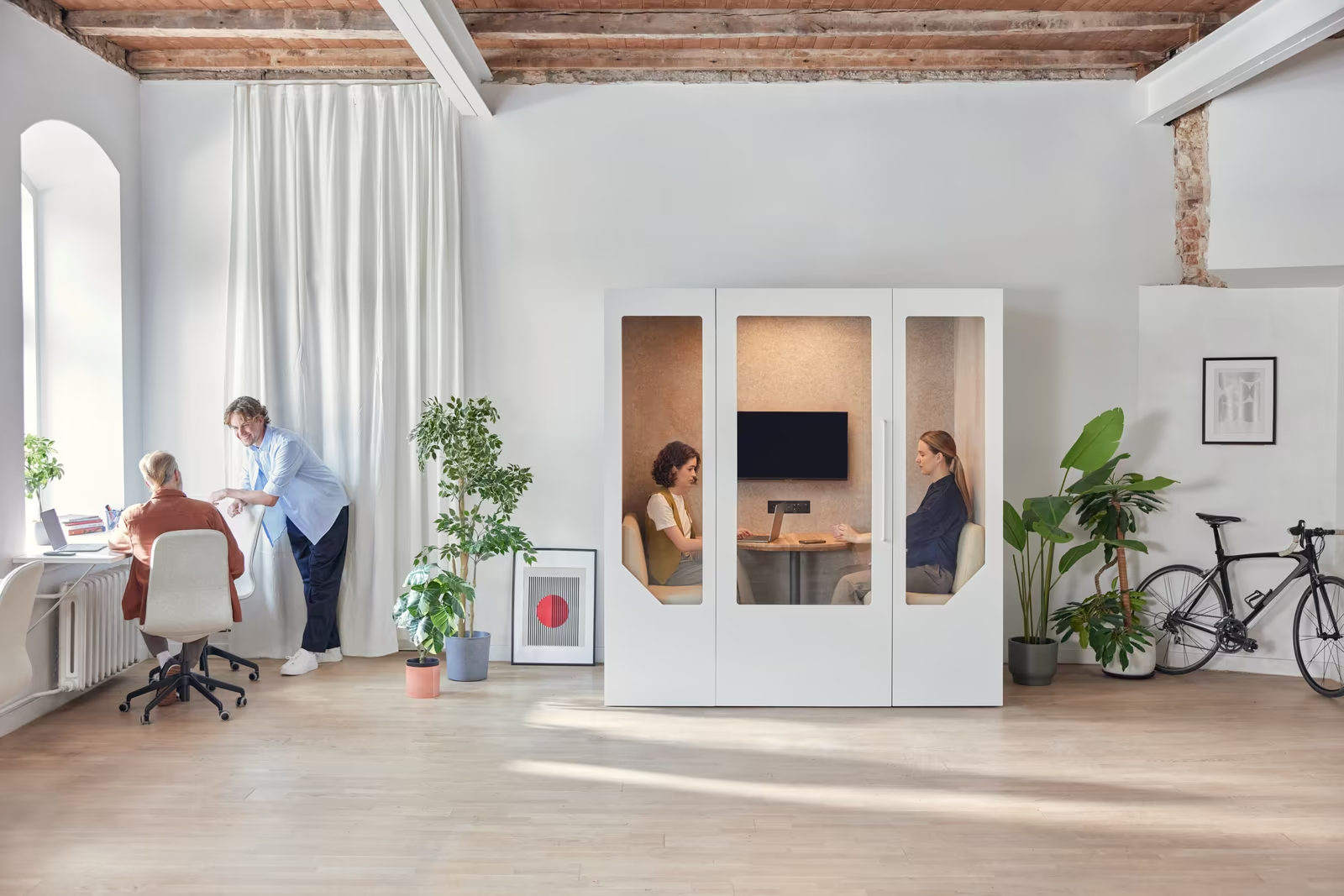
This is where contained spaces can help. For example, adding a soundproof phone booth gives employees a reliable place for private calls, sensitive conversations, or uninterrupted work – without needing to rebuild walls or reduce overall flexibility. If the goal is to support both teamwork and focus, these kinds of targeted additions can be more cost-effective than overhauling the entire floor layout.
Design That Supports Wellbeing
A contemporary office should improve people’s daily experience, not just look good in a brochure. Wellbeing is now essential, and it shows up through ergonomics, lighting, acoustics, and comfort.
Start with posture and comfort. Supportive office chairs, appropriate seating, and adjustable desks help people maintain better posture and avoid aches that drag down energy and concentration. Then consider the environment: glare, poor lighting, and constant background noise all affect mental health and performance.
It’s also worth remembering that “wellbeing” isn’t just about office design ideas like yoga mats and plants. It’s whether employees can find the right space for the task in front of them – whether that’s a team meeting, a quiet hour to finish a project, or a moment to reset between calls.
Modern Office Design Trends Shaping Today’s Workspaces
Trends matter when they reflect real changes in how people work. The following office trends are widely adopted because they solve practical problems in office environment design and help businesses adapt to evolving needs.
Hybrid Workspaces With Flexible Layouts
Hybrid work has changed how office spaces are used. Many organisations now have fluctuating daily occupancy, so the same layout has to work whether the building is busy or quiet. This has pushed contemporary office design towards more flexible “ecosystems” of spaces rather than fixed seating plans.
Moveable walls and modular elements are key here. They let you create rooms when you need them, then open areas back up when you don’t. Flooring is also used more deliberately – different finishes or textures can define zones (quiet work, collaboration, social areas) without putting up barriers everywhere.
To support hybrid patterns, many companies add touchdown spaces: quick, practical workstations for people who are in the office for a few hours and need access, power, and a comfortable chair without claiming a permanent desk.
Biophilic and Nature Inspired Design
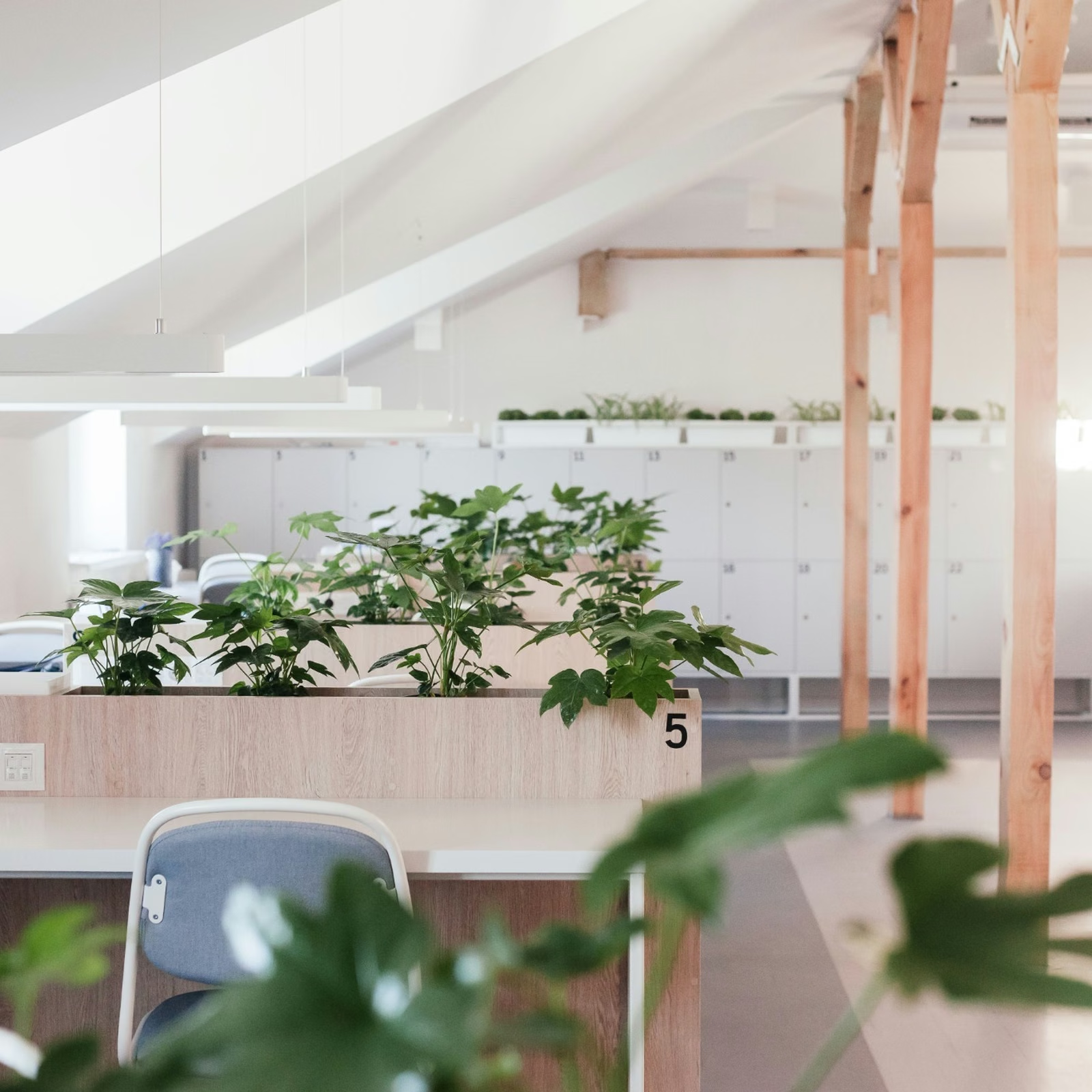
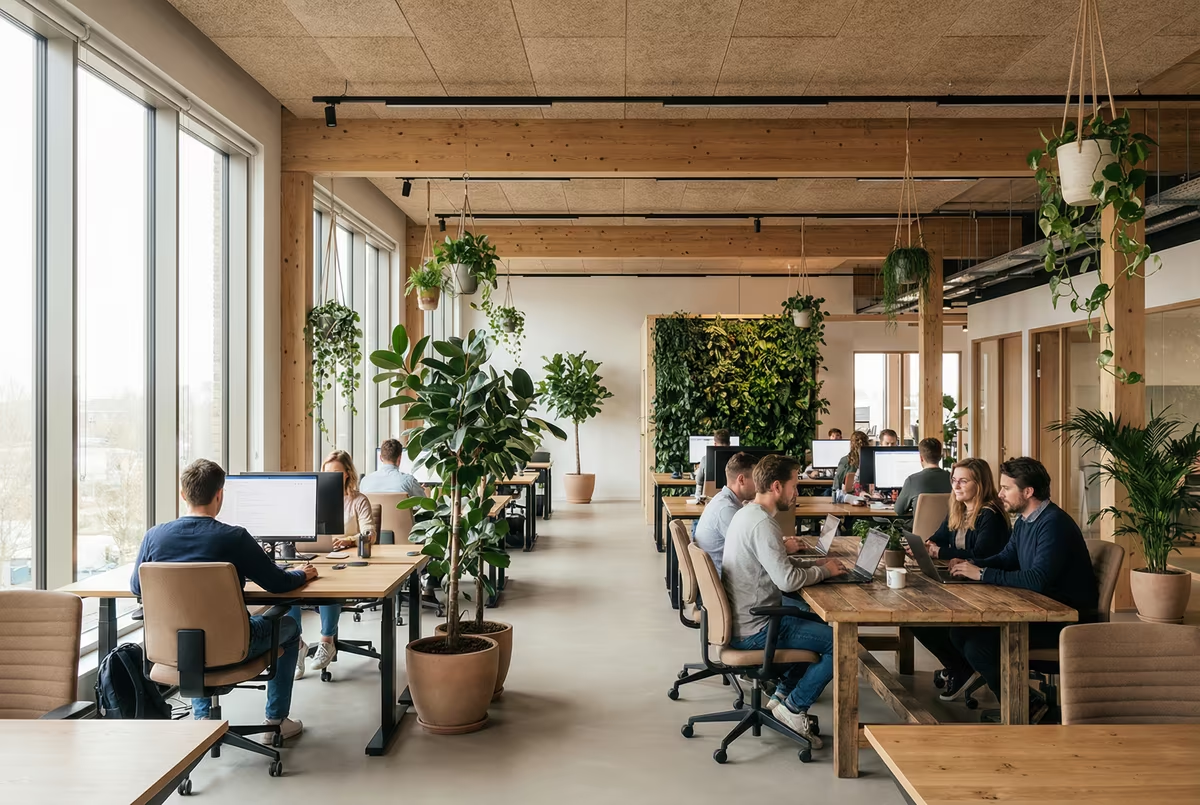
Biophilic design is not just an aesthetic. It’s a response to stress, screen-heavy work, and indoor environments that can feel flat and draining. Adding natural materials, greenery, and outdoor cues can improve mood and make the office feel more human.
Natural light is a big part of this. The World Green Building Council highlights evidence linking daylight, air quality, and other indoor environmental factors with wellbeing and performance. Embedding the right amount of natural light into office design is one of the most consistently valuable upgrades you can make.
Even if your space has limited windows, you can still use design ideas like lighter surfaces, reflective materials, and smart layout choices to help distribute light more evenly across the floor.
Wellness Focused Office Design
Wellness-focused design looks at the full experience – not just what the space looks like, but how it feels to work in. That includes ergonomics, acoustics, lighting, temperature, and even whether employees feel they have control over where and how they work.
Acoustics is often the missing piece. Open-plan offices can create constant low-level distraction that chips away at focus. If you want a practical read on how sound affects concentration and stress, Persy Booths’ guide to office acoustics is useful for planning quieter zones and setting realistic expectations.
For small meetings or paired work, adding a two person phone booth can be a neat way to provide privacy without building new rooms. It’s also easier to scale – you can add one, learn how it gets used, then expand the range if the demand is there.
Sustainable and Eco Conscious Materials
Sustainability is increasingly part of office design briefs – and it’s more than a badge. Choosing durable materials, repairable furniture, and suppliers with transparent sourcing can reduce waste and avoid frequent replacement cycles.
Natural materials often play a role here too. Wood, wool blends, and other responsibly sourced finishes can help create a warmer aesthetic while supporting sustainability goals. Even simple decisions – like prioritising quality chairs that last, or modular systems that can be reconfigured – have a big impact over the life of a workspace.
Bold Aesthetic Statements and Branding
Office design has become a visible expression of brand identity. Clients notice it. Employees notice it. Candidates definitely notice it.
Offices often use a few strong elements to create recognisable character: a signature colour, a feature wall, a distinctive reception desk, or a design language that carries through meeting rooms and shared spaces. The goal isn’t to be loud – it’s to be deliberate. A clear aesthetic helps the workplace feel coherent, which improves the day-to-day experience and makes the company feel more “real” to visitors.

Technology Integrated Spaces
Technology is no longer separate from the space – it shapes it. The office experience of the 2020s depends on reliable video calls, easy-to-use meeting rooms, and tools that remove friction from everyday work.
Occupancy sensors are increasingly common because they help businesses understand how office spaces are really used. That data can guide planning decisions – for example, whether you need more quiet rooms, fewer fixed desks, or better access to collaboration spaces.
Hospitality Inspired Office Design
Hospitality-inspired offices borrow cues from lounges, hotels, and cafés: softer seating, warmer lighting, and spaces that feel welcoming rather than institutional. This trend isn’t about making the office “cosy” for its own sake. It’s about recognising that a workspace is also a social environment.
A well-designed shared area can strengthen community and make it easier for teams to collaborate naturally. It also improves the experience for customers and clients visiting your workplace – which matters if your office is part of your brand impression.
Furnishing a Modern Office
Furniture decisions can make or break an office. The right office furniture supports comfort and productivity. The wrong choices create clutter, poor posture, and a workspace that looks stylish in photos but feels awkward in real life.
Functional Furniture for Everyday Work
Start with the essentials: office desk options that suit the work being done, office chairs that support better posture, and storage that prevents clutter from spreading across every surface. Cable management is often overlooked, but it has an outsized effect on how professional a space feels. If cables are visible everywhere, even a premium aesthetic can look messy.
Think about how employees actually work. Do they need larger screens? More table space? Quiet zones? Shared workstations? The best furniture plan supports the working environment as a whole, not just individual preference.
Furnishing Small Modern Offices
In smaller spaces, furniture has to do more than one job. A desk might need built-in storage. A meeting area may need flexible seating that can be moved quickly. Corners should be used thoughtfully – not as dumping zones, but as purposeful spaces (a compact touchdown area, a small focus zone, a storage wall).
This also applies to home working. A well-chosen home office desk and the right home office furniture can transform productivity, especially when the home setup is used regularly rather than occasionally.
Materials and Finishes for Different Zones
Different zones need different finishes. High-traffic areas benefit from durable surfaces. Quiet zones often feel better with softer materials that absorb sound, which is why "Does furniture absorb sound" is a useful related read. Collaboration areas may use tougher finishes that tolerate frequent movement and reconfiguration.
Natural materials can add warmth across the workspace, but they should be used strategically. The goal is to match materials to function – not to apply a single style everywhere regardless of how the space is used.
Materials, Colours, and Surfaces
Colours and materials shape behaviour more than people realise. Neutral colours can support calm and focus, while bolder tones can energise collaboration zones and reinforce brand identity. A modern office often uses contrast to define areas: quieter tones for focused work, stronger statements for shared spaces.
Surfaces matter too. Shiny finishes can create glare. Dark finishes can make areas feel smaller. A balanced palette – paired with good natural light distribution – can make even a modest floor feel more open and professional.
The most effective design ideas tend to be the simplest: reduce visual noise, control clutter, choose materials that feel good to touch, and make sure the space supports the people doing the work.
Technology and the Modern Office Experience
Implementing hybrid working requires careful planning, clear communication, and consistent expectations across teams. Modern offices are increasingly “measured” environments. Technology helps teams collaborate and helps managers understand what’s working. Booking systems reduce meeting-room conflict. Good AV setups reduce wasted time. Occupancy sensors help businesses plan the right mix of spaces instead of guessing.
Technology also affects privacy and concentration. Many people have a home office desk in a quiet room - but this is not the case with workstations in open plan offices. If your office has a lot of video calls, you need spaces designed for them. A team meeting booth can give a team a contained room-like environment without major construction. For individuals who need a quiet place to concentrate, an individual work booth can provide that “door closed” feeling in an open office.
If you’re weighing up open-plan benefits versus focus challenges, Persy Booths’ guide to open offices is a sensible reference point – especially when you’re trying to design a layout that supports both community and concentration.
Is a Modern Office Right for Your Business?
A modern style of office is a good fit for businesses that want a workplace aligned with how people actually work today. If your teams collaborate frequently, need private call space, run hybrid patterns, or host clients, a more contemporary office design can make a measurable difference. In fact, the Gensler Research Institute reports that many employees prefer spending the day in the office rather than working from home. It's not just about connecting with colleagues: it's a place where better work gets done.
The decision comes down to a few questions:
- Do employees have the spaces they need for focused work as well as collaboration?
- Does your workspace reduce friction (noise, lack of rooms, poor layout) or create it?
- Are you planning for evolving needs – or trying to lock the office into a fixed structure that won’t age well?
- Does the office environment reflect your brand identity to customers and clients?
You don’t need a perfect office. You need an office that’s planned, coherent, and flexible enough to keep working as your business changes.
FAQs
.avif)
Passionate, progress-driven venture & business developer with startup and corporate experience. I speak business, while keeping customers in my heart.