


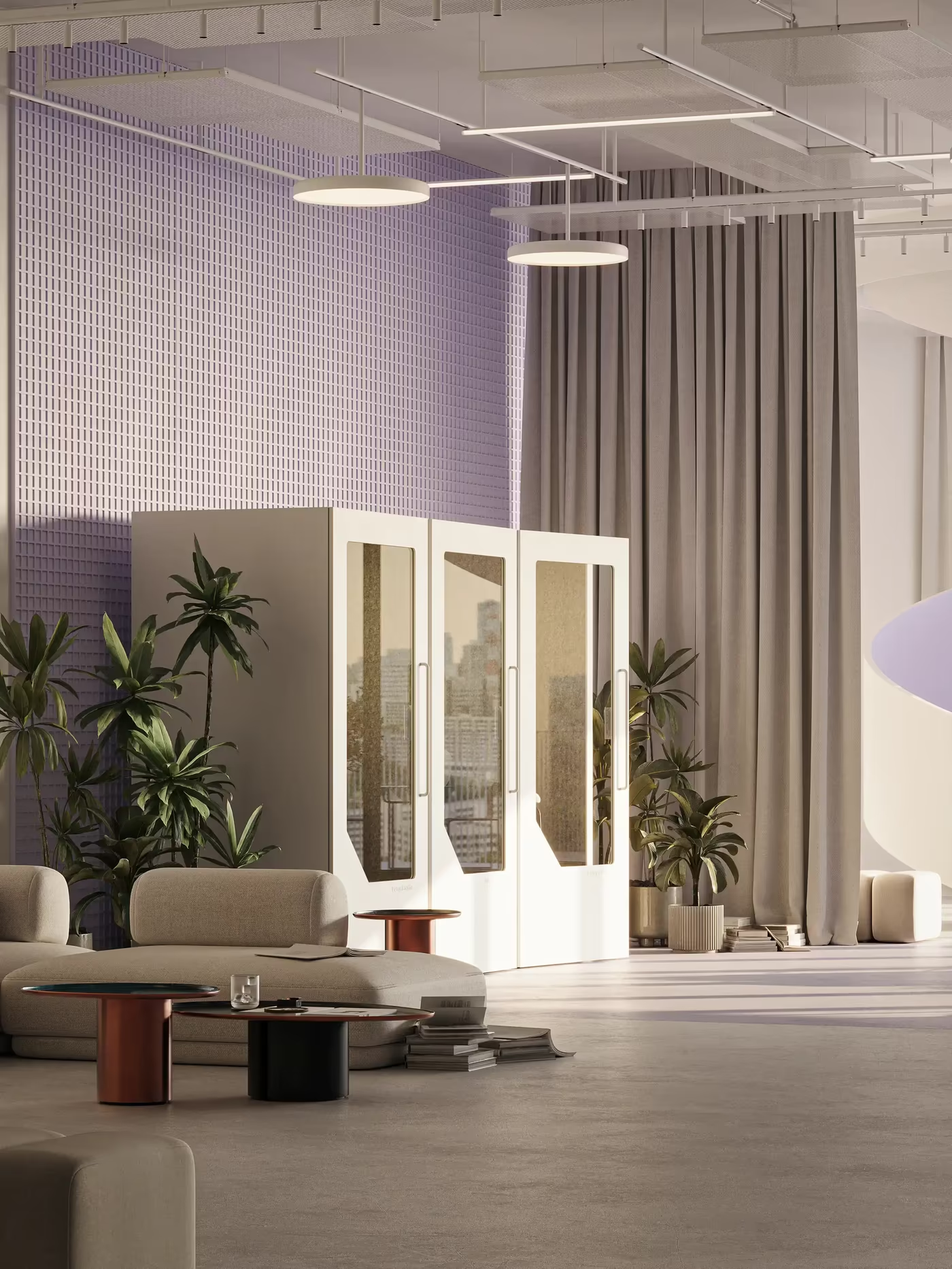
What is flexible office space? Flexible office spaces are unlike traditional offices or a shell and core setup, they bring a new and more adaptable way of organising the workplace. They let you adapt quickly, cut overhead costs, and give employees the right mix of focus, collaboration, and comfort, without long term commitments.
Don't wait for employees to complain or for competitors to do it first. Use this Persy Booths guide to find out what flexible offices are, how they work, and why they might be a smarter choice for your business, as well as how to do it within a sensible budget.
What Is Flexible Office Space?
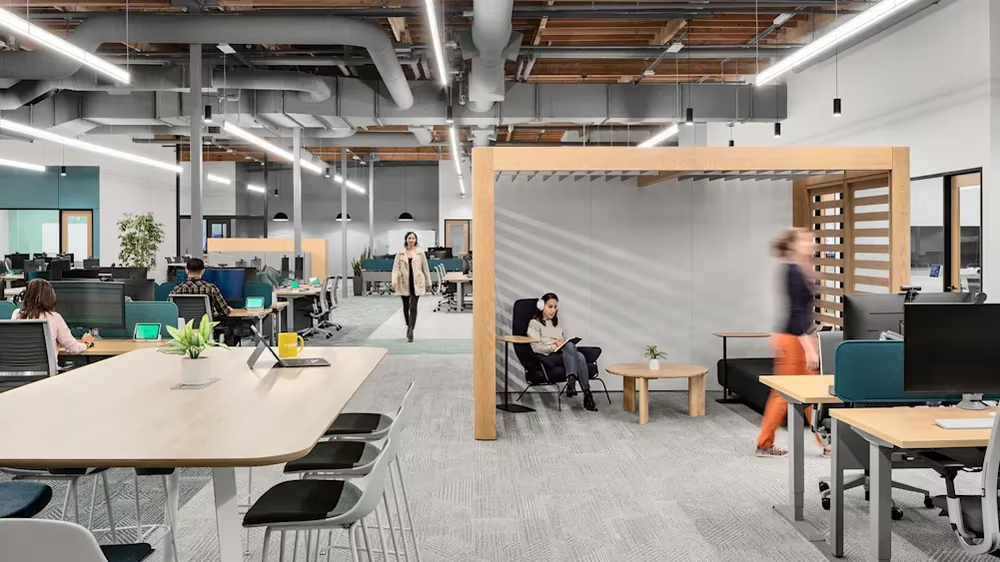
A flexible office space is any workplace that’s designed to change with you. Traditional office space locks you into rigid desk layouts, fixed leases, and a one-size-fits-all approach. Flexible offices are different: you can mix coworking spaces, private offices, collaborative space, quiet areas, and open spaces depending on what your team needs.
Think of it as a flexible workspace that bends around your business, instead of forcing your business to fit a fixed setup.
What Makes a Flexible Workspace Different?
Flexible office spaces share a few key traits:
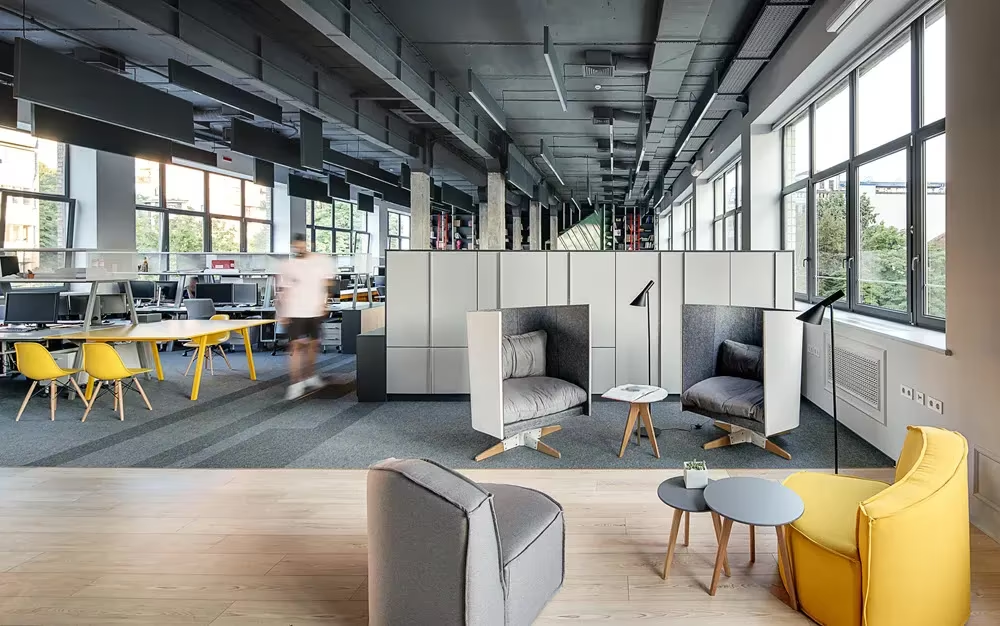
- Flexible office layout – seating arrangements, desk layouts, and adaptable workstations that can be reconfigured as teams grow.
- Private office spaces & executive suites – for when teams need their own space.
- Coworking spaces – networking opportunities with other businesses while keeping costs down.
- All the amenities – meeting rooms, video conference room access, cleaning services, and office equipment, without paying for an entire building.
- Smart design for flexible work – standing desks, hot desking, quiet areas, and smart technology that support both in person and remote employees.
In short, a flexible workspace gives you choice. Traditional offices don't. This idea of matching the space to the task is often called activity-based working.
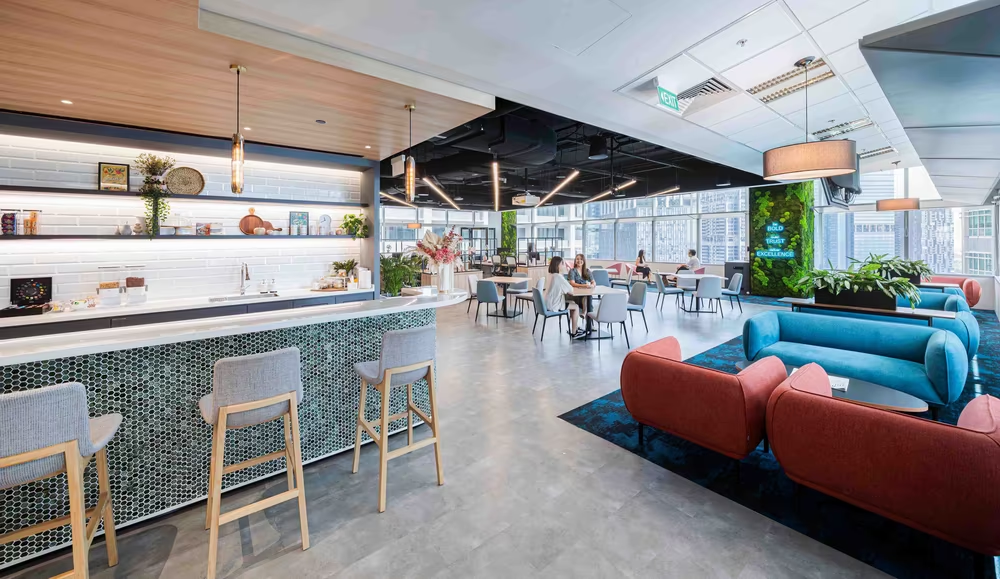
Flexible Office Space vs a Traditional Office
Here is how the two compare at a glance:
Common Types of Flexible Office Space
“Flexible office space” is an umbrella term. In practice, it covers several setups you can mix and match:
- Coworking spaces: shared, membership-based floors where different companies use the same shared office space environment side by side.
- Serviced and private offices: a serviced office gives you your own lockable space on flexible terms, often with shared amenities and reception services.
- Hot-desking areas: unassigned desks people book or grab as needed, ideal for hybrid teams.
- Hybrid layouts: an open plan layout paired with quiet, enclosed spaces such as enclosed office pods, often with break out areas for informal chats.
- Pods and booths: movable, self-contained rooms like a two person phone booth or a smart pod that add privacy without building work.
Benefits of Flexible Office Spaces
So what are the real benefits of flexible office design? In short, your employees work more productively, collaborate more effectively, and feel better, and the whole thing costs you less money. Let's dig into the detail:
1. Cost Savings and Agility
Many flexible office spaces run on flexible lease terms and short-term leases, making them ideal temporary office solutions. In fact, 72% of landlords expect tenants to require more flexible lease terms. That means you can scale your office footprint up or down without penalty, which can support healthier cash flow and improve cost-effectiveness. Whether you need extra meeting rooms for a project team or fewer assigned desks after a reshuffle, flex spaces help you control spend and avoid waste instead of getting locked into traditional leases when needs change.
2. Enhanced Productivity and Focus
Flexible offices let you build an office layout that works for particular tasks. Need collaborative space for brainstorming? Use open spaces. Need quiet areas for focused tasks? Add booths or pods. A soundproof phone booth or a work booth gives employees private office pods for calls or work that needs full attention, while good office acoustics keep the wider floor calm.
3. Enhanced Collaboration and Company Culture
A well designed flexible workspace creates better office culture – and strong coworking ideas help make that possible. Employees can move between desk layouts, drop into a conference room for quick business deals, or use coworking spaces for networking opportunities with other businesses. It’s a practical way to bring people together without forcing them into the same working styles.
4. Better Employee Well-Being
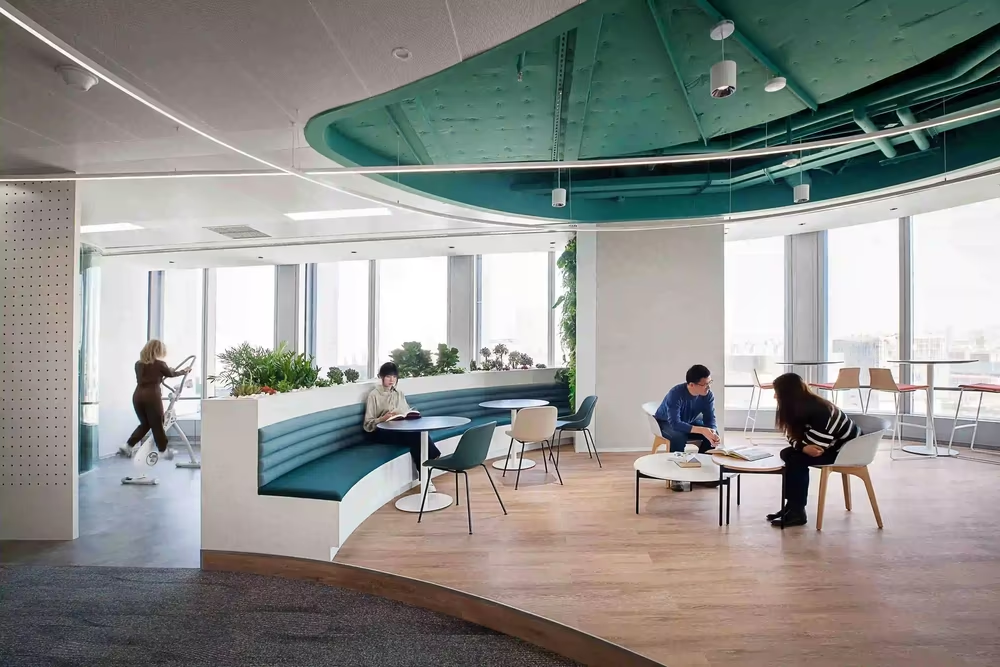
You want to attract and keep the best people? Give them the working environment that helps them both work productively and feel good. Flexible workspaces give employees options — standing desks, quiet areas, collaborative space, and open spaces – all of which support accessibility in the workplace. That variety supports employee well being, job satisfaction, and makes your work environment healthier.
Who Gets the Most from Flexible Offices?
Flexible workspace options are used in all kinds of companies, ranging from larger organisations down to SMEs, startups, established businesses, project-based teams, and multiple businesses in coworking spaces:
- Startups and SMEs: reduce overhead costs while accessing all the amenities.
- Larger companies: add satellite offices for remote employees and support multiple locations, including for market entry.
- Multiple businesses in coworking spaces: share facilities, reduce office equipment costs, and benefit from networking opportunities.
- Project-based teams: use flex spaces short-term for a particular task or contract, especially for project teams.
Simply put, flexible offices suit any organisation that wants to save money, support hybrid working, and keep employees engaged.
How to Move Towards a Flexible Workspace
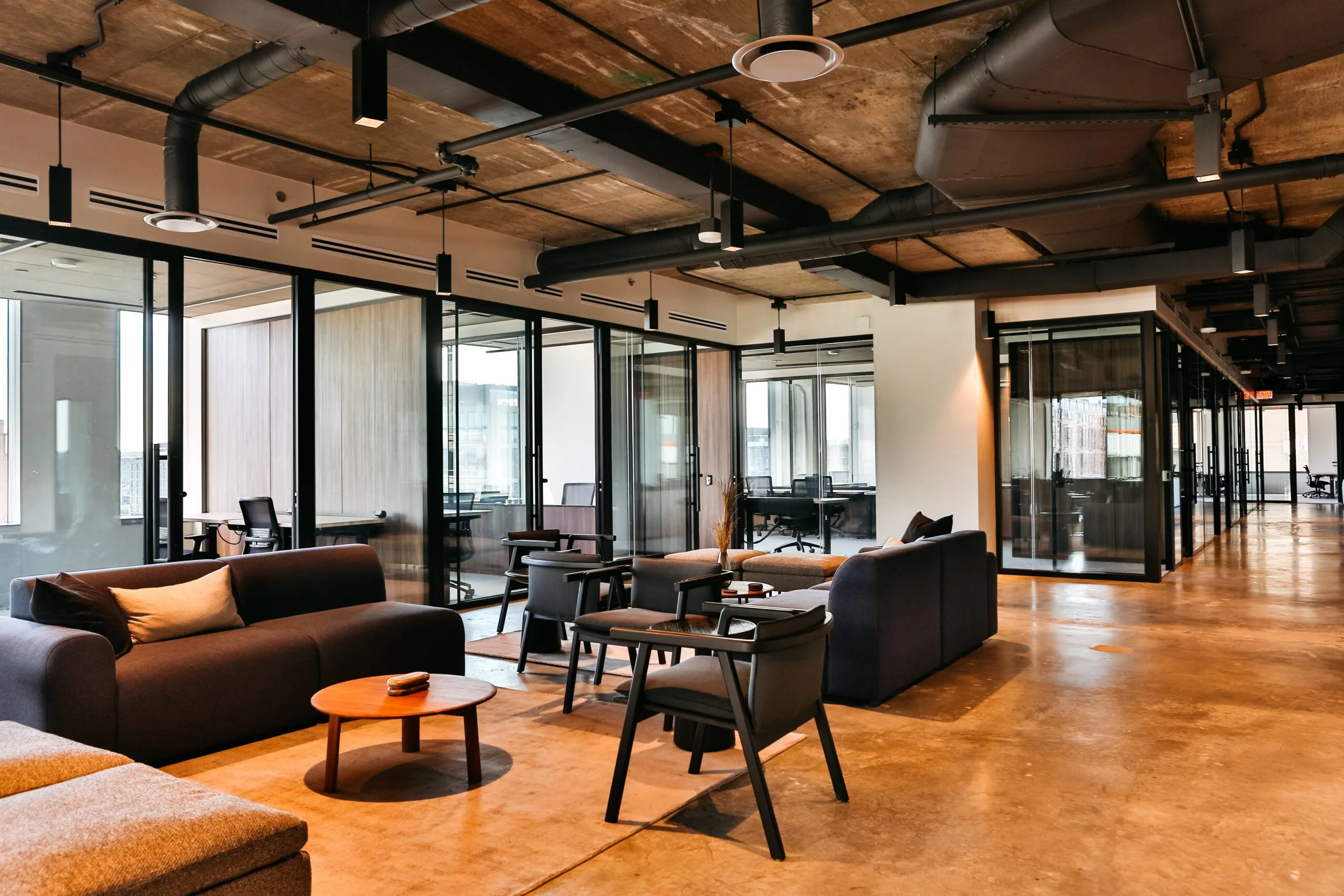
Switching from traditional offices to flexible spaces is easier than it sounds. A simple, practical approach involves an initial audit, the selection of modular solutions, and incorporating the right tech in the right places:
Step 1: Audit Your Current Office Layout
Check which desk layouts, meeting rooms, and open spaces get used. Empty assigned desks and unused executive suites are wasted money, so start with honest space planning and real occupancy data.
Step 2: Add Modular, Practical Solutions
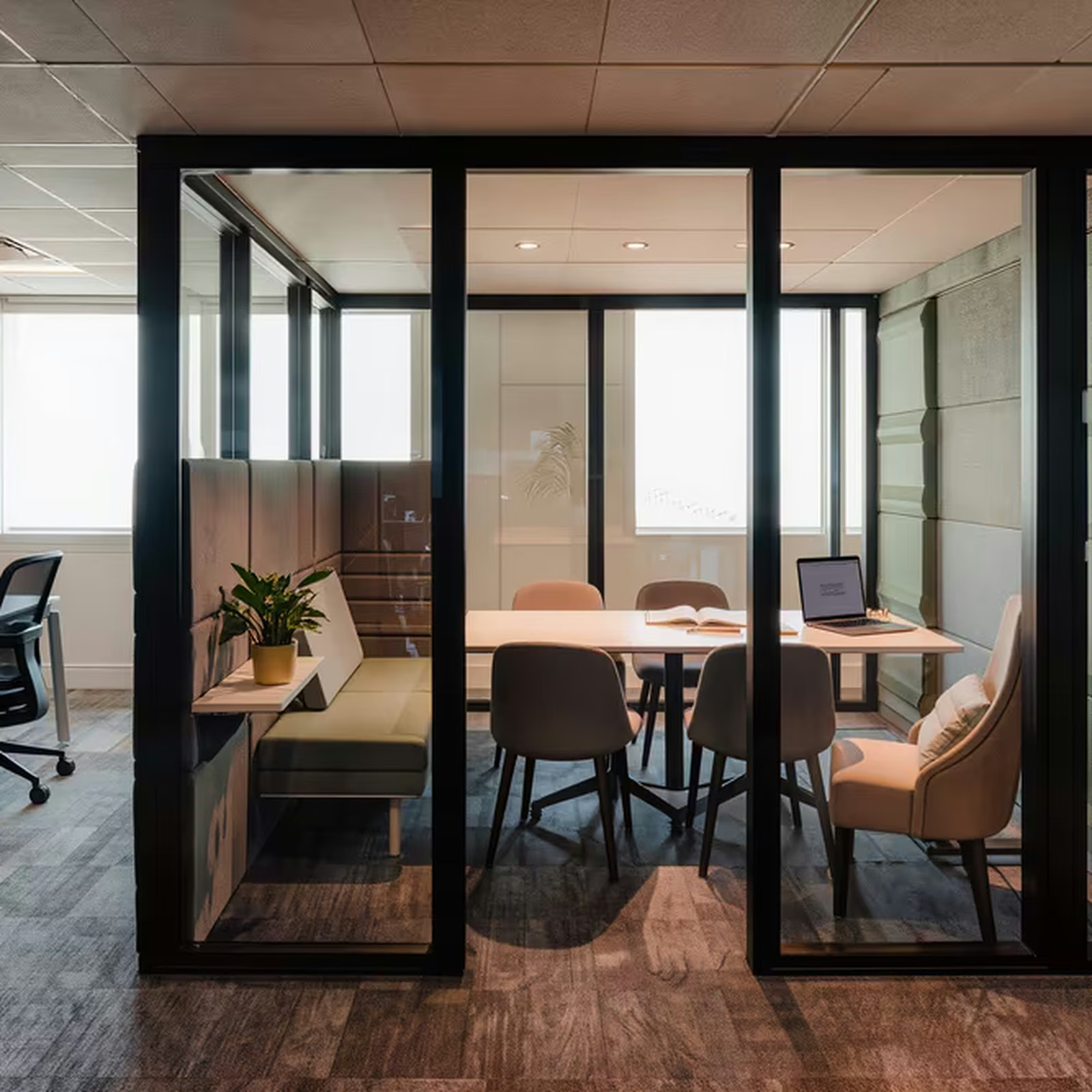
Don’t overspend on flashy furniture. Choose workspace providers who balance cost and quality. For example, team meeting booth give you quiet areas without paying for an entire building refit or full cat a and cat b fit out costs. If you are choosing between models, our guide on how to choose the best office pod helps. Interior designers who understand organisational structure and office culture can also help you create a flexible office layout that fits.
Step 3: Use Smart Technology
Workplace leaders are turning to booking apps, hybrid work calendars, and adaptable workstations. These tools keep multiple businesses sharing a space organised and reduce overhead costs, making them a key part of a digital workplace.
Conclusion: Why Flexible Workspaces Are Here to Stay
Flexible offices aren’t just a passing trend. They’re how a modern office operates. By moving away from traditional office space and towards flex workspace, companies gain cost savings, enhanced productivity, and improved employee well being.
And the supplier you choose makes all the difference. At Persy Booths, we keep things simple: friendly advice, fast delivery, and minimum hassle. Whether you need private office spaces, meeting rooms, or an entire flexible office layout, our booths and pods strike the right balance between function and cost.
That’s the no-nonsense way to build a flexible work environment that actually works.
Flexible Office Space: FAQs
.avif)
Passionate, progress-driven venture & business developer with startup and corporate experience. I speak business, while keeping customers in my heart.


.avif)