Noise can be annoying - and it is surprisingly difficult to prevent. As humans, our dominant sense is vision, so we tend to think in visual terms – and assume that blocking out sound is as easy as blocking out light. But it's more complicated than that.
Noise is also one of the most underestimated stress factors in modern life. From constant traffic to noisy neighbours, the hum of unwanted sound can affect concentration, productivity and wellbeing. That's why good soundproofing insulation is no longer a luxury – it's a necessity in homes, offices and commercial buildings. Indeed, many governments have issued formal recommendations for soundproofing solutions in new buildings.
Here at Persy Booths, we work closely with clients who understand the importance of acoustic control – but also the need to balance cost with performance. So allow us to take a moment to explain some of the complexities behind insulation (which we put into the design of our soundproof booths of course), and why stopping sound can be so tricky.
Whether you're trying to create a quiet workspace using solutions like the Persy Two meeting booth, improve your home's acoustic performance or block noise between rooms, the right combination of acoustic insulation materials makes all the difference. In this article, we'll explain how soundproofing works, what the best options are in 2026, and how to install them effectively for maximum comfort and energy efficiency.
Key takeaways from this article
- How soundproofing insulation reduces airborne and impact noise through absorption, reflection and decoupling
- The top soundproof insulation materials in 2026 and where to use each one
- Installation tips for maximum noise reduction in walls and ceilings
- The difference between acoustic insulation and full soundproofing systems
What Is Soundproofing Insulation and How It Works
To understand what makes the best acoustic insulation, it helps to look at how sound travels. Sound energy moves in sound waves, which vibrate through air and solid materials alike. If those vibrations reach the next room, you hear noise (because the vibrations start to happen in your ear).
Soundproofing insulation works by interrupting or absorbing those sound vibrations. It targets two main types of noise:
- Airborne noise – speech, music, TV or external noise pollution
- Impact noise – footsteps, door slams or furniture movement
Effective acoustic insulation work usually tackles both. This is done through:
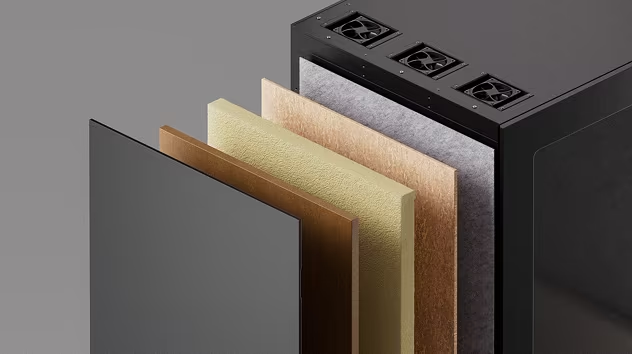
- Absorption: Materials such as acoustic mineral wool or foam panels absorb and dissipate sound energy within their fibrous structure.
- Reflection and blocking: Dense materials like acoustic plasterboard and mass loaded vinyl act as a sound barrier, preventing sound transmission between rooms.
- Decoupling: Separating wall layers or ceilings helps stop structure-borne vibration – a key to reducing airborne sound transmission and impact noise.
When combined correctly in a complete soundproofing system, these methods can deliver near-optimal soundproofing and sound absorption, dramatically improving room acoustics and sound quality.
What Is the Best Sound Insulation in 2026
Sorry - there's no single answer to “What's the best soundproofing insulation?” – because the best choice depends on where it's used. But below we have listed the leading acoustic insulation solutions in 2026, and described how they perform in order to help you make a call on which is best for your situation. We've also noted where these materials are most often used.
Mineral Wool (Rockwool, Knauf, Isover)
Mineral wool remains one of the strongest performers for airborne and impact noise control. High-density rockwool acoustic insulation slabs are ideal for walls, floors and ceilings, offering excellent sound absorption and thermal insulation benefits.
These dense fibres trap sound vibrations and absorb sound waves, giving maximum sound absorption while also improving energy efficiency. Installation is easy with simple friction fitting, and at around £12–£18 per m², it's a cost-effective way to reduce noise between rooms or apartments.
Market data from Grand View Research reveals that mineral wool (also known as glass wool) is the most popular sound insulation used worldwide in construction, with 42.9% of the market.
Best for: internal stud wall partitions and cavity walls where airborne sound transfer is an issue.

Acoustic Foam Panels
Acoustic foam is the go-to for studios and music rooms where reducing reverberation and echo is the goal. These foam panels absorb mid- and high-frequency sound waves, improving sound quality rather than blocking external noise.
While foam provides minimal soundproofing capabilities against external noise, it's highly effective at balancing room acoustics in recording studios or office spaces. Combine with heavier insulation materials for a soundproofing solution that controls both echo and noise transmission.
Best for: recording studio walls or meeting rooms where internal sound absorption matters most.
Acoustic Plasterboard and Soundproof Panels
Acoustic plasterboard increases wall mass and significantly enhances sound transmission class (STC). Multi-layer composite soundproof panels can block external noise while improving wall sound insulation.
They're particularly effective for walls and ceilings in homes, hotels and offices where ad hoc meetings require better noise control and privacy. Expect to pay around £25–£30 per m² for good quality boards.
Best for: brick wall upgrades, flats with noisy neighbours, or office meeting rooms needing privacy.
Resilient Bars and Soundproof Membranes
Resilient bars and soundproof membranes (like mass loaded vinyl) work by decoupling wall or ceiling layers. This stops vibration transfer through rigid materials – the main cause of impact noise.
Adding a resilient bar system with soundproof acoustic insulation behind plasterboard provides excellent soundproofing capabilities, particularly for ceilings or party walls. It's a key component of any optimal soundproofing or complete soundproofing system.
Best for: flats with thin floors or shared ceilings, or any space needing to cut impact noise dramatically.
Tips for Maximum Sound Insulation in Walls
Even the best soundproofing insulation can underperform without good installation. These tips help you get maximum sound absorption and sound reduction from your materials.
Combine Materials for Best Results
The most effective setups mix dense and absorptive materials. For instance, pairing acoustic mineral wool with mass loaded vinyl and acoustic plasterboard helps reduce sound transmission across frequencies. This combination improves both acoustic performance and energy efficiency.
Seal All Gaps and Cracks
Unsealed gaps allow airborne noise to pass freely. Use acoustic sealant around sockets, skirting boards, and ceiling joints to reduce unwanted noise. Doors and windows should have proper seals or sweeps to prevent noise transmission.
Avoid Common Mistakes
Common issues include under-filling cavities, leaving air gaps, or using low-density materials. Avoid these pitfalls to maintain optimal soundproofing. Correct layering and sealing deliver the key soundproofing elements for quieter living space performance.
Acoustic Insulation vs Soundproofing
These terms are often used interchangeably, but our guide to soundproofing vs sound absorbing explains the difference.
- Acoustic insulation focuses on sound absorption and controlling echoes or reflections inside a room.
- Soundproofing blocks noise from entering or leaving the room.
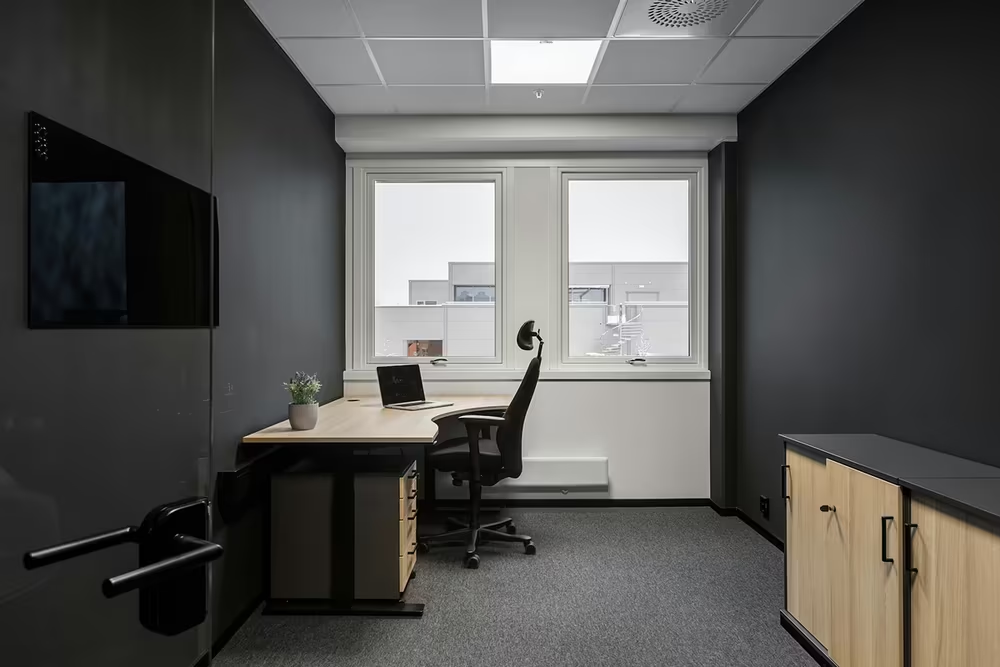
A good soundproofing system uses both – insulation to absorb sound, and barrier materials to block noise. In simple terms, acoustic insulation improves room acoustics, while soundproofing prevents noise transmission altogether.
Conclusion
Choosing the right soundproofing solution depends on what type of noise you are trying to control and how that sound travels through a space. Sound waves, airborne noise, and impact noise all behave differently, which is why no single product can solve every problem. Effective soundproofing relies on understanding sound transmission, managing sound energy, and selecting the right mix of soundproof insulation materials to both absorb and block unwanted noise.
Materials such as mineral wool, mass loaded vinyl, and other soundproofing insulation options work best when combined as part of a system. Adding mass, sealing gaps, and designing walls and ceilings to reduce sound transmission are far more effective than relying on one product alone. This layered approach helps with blocking unwanted noise, improves overall soundproofing performance, and delivers a noticeable reduction in noise between rooms.
At Persy Booths, we apply these principles to create office pods such as the Persy One phone booth with strong soundproofing capabilities, balancing performance with sensible cost. By combining different insulation materials and focusing on real-world sound insulation needs, we design products that reduce airborne sound, improve sound quality, and create comfortable, productive environments. Soundproofing may be complex, but with the right guidance and a well-designed system, achieving effective noise control is entirely achievable.
FAQs
.avif)
Passionate, progress-driven venture & business developer with startup and corporate experience. I speak business, while keeping customers in my heart.