%20(1).avif)
How to Design an Office Space Layout for Productivity and Modern Work


.webp)

Design an office space layout that adapts to team dynamics ensures that the environment remains conducive to both productivity and comfort. Seeking inspiration from successful office layouts and design concepts can help guide your own design process and spark new ideas.
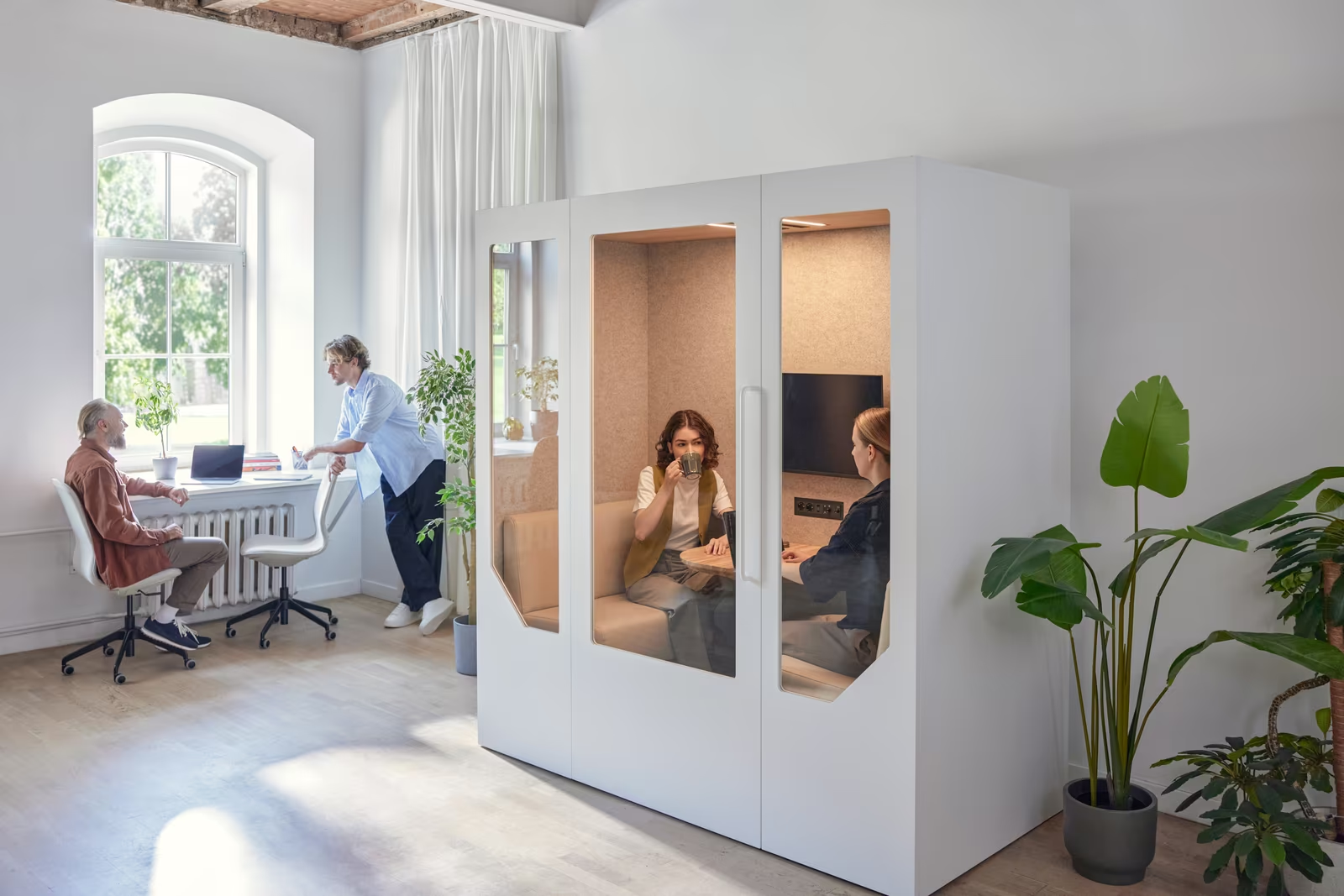
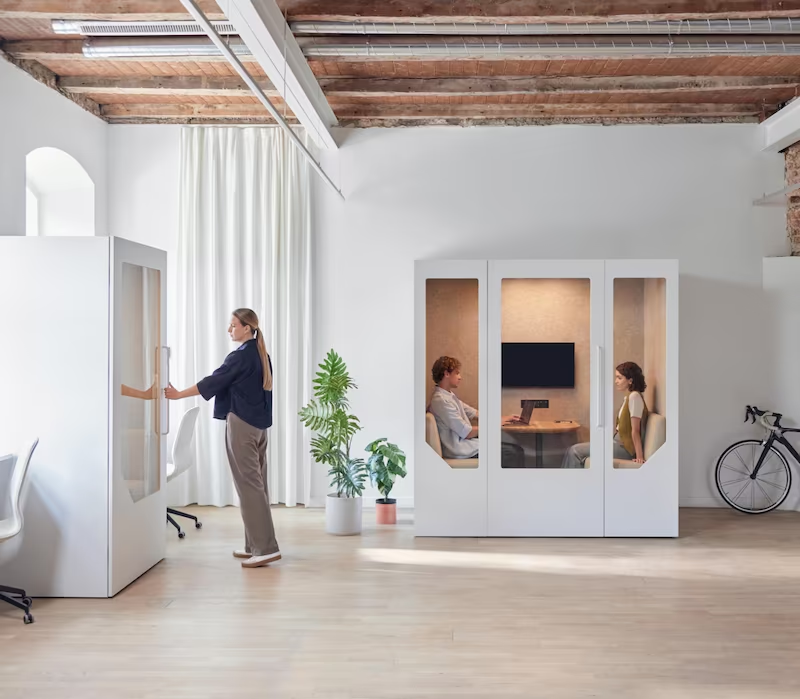
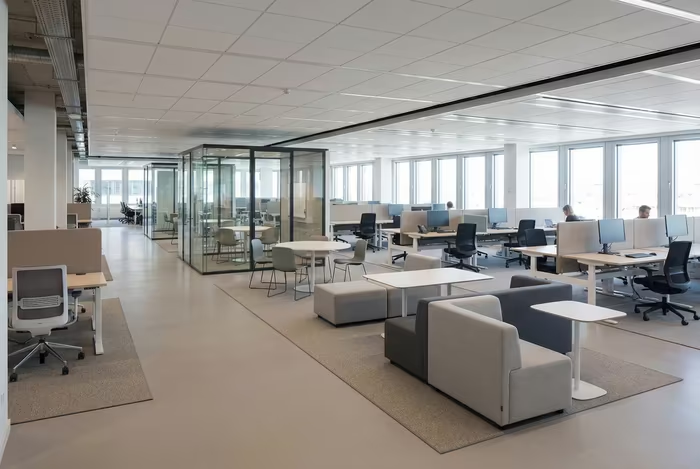
Thoughtful office design brings together open floor plans, private offices, meeting rooms, and modern phone booths like Persy Booths to create a functional workspace that adapts to changing needs and hybrid work styles. Organizations have long understood the link between office layout and promoting productivity, making it essential to consider how workspace arrangements impact employee performance and collaboration.
Why office space layout matters
A well-planned office layout affects how people work, how they feel, and how they use shared resources every day. It shapes productivity, reduces distractions, and supports different work styles by combining individual offices, collaboration areas, and shared meeting spaces in one coherent office plan.
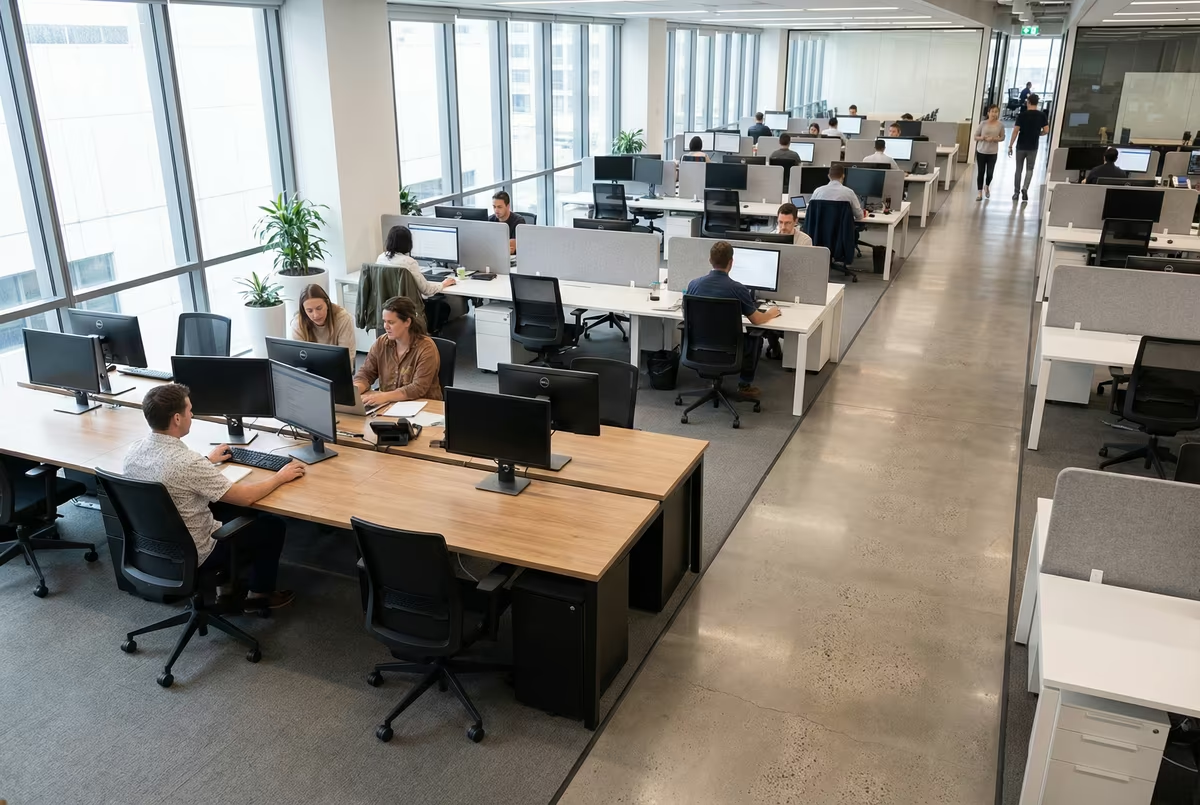
Modern workplace environments must also support hybrid office patterns, where attendance varies and teams split time between home and the workplace. That means your office layout needs flexible zones, reliable office equipment, and conference rooms that work just as well for video calls as in-person meetings.
Key principles of effective office space design
Effective office design begins with matching the office floor plan to how your people work most of the time. A well-designed layout helps employees find workstations, meeting rooms, and amenities easily. You need a balance of open office plan areas for teamwork, individual offices or quiet spaces for focus, plus phone booths and small meeting rooms for private conversations.
Space and comfort matter too. The British Council for Offices suggests planning roughly 10 square metres of office space per employee, including desks, meeting rooms, and shared areas. Combine ergonomic office furniture, clear circulation routes, and natural light to create a functional workspace that feels calm and supportive.
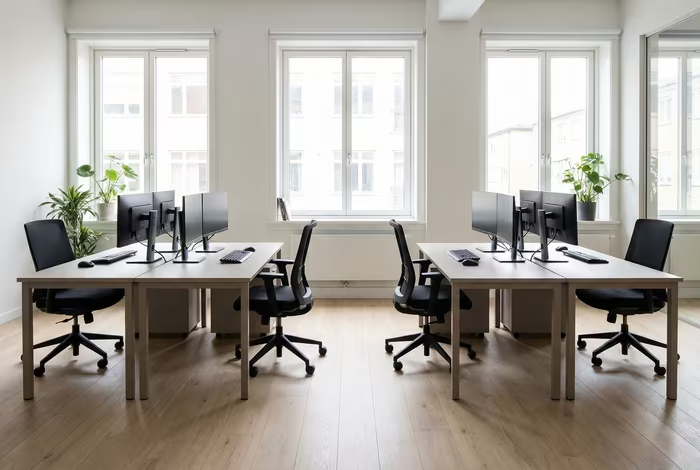
Maximize windows and natural light to enhance employee satisfaction and well-being. Include biophilic elements such as living walls and indoor plants in office design to improve air quality and reduce stress. Utilize daylight optimization by moving furniture away from windows to allow natural light penetration.

Assessing your office needs and goals
Start by mapping how many people work in the office at once, and how this changes across the week in a hybrid office. Note which teams need frequent collaboration areas, which roles require quiet focus, and where private offices or enclosed meeting rooms are essential for confidential work.
Think ahead about growth and changing needs. Ask how your office layout could adapt if you add new teams, shift to more remote work, or introduce new technology and office equipment. This helps you avoid over-building fixed walls and instead invest in flexible elements like modular furniture, movable storage, and standalone phone booths.
Measuring and mapping your space
Measure your full office space, including wall lengths, ceiling height, window positions, doors, and structural columns. Check local safety and access rules so your floor plans allow enough space for walkways, emergency exits, and accessible circulation.
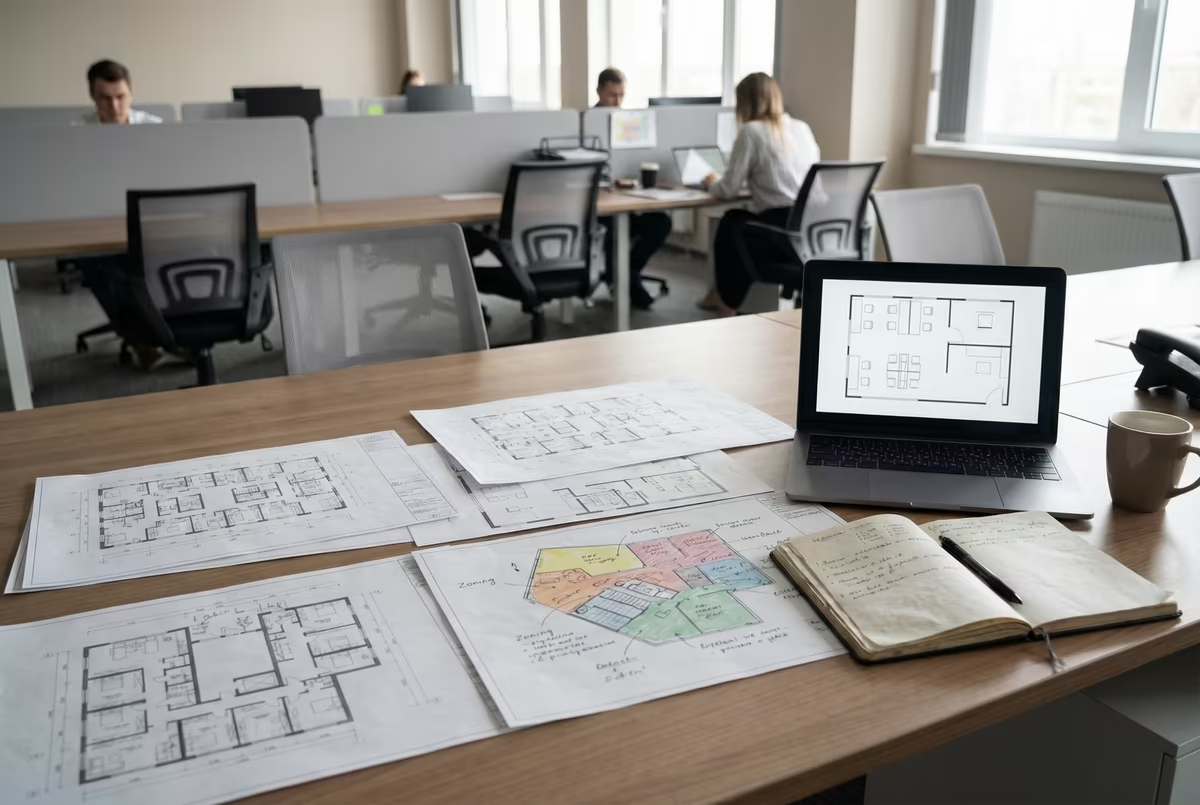
Create a basic office plan with zones for workstations, meeting spaces, break room facilities, and circulation routes. Simple scaled sketches or digital tools help you test different office layout options before committing to specific office furniture or built-in features. Using a symbol library in digital tools allows you to easily drag and drop office elements like furniture and walls for efficient workspace planning.
Popular office layout types and their benefits
Different layout types suit different work styles and cultures.
Step-by-step process to design your office space layout
A clear process helps you move from vague ideas to a practical, best office layout for your team.
- Define goals: productivity, collaboration, privacy, and culture.
- Analyse attendance and work styles over a typical week.
- Measure and draft office floor plans for your current office space.
- Assign zones for desks, collaboration areas, meeting rooms, and the break room.
- Specify office furniture, office equipment, and storage for each zone.
- Add acoustic measures, including phone booths and meeting pods, in noisy areas.
- Test the layout with your team and adjust to fit real use patterns.
Defining zones for work, collaboration, and privacy
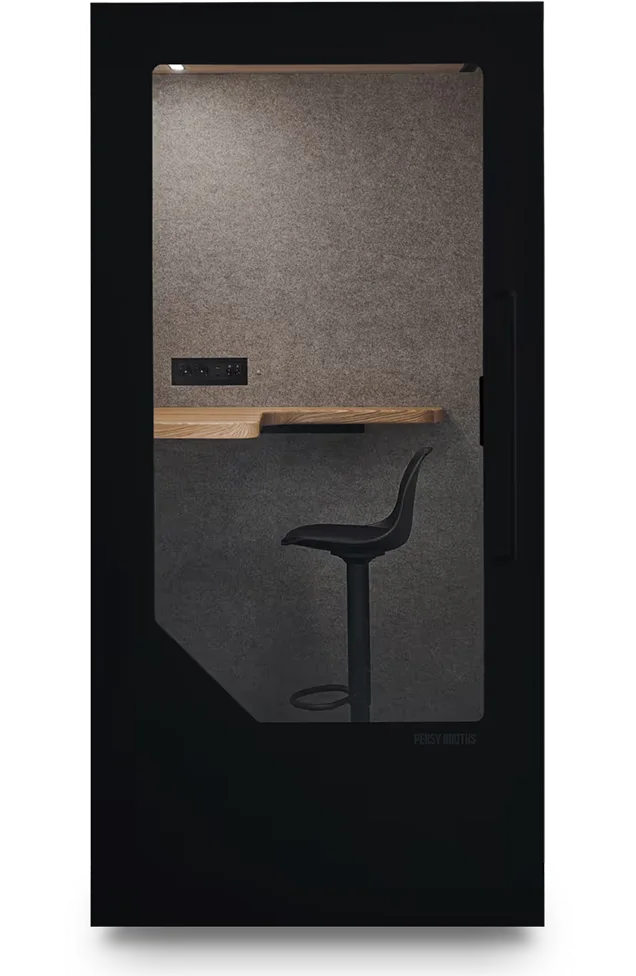
Zoning ensures each part of the office space layout has a clear purpose. reate focused work zones with dedicated individual workstations, collaboration areas with tables and screens, and quiet zones such as Persy Work Phone Booth for private calls.
Include social and recovery space in your office layout. A well-designed break room and informal meeting spaces help people reset, share ideas, and strengthen relationships away from their desks. This supports both well-being and productivity as people move between different types of work throughout the day.
Selecting and arranging furniture and technology
Choose office furniture that matches your floor plans and work styles, such as height-adjustable desks for flexible work and ergonomic chairs for long seated tasks. Use modular tables and mobile storage so you can reconfigure collaboration areas and meeting rooms as projects evolve.
Plan office equipment and technology into the office plan from the start. Make sure every workstation and meeting room has easy access to power, data, and screens, and design phone booths or small conferencing pods around reliable lighting and ventilation. This creates a functional workspace that supports both in-person and remote collaboration.
Maximising light, acoustics, and flow
Natural light is a core part of modern office design, so position primary workstations near windows and use glass where possible to share daylight across the office floor plan. Keep taller storage and enclosed rooms to the core of the office space so they do not block light for others.
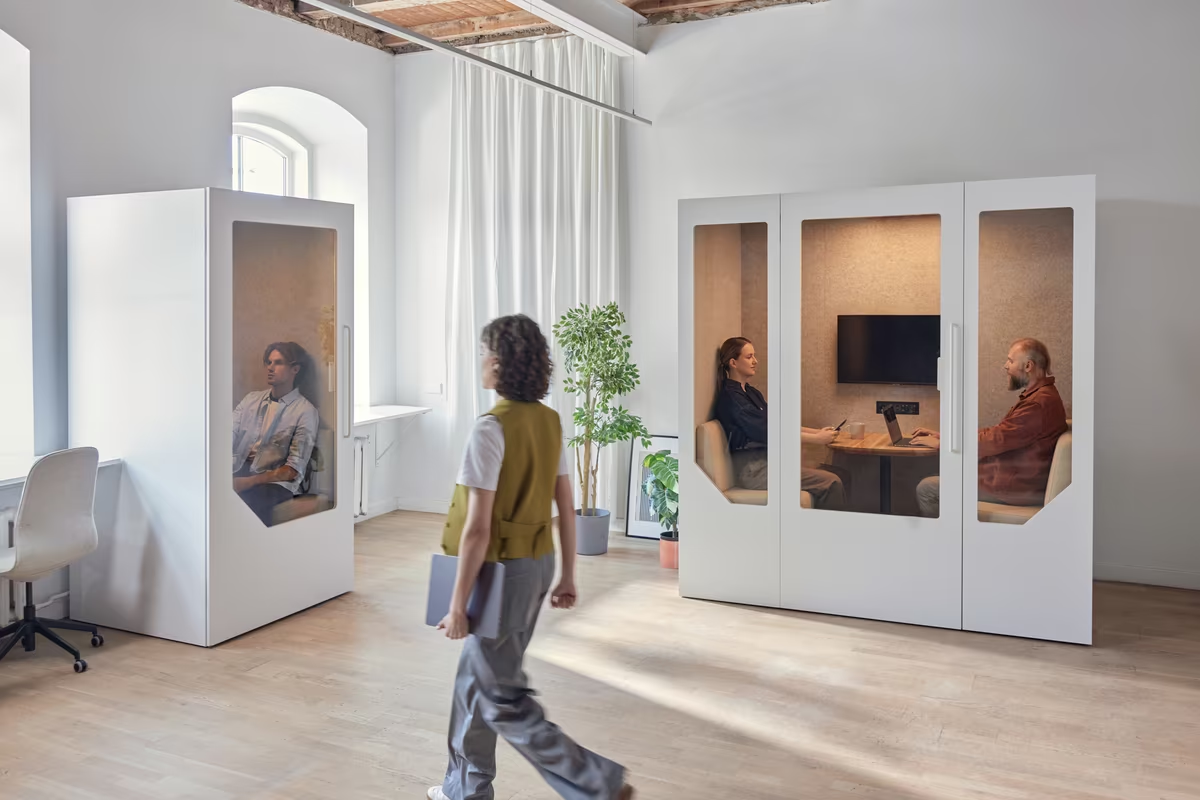
Manage acoustics by combining sound-absorbing materials, smart furniture placement, and dedicated quiet spaces. In busy open office areas, acoustic soundproof booths and meeting pods like Persy Four Meeting Booth act as private islands where people can step away from noise without leaving the floor. Clear circulation routes help people move between zones without cutting through focus areas.
Implementing your office space layout
Implementing your office space layout is a critical step that brings your vision to life and ensures your team has all the tools they need to work efficiently. Start by developing a detailed office space plan.
As you plan, consider the specific needs of your employees and the nature of their work. Make sure each workstation is equipped with the required office equipment and that the arrangement supports both individual focus and team collaboration. Accessibility should be a priority—ensure that all zones, from meeting rooms to break areas, are easy to navigate and inclusive for everyone.
Think about how your office space can adapt to changing needs. Choose modular furniture and flexible layouts that can evolve as your team grows or as work patterns shift. By carefully planning and implementing your office space layout, you create a productive environment that aligns with your organization’s goals and supports your employees’ best work from day one.
Overcoming common office design challenges
Every office plan comes with its own set of challenges, but with the right approach, you can turn potential problems into opportunities for improvement. One of the most common issues is finding the right balance between open floor plans that encourage collaboration and quiet zones that allow for focus and privacy. To solve this, integrate dedicated collaboration areas, such as break rooms and phone booths, so employees have spaces to work together or retreat for concentration as needed.
Another challenge is meeting the diverse needs of different teams and individuals. Use data and regular feedback from employees to inform your design decisions, ensuring the office layout supports a variety of work styles. Leadership should acknowledge the importance of privacy, accessibility, and comfort in the office plan, making adjustments based on real-world use and suggestions from the team.
How PersyBooths improve modern office layouts
PersyBooths are soundproof office phone booths and pods designed to bring acoustic privacy into open office layouts and hybrid offices. Third-party testing shows PersyBooths achieve Class B speech level reduction under ISO 23351-1:2020, delivering calm, private spaces for calls, deep work, and small meetings in otherwise noisy environments.
In real workplaces, clients use PersyBooths to relieve pressure on conference rooms, give people instant access to quiet meeting spaces, and reduce stress from constant background noise. Because PersyBooths are modular and movable, they fit seamlessly into open floor plans, private offices corridors, or collaboration areas, and can be relocated as your office space layout and team needs evolve. For more guidance on what to look for in a booth, explore the ultimate checklist for phone booths and practical advice on reducing noise in the open office.
Tips for optimising and future-proofing your office layout
To keep the best office layout over time, treat your office plan as a living document, not a one-off project. Collect feedback about noise, privacy, and comfort, and re-balance zones, meeting spaces, and break room facilities as your people work patterns change.
Invest in flexible resources like modular office furniture, acoustic booths, and multi-purpose conference rooms so you can respond quickly to changing needs and team sizes. Combine utilisation data, regular reviews, and modern solutions like phone booths to maintain a functional workspace that supports focus, collaboration, and hybrid work long term. For more ideas, see this guide to workspace optimisation.
Evaluating the success of your office space layout
To ensure your office space layout remains efficient and effective, it’s essential to regularly evaluate how well it supports your employees and organizational goals. Start by collecting data on how the space is used—track productivity, collaboration, and the flow between different zones. Encourage your team to share feedback, suggestions, and notes about what’s working and what could be improved.
Take a step back periodically to review the layout, considering whether it still meets the changing needs of your team and supports both individual and group work.
By making evaluation an ongoing process, you can adapt your office space to new challenges, maintain high productivity, and ensure your workspace continues to inspire and support your employees. Stay open to suggestions and be ready to evolve your office plan as your organization grows and work styles change.
FAQ
How much space do you need per employee?
How do you design for both collaboration and privacy?
What are the benefits of using office booths like PersyBooths?
How can I plan an office layout for hybrid or flexible teams?
What are the key ergonomic and safety considerations?
Compare Our Private Workspaces
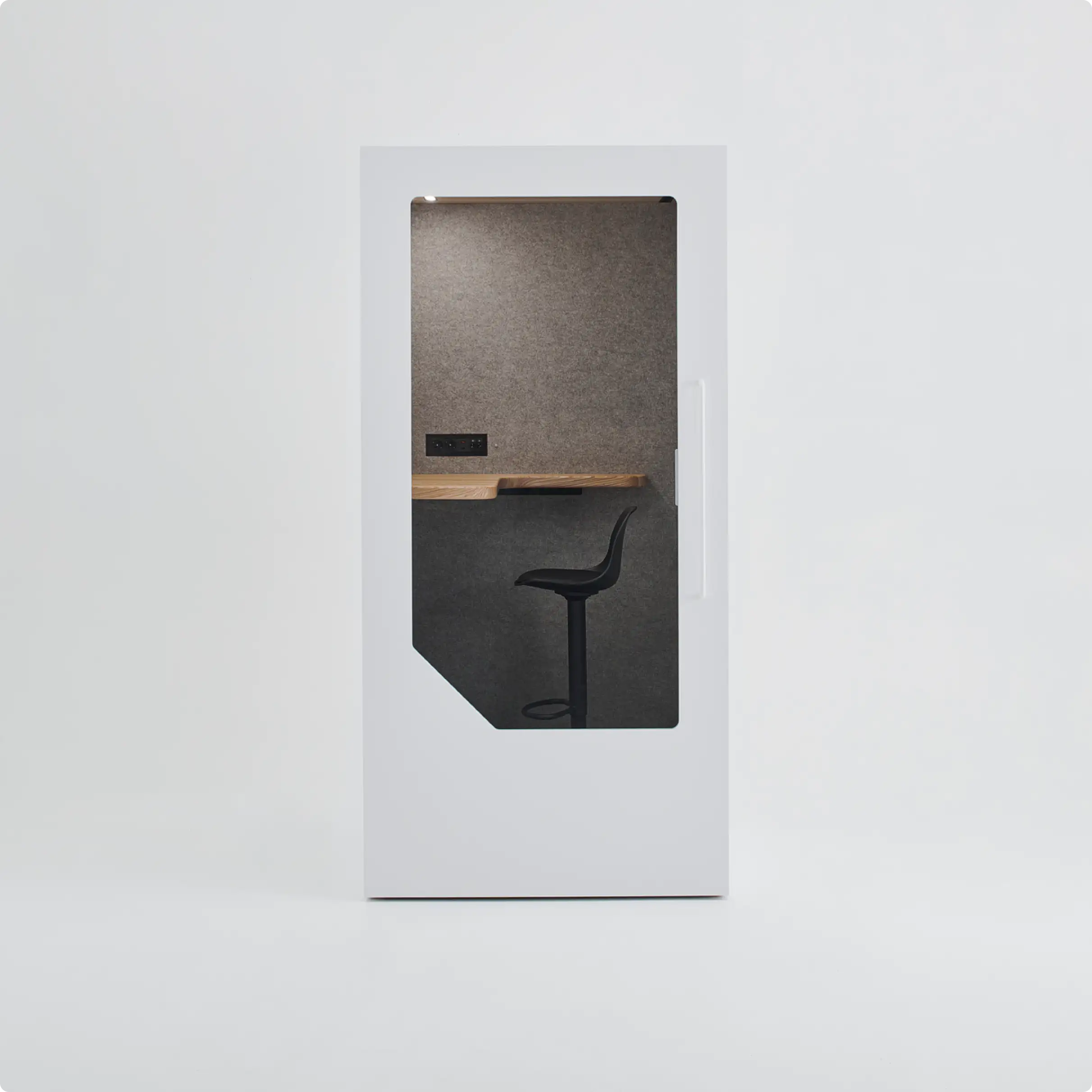
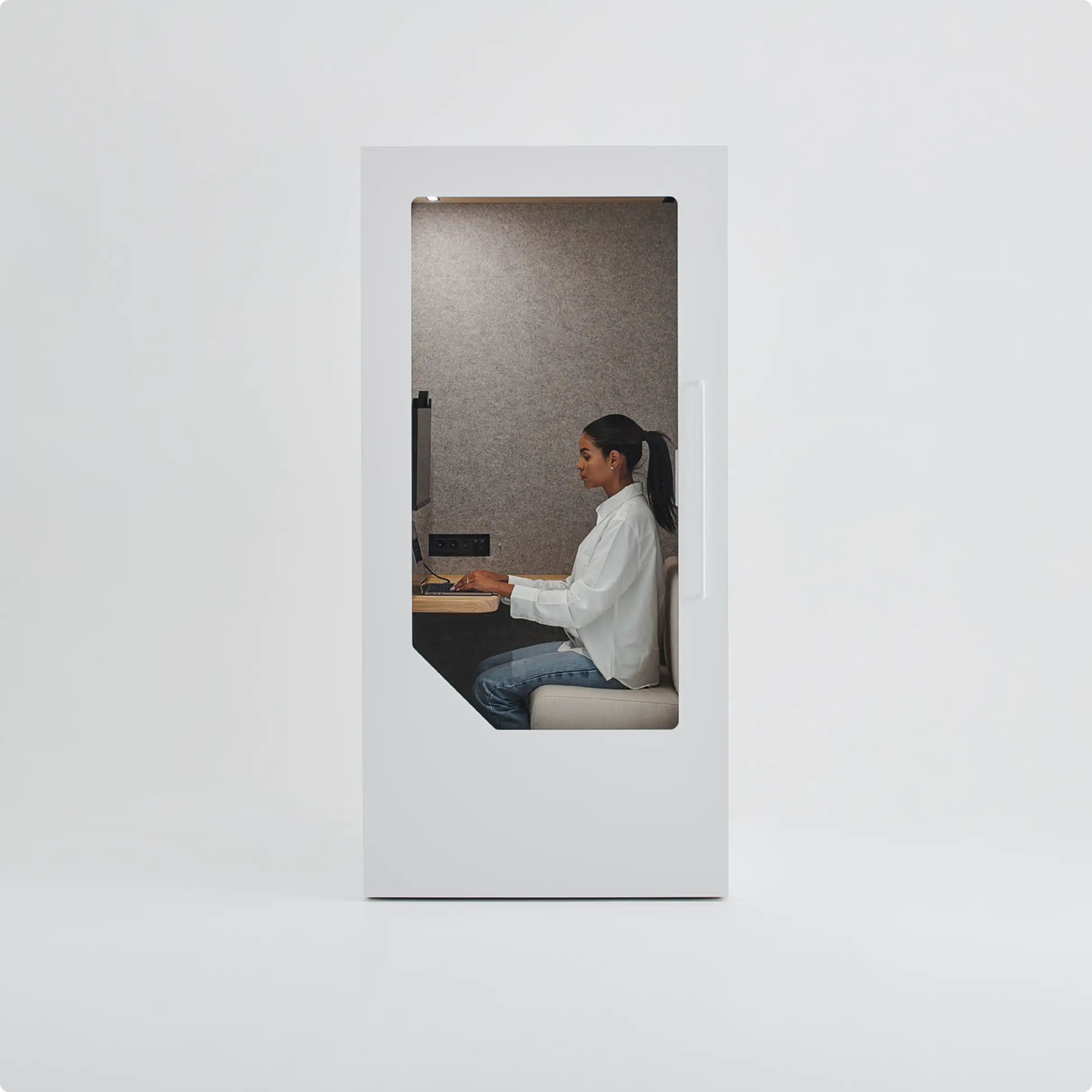

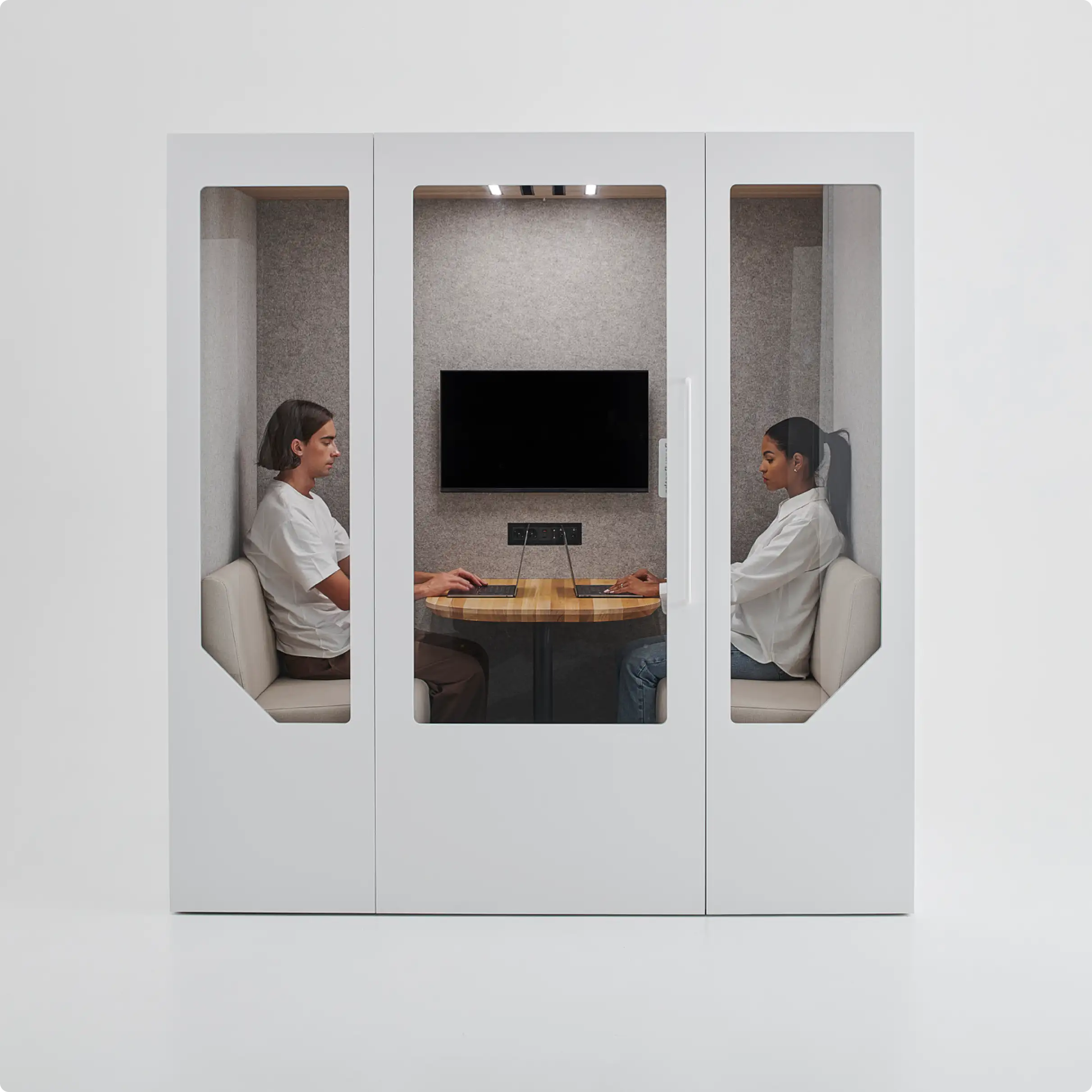
Persy Four
- Exterior
215 cm x 133 cm x 225 cm
- Interior
200 cm x 122 cm x 205 cm
- Soundproofing
-25.6dB according to ISO 23351:1:2020, all the way up to -38.3dB
- Ventilation
Adjustable 8 ultra-quiet fans, max airflow of 810m3/h, air refreshed inside every 31 seconds
Persy Four
- Exterior
215 cm x 133 cm x 225 cm
- Interior
200 cm x 122 cm x 205 cm
- Soundproofing
-25.6dB according to ISO 23351:1:2020, all the way up to -38.3dB
- Ventilation
Adjustable 8 ultra-quiet fans, max airflow of 810m3/h, air refreshed inside every 31 seconds
Learn More About Office Design Concepts
A guide to modern, flexible, and human-centered office spaces.

Why Our Private Workspaces Are the Smarter Choice
Watch how Persy Booths deliver privacy and focus – reducing distractions, improving airflow, and blending seamlessly into any office.
- Sold directlyCompetitive pricing, no middleman costs.
- Money-back guarantee30 days risk-free purchase.
- ISO certifiedTested soundproofing up to 28 dB.
- Fast deliveryShips in weeks, installs within hours.
- Trusted by thousandsThousands sold, near-zero returns.
- 3-year warrantyLong-lasting quality, guaranteed.
Design a workplace that actually works