%20(1).avif)
Compact Office Solutions for Modern Workspaces


.webp)
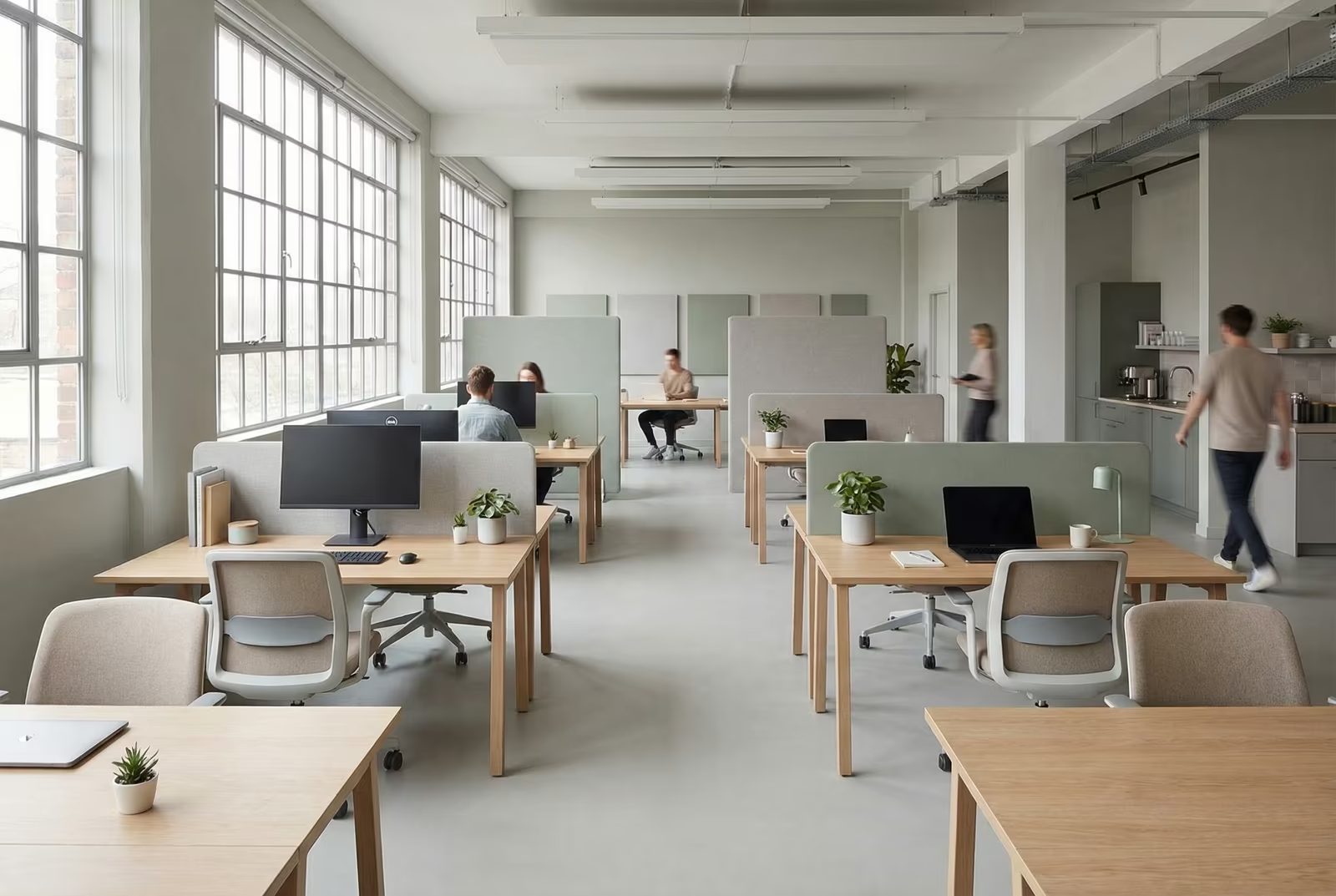
We at PersyBooths see a compact office as a smart, flexible workspace that lets you work productively in a smaller footprint, whether that sits inside a busy open plan floor, a shared home life setting, or a dedicated room in your house.
Hybrid working and rising property costs mean many UK businesses are reducing office space or switching to flexible co-working, while more people are fitting small home office ideas into bedrooms, alcoves, or even part of a dining room.
With thoughtful planning, you can transform overlooked corners and wall space into a functional workstation that supports focus, comfort, and style.
Why Compact Offices Matter in the Modern Workplace
Compact offices matter because hybrid work is now standard for many UK employers, and most organisations are making do with less floor space while still needing quiet, functional work areas.
Around two thirds of UK businesses now use some form of hybrid working, and a majority are actively reducing or reconfiguring office space, which makes efficient, compact office ideas crucial for modern planning.
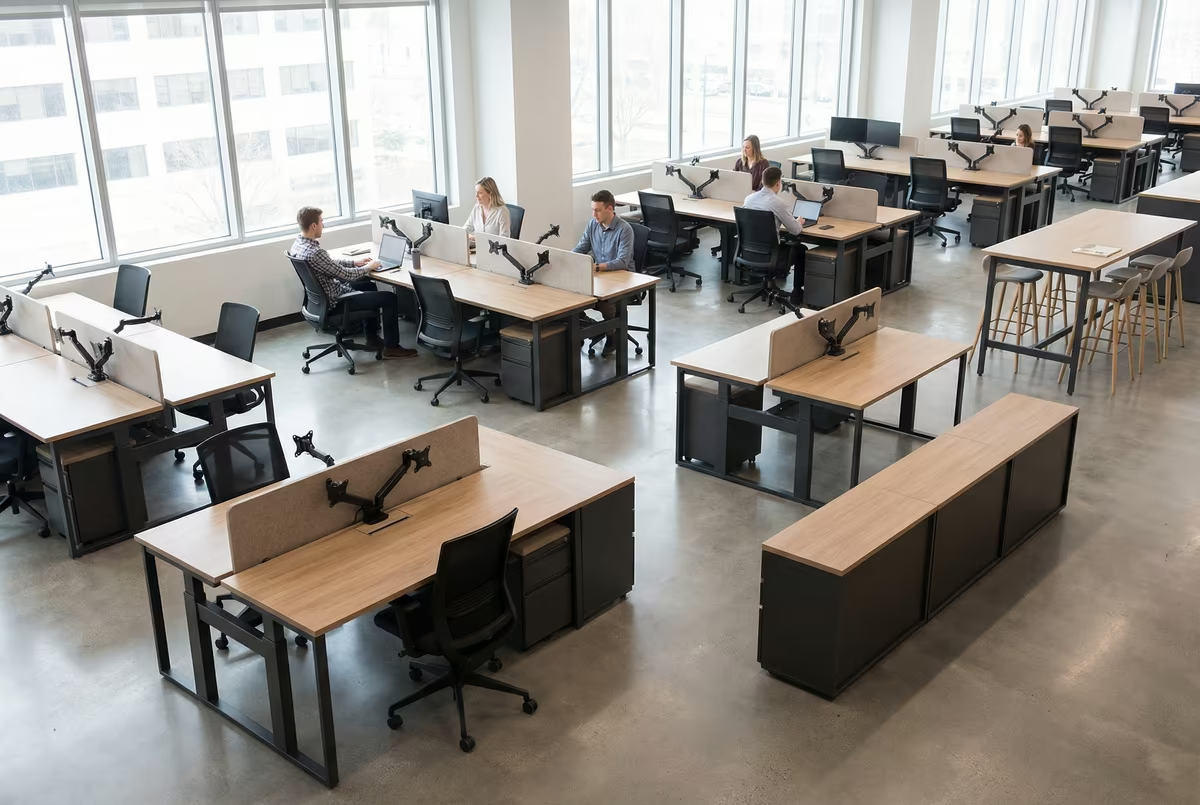
Compact offices offer benefits such as:
- Better space efficiency, allowing more workstations or focus areas within the same footprint.
- Lower real-estate and energy costs for businesses shrinking or rethinking their office area.
- More options for dedicated home office setups in smaller homes and flats, without needing a full-size study.
For a deeper look at how layouts adapt to changing work styles, explore our guide on how to design an office space layout: tips and best practices.
Designing a Compact Office: Key Principles
We design compact offices around three principles: maximise space, protect ergonomics, and keep the environment visually calm and clutter-free to support focus.
This applies whether you carve a workspace into a spare room, a corner of the living room, or a compact zone within an open office.
Key principles include:
- Use vertical and wall space for storage and display to keep the desk area clear.
- Choose compact, multifunctional furniture that can store, fold, or tuck away when not in use.
- Maintain clear walkways and a simple flow so you can move comfortably around the room.
Space Planning and Layout Tips
We treat space planning for a compact office as a puzzle where every inch needs a clear purpose and smooth flow.
Simple changes to layout, circulation, and wall use can turn tight rooms or alcoves into practical, stylish workstations.
Practical layout tips:
- Place the desk so you can benefit from natural light without glare on the screen, ideally side-on to a window rather than directly in front of or behind it.
- Keep at least 80–90 cm of clearance behind the chair for safe movement, aligning with guidance on safe workstation layout and movement.
- Use corners and alcoves for L shaped desks or slim work surfaces, leaving central floor space open for easier movement.
- In open-plan offices, position compact focus zones away from high-traffic paths to minimise visual and acoustic distractions.
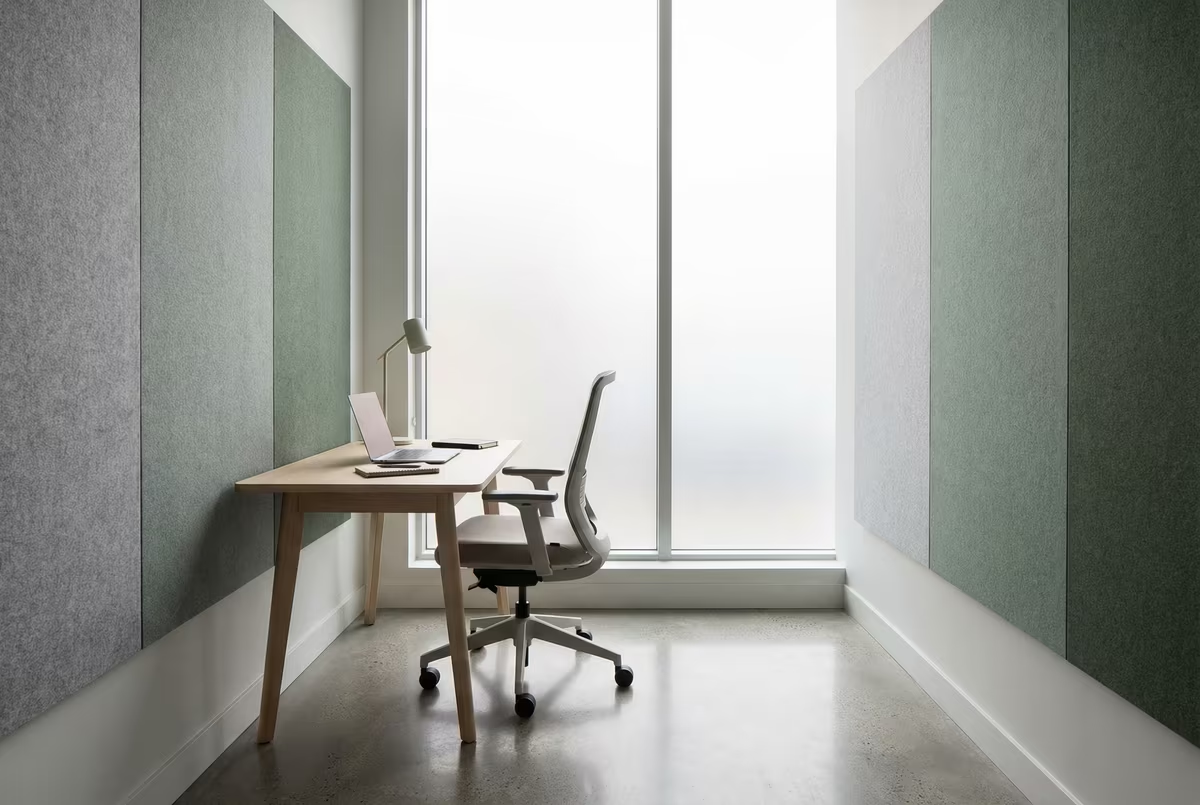
For more structured planning ideas, see our article on office space layouts, tips and best practices.
Choosing the Right Furniture for Small Offices
We choose compact office furniture that balances ergonomics and storage space, ensuring you can work comfortably for a full week without feeling cramped.
Research suggests that people who work from a proper desk are more productive than those working from beds, sofas, or dining tables, which underlines the need for a dedicated workstation even in a small room.
Furniture tips:
- Pick an ergonomic chair with height, backrest, and arm adjustments so you can sit with neutral posture at a compact desk.
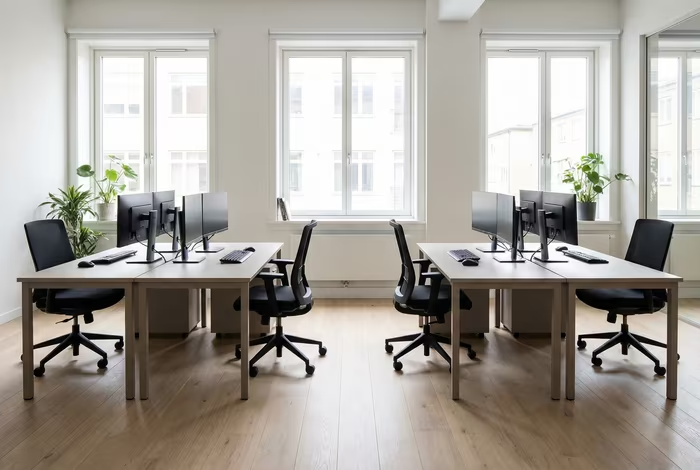
- Use a narrow but deep desk, or an L shaped desk, to maximise surface area against a wall while keeping floor usage minimal.
- Opt for desks and storage units with built-in drawers, cable trays, or shelves to keep equipment and paperwork out of sight.
- Choose home furniture that blends with your decor, especially if the office area sits in a bedroom, living room, or dining room shared with family and kids.
Integrating Technology in Small Workspaces
We integrate technology in compact offices by keeping cables under control and using slim, efficient devices that do more with less space.
Clean tech integration reduces visual clutter, which helps concentration and makes a small office feel calmer.
Tech integration ideas:
- Mount monitors on arms or wall brackets to free desk space and allow full length screen adjustments to suit your posture.
- Use under-desk cable trays, clips, and grommets to manage wires, and position extension leads where you can safely reach them.
- Add compact charging stations or multi-port chargers to one side of the desk so your devices stay powered without sprawling cables.
- Consider a small docking station so a single cable connects your laptop to monitors, keyboard, and other accessories.
Improving Productivity in Compact Offices
We design compact office spaces around focus, comfort, and control of noise because office distractions directly affect productivity and stress levels.
Studies on remote and home working show productivity gains of 13–47% when people work in quieter, better-controlled environments, often thanks to fewer interruptions and more comfortable setups.
Ways to boost productivity in compact offices:
- Define clear zones within the room: a primary desk area, a small reference or storage wall, and if possible, a separate spot for calls.
- Use visual cues like rugs, lighting changes, or shelving to separate work from home life in multipurpose rooms.
- Set surface rules such as “clear desk at the end of the day” so each morning starts with a tidy, inviting workspace.
The Role of Acoustic Privacy
We see acoustic privacy as crucial in compact offices because noise and interruptions can undermine focus and mood even in short bursts.
Open office research shows that simulated open-plan noise, beyond acceptable noise levels in the workplace, can increase stress responses by around 34% and raise negative mood by 25% in just minutes, which is a strong argument for better sound control in small, shared spaces.
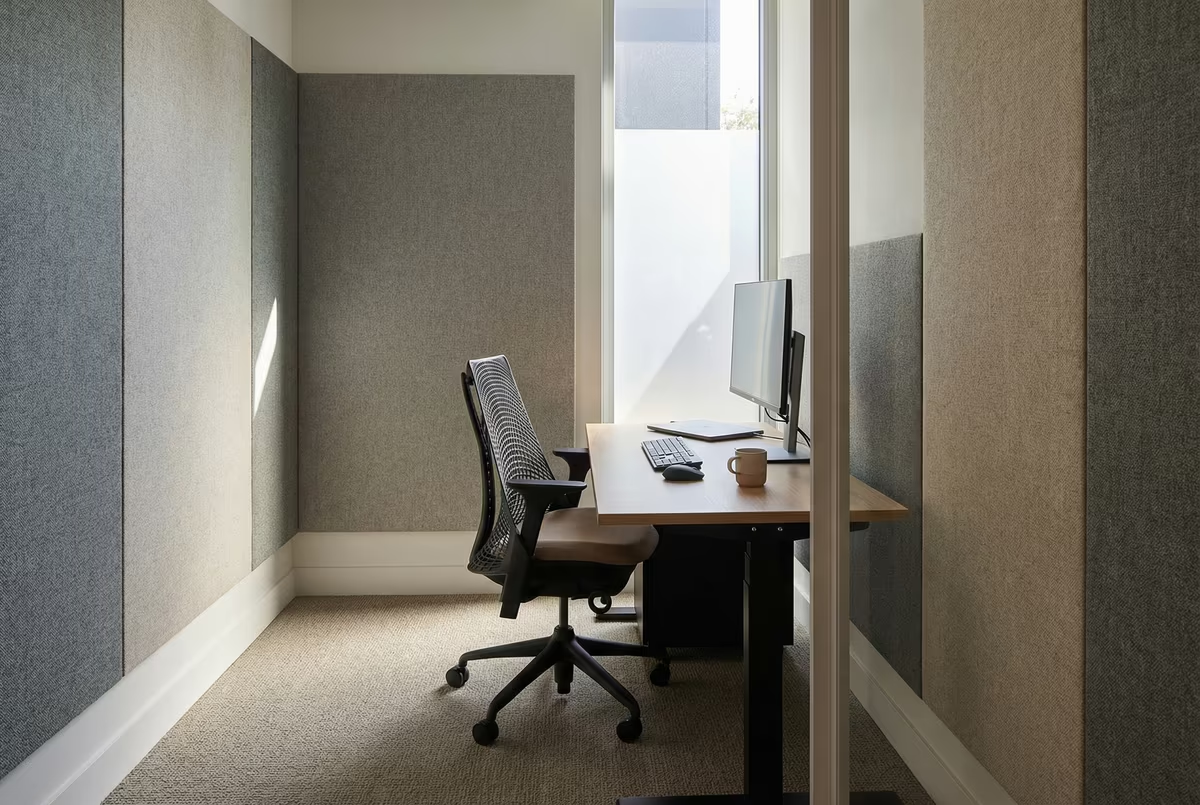
Acoustic tips:
- Add soft finishes like rugs, curtains, fabric pinboards, and upholstered furniture to absorb sound in rooms with hard floors and ceilings.
- Use door seals, draft excluders, or acoustic strips around frames to cut noise bleeding into a dedicated home office or spare room.
- In open-plan settings, create quiet corners or enclosed workstations where people can escape ambient noise for focus work or confidential calls.
Lighting and Ambience
We design compact offices to feel bright and calm, using natural light where possible and careful artificial lighting where it is not.
Good lighting reduces eye strain and supports alertness, and research on natural light in the workplace shows it also influences mood and focus in compact office spaces.
Lighting and ambience ideas:
- Position the desk near a window to benefit from natural light, using blinds or sheer curtains to soften glare.
- Layer lighting with a ceiling light, a focused desk lamp, and, if possible, wall or floor lamps that create a warm, even glow.
- Use light, neutral wall colours to make smaller spaces feel more open, then add interest with a few accent accessories rather than busy patterns.
Modern Office Booths: The Ultimate Compact Office Solution
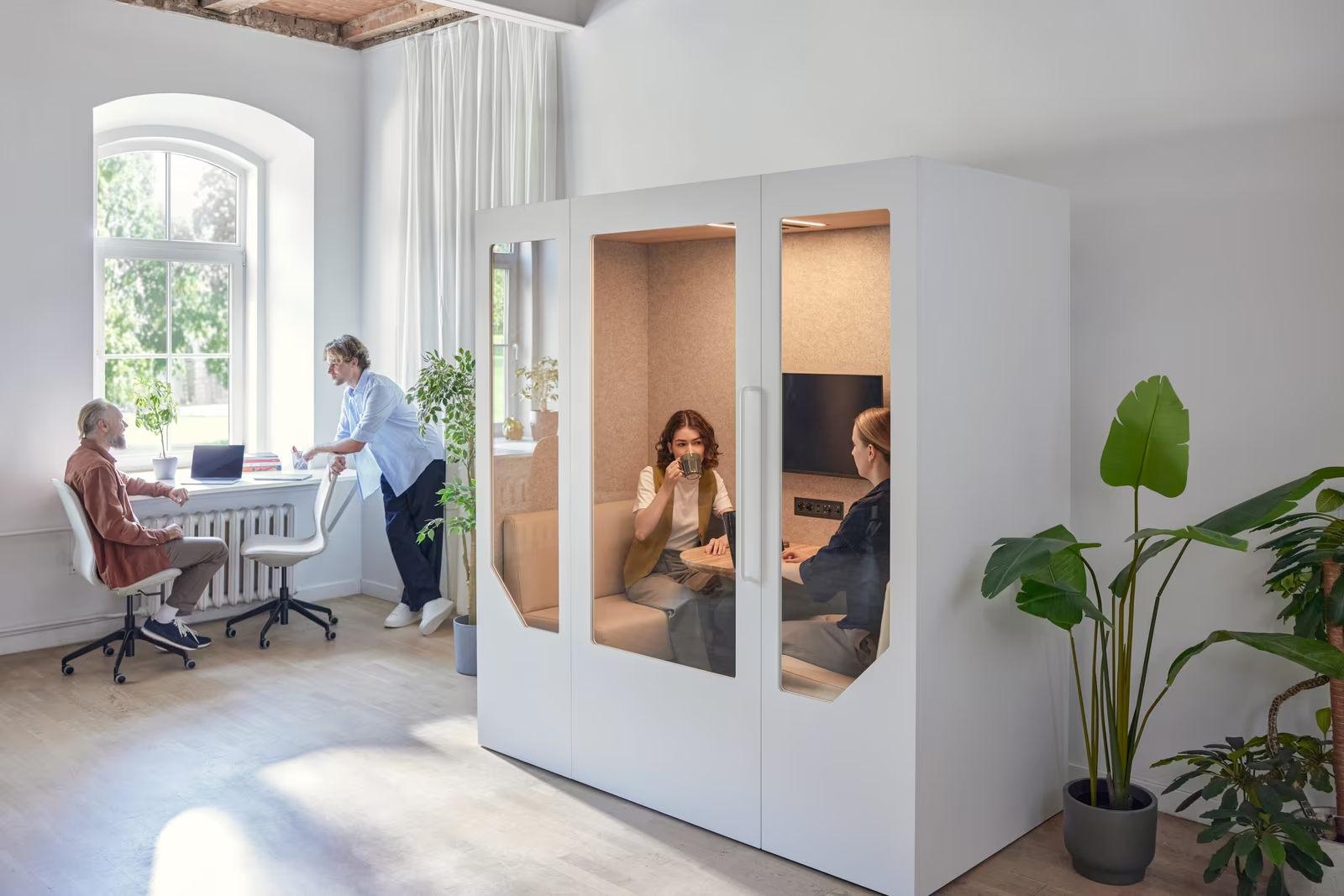
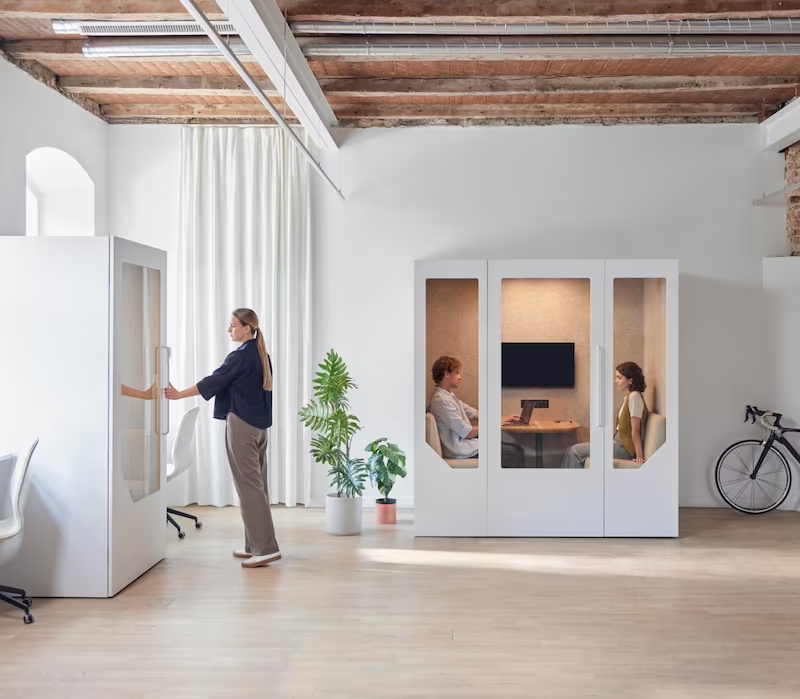
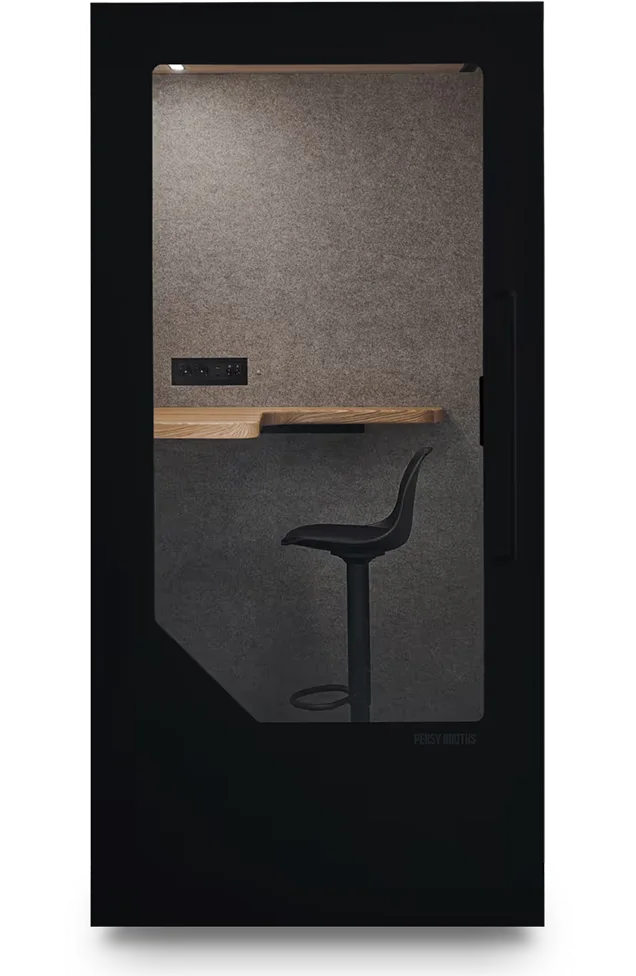
We at PersyBooths view modern office booths as a premium compact office solution because they create self-contained workspaces with great acoustics, lighting, and ventilation in a small footprint.
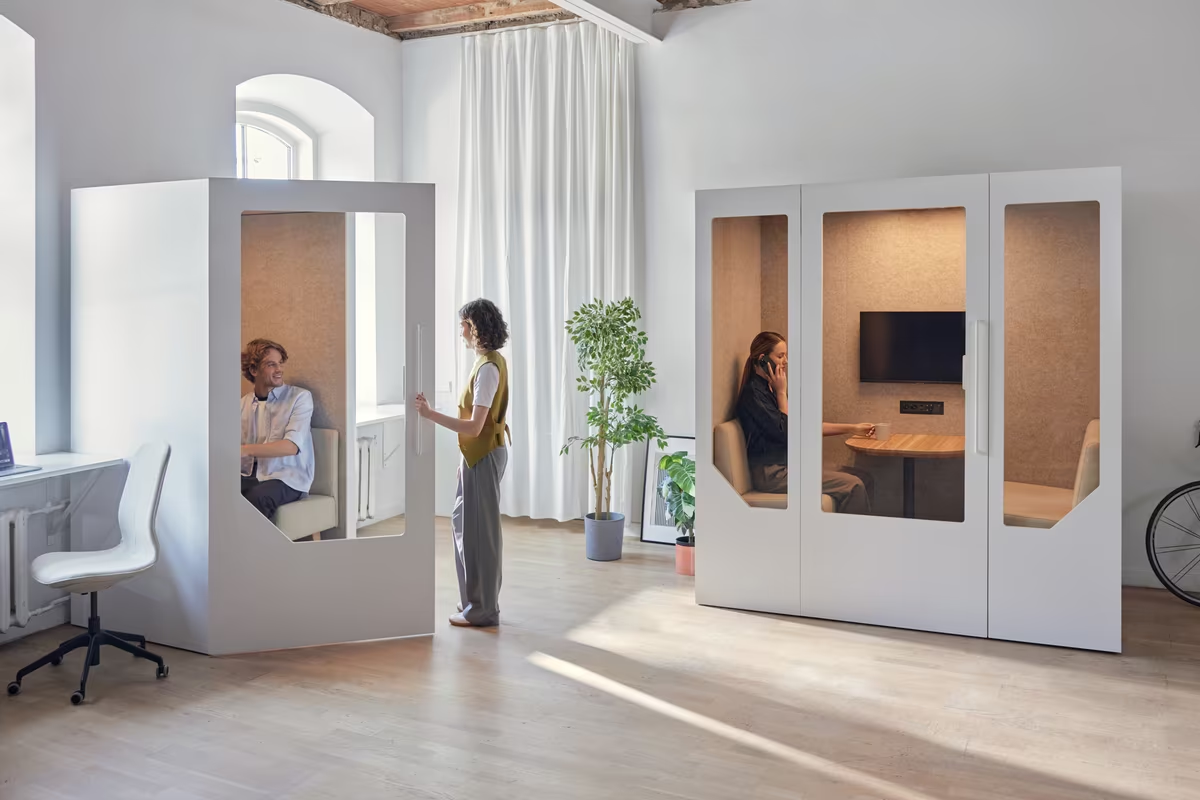
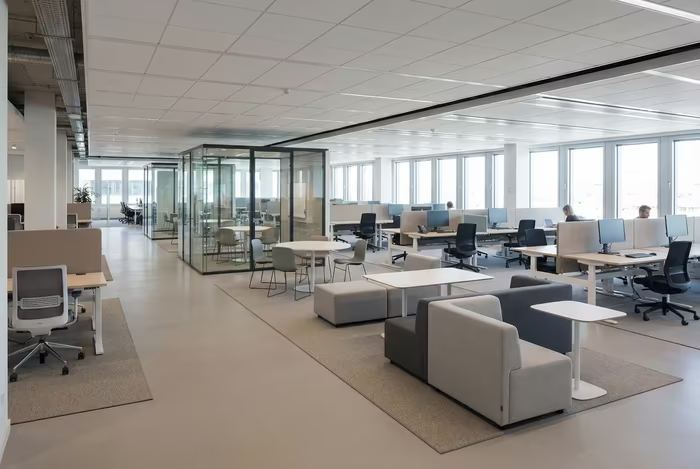
In open-plan and hybrid offices, booths act like dedicated home office rooms brought onto the office floor, aligning with optimising office space with phone booths by giving individuals and teams quiet, bookable spaces without permanent construction.
Office booths fit perfectly into:
- Hybrid work environments where people come in a few days a week and need reliable spaces for video calls and deep work.
- Smaller offices that have traded private offices for open workspaces but still need pockets of privacy.
- Co-working hubs where individuals and small teams require short-term, high-quality workstations.
Key Benefits of PersyBooths
We design PersyBooths to deliver strong sound control, comfort, and flexibility, offering a compact office that can be installed almost anywhere on the floor.
Well-designed booths allow people to step away from noise without leaving the office, improving both focus and satisfaction.
Key benefits include:
- Soundproofing: Acoustic materials, seals, and glazing provide high speech privacy, making calls and video meetings more confidential and less distracting to others.
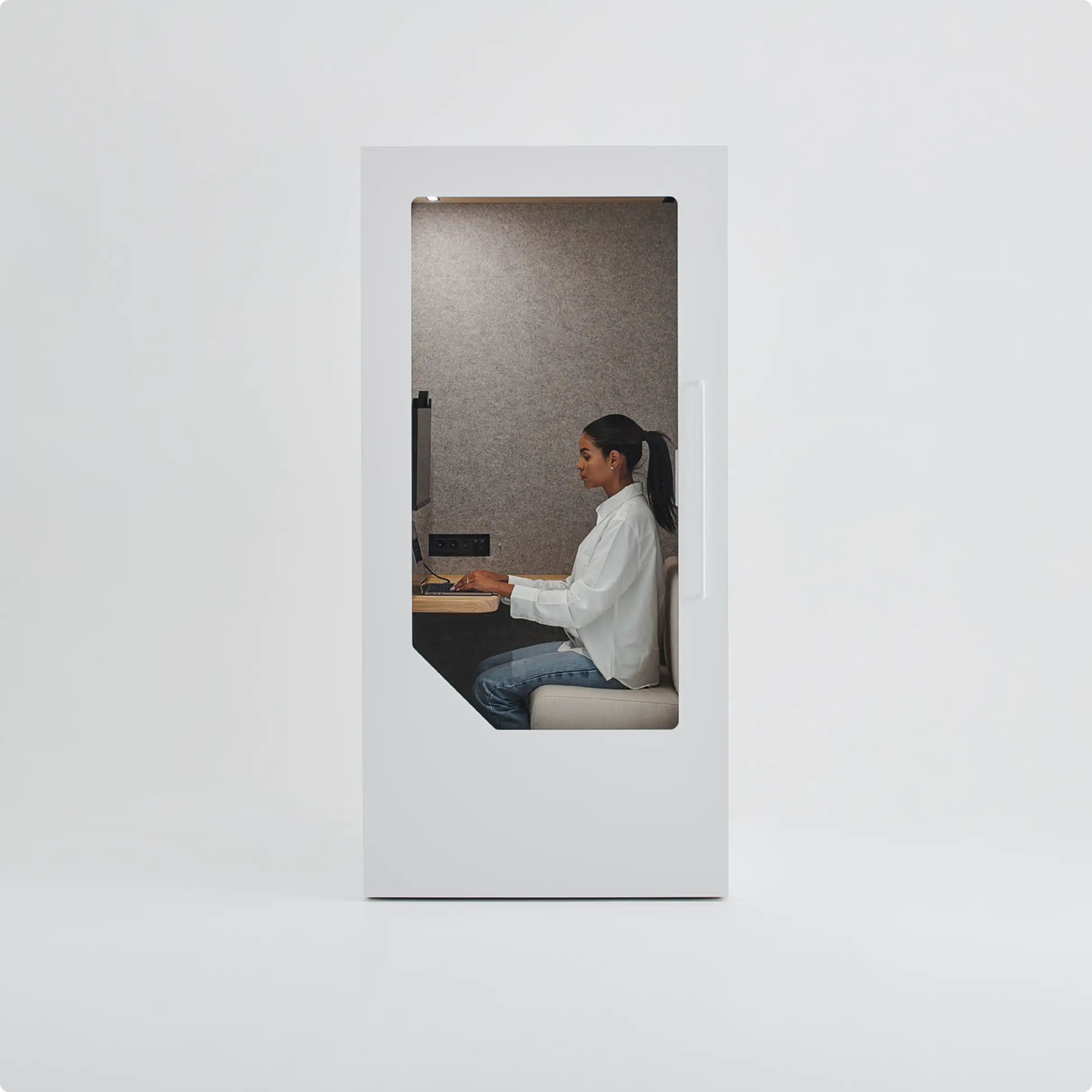
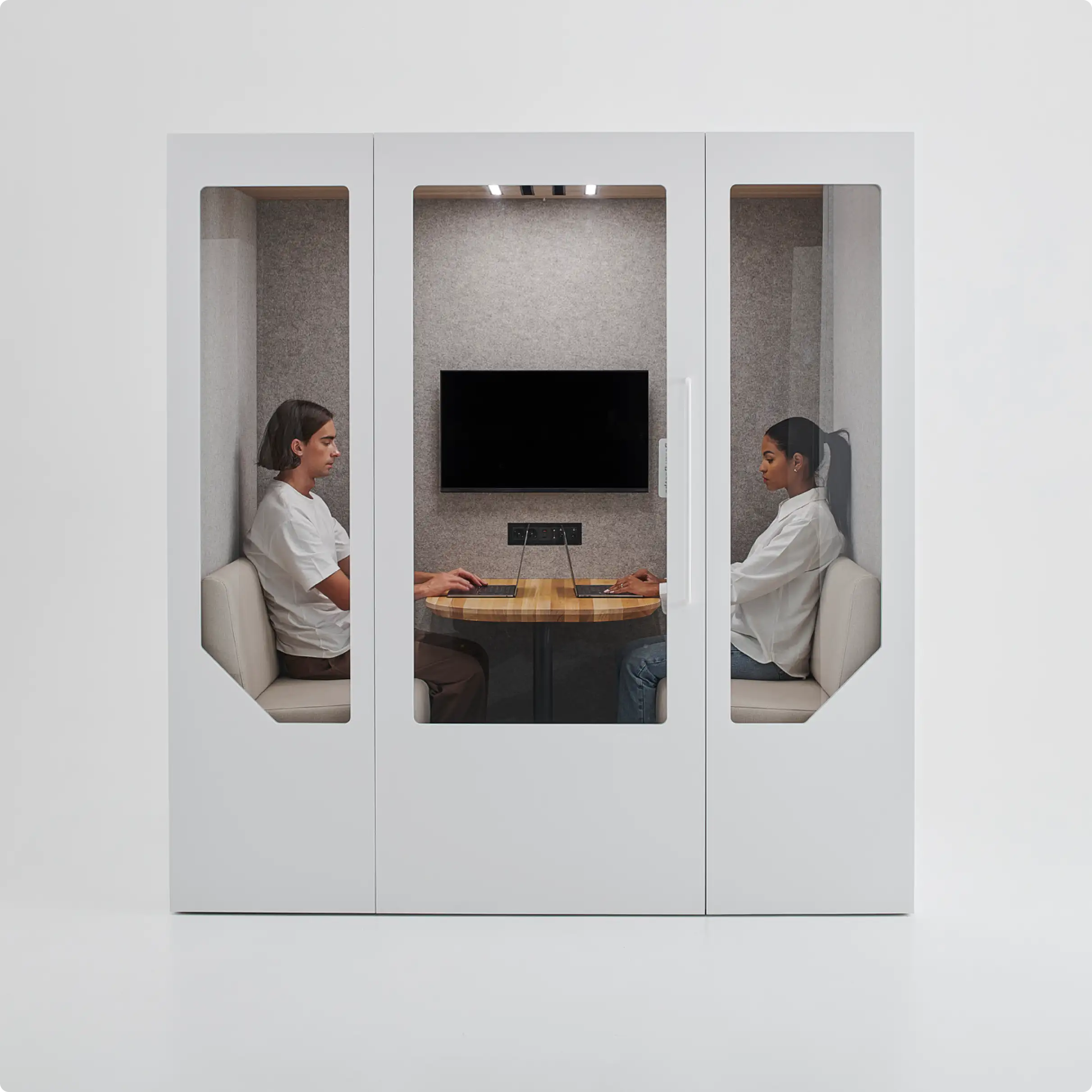
- Modular design: Booths come in different sizes, from single-person pods to small meeting booths such as Persy Four, and can be relocated as your office plan changes.
- Easy installation: Units sit on top of the existing floor with no major construction, usually connecting only to power for lighting and ventilation.
- Productivity boost: By offering a quiet, controlled environment, booths support deep work and sensitive conversations in otherwise open or noisy settings.
To explore measured advantages, see our article on the benefits of soundproof booths in the open office.
Real-World Use Cases for Office Booths
We see office booths transform compact offices when they are used as flexible, multi-purpose spaces for calls, focus, and collaboration.
A well-known example comes from SumUp, which used PersyBooths to beat open-space office distractions and give teams more control over their day.
Common use cases:
- Hybrid teams use booths like Persy Work as reliable spaces for video calls with remote colleagues, so the main floor remains for collaboration rather than quiet work.
- Leaders and HR teams use booths such as Persy Two for confidential discussions and one-to-ones without needing a full meeting room.
- Individuals working in hot-desking environments use booths as temporary dedicated home office equivalents, especially for tasks needing deep concentration.
To see how this looks in practice, read how SumUp beats open space office distractions with PersyBooths.
Compact Office Furniture and Layout Ideas Table
We often match furniture and layout choices to the exact type of compact office you are creating, from a spare room to a corner workstation or office booth.
The table below summarises practical small office ideas for different scenarios.
Visual Inspiration: Compact Office Layout Sketch
We like to use simple visual layouts to help you imagine how a compact office might fit into your house or workplace.
Below is a simple pseudo-code layout sketch you can adapt for your own corner or dedicated room.
Use this as a starting point, then adjust to suit your own room dimensions and furniture range.
FAQ
How do I maximise productivity in a small office space?
What furniture works best for compact offices?
How can I ensure privacy in an open-plan or hybrid workspace?
What are the benefits of using an office booth like PersyBooths?
Are office booths soundproof?
How do I integrate office booths into my existing layout?
What are affordable ways to upgrade a compact office?
Compare Our Private Workspaces
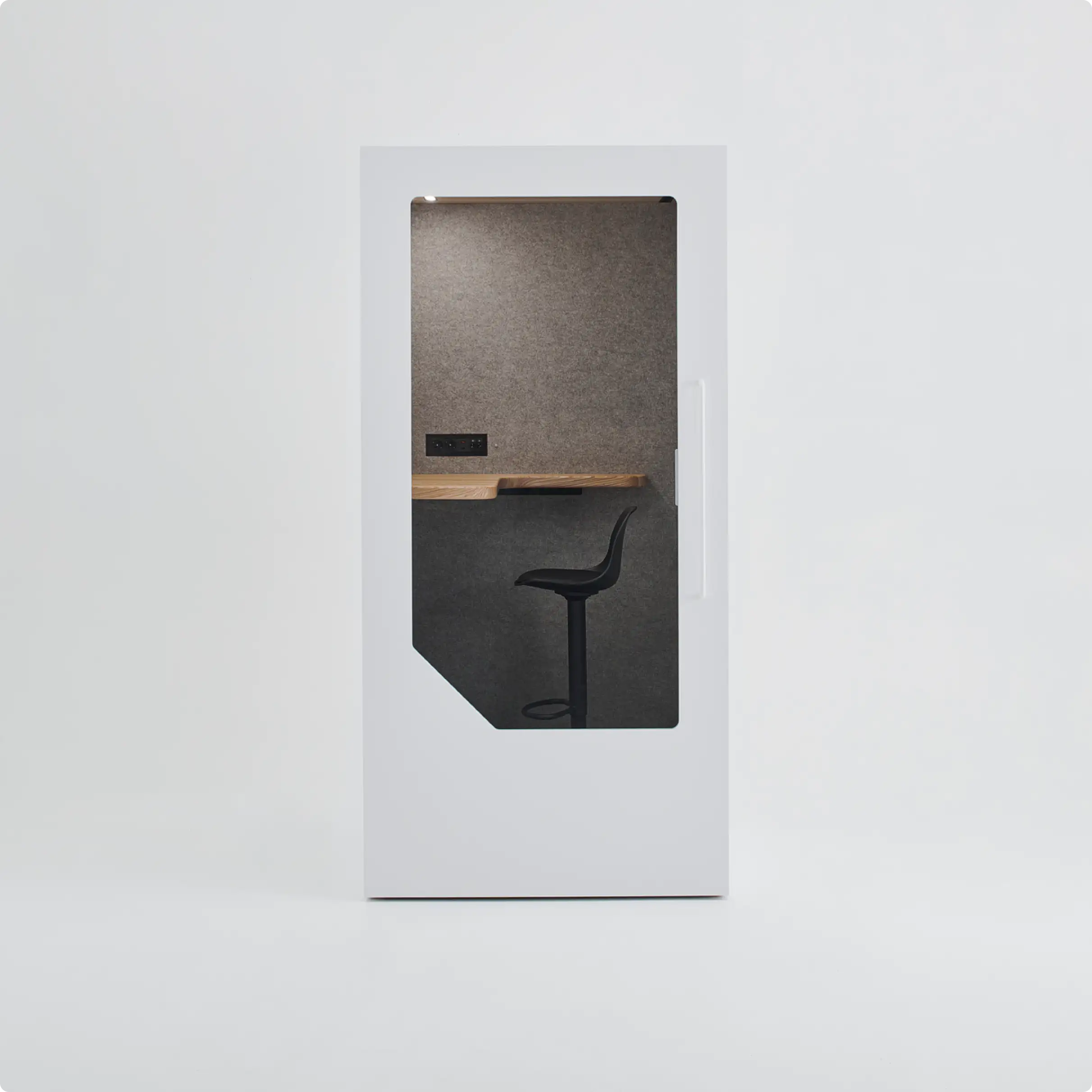

Persy Four
- Exterior
215 cm x 133 cm x 225 cm
- Interior
200 cm x 122 cm x 205 cm
- Soundproofing
-25.6dB according to ISO 23351:1:2020, all the way up to -38.3dB
- Ventilation
Adjustable 8 ultra-quiet fans, max airflow of 810m3/h, air refreshed inside every 31 seconds
Persy Four
- Exterior
215 cm x 133 cm x 225 cm
- Interior
200 cm x 122 cm x 205 cm
- Soundproofing
-25.6dB according to ISO 23351:1:2020, all the way up to -38.3dB
- Ventilation
Adjustable 8 ultra-quiet fans, max airflow of 810m3/h, air refreshed inside every 31 seconds
Learn More About Office Design Concepts
A guide to modern, flexible, and human-centered office spaces.

Why Our Private Workspaces Are the Smarter Choice
Watch how Persy Booths deliver privacy and focus – reducing distractions, improving airflow, and blending seamlessly into any office.
- Sold directlyCompetitive pricing, no middleman costs.
- Money-back guarantee30 days risk-free purchase.
- ISO certifiedTested soundproofing up to 28 dB.
- Fast deliveryShips in weeks, installs within hours.
- Trusted by thousandsThousands sold, near-zero returns.
- 3-year warrantyLong-lasting quality, guaranteed.
Design a workplace that actually works