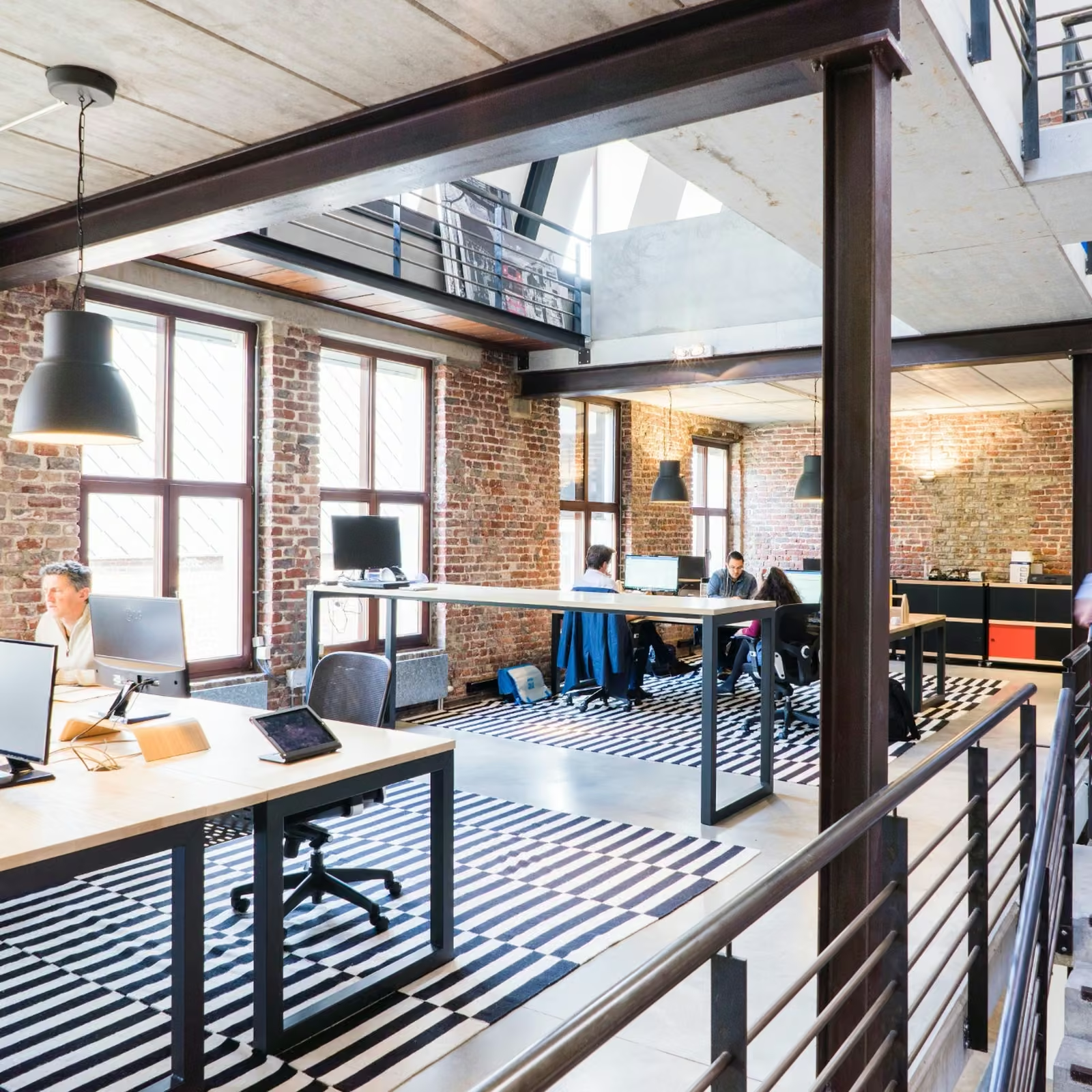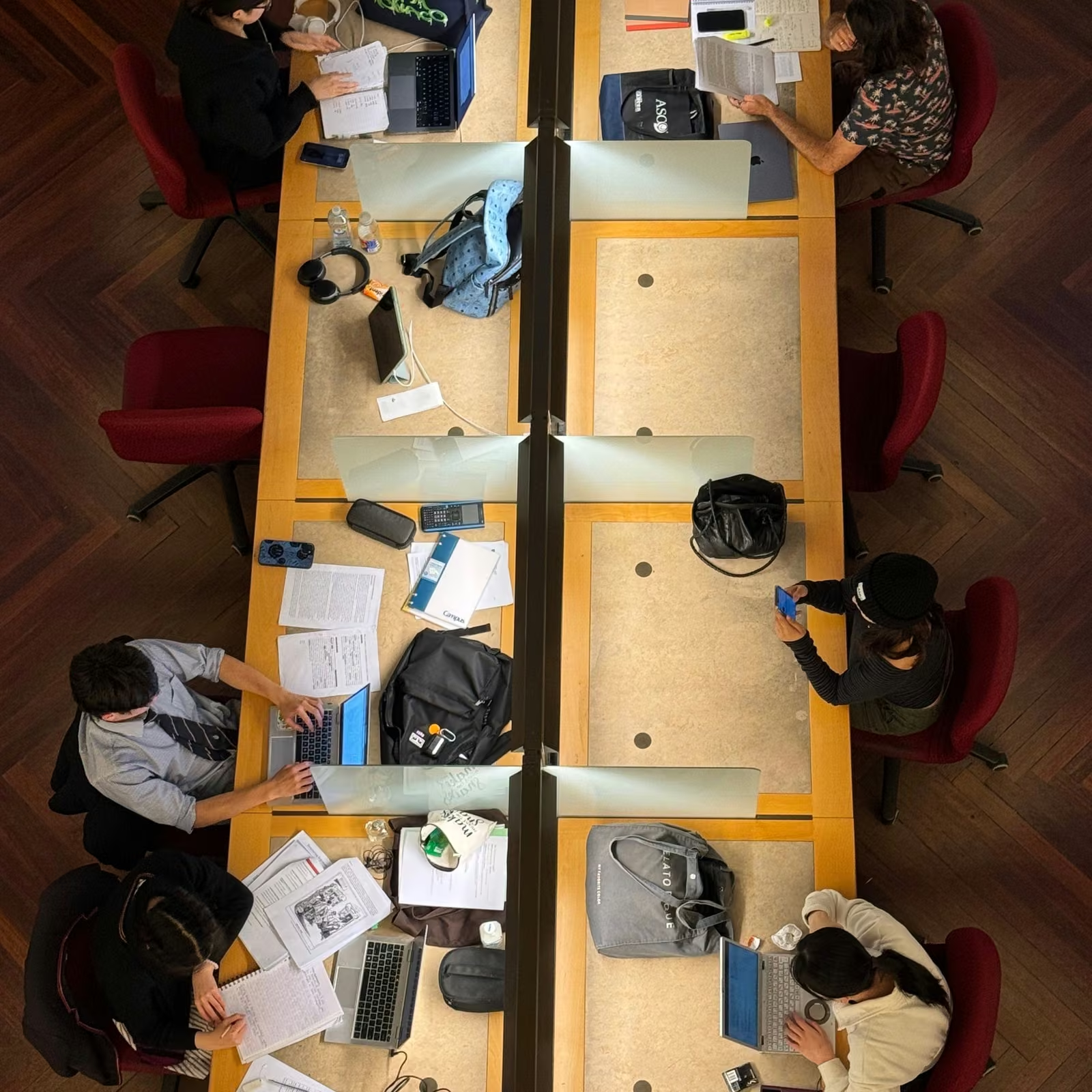
The digital workplace is the modern evolution of the traditional workplace – a connected, technology-enabled environment that allows people, tools, data and communication to work together seamlessly regardless of location. By virtualising key parts of the traditional office, the digital workplace enables hybrid work, remote work and a more consistent employee experience across physical and digital environments. As organisations adapt to new ways of working, the digital workplace has become central to productivity, collaboration and long-term business resilience.
Even organisations rooted in physical environments recognise this shift. Persy Booths, for example, works closely with companies focused on improving the work environment and understands how digital workplace transformation intersects with physical office design. Our office pods exist in the physical space of the office, but are also key to digital workplace success by helping digital models deliver a comfortable, convenient experience to digital workplace teams.
Key takeaways from this article
- A digital workplace connects people, data and digital tools into one unified work environment.
- The digital workplace strategy improves employee productivity, engagement and flexibility.
- Hybrid work succeeds when digital workplace technology connects the physical office and remote work seamlessly.
- Automation, artificial intelligence and cloud platforms reduce repetitive tasks and improve digital employee experience.
- A successful digital workplace model balances digital tools with physical workplace design and culture.

What Is a Digital Workplace?
A digital workplace is a technology-enabled environment where employees use digital tools, communication apps and shared data to collaborate, work and access business processes from anywhere. Rather than being tied to a physical office, the digital workplace brings together people, knowledge and digital technology into a connected digital space that supports modern working patterns.
The digital workplace encompasses communication, collaboration, storage, automation and analytics – creating a unified digital workspace where employees can access relevant data, complete tasks and connect with team members in real time. As businesses operate across locations, time zones and devices, the digital workplace has become essential to how knowledge workers function.
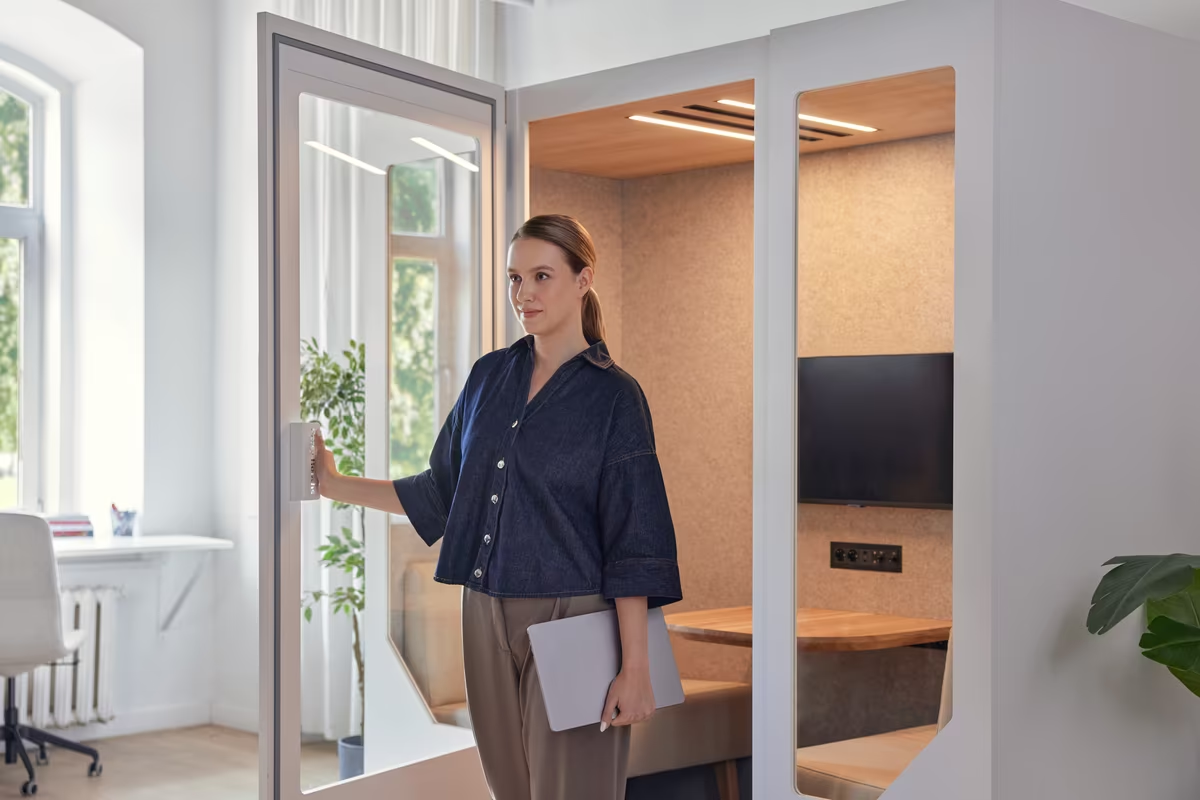
In parallel, organisations are rethinking physical design. Many are moving beyond the limitations of the traditional open office model and exploring more flexible layouts that better support hybrid work, concentration and collaboration. Evidence of this can be seen in the now-ubiquitous work booth, a small soundproof area that permits privacy and concentration for digital users.
Core Components of a Digital Workplace Model
The digital workplace model typically includes several core components that together create a seamless digital work environment. These digital workplace components include:
- Cloud-based platforms enabling access to apps and data anywhere
- Communication and collaboration tools such as instant messaging, enterprise social media tools and virtual meeting tools
- Secure storage and digital records for effective knowledge sharing
- Analytics and performance measurement
- Security and governance to protect systems and users
Together, these digital workplace tools enable flexible work and real-time collaboration, whilst also boosting employee engagement.

How the Digital Workplace Enables Hybrid Work and Better Employee Experience
A well-designed digital workplace enables hybrid work by connecting remote work with the physical workplace through shared platforms and integrated workflows. Employees can collaborate, access online tools and participate in digital initiatives without needing to be in the same location.
This connectivity delivers several benefits – including cost savings, improved productivity and stronger work life balance. The digital workplace enables employees to move between home and office without losing continuity, improving digital employee experience and reducing friction.
Digital Workplace vs Digital Workspace
The digital workplace and digital workspace refer to different layers of modern work.
Definitions and Key Differences
The digital workplace is the broader ecosystem – including technology, communication and workplace culture. The digital workspace is the individual employee’s secure digital environment where tasks are completed.
How They Work Together
Digital workspaces plug into the wider digital workplace platform, ensuring secure access to apps while benefiting from shared collaboration and knowledge tools.
Benefits of a Well-designed Digital Workplace
A well-designed digital workplace improves productivity, resilience, employee satisfaction and flexibility. Increasingly, organisations are seeing measurable gains from digital workplace transformation as hybrid and remote work become permanent features of modern business.
Productivity, Cost Savings and Better Work Life Balance
Automation, artificial intelligence and digital workplace technology reduce repetitive tasks, streamline workflows and improve efficiency. Robotic process automation and advanced digital tools allow organisations to focus employees on higher-value work rather than routine activity.
Recent research from the OECD shows that remote and hybrid work improves productivity, engagement and work life balance for many employees. Reducing reliance on large office space can also deliver significant cost savings while improving flexibility and work life balance.
Improved Employee Experience Across Physical Office and Remote Work
A strong digital workplace strategy supports accessibility in the workplace by ensuring a consistent employee experience across physical office and remote settings. Integrated communication, collaboration and project management tools improve engagement and enable knowledge sharing.
However, employee experience is influenced not only by digital tools but also by the physical work environment. Many organisations are tackling workplace noise and distraction by implementing practical office noise reduction solutions that support focus and productivity.
Key Elements of a Digital Workplace Strategy
A successful digital workplace strategy aligns technology with culture and business goals.
Aligning Tools, Culture and Ways of Working
Technology should support how people work rather than dictate it. Encouraging employee feedback and improving digital employee experience ensures continuous improvement.
Many organisations are also using workplace data gleaned from devices such as a room occupancy sensor to optimise how space is used and reduce wasted office capacity.
Integrating Physical Office Space and On-site Experience
The digital workplace must also support the physical office by managing space, reducing distractions and improving usability. Many organisations are adopting flexible office space strategies to better align office usage with hybrid work patterns. The aim is to create true collaborative workspace environments, which can involve anything from installing private office pods or portable meeting rooms to deploying a white noise machine, designed to mitigate open office distractions.
Companies wishing to create separate, soundproof zones as part of the digital workplace strategy can choose from a considerable range of options. For focused calls and individual work, companies increasingly use an individual soundproof phone booth, whereas private collaboration often happens in a two person phone booth. For larger hybrid discussions, a larger team meeting booth may be more appropriate.

Building Blocks and Technologies Behind the Digital Workplace
The digital workplace is powered by integrated technologies that connect people, processes and data across locations and devices.
Cloud Platforms, Collaboration Tools and Real Time Communication
Cloud platforms, communication apps and project management tools create a unified digital environment where team members collaborate in real time. Research from McKinsey shows that hybrid digital workplace models improve productivity, flexibility and employee experience. These workplace technologies help businesses operate more efficiently while supporting hybrid collaboration.
Security, Governance and Artificial Intelligence
While digital workplace initiatives are often seen mainly as a way to improve productivity and enable efficient hybrid working, it is also imperative to stay within the guardrails of responsibility and security. The digital work environment demands the protection of data and users, while responsible governance of artificial intelligence ensures that employees benefit from improved workflows, without concerns of loss of control.
If responsibly implemented, digital workplace solutions are essential to maximise the productivity of employees, keep businesses competitive and ensure the satisfaction and well-being of all involved.
FAQs
.avif)
Passionate, progress-driven venture & business developer with startup and corporate experience. I speak business, while keeping customers in my heart.