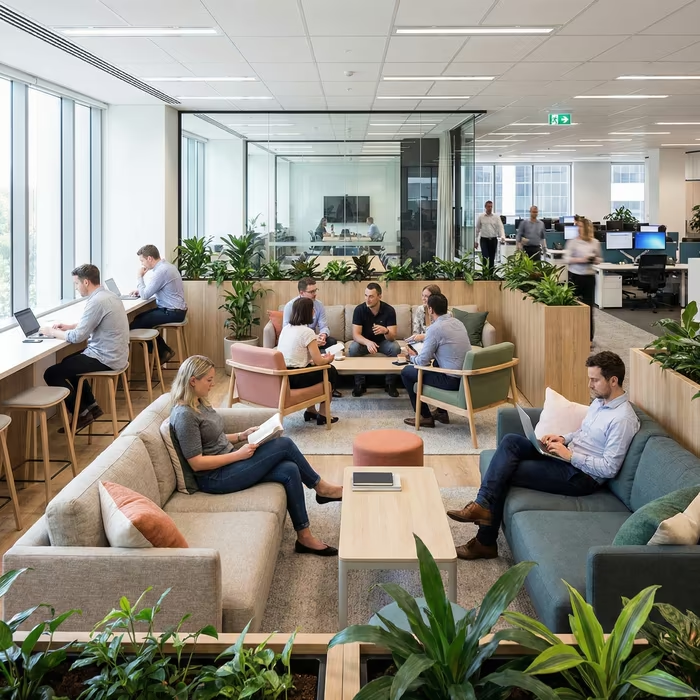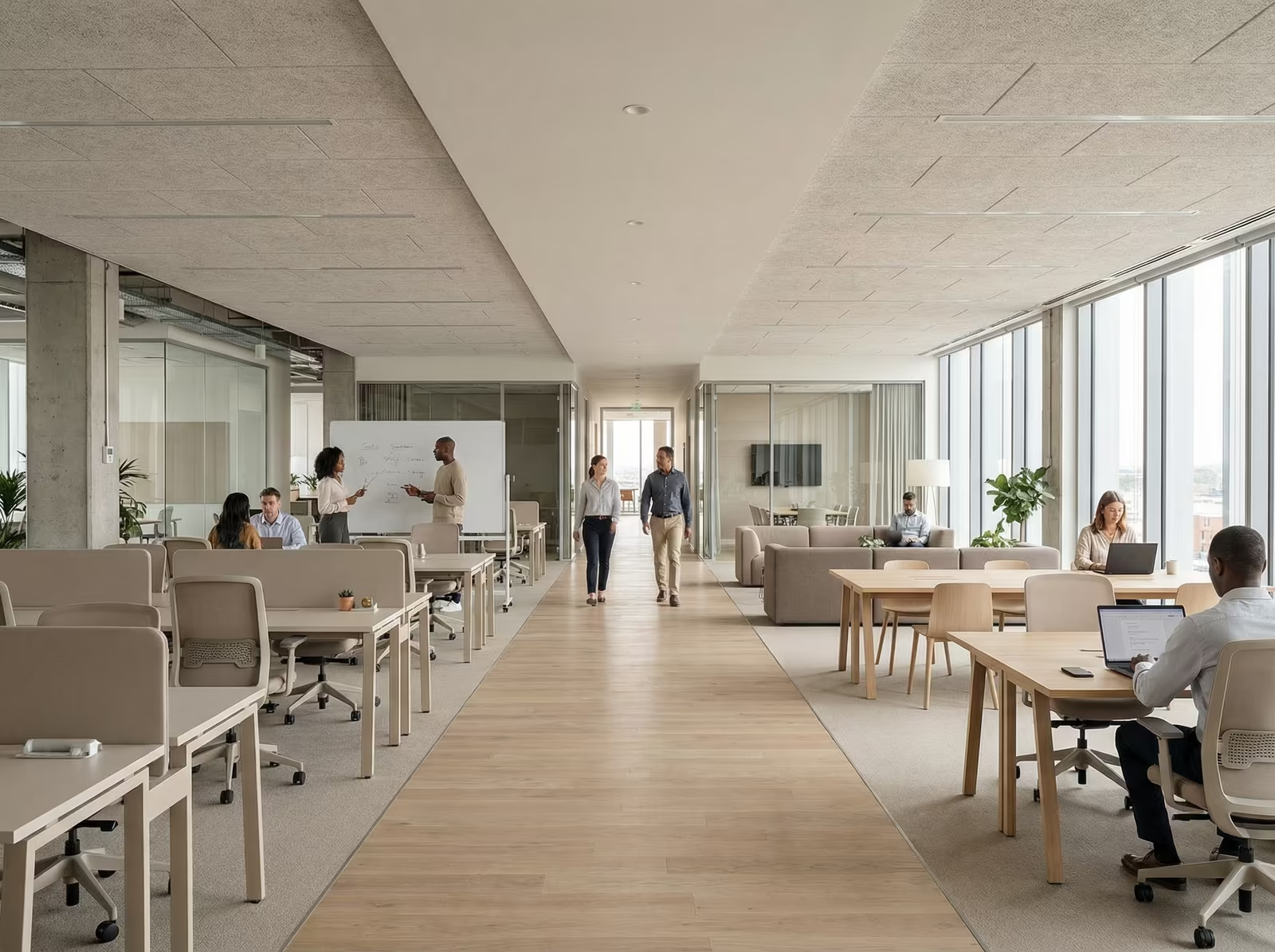
Accessibility. A word that means many things. Most generally, it means giving all kinds of people equal access to space, facilities, opportunities etc. In the context of workplaces or buildings, it speaks to the steps that responsible employers take to make the workplace suitable for all. But it is often overlooked that it also means that companies have access to a wider and more inclusive pool of talent, with which to make their business more successful. In short, accessibility works both ways – making accessibility a universally positive principle that drives progress, rather than simply a progressive ideal.
Accessibility in the workplace has become a defining issue for modern organisations. As working life becomes more flexible, digital, and diverse, employers are increasingly expected to create environments where all those people can work safely, productively, and with dignity. An accessible workplace goes beyond compliance – it removes barriers, supports different needs, and enables employees to contribute fully.
At Persy Booths, we work closely with organisations that care deeply about workplace culture, productivity, and inclusion. That gives us a practical view of how accessibility intersects with cost, function, and real-world constraints. It is easy to overspend on specialist equipment that looks impressive but delivers limited benefit. It is equally risky to underinvest. The goal is balance – choosing well-designed, fit-for-purpose solutions that help all kinds of people thrive at work.
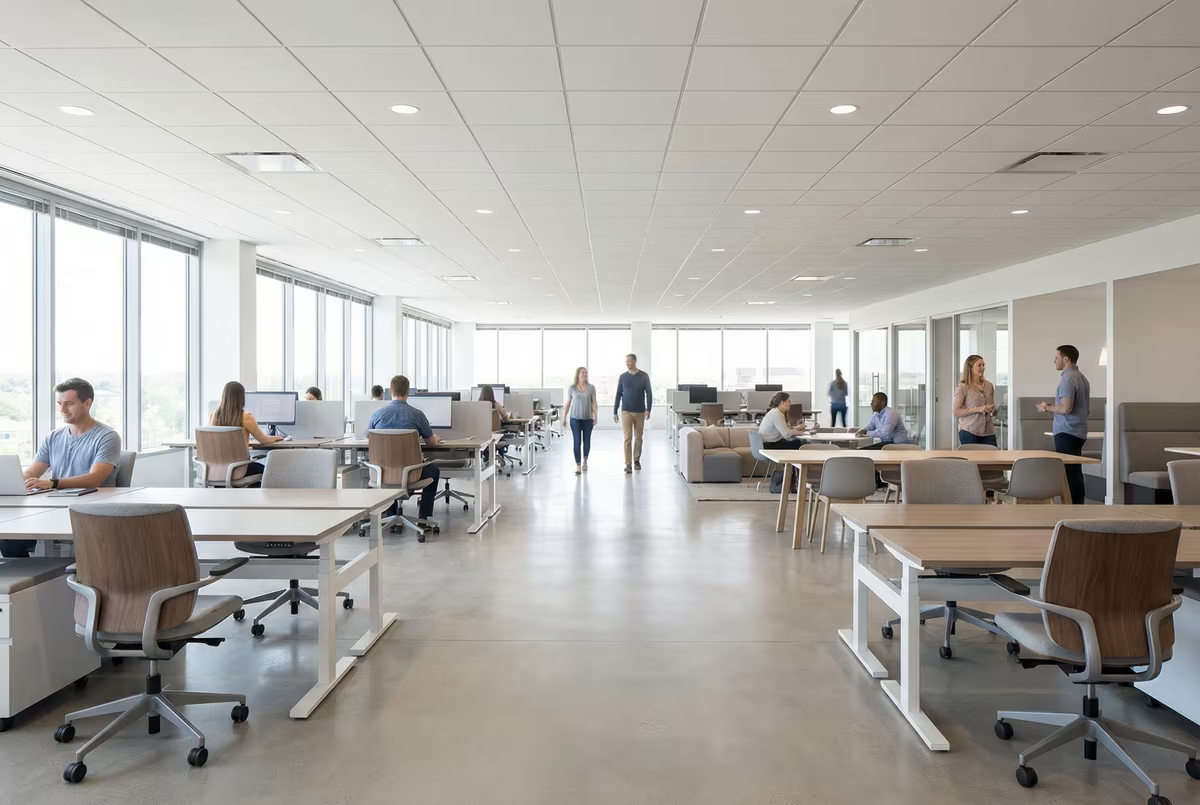
Key takeaways from this article
- Accessibility in the workplace covers physical, digital, and cultural factors – not just disability access
- Many reasonable adjustments are low cost but deliver high productivity and wellbeing benefits
- Physical accessibility includes quiet spaces, adaptable furniture, and accessible common areas
- Digital accessibility ensures systems work with assistive technology such as screen readers
- Inclusive workplace culture depends on attitudinal awareness, not just policies or equipment
What Is Accessibility in the Workplace?
Accessibility in the workplace refers to how well a work environment, its systems, and its practices enable disabled people and others with access needs to perform their jobs effectively. Workplace accessibility includes physical accessibility, digital accessibility, and the social and organisational aspects of work.
An accessible workplace differs from broader diversity or inclusion initiatives because it focuses specifically on removing barriers. While inclusion is about belonging, accessibility is about access – access to spaces, tools, information, and opportunities. Without accessibility, inclusion cannot function in practice.
Accessibility applies to disabled workers, people with mental health conditions, learning difficulties, hearing impairments, and mobility challenges, but also to temporary or situational needs. Someone recovering from injury, working remotely, self employed, or managing fluctuating mental health issues may all require workplace accommodations at different times.
Accessibility also links closely to focus and productivity. For example, unmanaged noise and visual distraction can significantly affect neurodivergent employees or those with sensory sensitivities. Addressing these challenges can improve performance for everyone, not just disabled employees. For more on this, see our guide to office distractions.
Why Accessibility in the Workplace Matters
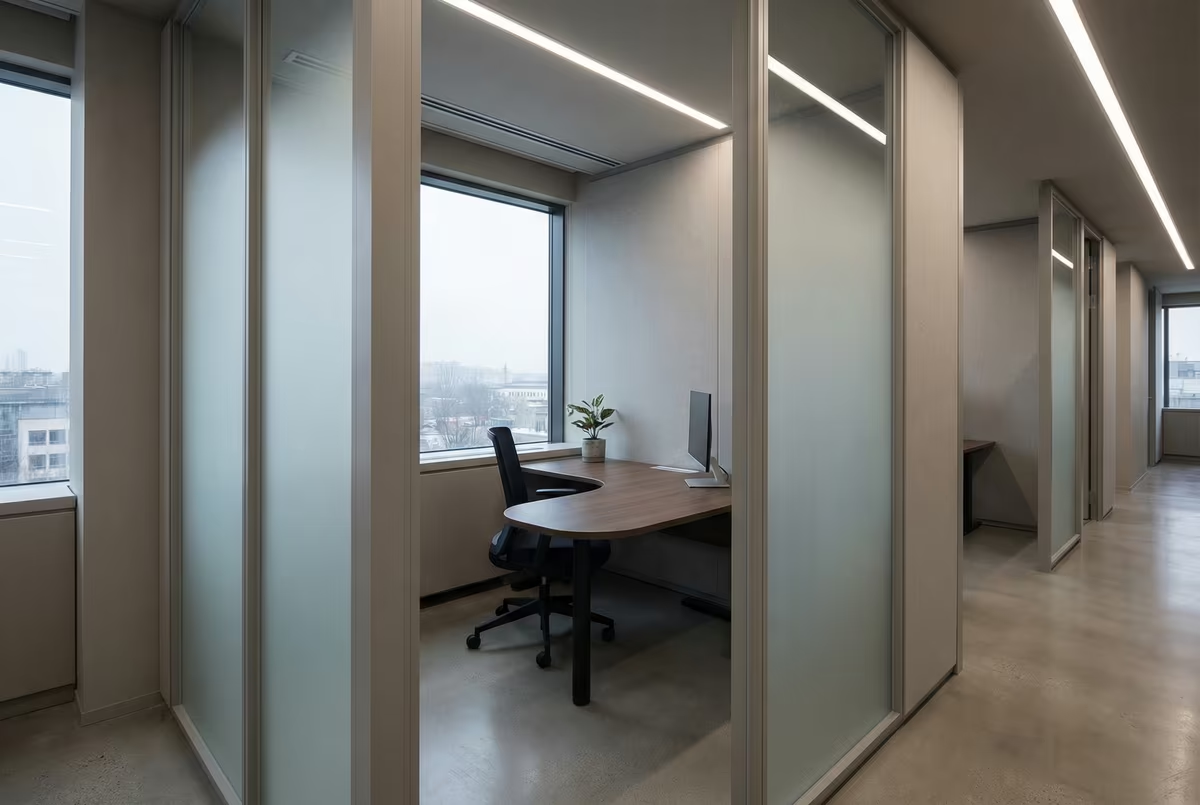
Accessibility in the workplace plays a crucial role in employee wellbeing, organisational performance, and long-term sustainability. When barriers exist, disabled employees are forced to spend energy navigating systems rather than doing their jobs. This affects productivity, morale, and retention.
From a business perspective, an accessible workplace improves outcomes across several areas:
- Employees benefit from practical support, safer working conditions, and better mental health
- Employers gain higher engagement, reduced absenteeism, and broader talent access
- Customers experience better service from supported, focused teams
There are also often clear legal requirements. In the UK, for example, employers are expected to provide reasonable adjustments under the Equality Act 2010. The guidance on accessibility from the UK Government is typical of that provided by other countries, and explains employer responsibilities clearly, including adjustments to working hours, equipment, and systems – all of which must be regularly reviewed as roles change.
Accessibility also has a strong link to workplace culture. When employees feel safe requesting accommodations, organisations benefit from trust and transparency. Conversely, poor accessibility signals a lack of commitment to diversity and awareness.
Noise, interruptions, and lack of private space are common accessibility barriers in open-plan offices. These issues affect disabled workers disproportionately, but they also reduce productivity across teams. Our article on office noise levels explores this in more detail.
Physical Accessibility in the Workplace
Physical accessibility focuses on how people move through, use, and feel within the work environment. This includes entrances, corridors, common areas, desks, and specialist spaces for focus or collaboration.
Physical barriers often affect wheelchair users, people with mobility impairments, or those with chronic pain or fatigue. However, physical accessibility also supports employees with hearing impairments, sensory sensitivities, or mental health conditions.
Examples of physical accessibility measures include:
- Step-free access and clear circulation routes
- Height adjustable desks and adaptable seating
- Quiet, enclosed spaces for focus or private calls
- Clearly marked common areas with appropriate lighting and office acoustics
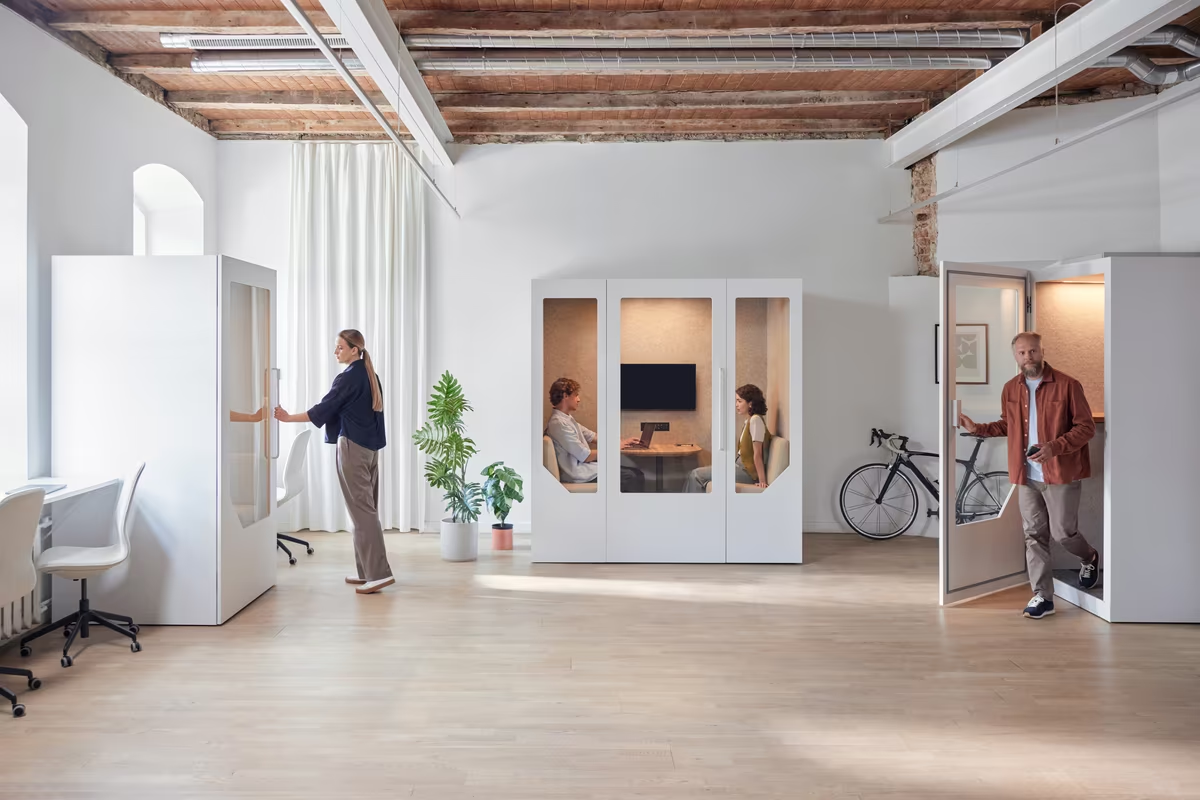
Purpose-built office booths can play a valuable role here when chosen carefully. Different companies may need different types of booth to accommodate the needs of their employees:
For example, a soundproof phone booth such as the Persy One provides a private, low-distraction space for calls or focused work without structural changes to the office.
A two person phone booth allows collaborative conversations without excluding others through noise spill.
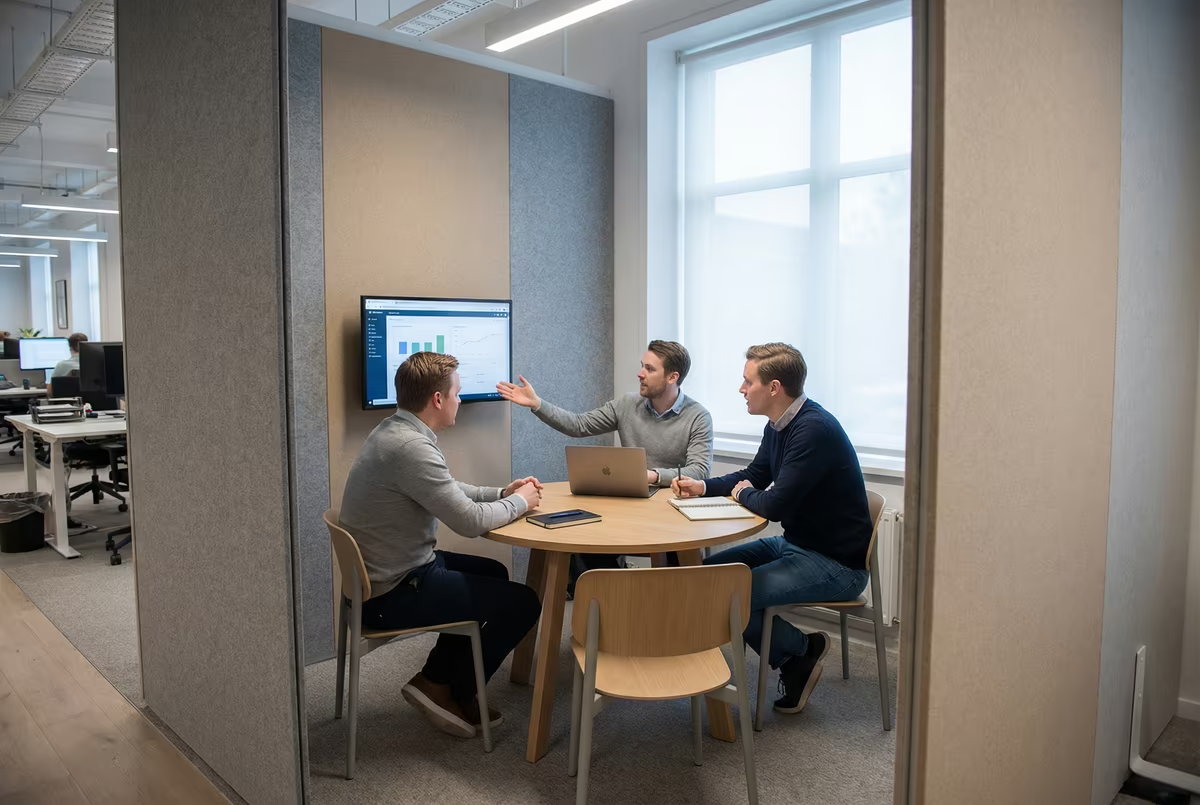
For inclusive teamwork, a team meeting booth like the Persy Four creates an accessible meeting environment for small groups, including hybrid teams.
Individual focus needs can also be met with a single-person, dedicated work booth, offering practical support for concentration and sensory control.
The key is proportionality. Specialist equipment should solve a real accessibility need, not simply add cost. Well-designed booths purchased directly from manufacturers can offer long-term value without excessive spend.
Digital Accessibility in the Workplace
Digital accessibility ensures that workplace systems, tools, and communications are usable by all employees, including those who rely on assistive technology.
Digital barriers commonly affect disabled employees using screen readers, speech recognition software, or alternative input devices. Poorly designed systems can exclude people from everyday tasks such as accessing job postings, completing training, or participating in meetings.
Key areas of digital accessibility include:
- Intranets and HR systems compatible with screen readers
- Documents with clear structure, contrast, and readable fonts
- Captioning and transcripts for video and audio content
- Collaboration tools that support flexible working and working remotely
The Web Content Accessibility Guidelines (WCAG), maintained by the W3C, provide an authoritative framework for digital accessibility. Their current guidance remains the global standard and is actively maintained.
Digital accessibility also links to sensory comfort. Background noise from systems or offices can interfere with hearing aids or concentration. Solutions such as sound zoning or controlled sound masking can help – our article on the white noise machine explains how this works in practice.
Practical Ways to Improve Accessibility in the Workplace
Improving accessibility in the workplace does not require a single large initiative. It works best as a series of practical, ongoing actions that organisations regularly review.
Stay updated on accessibility legislation and standards
Accessibility requirements evolve. Reviewing policies and workplace practices against current legal guidance reduces risk and avoids costly retrofits later. This applies to physical spaces, digital systems, and employment practices.
Bring in accessibility expertise when needed
Specialist audits can identify blind spots that internal teams miss. External consultants help organisations prioritise cost-effective changes rather than over-investing in unnecessary equipment.
Improve digital accessibility across internal systems
Internal tools should be tested with assistive technology and reviewed for usability. This includes onboarding platforms, training materials, and internal communications. Addressing digital barriers improves access for disabled employees and remote workers alike. Practical noise control and focus solutions are covered in our guide to office noise reduction solutions.
Provide assistive technology and reasonable accommodations by default
Normalising support makes it easier for employees to request accommodations without stigma. Examples include screen readers, captioning software, flexible setups, and adapted tools. Many of these adjustments are low cost but deliver high benefit.
Design for visible and non-visible disabilities
Not all disabilities are visible. Mental health issues, ADHD, PTSD, epilepsy, and learning difficulties all affect how people interact with the workplace. Flexible hours, quiet spaces, and clear systems support a wider range of needs and promote an inclusive culture.
Conclusion
Accessibility in the workplace is no longer optional for modern organisations. It is a practical, ethical, and strategic commitment that improves working life for disabled people while benefiting all employees. By removing barriers, providing appropriate support, and fostering awareness, employers create safer, more productive environments.
The most effective approaches balance physical accessibility, digital accessibility, and workplace culture. When accessibility is treated as an active part of organisational design – rather than a compliance task – it delivers lasting value for workers, employers, and customers alike.
FAQ
.avif)
Passionate, progress-driven venture & business developer with startup and corporate experience. I speak business, while keeping customers in my heart.