


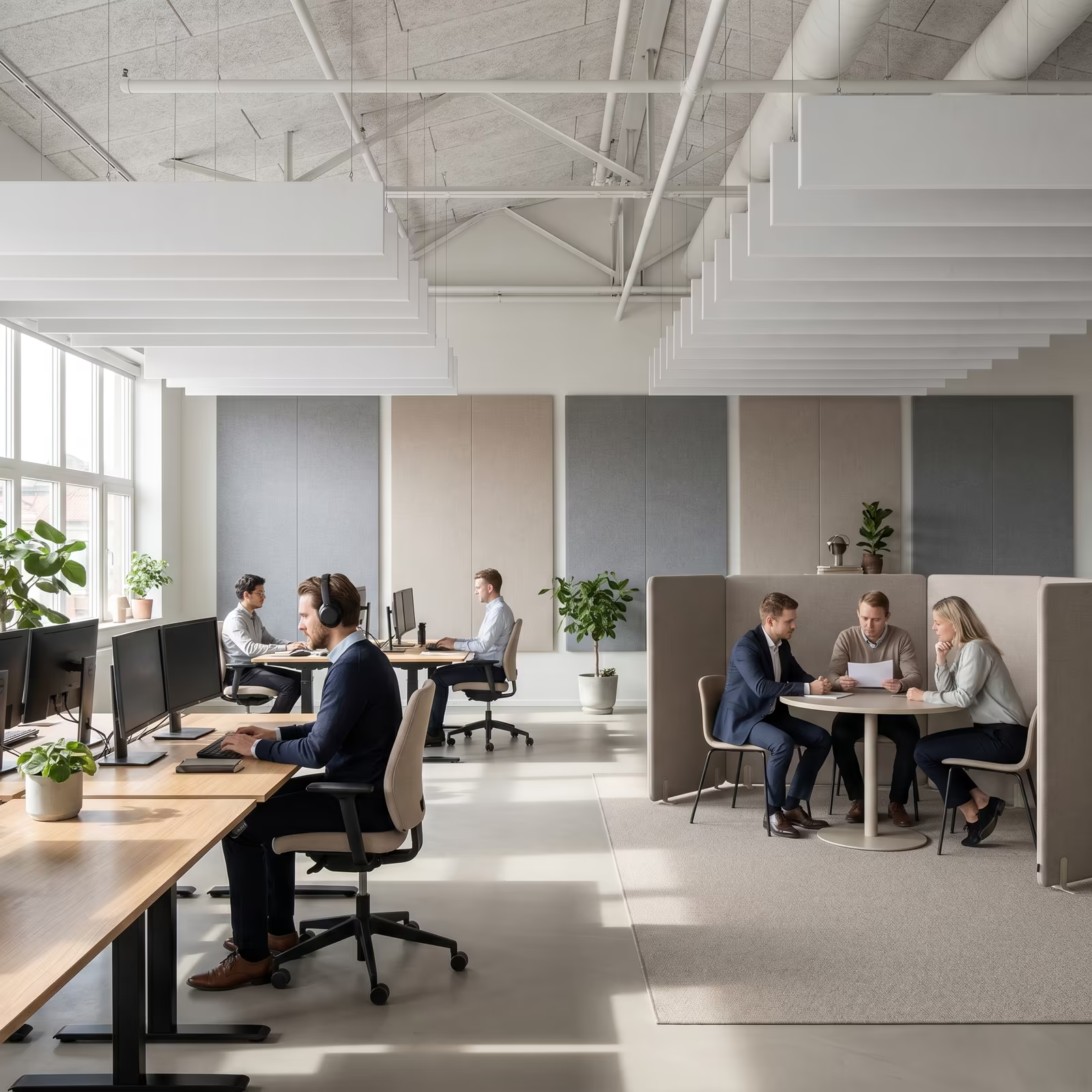
Office soundproofing is essential in today’s office environments where noise, distractions, and constant interruptions can undermine focus and performance. A truly soundproof office does not mean complete silence – it means controlling sound so that unwanted noise is reduced, speech intelligibility is improved, and people can work, listen, and communicate effectively.
Whether you are dealing with open plan offices, busy meeting rooms, or a growing hybrid work environment, this guide walks through a practical, step by step plan to reduce noise, improve acoustics, and create a more productive space.
Making your office "sound proof" may be easier than you think. At Persy Booths, we work closely with organisations tackling these challenges every day – particularly where phone calls, client calls, and privacy are critical. The noise reduction systems you need may be quite different to others, depending on your people and your office space. And remember that you don't need every product and every feature available – just the right solution to create the right soundproofing level for you. We hope the advice in this article helps you achieve that.
Key takeaways from this article
- Office soundproofing requires both blocking sound and improving sound absorption
- Small fixes like sealing gaps and improving door performance can dramatically reduce sound leakage
- Open plan offices need zoning, acoustic panels, and ceiling treatments rather than full isolation
- A structured noise audit helps identify the real sources of unwanted noise
- Office pods provide a fast, flexible way to create noise-free zones and maintain privacy without structural work
Why Office Soundproofing Matters in Modern Workspaces
In modern office space design, aesthetics and flexibility often take priority – but acoustics are often overlooked. The result is background noise, ambient noise, and overlapping conversations that make it difficult to focus or hear clearly.
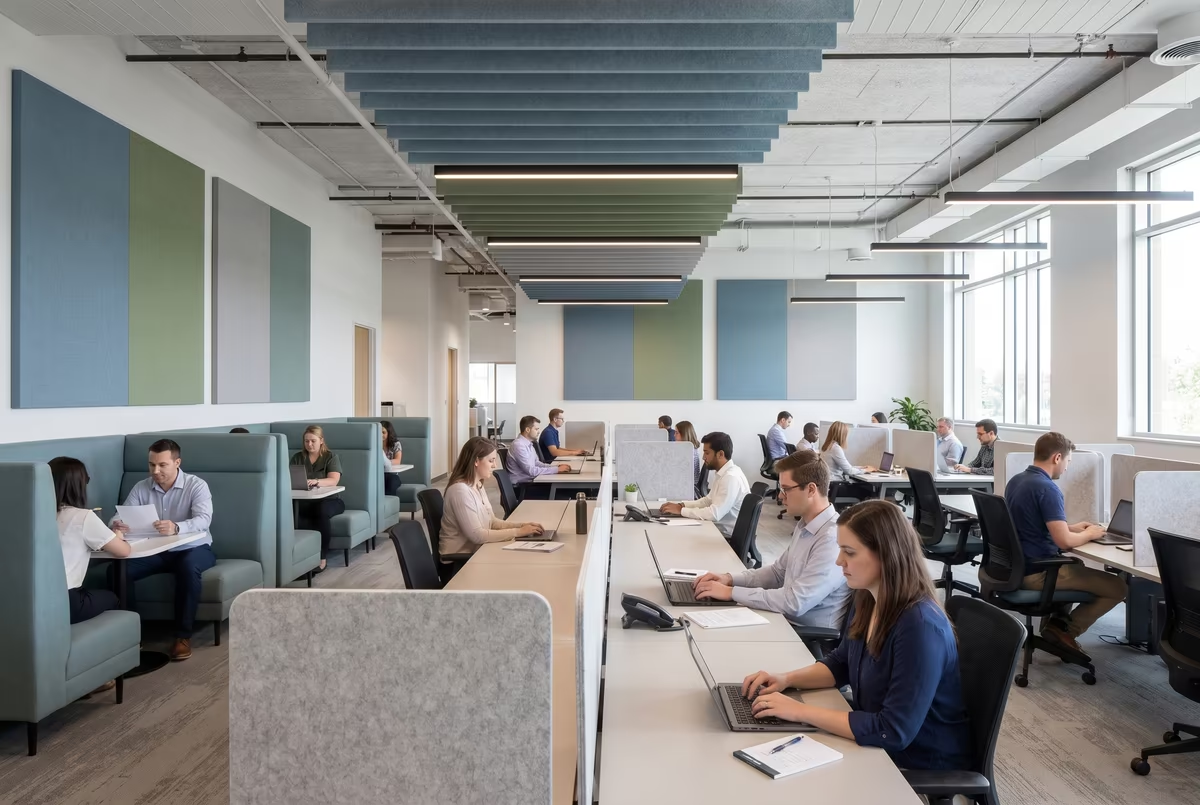
Workplace noise is not just a nuisance – it is a measurable productivity issue. Recent research from Forbes shows that noise acts as a stressor and reduces concentration, making it harder for employees to perform deep work and maintain focus.
Effective office noise reduction delivers several important benefits:
- Better focus and productivity – people can concentrate without constant interruption
- Improved call quality – especially for client calls and remote collaboration
- Greater confidentiality – essential for HR, legal, and leadership conversations
- A calmer work environment – reducing stress caused by unwanted noise
Privacy for Calls, Meetings, and Sensitive Work
Office soundproofing plays a critical role in maintaining privacy. In many offices, phone calls and meetings involve sensitive information – yet sound leakage through existing walls, door frames, or ceilings means conversations can be overheard.
By improving sound isolation and using acoustic solutions that absorb sound, organisations can ensure that voices remain contained within a room.
Productivity and Wellbeing in Open Plan Offices
Open plan offices are designed for collaboration, but they often create a constant mix of voices, movement, and background noise.
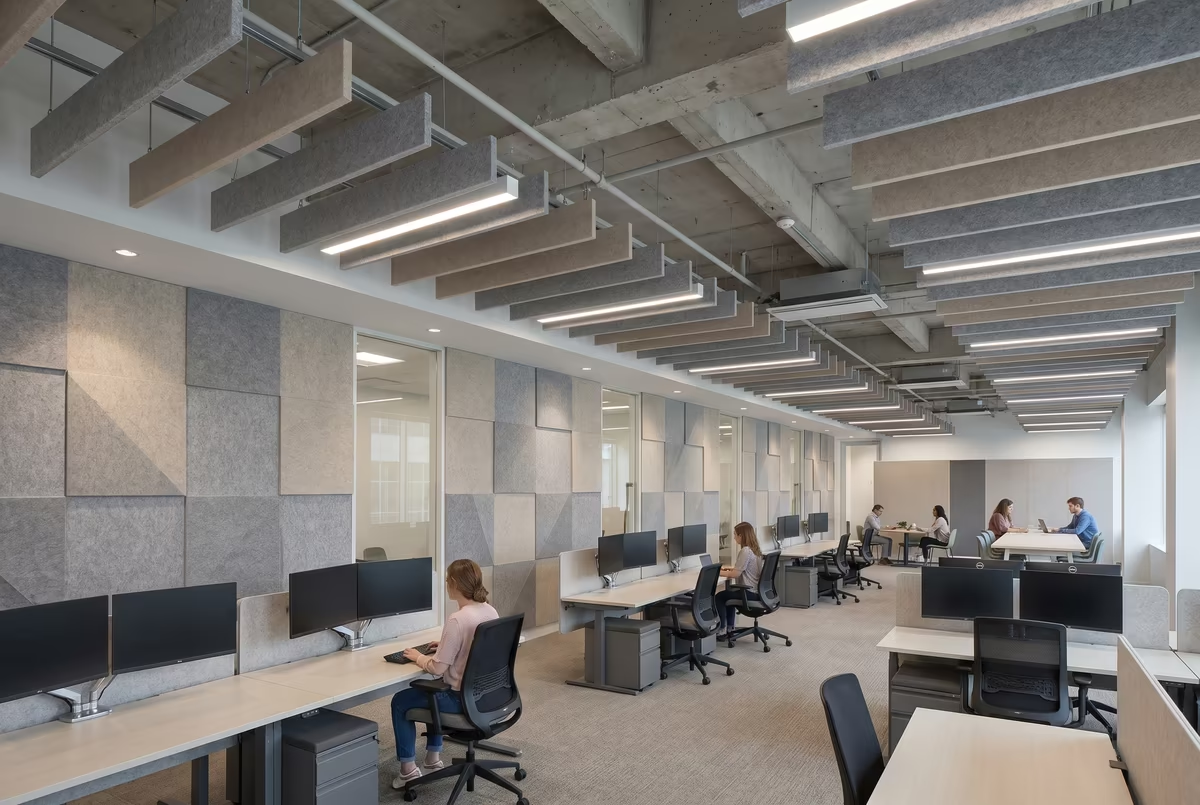
Studies show that acoustic comfort directly affects employee wellbeing, concentration, and job satisfaction, reinforcing the need for effective office soundproofing. Using acoustic panels, ceiling baffles, ceiling clouds, and other soft materials helps dampen noise and reduce reverberation.
Office Soundproofing Basics and Block Sound vs Absorb Sound
Before investing in solutions, it is important to understand the difference between blocking sound and absorbing it. It is worth taking a moment to appreciate the difference between soundproofing vs sound absorbing. Blocking sound prevents sound waves from travelling between spaces, while absorbing sound reduces echo within a room. A successful strategy uses both.
Airborne Noise vs Impact Noise
Airborne noise includes voices and phone calls, while impact noise comes from vibration such as footsteps or moving furniture. Understanding this difference helps determine the right approach.
The Four Building Blocks of a Soundproof Office
- Sealing gaps
- Adding mass
- Decoupling
- Damping
These principles underpin all noise reduction solutions.
Diagnose the Problem: Quick Office Noise Audit
Before purchasing acoustic products, identify where noise originates and how it travels.
Map Noise Sources and Sound Leakage Points
Common issues include:
- Hollow core door construction
- Gaps in door frame and walls
- Ceiling voids
- Hard floors and reflective surfaces
Set a Target: What Success Looks Like
Define measurable outcomes such as improved speech intelligibility or reduced background noise. It may be helpful to see what other businesses consider to be acceptable noise levels in the workplace.
Step by Step Office Soundproofing Plan
Step 1: Seal Gaps and Fix the Obvious Leaks
- Install weather stripping
- Seal cracks
- Tighten door frame gaps
These simple fixes can significantly reduce sound leakage.
Step 2: Upgrade Doors and Glazing for Better Isolation
Replacing a hollow core door with a solid one and improving seals can dramatically block noise.
Step 3: Improve Walls and Partitions
- Add a second layer of drywall
- Use insulation
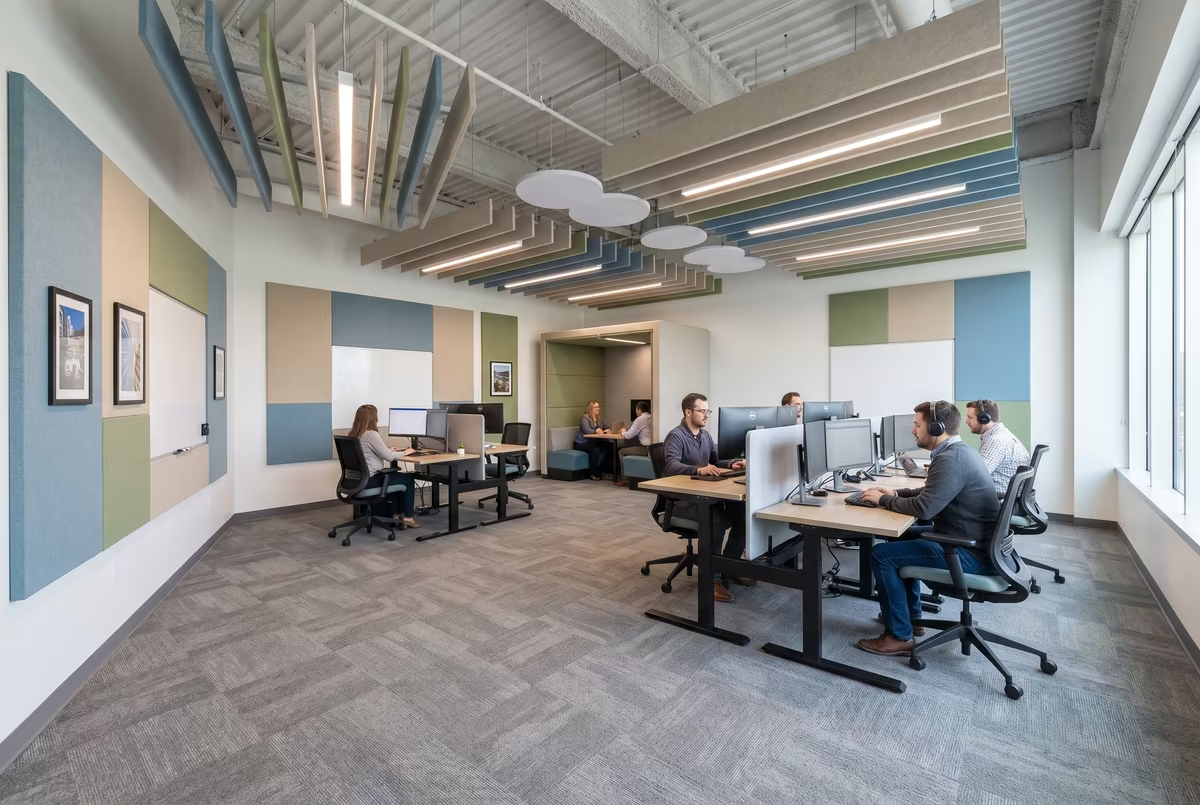
- Install acoustic panels
Step 4: Treat Ceilings and Floors
- Use ceiling baffles and ceiling clouds
- Add soft materials such as carpet
These reduce echo and absorb sound across different frequencies.
Soundproof Office Priorities by Space Type
Meeting Rooms and Boardrooms
Focus on door seals, wall construction, and echo control to maintain privacy.
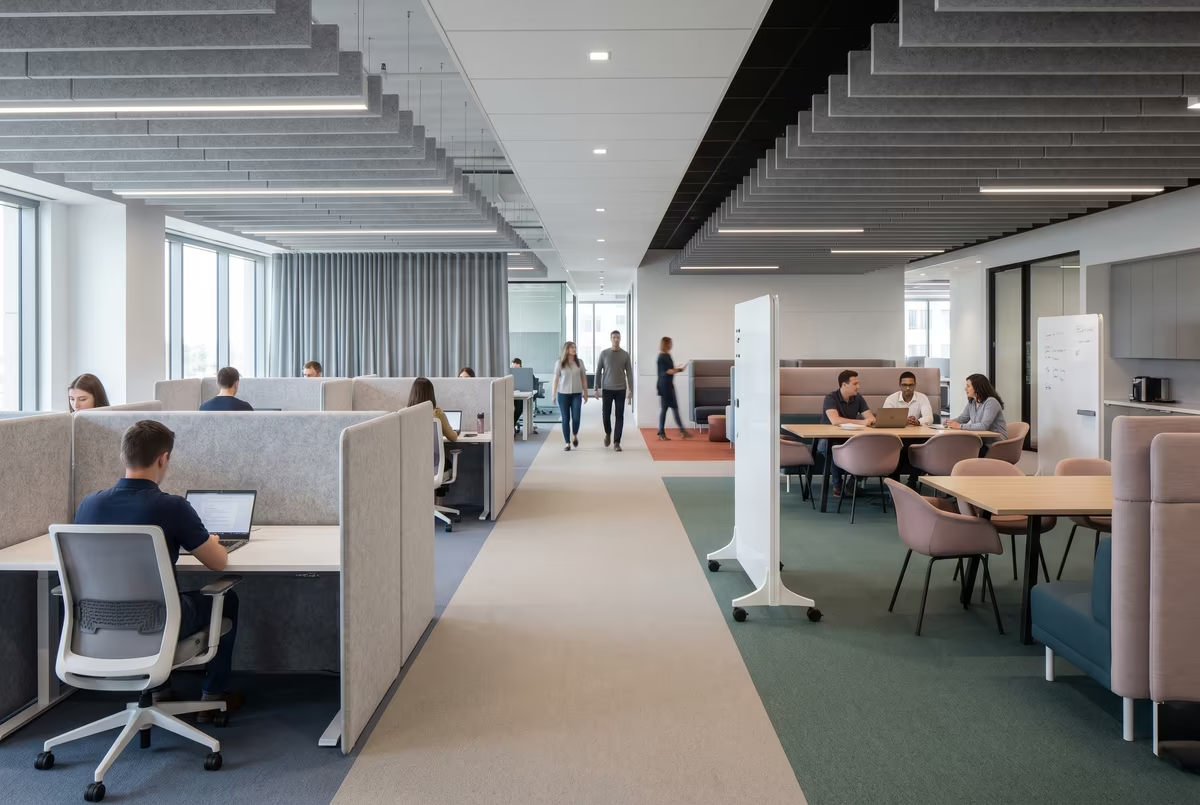
Open Plan Work Areas
Use zoning, acoustic panels, and furniture to reduce noise in open spaces.
Reception, Corridors, and Communal Areas
Prevent noise spill and improve acoustic comfort.
Add Quiet Zones Fast: Office Pods as a Soundproof Office Option
1 Person Pods for Calls and Focus
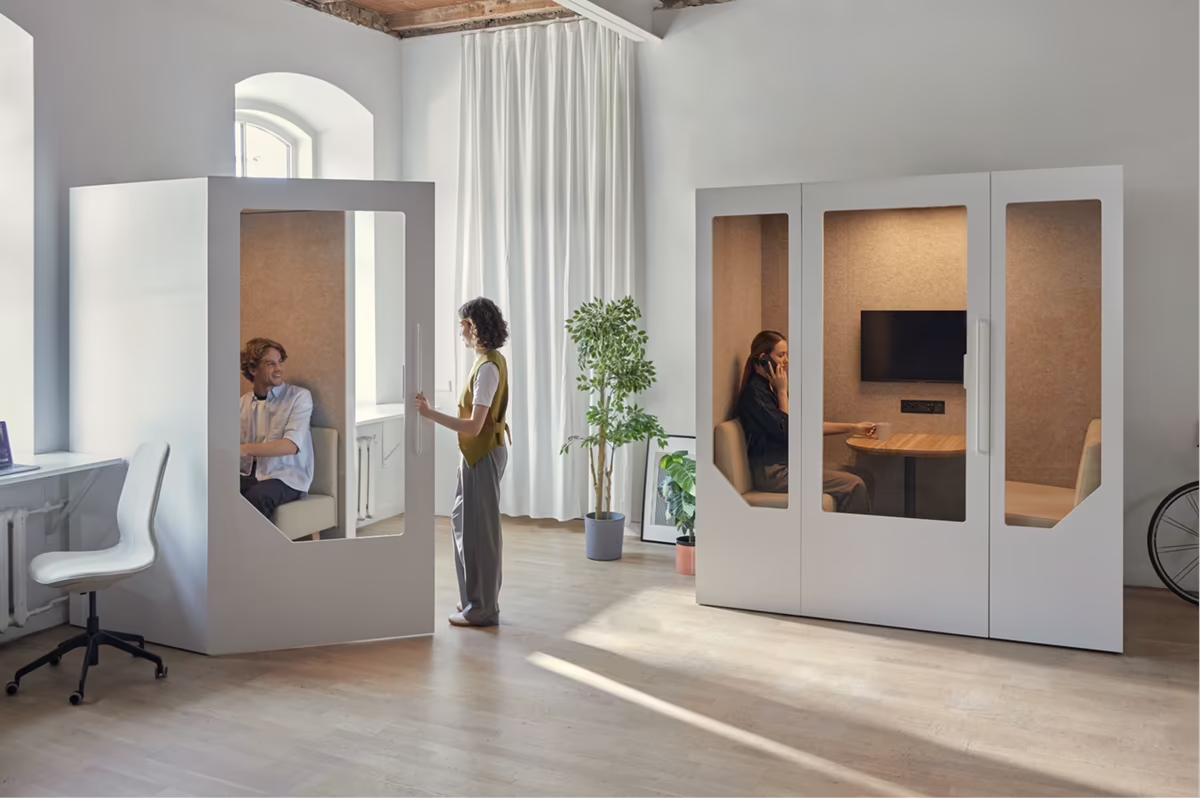
A dedicated soundproof phone booth provides a quiet, enclosed space for phone calls, focused work, and moments where concentration really matters. These pods:
- Reduce ambient noise
- Improve voice clarity
- Provide personal space for focus
Meeting Pods for Small Teams
A flexible team meeting booth allows teams to collaborate privately without structural changes. These pods:
- Improve sound isolation
- Reduce sound leakage
- Provide scalable acoustic solutions
If Full Soundproofing Is Not Possible: Practical Alternatives
Create Quiet Rules and Smarter Zoning
- Separate quiet and noisy areas
- Encourage awareness of noise
Personal Solutions: Headphones and Behavioural Fixes
Headphones can help reduce background noise but do not solve overall acoustic issues. (And bear in mind that people using headphones may end up talking louder!)
Budget, Disruption, and Implementation Checklist
Options include:
- Low-cost fixes
- Mid-range acoustic products
- High-performance structural upgrades
Common Mistakes to Avoid in Office Soundproofing
- Ignoring gaps
- Treating only one surface
- Overlooking ceilings and floors
Conclusion: Building a More Soundproof Office Step by Step
Office soundproofing requires a layered approach combining sealing, absorption, and structural improvements. By starting small and scaling up, organisations can create a quieter, more productive work environment.