%20(1).avif)
Workplace Design and Build: The Complete Guide to Modern, Productive Offices


.webp)
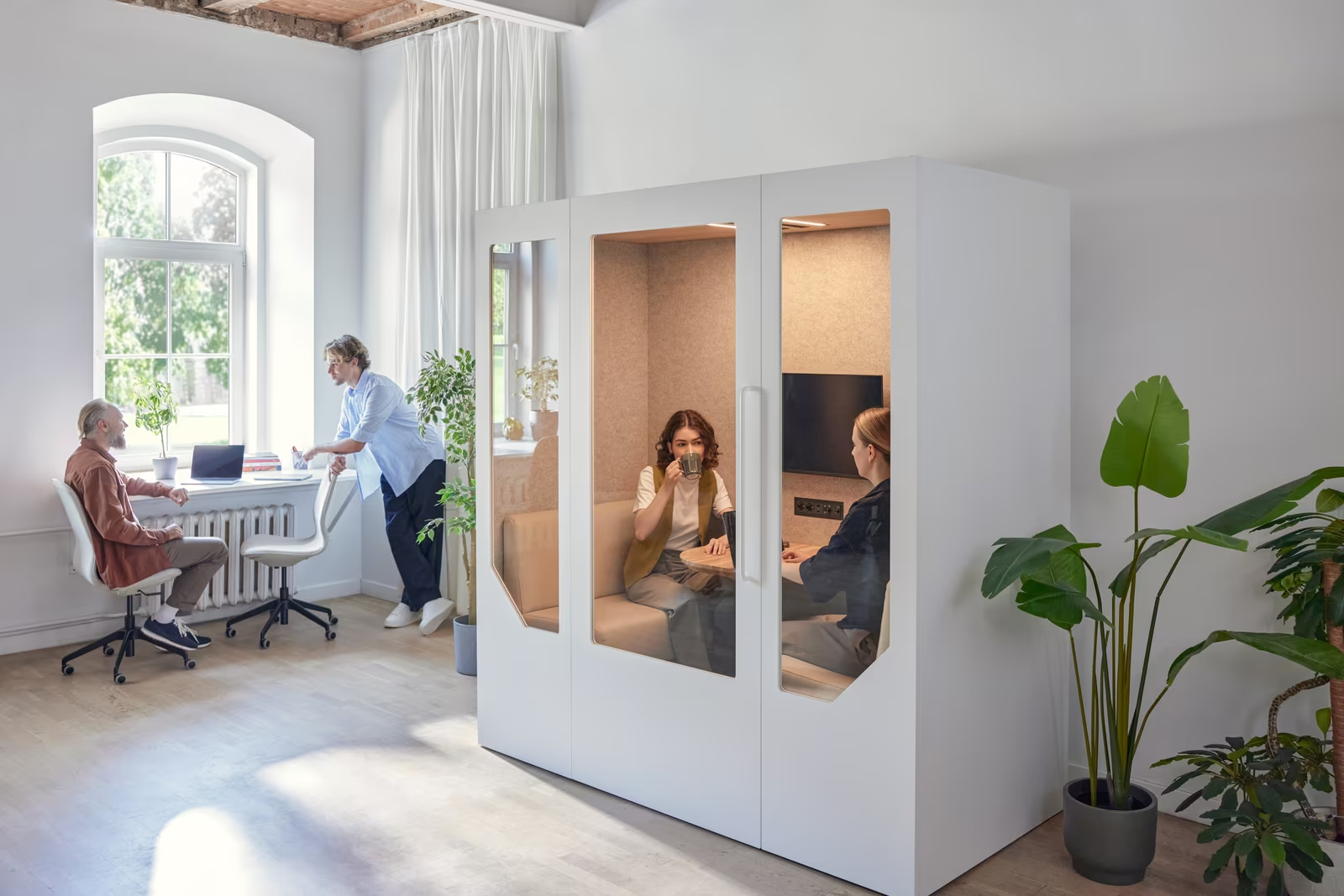
We position workplace design and build, supported by solutions like PersyBooths, as a strategic lever that turns office space into a productive environment aligned with culture, performance, and long-term workplace strategy. Modern workspace design must respond to hybrid work, rising expectations for well-being, and pressure to use less space more intelligently, so every project needs a holistic approach that blends layout, furniture, technology, and healthy buildings into one integrated solution.
What is Workplace Design and Build?
We define workplace design and build as an end-to-end process that covers everything from understanding how your people work through to delivering a finished, fully functioning office environment. In practice, a workplace design and build partner will handle strategy, concept design, detailed drawings, office furniture specification, construction, and move-in, so you deal with one team who aligns your office space with business needs, budget, and timelines.
We treat the office as a tool for performance, not just a cost line, which is why workplace design and build focuses on measurable outcomes such as productivity, space utilisation, employee engagement, and talent attraction. Research shows that well-managed hybrid teams can boost productivity by up to 20%, and almost 40% of organisations are now redesigning workspaces to be more adaptable, modular, and experience-led, supported by studies on hybrid work productivity trends.
Key Principles of Effective Workplace Design
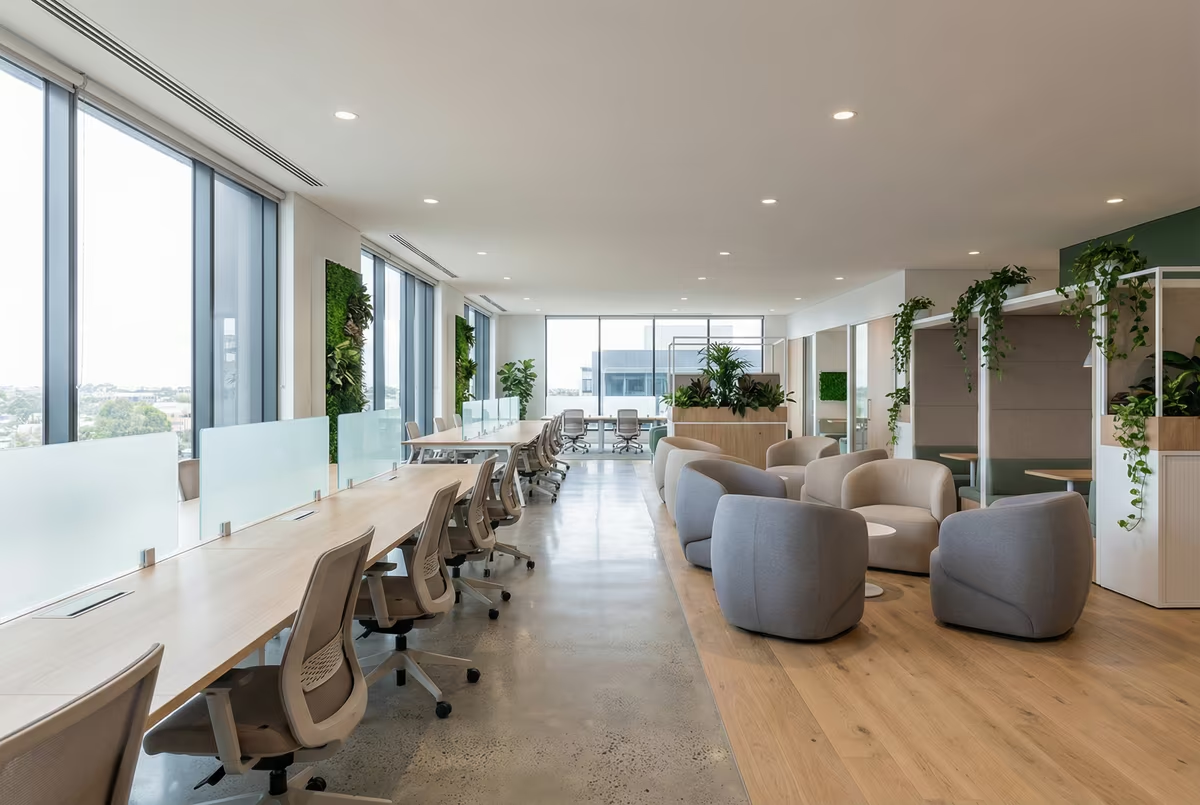
We ground effective workplace design in a few core principles: function first, people at the centre, and a carefully managed balance of openness, privacy, and comfort. When we apply these principles to workplace design and build, the result is a thoughtfully designed workspace that supports different work styles, reflects company culture, and improves well-being through elements like natural light, biophilia, and healthy materials.
We also see that environmental impact and operational efficiency are now central to design decisions rather than add-ons, so a modern office design brief should address sustainability targets, energy use, and long-term flexibility from the early stages of the project. Certifications and frameworks such as WELL, BREEAM, and LEED help teams measure positive impact on both people and planet, especially when combined with data from sensors and smart building systems.
Space Planning and Utilisation
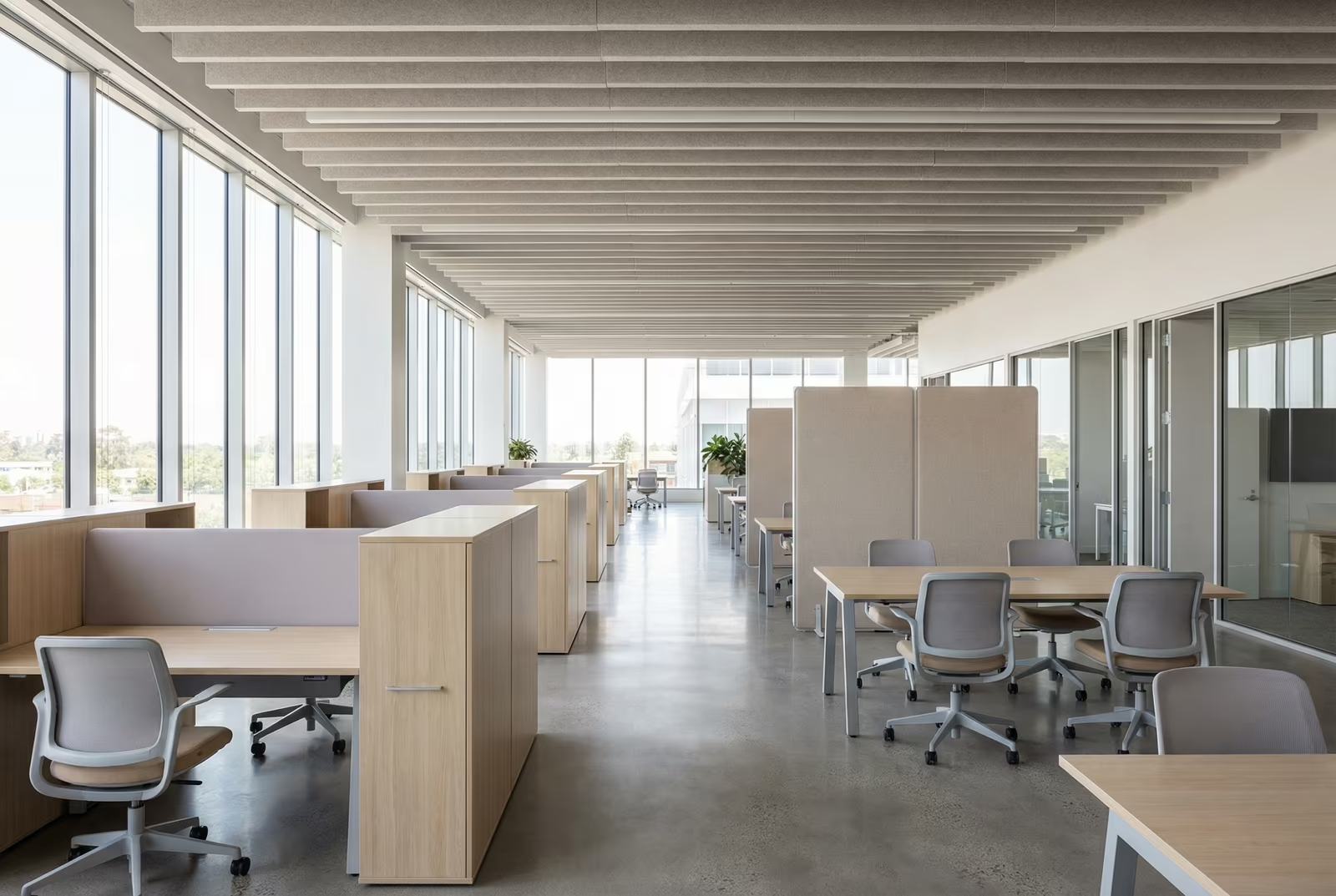
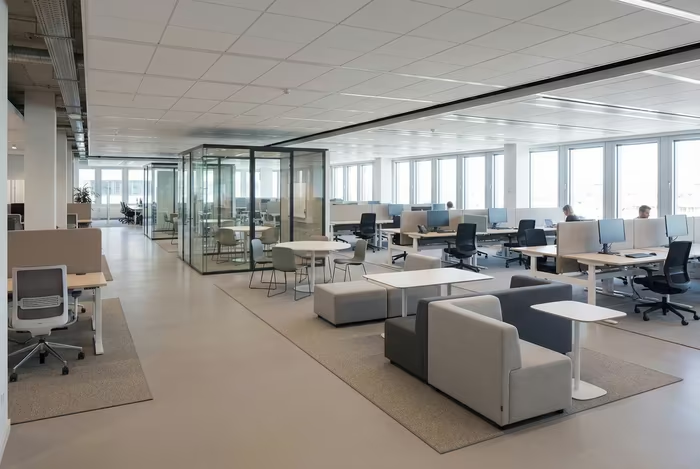
We approach space planning as the backbone of workplace design and build because it determines how well your office environment supports focus, collaboration, learning, and social connection, aligning with research on activity-based workplace satisfaction and productivity. In 2024 and beyond, the most effective workplace design solutions break away from fixed rows of desks and instead create multi-use zones, hot-desking areas, acoustic booths, and flexible meeting spaces that adapt to changing headcounts and work patterns.
We recommend treating every square metre as a resource to be optimised, which means using occupancy data, booking systems, and regular utilisation reviews to refine your workplace design over time. Smart technologies like desk booking tools and occupancy sensors help you understand which spaces are underused so you can reconfigure layouts, add quiet areas, or introduce collaborative workspaces from open plan to open choice, supported by practical solutions for reducing noise in the open office, where they will have the greatest positive impact on productivity.
Ergonomics, Health, and Well-being
We put ergonomics and health at the centre of workspace design because comfortable employees are more engaged, less stressed, and less likely to experience musculoskeletal issues. Surveys highlighted in recent workplace trends research show that around 89% of employees report higher job satisfaction when they have ergonomic office furniture that supports posture and movement, underscoring how important chairs, desks, and monitor positions are in a thoughtfully designed workspace.
We also emphasise air quality and ventilation as key drivers of well-being and performance, as studies show that improving air quality and ventilation rates can increase productivity by up to 8–11% by supporting better cognitive function and reducing sick leave. Natural light, greenery, quiet areas, and acoustic comfort all contribute to healthier buildings, and together they form a holistic approach to workplace design and build that benefits both employees and the wider business.
Collaboration and Communication Zones
We design collaboration and communication zones to support teamwork and informal interaction without overwhelming the rest of the office with noise and visual distractions. Open-plan layouts still dominate, accounting for more than 70% of offices, but research shows that conversations and background noise in these spaces can reduce productivity by up to two-thirds, reflecting findings from open-plan office productivity and health research.
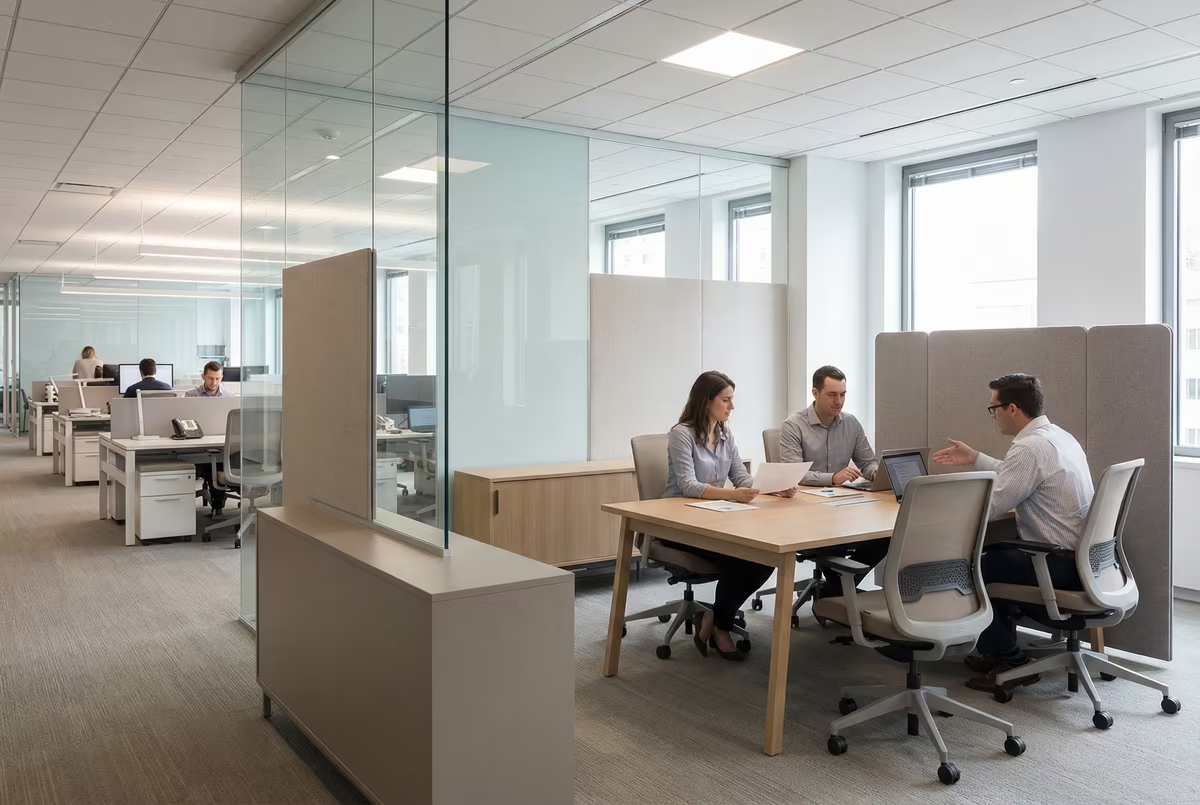
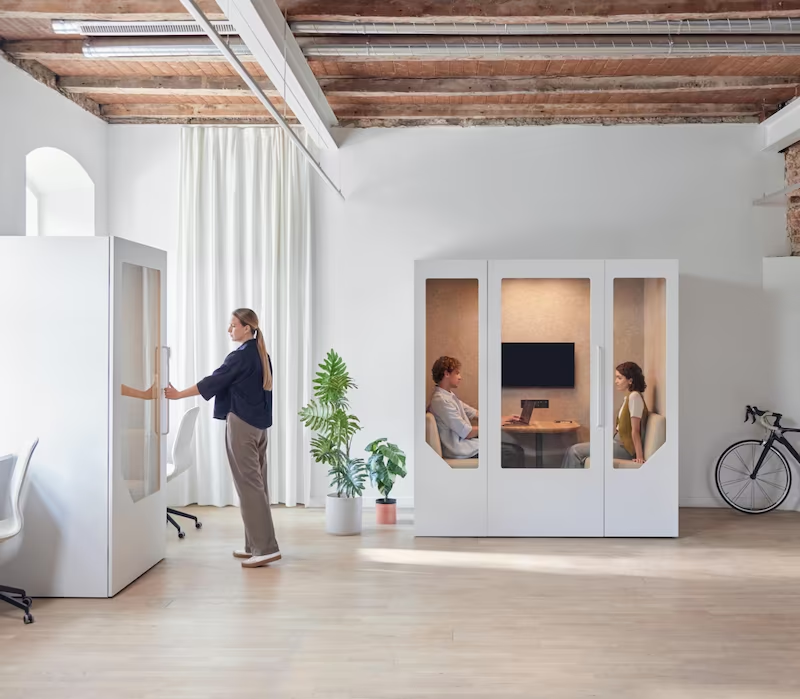
We therefore advocate for layered collaboration spaces that range from open project tables and social hubs to semi-enclosed meeting rooms, huddle rooms, and acoustic booths. Acoustic solutions, zoning, and clear behavioural norms are essential, especially when addressing acceptable noise levels in the workplace, and adding soundproof booths helps you maintain easy communication and creative energy while still letting people retreat to quiet spaces when tasks demand deep focus, confidential calls, or distraction-free video meetings.
The Workplace Design and Build Process: Step-by-Step
We structure the workplace design and build process into clear phases so you can manage risk, budget, and expectations from start to finish. While each project is unique, most workplace design journeys move from needs assessment and briefing through to design development, construction, and change management, with opportunities at each stage to refine the project based on feedback and data.
We find that the most successful office design projects keep stakeholders engaged throughout and treat the workplace as a living system that can be adjusted post-move-in. This mindset supports continuous improvement and ensures that the space remains relevant as technology, headcount, and workstyles evolve over time.
Needs Assessment and Briefing
We start every workplace design and build project with a robust needs assessment that explores how people currently use space, where the pain points lie, and what future business needs will look like. This often includes employee surveys, workshops, utilisation studies, and leadership interviews, giving a 360-degree view of what the new office environment must provide.
We use this insight to create a clear brief covering space types, workplace design priorities, environmental impact targets, budget ranges, timelines, and expectations around technology and healthy buildings. Treating the brief as a living document that is revisited during the design process helps avoid scope creep and keeps every design decision tied back to measurable business outcomes.
Design Development and Visualisation
We develop the design by translating the brief into concept layouts, moodboards, and 3D visualisations that show how different workplace design options will feel in real life. At this stage we define zoning, adjacencies, circulation routes, and office furniture packages, and we integrate brand identity through colours, materials, and graphics so that the office environment tells a coherent story about your culture and values.
We also recommend validating concepts with employees through focus groups, virtual walkthroughs, or pilot spaces, as this feedback helps refine details like quiet zones, collaboration areas, and the placement of acoustic booths. For deeper layout guidance, resources like the article on office space layouts: tips and best practices can support internal stakeholders as they review and comment on proposed floor plans.
Construction and Project Management
We see construction and project management as the delivery engine of workplace design and build, where careful coordination ensures that the final office matches the agreed design, budget, and timeline. A dedicated project management team will typically oversee contractors, suppliers, health and safety, and quality control, keeping you informed through regular progress updates and site inspections.
We encourage building in contingency for lead times, unexpected site conditions, and design refinements, especially when working in existing buildings with complex services. Partnering with suppliers who can install prefabricated elements such as acoustic office booths reduces disruption, shortens programmes, and allows parts of the office to remain operational during the build.
Change Management and Employee Transition
We treat change management as critical to the success of any workplace design and build project because even the best office design will underperform if people do not know how to use it. Employees need clear communication about why the workplace is changing, what the new space offers, and how to book, navigate, and share the office environment, particularly in hybrid models where attendance patterns vary.
We recommend providing tours, training sessions, and “first weeks” support to help people understand focus zones, collaboration areas, phone booths, and etiquette for shared spaces. Sharing stories, visuals, and examples from similar projects, such as client stories like “SumUp beats open space office distractions with PersyBooths”, helps teams see how acoustic booths and other new features will support day-to-day work.
Integrating Modern Solutions: Technology, Acoustics, and Sustainability
We integrate technology, acoustics, and sustainability into workplace design and build to create offices that are intelligent, resilient, and aligned with ESG goals. Smart building systems, desk booking platforms, and occupancy sensors help you monitor how spaces are used, automate lighting and climate control, and adjust layouts or policies to improve the employee experience and reduce costs.
We pair these tools with acoustic treatments and sustainable materials to ensure that the office environment feels calm, healthy, and future-proof. With more organisations seeking WELL, BREEAM, or LEED-style outcomes, integrating greener materials, energy-efficient systems, biophilic elements, and enhanced air quality is now a baseline expectation rather than a niche trend, especially as better indoor air quality can deliver a measurable uplift in productivity and financial performance.
How PersyBooths Improves Modern Workspaces
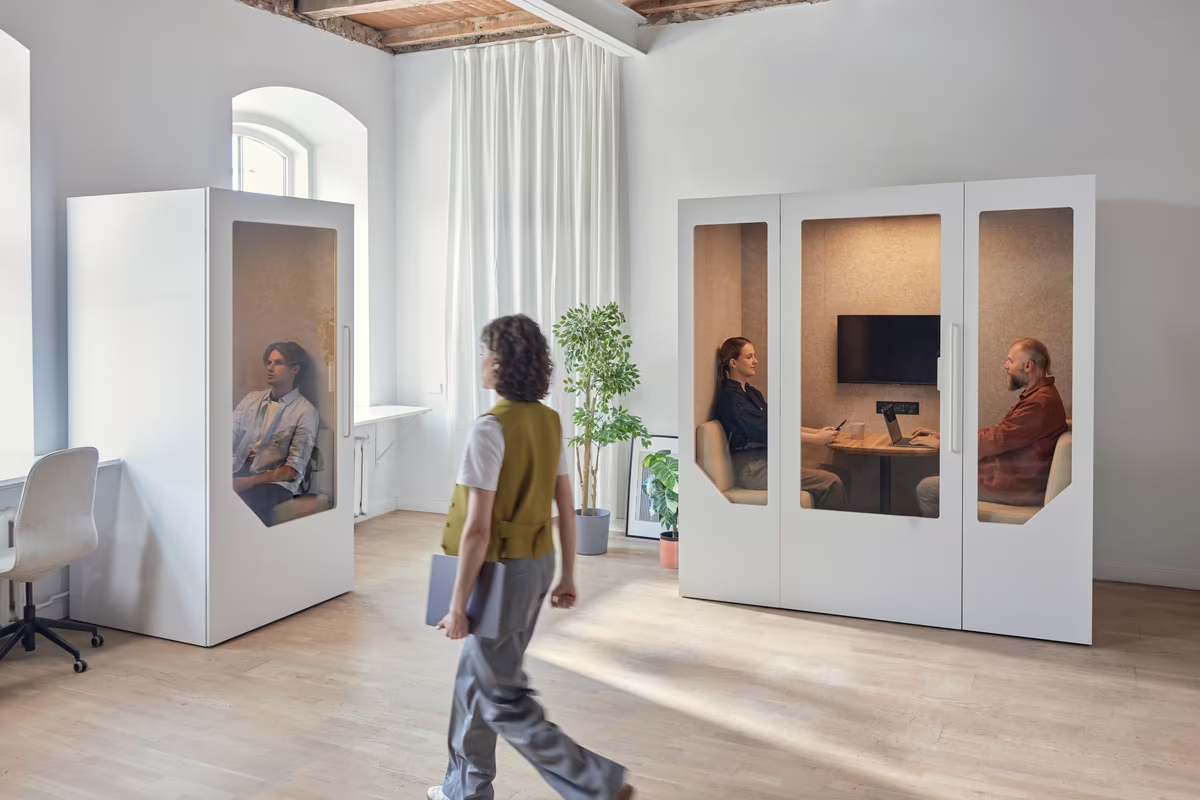
We at PersyBooths focus on solving one of the biggest challenges in modern workplace design and build: noise and lack of acoustic privacy in open and hybrid offices. Studies show that noise in open-plan offices can reduce productivity by up to two-thirds and significantly increase stress, negative mood, and fatigue, which is why we design acoustic booths that give employees private, quiet spaces for deep work, phone calls, and video meetings inside otherwise busy environments.
We create modular, soundproof office booths with integrated ventilation, power, and lighting, aligned with the ultimate checklist of what to look for in a phone booth, so your team can use them as instant meeting rooms, focus pods, or hybrid collaboration spaces without needing major construction.
Typical use cases for PersyBooths in workplace design and build
Budgeting and Cost Considerations in Workplace Design and Build
We see budgeting for workplace design and build as an exercise in balancing upfront cost with long-term value, especially when office space represents a major part of your operating expenses. Since personnel costs typically account for around 90% of business operating costs, even small improvements in productivity and well-being, such as those delivered by better air quality and ergonomic offices, can offer a significant return on investment.
We encourage splitting your budget across core categories such as design and project management, construction and services, office furniture and technology, acoustic solutions, and change management. Investing in durable, modular elements like acoustic booths and flexible furniture helps protect against future change, while using smart tools to track utilisation and environmental performance lets you optimise running costs over time and demonstrate ROI to leadership.
Illustrative workplace design and build budget breakdown
FAQ
What is the difference between office design and office fit-out?
How long does a workplace design and build project typically take?
How do I choose the right office design and build partner?
What are the benefits of acoustic office booths like PersyBooths?
How can workplace design improve employee productivity and well-being?
What should I consider for sustainability in office design?
Compare Our Private Workspaces
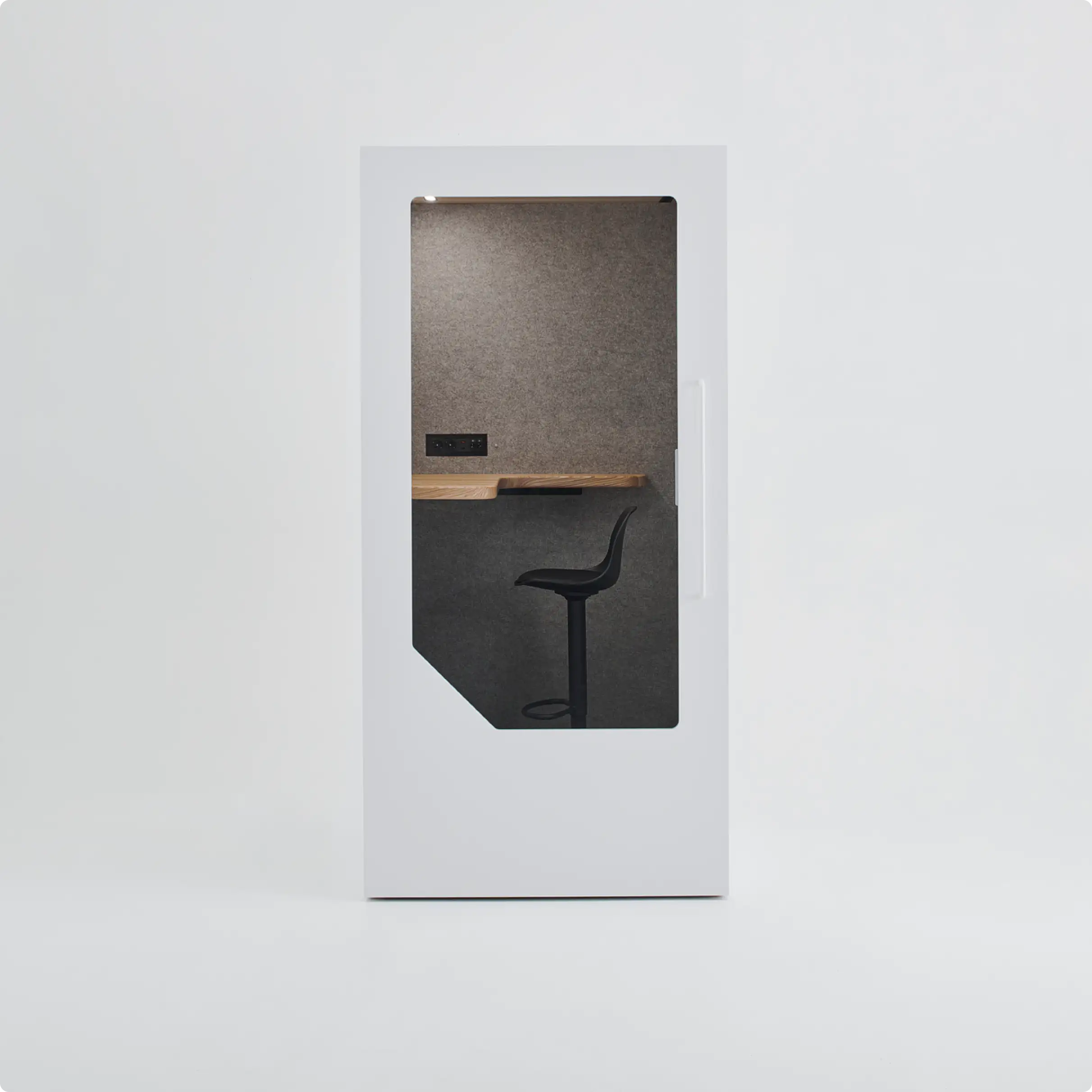
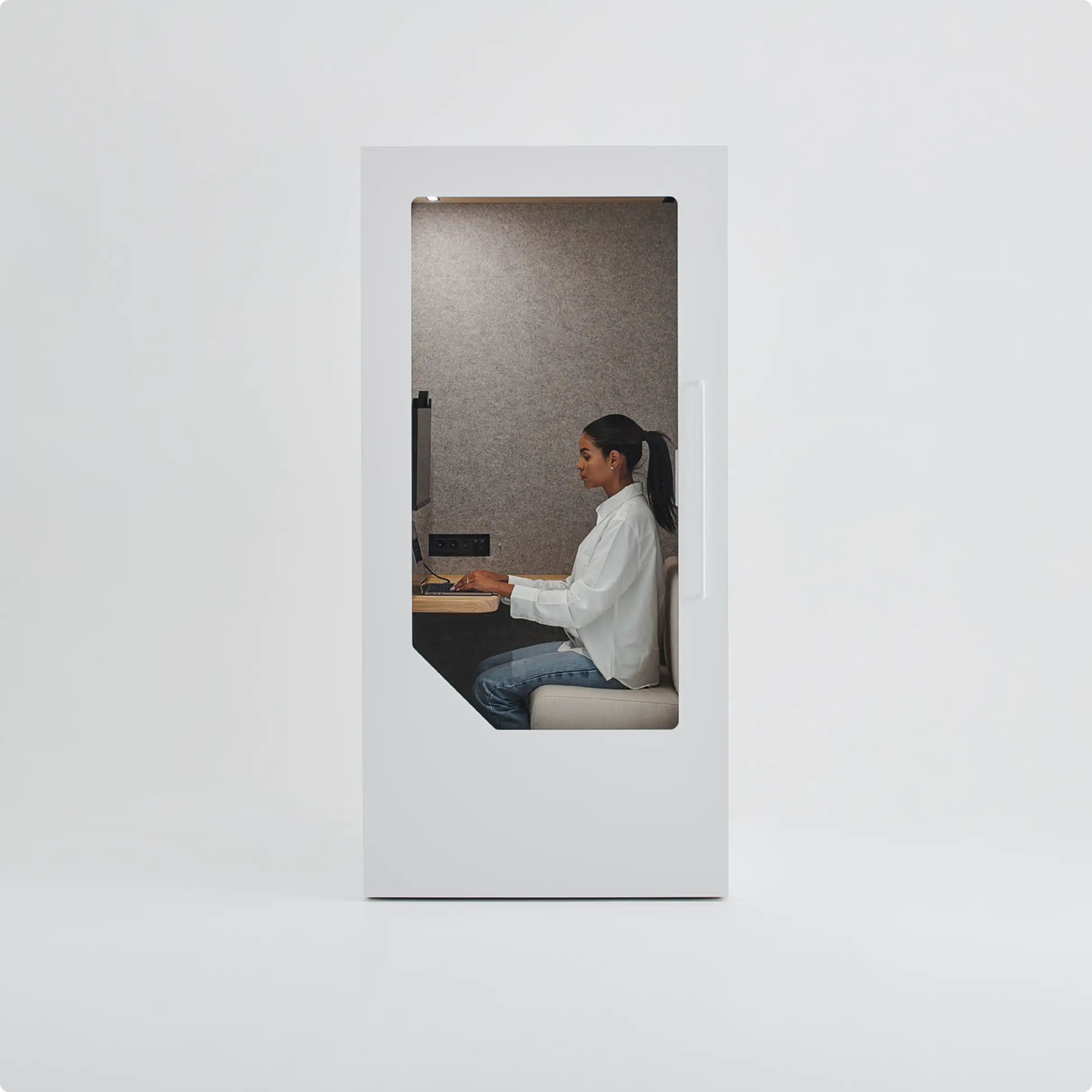

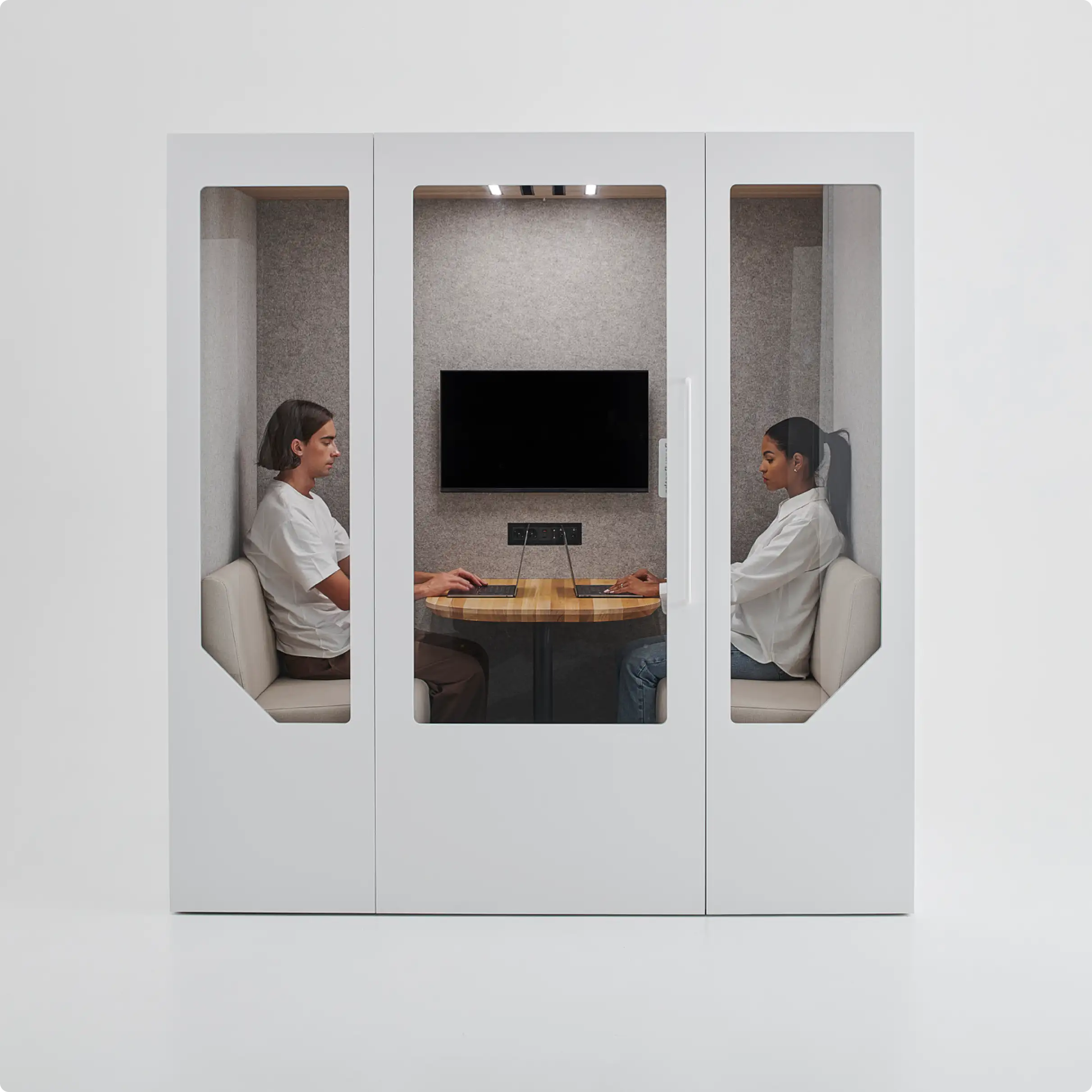
Persy Four
- Exterior
215 cm x 133 cm x 225 cm
- Interior
200 cm x 122 cm x 205 cm
- Soundproofing
-25.6dB according to ISO 23351:1:2020, all the way up to -38.3dB
- Ventilation
Adjustable 8 ultra-quiet fans, max airflow of 810m3/h, air refreshed inside every 31 seconds
Persy Four
- Exterior
215 cm x 133 cm x 225 cm
- Interior
200 cm x 122 cm x 205 cm
- Soundproofing
-25.6dB according to ISO 23351:1:2020, all the way up to -38.3dB
- Ventilation
Adjustable 8 ultra-quiet fans, max airflow of 810m3/h, air refreshed inside every 31 seconds
Learn More About Office Design Concepts
A guide to modern, flexible, and human-centered office spaces.

Why Our Private Workspaces Are the Smarter Choice
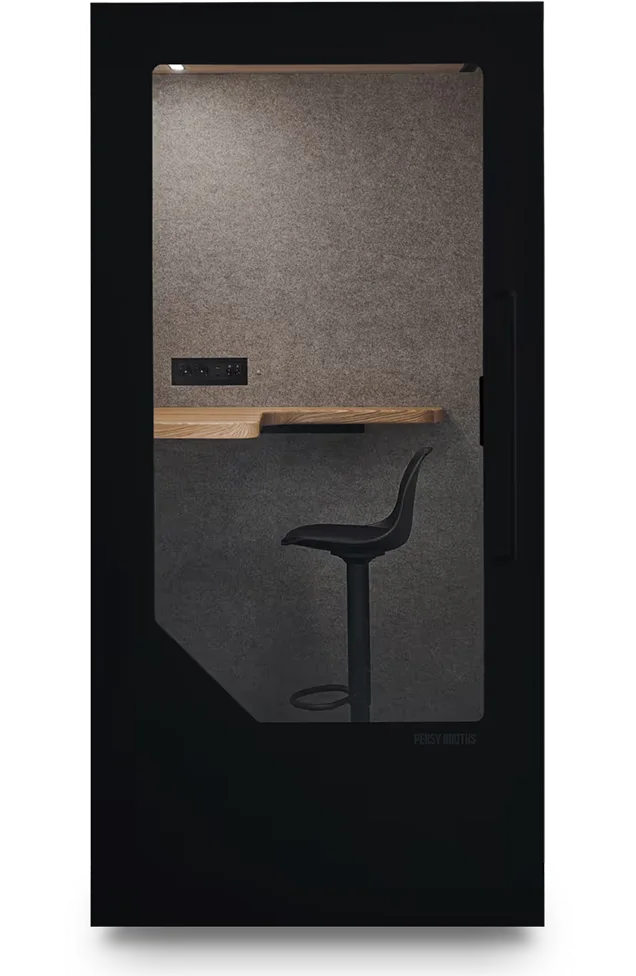
Watch how Persy Booths deliver privacy and focus – reducing distractions, improving airflow, and blending seamlessly into any office.
- Sold directlyCompetitive pricing, no middleman costs.
- Money-back guarantee30 days risk-free purchase.
- ISO certifiedTested soundproofing up to 28 dB.
- Fast deliveryShips in weeks, installs within hours.
- Trusted by thousandsThousands sold, near-zero returns.
- 3-year warrantyLong-lasting quality, guaranteed.
Design a workplace that actually works