%20(1).avif)
Open Plan Office Guide: Proven Ways to Boost Team Success


.webp)
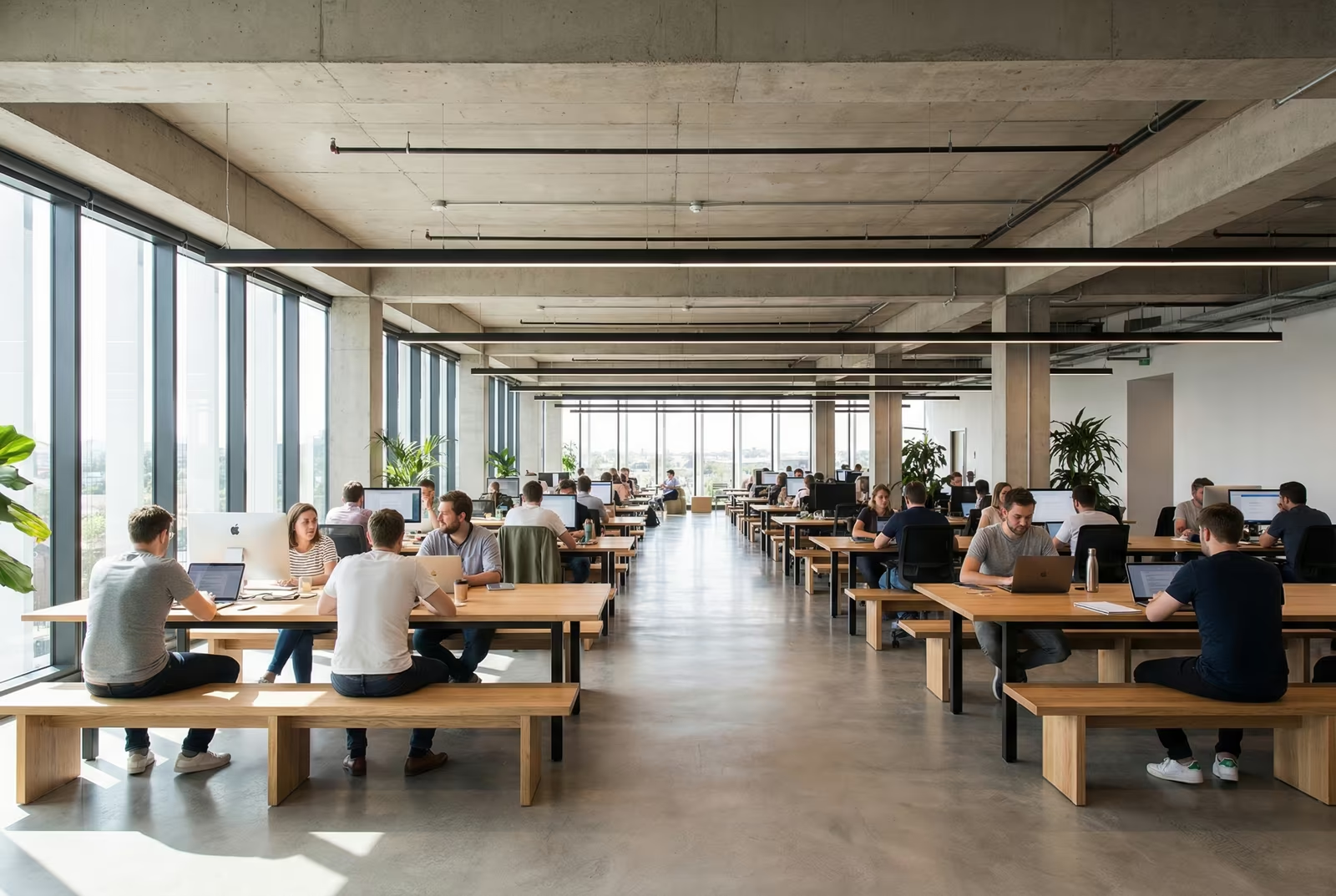
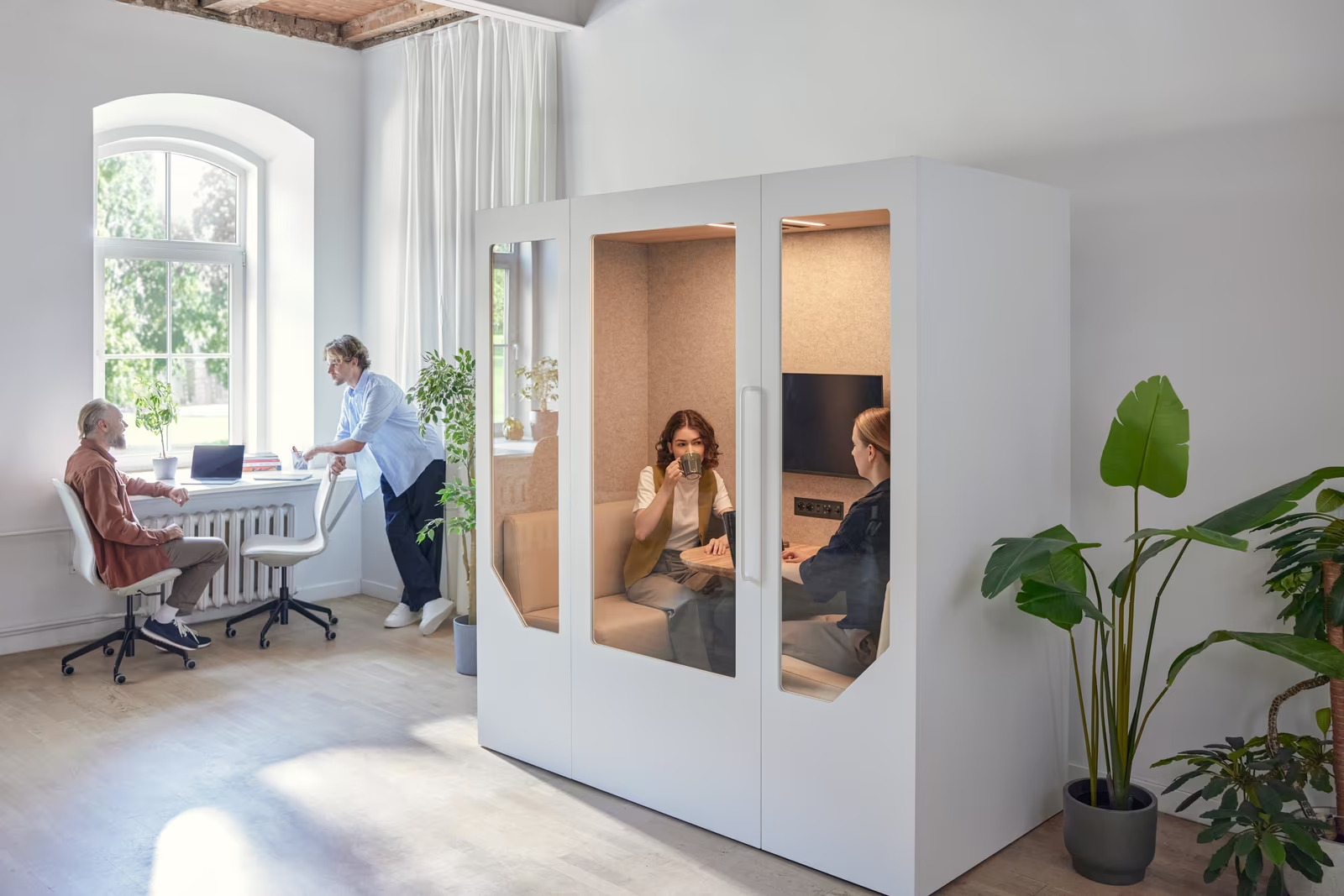
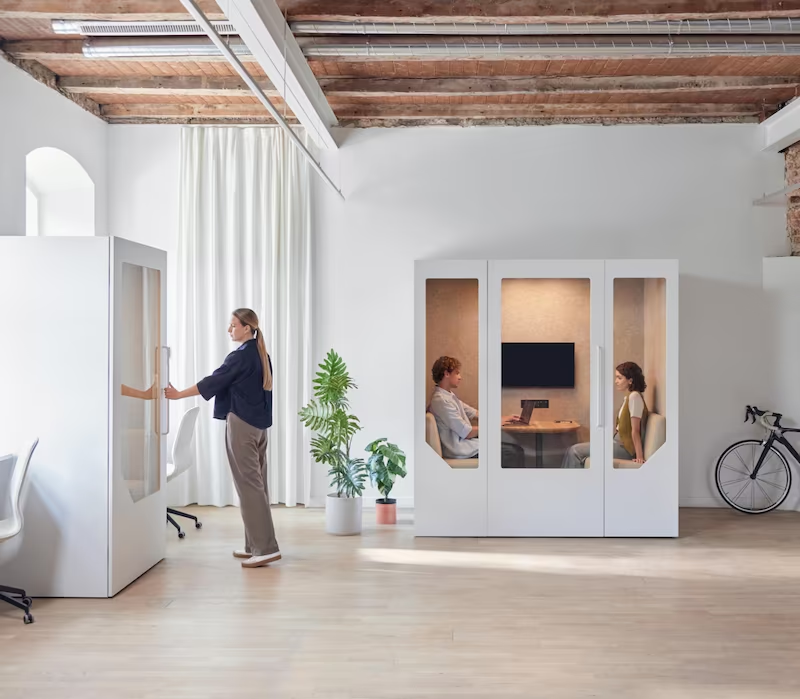
Open plan offices strip away walls, cubicles, and private rooms, creating shared workspaces where teams work side by side. Office space in these layouts is optimized for collaboration and flexibility. No barriers. No boundaries. Just open floor plans designed to get people talking, collaborating, and building stronger workplace relationships. Companies like Persy Booths offer thoughtfully designed solutions that provide quiet, private spaces within these environments, helping employees focus without losing the benefits of an open office.
The idea isn't new. Frank Lloyd Wright designed the first modern open office in 1906 with his Larkin Administration Building, focusing on efficiency and better communication. Today, this approach has taken hold across Europe — 49% of UK employees now work in open office spaces.
What makes an open plan office? The essentials are straightforward:
- No walls or dividers separating individual workstations
- Shared work surfaces with integrated technology and accessories
- Flexible furniture that adapts quickly as team needs change
- Dedicated collaboration workspaces for brainstorming and group projects
- Common areas including kitchens, lounges, and break spaces
The goal behind this design? Foster collaboration, spark creativity, and build stronger team connections. Remove physical barriers and people communicate more freely. At least, that's the theory.
Key takeaways:
- Open plan offices remove physical barriers to encourage communication and collaboration but require thoughtful design to avoid common pitfalls like noise and distractions, particularly when private offices are not available.
- Cost efficiency and flexibility are major advantages of open plans, allowing better space utilization and easy reconfiguration as teams grow or change.
- Natural light plays a critical role in employee well-being and productivity, contributing to healthier, more alert teams.
- The biggest challenges in open offices are noise, lack of privacy, and frequent interruptions, which can reduce productivity by up to 15%.
The Advantages of Open Plan Office
Critics love to question open offices, but the numbers tell a different story. When designed thoughtfully, these layouts—characterized by large, open areas with minimal walls or partitions—deliver measurable benefits that go far beyond aesthetics. Choosing the right office layout is important for employee productivity and wellness, making it a key consideration for any organization. Over time, innovative ideas in architectural and interior design have continually shaped and improved open plan office concepts.
The history of open plan office design dates back to the early 20th century, evolving over the decades and gaining popularity as a significant workplace trend. An open office is a type of workplace layout with large, open areas and a limited number of walls, cubicles, doors or other physical partitions.
Cost-Effectiveness
The economics are straightforward and compelling. Open workspaces use space more efficiently than traditional layouts — typically delivering 3:1 to 5:1 space utilization advantages. That efficiency translates directly into real estate savings, especially valuable in premium locations where every square foot counts.
Open-plan office designs also reduce short-term building costs compared to cubicles or private offices.
Construction costs drop significantly too. Fewer walls, doors, and structural elements mean lower initial build-out expenses and reduced ongoing maintenance. For growing businesses watching every penny, these savings add up quickly. Features like office pods can be a valuable addition to open offices, enhancing privacy and productivity while maintaining cost-effectiveness.
Flexibility and Adaptability
Here’s where open plans really shine: adaptability. Need to reorganize for a new project? Done in hours, not weeks. Team expanding rapidly? Reconfigure workstations without calling contractors. Open office plans may have permanently assigned spaces at a table, or they may be used as flex spaces or hot desking programs.
Open plan offices can easily accommodate organizational growth and evolving needs, allowing businesses to scale up or down without major disruptions. Workstations can be grouped by department or team to facilitate collaboration and efficient spatial arrangement. Companies can respond to changing needs without expensive renovations. Growing businesses particularly benefit from this flexibility — no need to plan office moves every time the team size shifts. Modern modular furniture makes custom arrangements even simpler, adapting spaces for specific tasks.
Natural Light, Well-being, and Work Environment
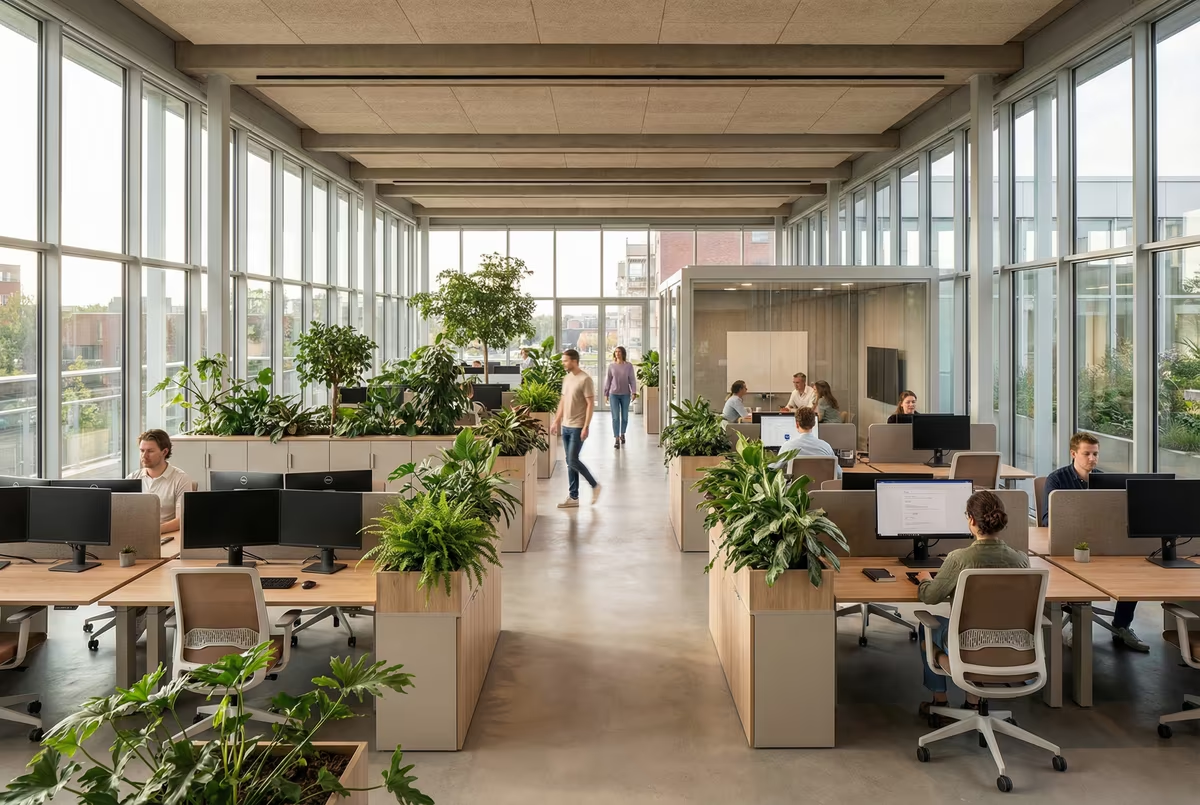
Open designs maximize natural light throughout the workspace, and that matters more than you might think. Offices with abundant daylight command a 5-6% value premium over dimly lit spaces. But the real value goes beyond rent prices.
Natural light exposure increases serotonin levels, boosting mood and alertness during work hours. It also helps regulate circadian rhythms, promoting better sleep quality. Integrating biophilic elements like indoor plants can further reduce stress and improve air quality. This connection between daylight and employee wellbeing has become fundamental to sustainable building design, recognized by LEED, BREEAM, and WELL Building standards.
Smart employers understand: better light means better performance. Well-designed open offices can also enhance employees' enjoyment of their work environment.
Common Challenges of Open Plan Workspaces

Open plan offices promise collaboration, but they deliver something else entirely: noise, distractions, and productivity problems that frustrate teams daily. Open plan offices can lead to a dramatic reduction in face-to-face interactions, as employees turn to digital communication. The close proximity of workers in these environments can also elevate the risk of employees needing to take time off for sickness. Employees in open-plan offices are more likely to experience stress and conflict due to the lack of personal space, and these layouts have been found to reduce job satisfaction and concentration.
Noise tops the complaint list. 76% of employees cite it as their primary concern when working in open environments. Here’s why: our brains can’t ignore conversations happening nearby. Unlike background music or traffic sounds, spoken language demands our attention whether we want it or not. Worse yet, chronic noise exposure triggers stress hormone release, creating health impacts that extend far beyond the workday. The noise level in open-plan offices can also lead to a higher number of sick days taken by employees.
Privacy becomes a luxury. 95% of workers need private spaces for confidential conversations or focused work. The “fishbowl effect” — feeling constantly observed — heightens anxiety and makes genuine concentration nearly impossible. Phone calls become public performances. Sensitive discussions move to hallways or parking lots. Employees working in open-plan offices may turn to digital communication instead of face-to-face interactions due to privacy concerns, and may not feel comfortable communicating concerns or feedback candidly due to lack of privacy. The work environment in open offices can significantly impact employee preference and productivity, especially when privacy and choice are lacking.
Interruptions fragment focus. The average open office worker faces disruption every three minutes, then needs 23 minutes to fully refocus on their original task. That math doesn’t work for deep work or complex problem-solving. Open plan offices also impact the sharing and privacy of information—overheard conversations can lead to potential leakage of confidential information, and digital communication often replaces face-to-face information exchange in these settings.
The productivity cost? Up to 15% decrease in overall output, despite the layout’s collaborative intentions. Open offices often achieve the opposite effect of their stated goals, leading to more distractions and less communication. Employee satisfaction is crucial in office design; when privacy and workspace options are lacking, satisfaction and productivity both suffer.
But these problems aren’t inevitable. Smart design interventions can preserve collaboration benefits while addressing core issues. The solution isn’t abandoning open concepts — it’s building better ones that balance transparency with the human need for focus and privacy.
Designing an Effective Open Plan Office Layout
An effective open plan office starts with a thoughtful design process that carefully considers how to balance collaboration, privacy, and productivity. Creating an engaging workspace can enhance collaboration, communication, and overall productivity.
Employees should be able to switch between collaborative open spaces and private areas for focused work as needed. Conference rooms are essential as private spaces for confidential meetings and discussions. Incorporating partitions—such as physical walls, cubicles, or barriers—helps create individual workspaces and separates different areas within the open office environment.
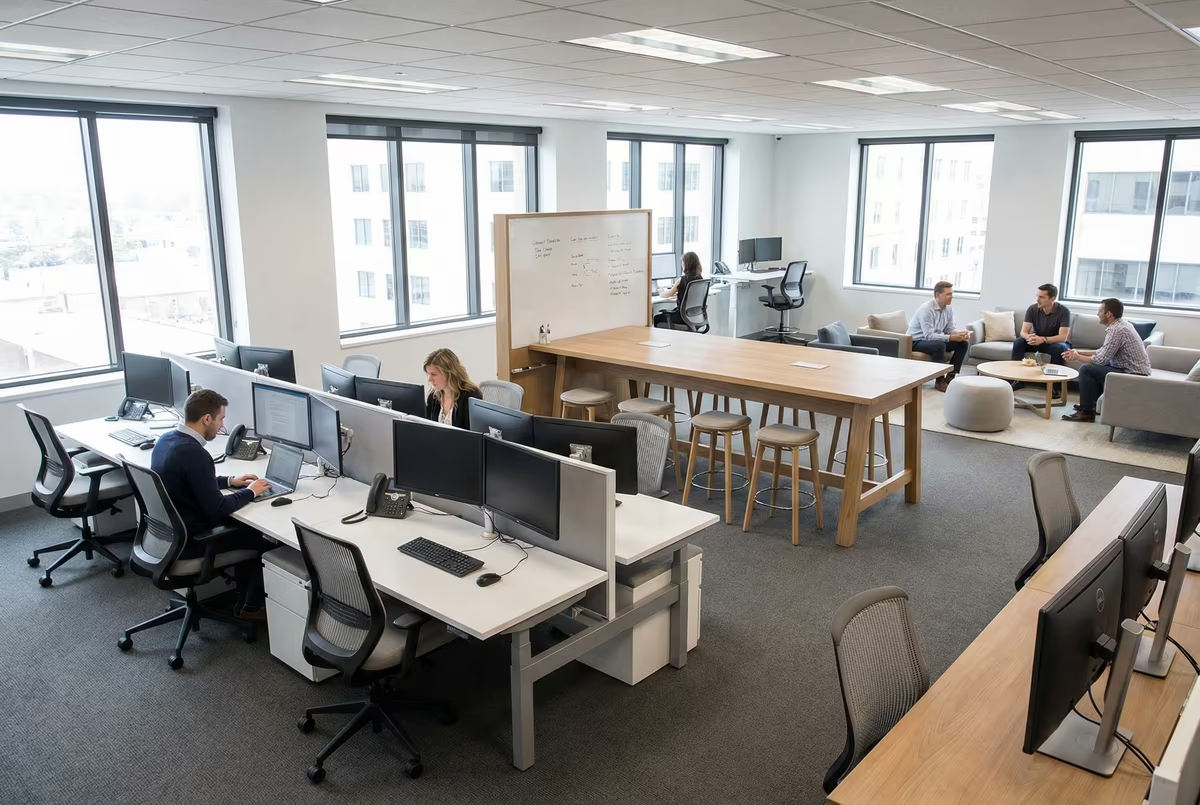
Opt for sound-absorbing materials and furniture to reduce noise and distractions. Open plan offices should be designed to suit different employee preferences and needs, ensuring comfort and productivity. Offering employees a choice in their work environment, such as private spaces or flexible work areas, is key to satisfaction and creativity.
The open plan layout influences various activities within the office, so consider how different functions—like meetings, focused work, and socializing—can occur simultaneously without interference. Implementing a multi-layered acoustic strategy is essential in open offices to counteract noise. Acoustic solutions like soundproof phone booths help mitigate noise pollution, and providing noise-canceling headphones can help employees block out distractions.
Successful open layouts are divided into distinct neighborhoods based on activity to prevent noise disruption. Ergonomic furniture, including adjustable standing desks and chairs, enhances comfort in open-plan offices. Collaboration hubs equipped with modular furniture, whiteboards, and digital screens support brainstorming sessions and teamwork. Regularly soliciting feedback from employees on office layout and policies ensures informed adjustments and continuous improvement.
Good open plan design isn’t about dropping desks in a big room and hoping for the best. It requires strategic planning that balances collaboration with genuine workplace needs.
Smart open offices use zoning. Create distinct areas for different work modes: collaboration spaces, focused work zones, meeting rooms, and break rooms. This approach helps employees choose the right environment for their current task without disrupting others.
Circulation matters. Plan clear pathways that minimize interruptions as people move through the space. The standard recommendation? 100–150 sq ft per employee ensures adequate personal space while maintaining the collaborative benefits of openness.
Furniture choices make or break functionality. Modular desks, acoustic dividers, and mobile storage units provide flexibility, letting teams reconfigure spaces as projects evolve. Height-adjustable desks reduce physical strain and improve comfort — essential for employee wellbeing.
Environmental factors need attention. Natural light boosts productivity, but position desks strategically to prevent glare. Combat noise with sound-absorbing panels, carpeting, and ceiling treatments to reduce ambient sound levels.
Privacy solutions are non-negotiable. Office booths, screen dividers, and quiet office pods give employees escape routes for focused work or confidential conversations. These aren’t luxury additions — they’re practical necessities that make open plans actually work.
The best open plan offices feel intentional, not chaotic. Every element serves a purpose, from lighting placement to furniture selection to acoustic treatment.
How Office Booths Like Persy One Transform Open Plan Offices
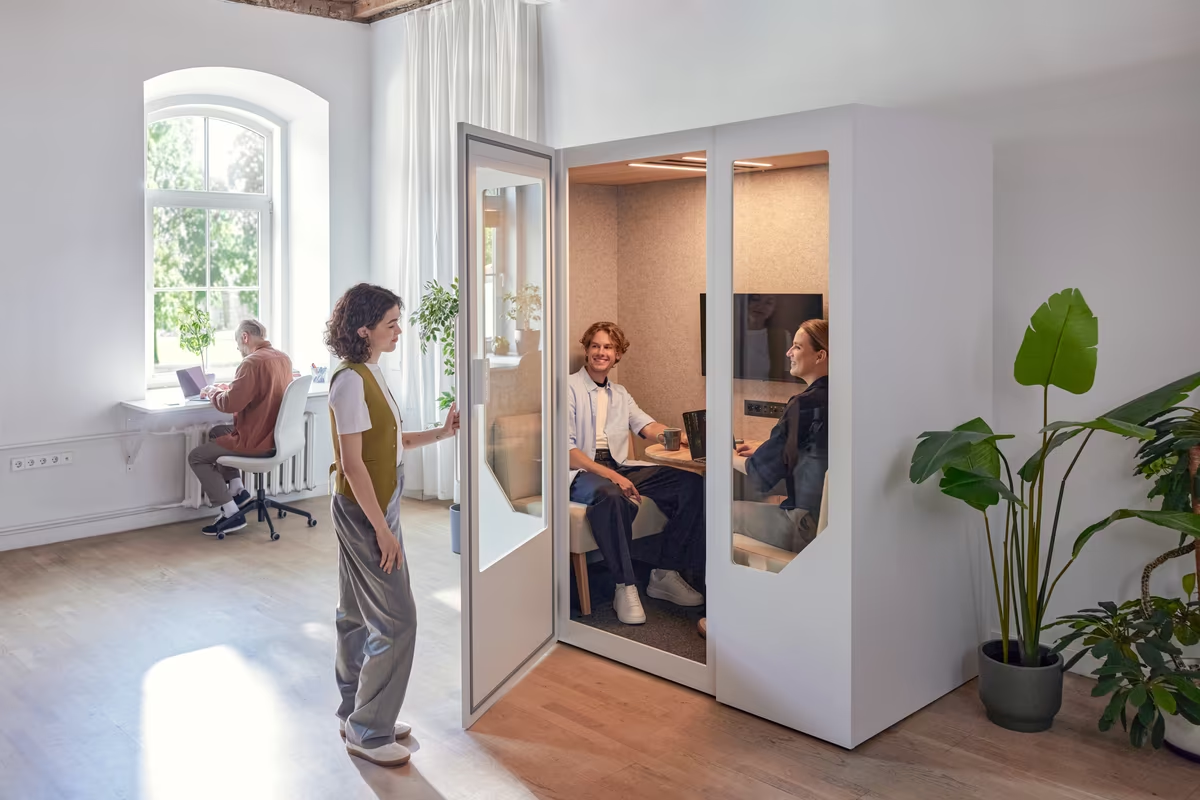
Office booths solve the open plan puzzle. They tackle noise, privacy, and distraction issues head-on while keeping the collaborative benefits that make open offices valuable in the first place.
Persy One phone booths deliver practical solutions with five layers of soundproofing materials that achieve -28 dB speech level reduction. That's genuine privacy, not just wishful thinking. Step inside and visual distractions disappear. Background chatter fades. The air refreshes completely every 27 seconds through ultra-quiet ventilation operating at just 19 dB, so you can stay comfortable during long calls or extended work sessions.
These booths create exactly what employees need most: dedicated spaces for:
- Private phone calls and video conferences
- Deep-focus individual tasks
- Confidential conversations
Placement strategy matters. High-traffic areas work well for quick-access booths where people grab space for calls. Quieter zones suit booths dedicated to focused work. The key is making them accessible without creating bottlenecks.
Companies report immediate improvements in meeting room availability and overall productivity after adding meeting pod solutions. The balance works: employees get their private retreats while maintaining the community-building spirit that makes open workspaces effective. Think of office booths as temporary sanctuaries where workers can escape when needed, then return to the collaborative environment refreshed and focused.
Open Plan Office Best Practices
Getting open plan offices right takes more than furniture arrangement. Daily operations need clear protocols that actually work for your team.
Open plan office design, as a modern approach, promotes collaboration by minimizing barriers between workstations and creating a free, open space that encourages employees to work together more efficiently. The open office concept impacts the workplace environment by fostering spontaneous conversations, which can spark creativity and build a sense of community. Removing walls and barriers allows for easier communication, but it also requires careful planning to avoid issues like noise and lack of privacy. Successful open layouts are often divided into distinct neighborhoods based on activity to prevent noise disruption and support different work styles. Collaboration hubs within these spaces are equipped with modular furniture, whiteboards, and digital screens for brainstorming sessions.
Quiet culture wins productivity battles. Research shows 70% of office workers face constant interruptions. Combat this with designated conversation areas, team chat tools, and headphone policies. Simple rules, consistently applied.
Zone your space strategically. Create distinct areas for collaboration, focus work, and breaks. This lets people choose the right environment for their current task without disrupting colleagues working differently.
Sound management pays dividends. Acoustic panels, carpeting, and ceiling treatments cut ambient noise significantly. Even plants work as natural sound absorbers while making spaces more pleasant. Small investments, measurable results.
Workplace etiquette needs explicit guidelines. Establish clear expectations about noise levels, device usage, and zone behavior. Leadership must model these behaviors consistently — rules without leadership buy-in fail quickly.
Private spaces remain essential. Meeting rooms, 2 person meeting pods, or quiet pods give employees escape routes for confidential conversations and focused work. The goal isn’t eliminating privacy; it’s making it accessible when needed.
There are many terms used in open plan office design, such as hot desking and alternative officing, which describe flexible workspace arrangements that take advantage of the free, open nature of these environments. The difference between successful and chaotic open offices? Intentional design choices that balance collaboration with individual work needs.
FAQ
Are open plan offices more productive?
How can you reduce noise in an open plan office?
What are the main disadvantages of open plan offices?
Compare Our Private Workspaces
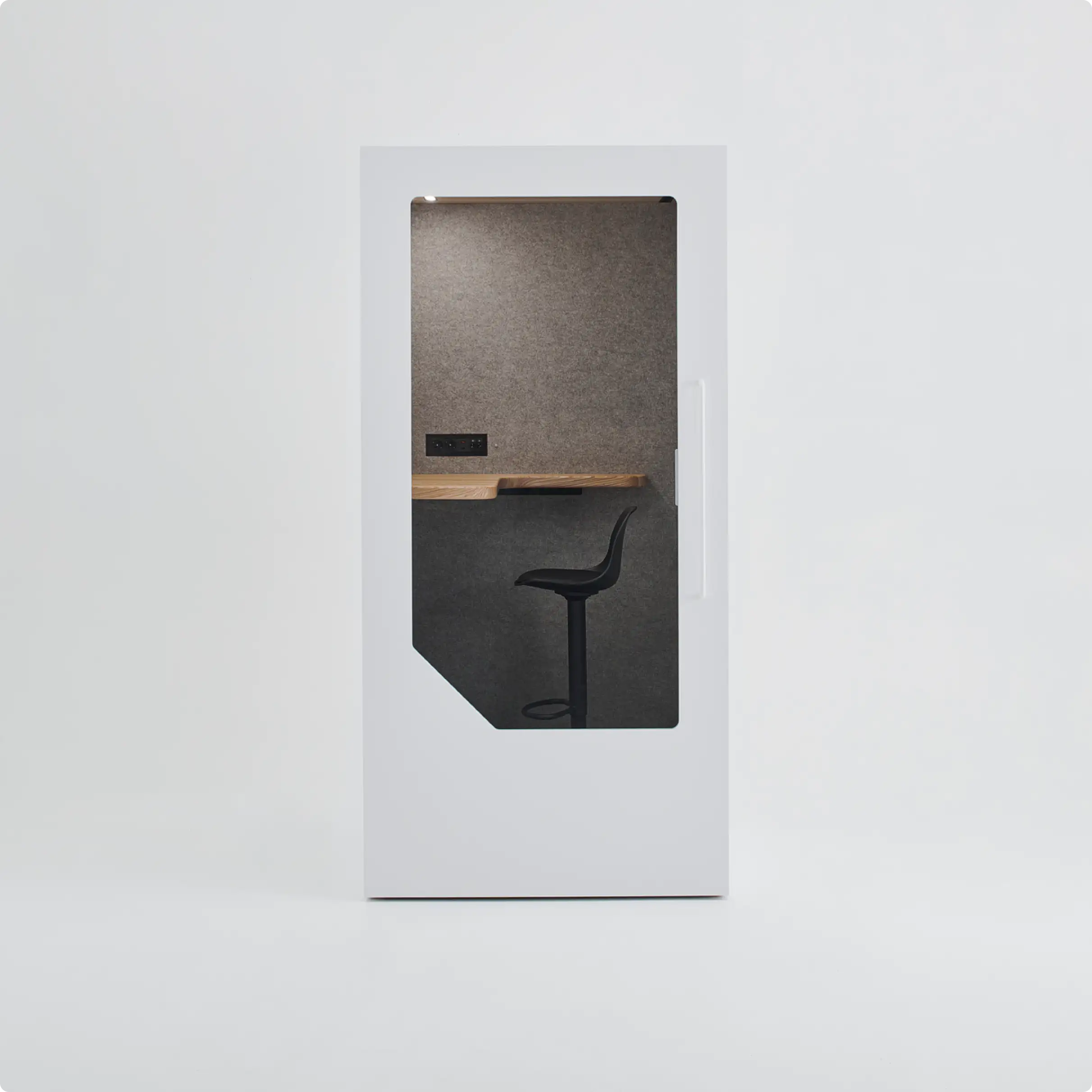
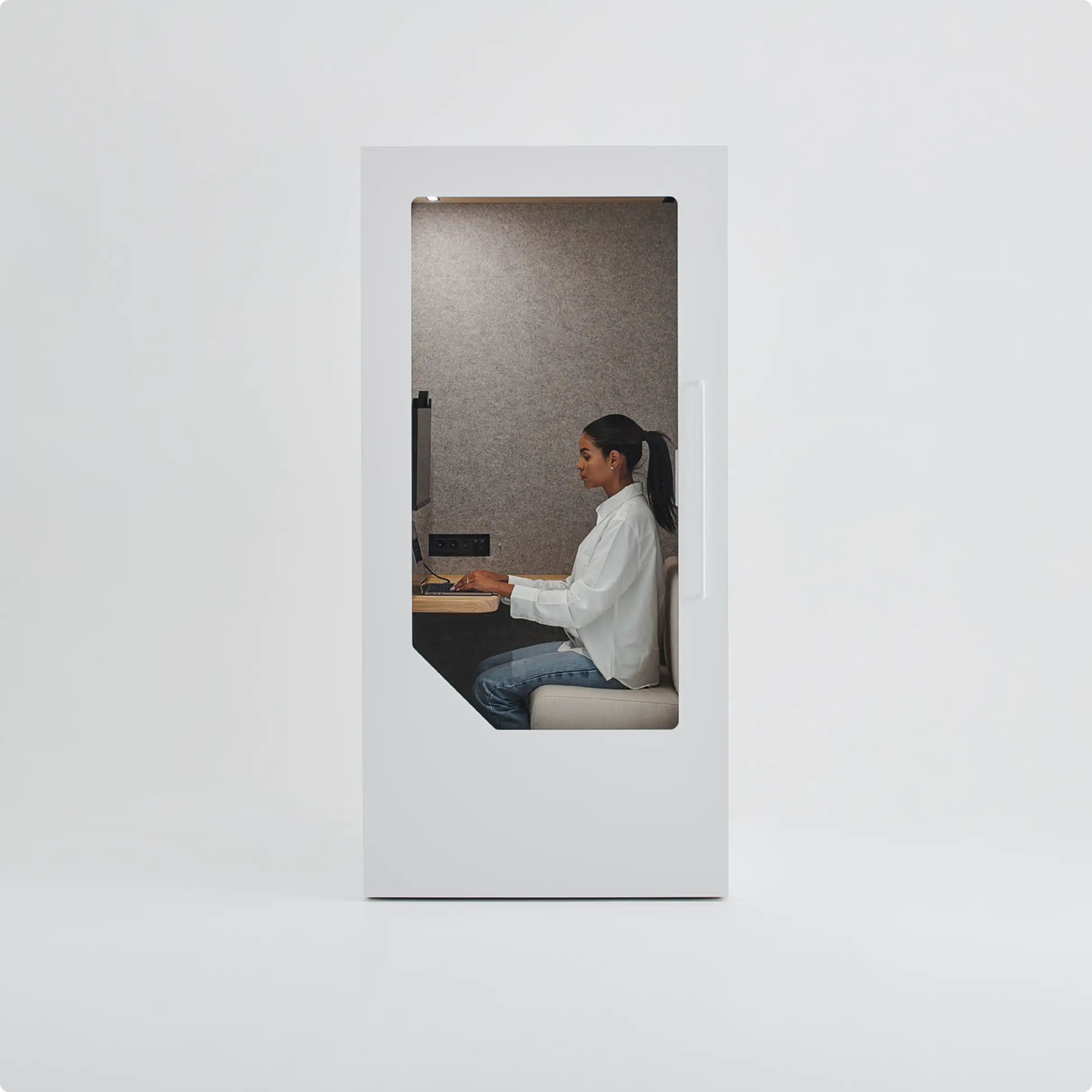

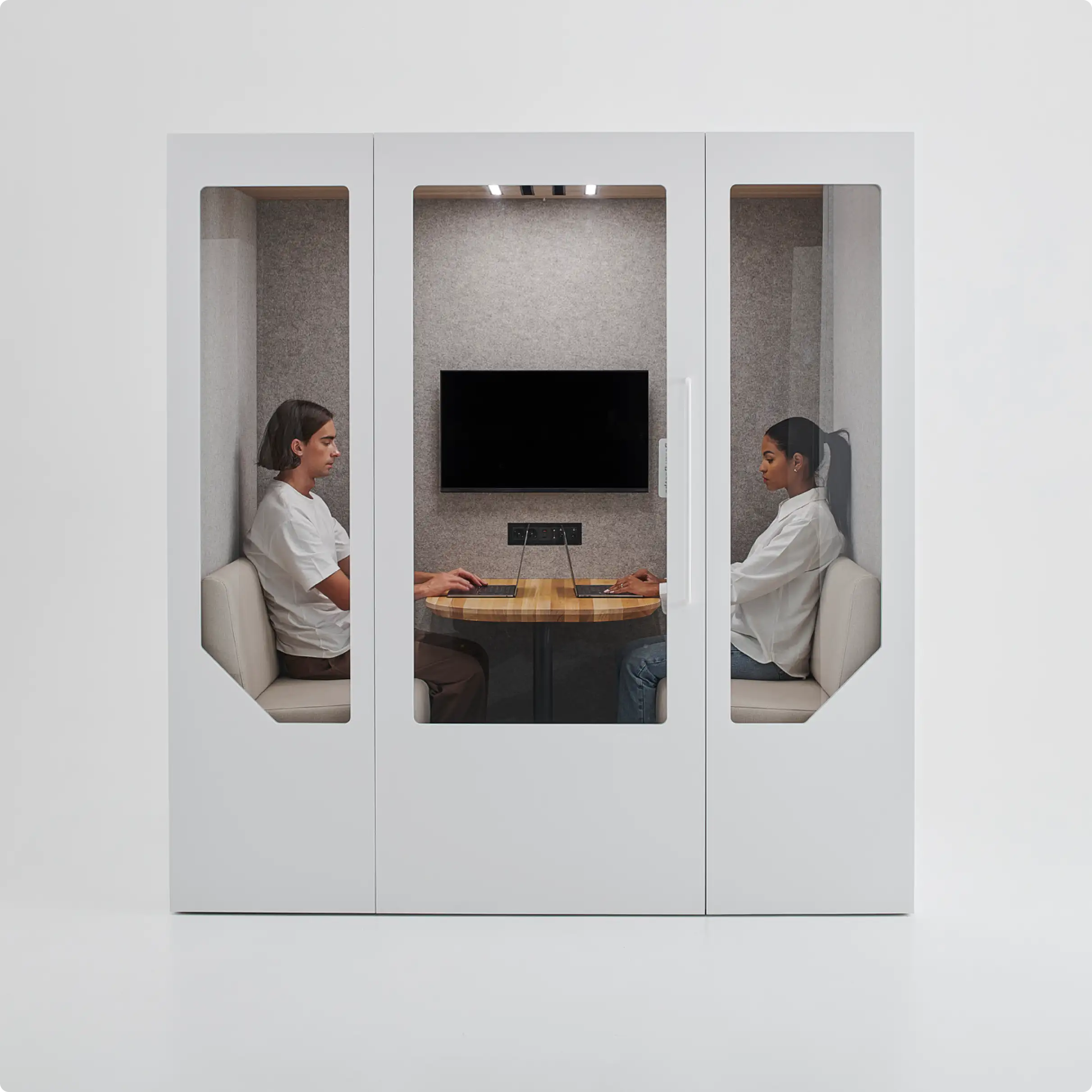
Persy Four
- Exterior
215 cm x 133 cm x 225 cm
- Interior
200 cm x 122 cm x 205 cm
- Soundproofing
-25.6dB according to ISO 23351:1:2020, all the way up to -38.3dB
- Ventilation
Adjustable 8 ultra-quiet fans, max airflow of 810m3/h, air refreshed inside every 31 seconds
Persy Four
- Exterior
215 cm x 133 cm x 225 cm
- Interior
200 cm x 122 cm x 205 cm
- Soundproofing
-25.6dB according to ISO 23351:1:2020, all the way up to -38.3dB
- Ventilation
Adjustable 8 ultra-quiet fans, max airflow of 810m3/h, air refreshed inside every 31 seconds
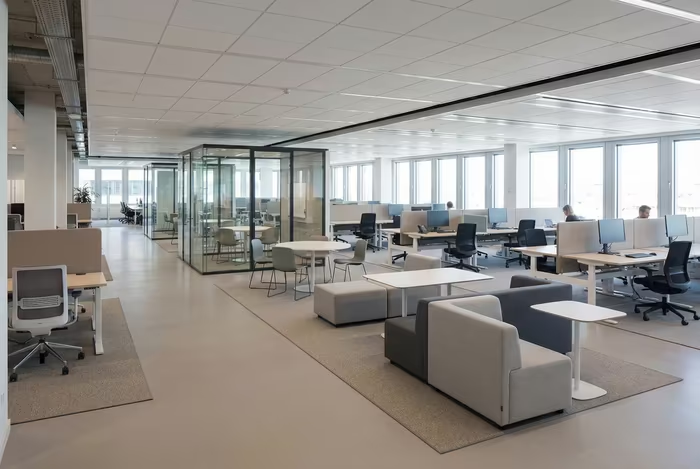
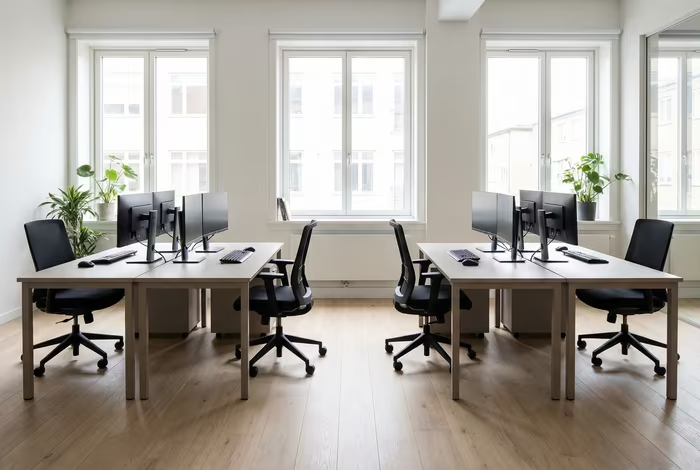
Learn More About Office Design Concepts
A guide to modern, flexible, and human-centered office spaces.

Why Our Private Workspaces Are the Smarter Choice
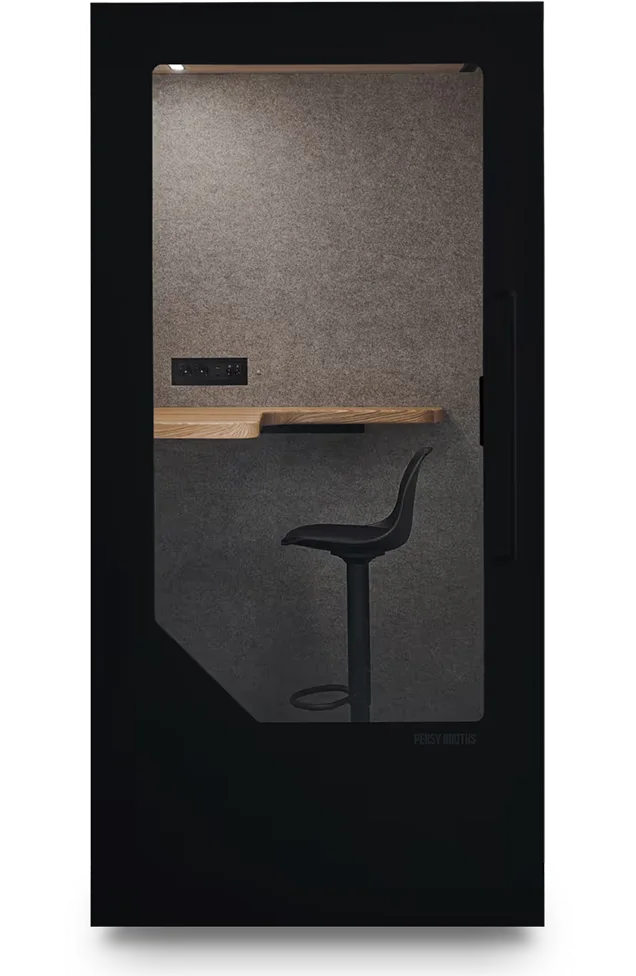
Watch how Persy Booths deliver privacy and focus – reducing distractions, improving airflow, and blending seamlessly into any office.
- Sold directlyCompetitive pricing, no middleman costs.
- Money-back guarantee30 days risk-free purchase.
- ISO certifiedTested soundproofing up to 28 dB.
- Fast deliveryShips in weeks, installs within hours.
- Trusted by thousandsThousands sold, near-zero returns.
- 3-year warrantyLong-lasting quality, guaranteed.
Design a workplace that actually works