%20(1).avif)
Smart Office Space Optimization: Secret Tips from Top Workplace Designers


.webp)
Office space optimization is still an unexplored chance for most businesses today, which might come as a surprise. The numbers paint a clear picture - only 11% of companies use all their office space they own or lease, while nearly 45% use half their available space or less. This inefficient use of workspace isn’t just about space - it costs money and reduces productivity that smart businesses must address. Understanding your square foot count is essential, as every square foot serves a strategic purpose in optimized offices, ensuring that no square foot is wasted and each area contributes to business objectives.
Persy Booths knows that smart space optimization helps save real estate costs and boosts employee productivity while creating an excellent workplace experience. The data reveals an interesting trend: 66% of organizations use their spaces less than 60% on average. Yet 83% of office workers say they work better in a well-organized workspace and believe proper organization could boost their productivity by 38%. Companies can save as much as $11,000 per employee annually by optimizing workspace usage.
Using proper office space optimization strategies reduces your physical footprint and creates substantial cost savings while improving environmental sustainability. The rise of hybrid work models has reshaped how often people visit the office and what they need during their time there.
Companies that transition from traditional office models to hybrid-flexible strategies often see 30-50% reductions in real estate expenses, and optimized office spaces can lead to 20-30% reductions in operational overhead after optimization. The principles and secret tips from top workplace designers will help you turn underused spaces into productive areas, whether you manage a small team or multiple locations.
Key takeaways:
• Data-driven auditing reveals hidden opportunities: Only 11% of companies fully utilize their office space, with 66% using less than 60% of available areas on average.
• Flexible, modular design maximizes ROI: Companies implementing optimization strategies report 30% lower real estate costs while maintaining productivity through adaptable furniture and multi-functional spaces.
• Balance privacy with collaboration zones: 83% of workers feel more productive in organized workspaces, requiring distinct areas for focused work, team collaboration, and social interaction like office pods.
• Technology integration drives continuous improvement: Smart tools like occupancy sensors and booking systems provide real-time insights to optimize space usage and eliminate the $100 billion annually wasted on unused office space.
Why Office Space Optimization Matters in Today’s Workplace
Smart businesses now see office space optimization as a must-have rather than a nice-to-have. The numbers tell a compelling story-companies waste an estimated $100 billion annually on unused office space in the United States. Smart planning office space decisions can help reclaim these resources and put them toward growth. Optimizing office space can eliminate wasted square footage, ensuring that companies invest only in their business's needs.
The rise of hybrid work has changed how we use offices forever. Companies now face a new challenge as employees split their time between home and office. They need to adapt their physical spaces to match these new work patterns. Companies that use office space optimization strategies align their real estate decisions with business objectives while they keep or improve their productivity.
Your bottom line gets better with workspace optimization in several ways:
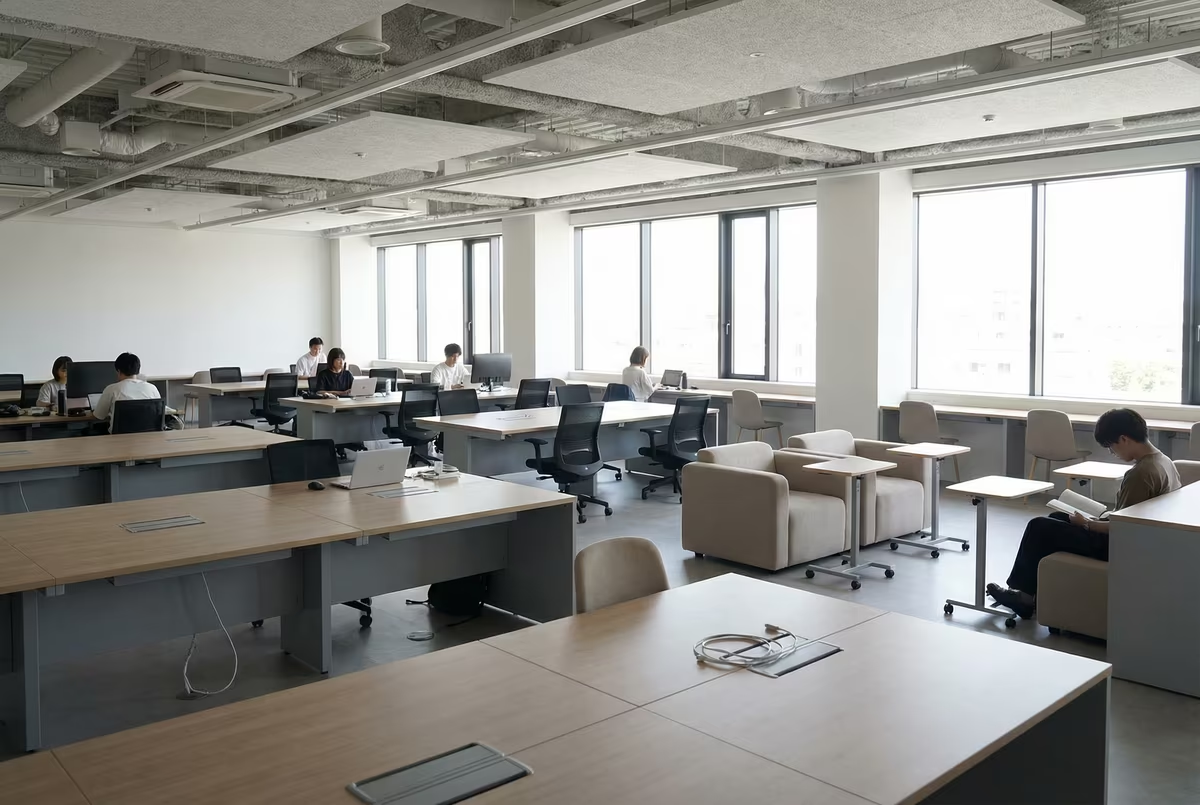
- Real estate costs drop by 10-30% through better space use
- Operational costs (utilities, maintenance, cleaning) go down by 15-20%
- Capital expenses decrease with efficient furniture and equipment placement
- Technology infrastructure costs reduce through smart integration
Companies that transition to hybrid-flexible strategies often see 30-50% reductions in real estate expenses, and optimized office spaces can lead to 20-30% reductions in operational overhead after optimization.
Better spaces make for happier employees too. Yes, it is true that 87% of workers want their employers to offer improved workplace amenities. These amenities promote teamwork and boost productivity when people come to the office.
At Persy Booths, we’ve watched thoughtfully designed spaces become powerful tools to attract and keep talent. Research shows that employees in optimized workspaces report 15-20% higher satisfaction with their work environment, which correlates directly with output and engagement. Improving workplace quality through optimization can save significant recruitment and training expenses, as replacing an employee typically costs 50-200% of their annual salary.
Going green gives you another good reason to optimize. Well-designed offices use less energy, create less waste, and leave a smaller carbon footprint. Companies that focus on sustainability see 16% higher productivity and keep 25% more of their employees.
Small offices need optimization even more—every inch of space must count. Maximizing efficiency is crucial, as effective space planning can reduce the need for expensive expansions by accommodating 20-30% more employees without additional square footage. Smart design choices can turn small areas into flexible workspaces that support different types of work while staying comfortable and practical.
Technology makes modern optimization easier. Office space optimization software helps you make use of information about how people actually use your space. Leveraging real-time data enables companies to continuously improve their workspace layout and ensure that the office space is utilized effectively and meets employee needs.
Data-driven decisions are essential for optimizing office space, as they reveal inefficiencies and inform how the office space is designed and optimized. These tools track desk use, meeting room occupancy, and foot traffic to show where you can make things better. Using data analytics tools helps companies track occupancy rates and identify underutilized areas, allowing for informed adjustments to office layouts and providing valuable insights for ongoing optimization.
The real question isn’t if you should optimize your office space—it’s how soon you can start. Your competitors are already doing it. Waiting too long means paying more to run your office and having trouble attracting the best people.
Companies that get office space planning right create spaces that work for both business goals and employee needs. Most companies see positive ROI from office space optimization within 6-12 months, with compounding benefits in subsequent years as workspace strategies mature and employee adoption increases. That’s a real advantage in today’s tough market.
Core Principles of Effective Office Space Optimization
Successful office space optimization builds on principles that turn regular offices into highly productive environments. Smart space planning relies on actual data from occupancy rates, booking trends, and traffic patterns rather than just headcount or guesses. This informed strategy removes biases and arranges decisions based on how employees actually use their workspace.
Modern office planning thrives on flexibility as its life-blood principle. Companies add modular furniture and moveable partitions that quickly adapt to changing attendance, growing teams, or new workflows. Research shows that employees who work in adaptable, functional spaces are more involved by a lot.
The right mix of private and shared areas plays a crucial role in workspace design. Different zones help staff members switch between focused work and team projects smoothly. You’ll find quiet spots for concentration, collaborative spaces for group work, and social areas for casual meetups. Companies using these principles see 30% lower real estate costs while keeping their productivity steady.
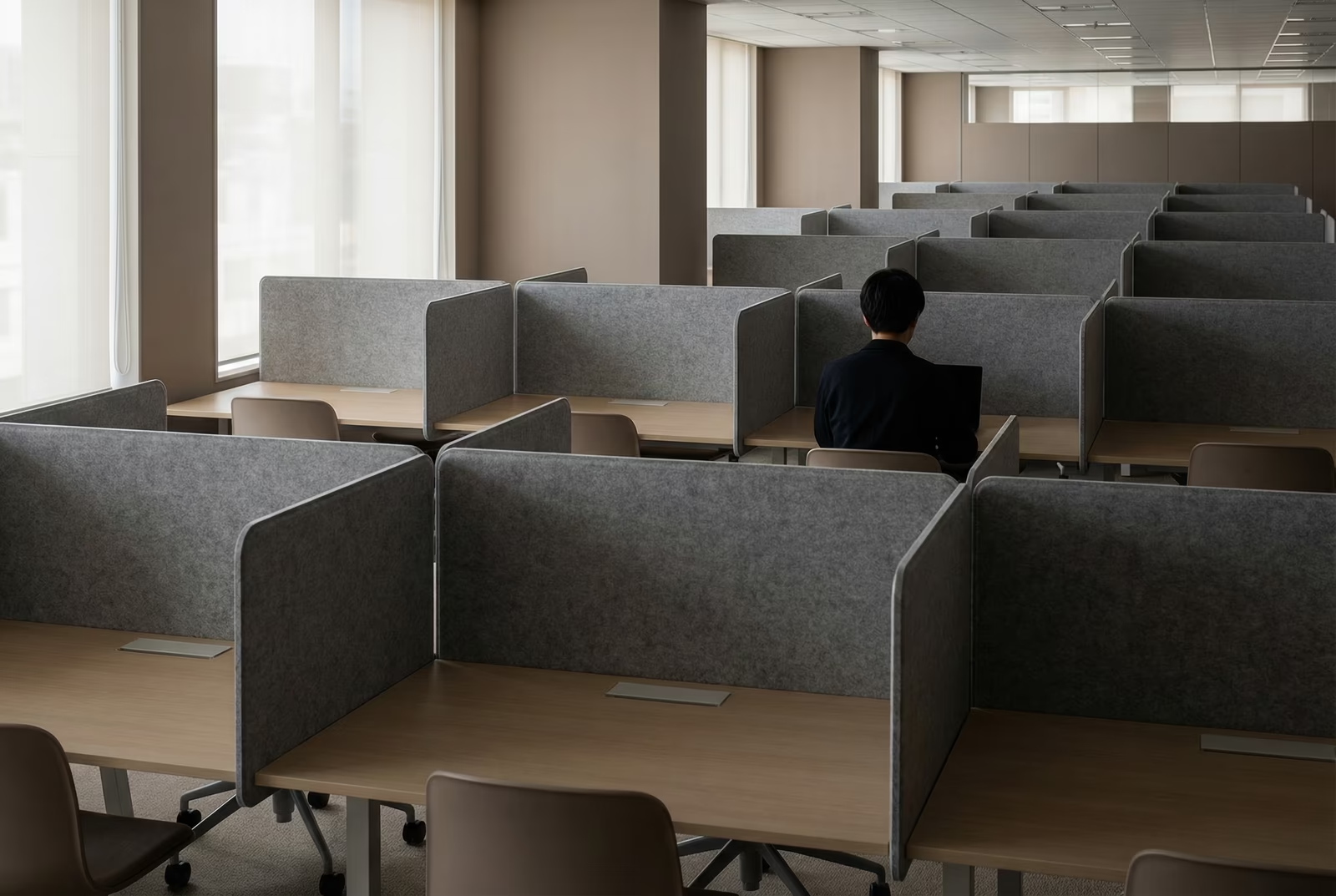
Worker comfort and wellbeing boost productivity directly. Features like natural light, fresh air, sound control, and ergonomic furniture help people focus better and feel more satisfied. The numbers speak for themselves - 83% of office workers perform better in well-laid-out spaces and believe proper setup could boost their output by 38%. Office design that prioritizes well being, employee health, and employee well being leads to higher engagement and satisfaction.
Smart traffic flow makes a big difference, though many overlook it. Thoughtful floor plans direct movement to reduce noise while creating logical zones. This careful design prevents crowding, removes unused areas, and keeps busy paths away from quiet workspaces.
Regular assessment keeps office spaces working at their best. Workplace needs shift with new teams, tech, and work styles. Analytics and employee feedback help ensure your layout stays effective. PersyBooths applies these core principles to help organizations build spaces that streamline processes, cut costs, and boost employee satisfaction.
Step-by-Step Guide to Optimizing Your Office Space
The quickest way to create a productive workplace needs a systematic approach to office space optimization. PersyBooths knows that results come from a well-planned process with clear metrics. Here’s how top workplace designers turn unused office spaces into productive environments.
Audit Current Space Usage
Your office space optimization trip starts with gathering complete data about your workspace. Space utilization audits will give a full picture of high-traffic areas and unused spaces. Research shows that less than a third of workplaces have been redesigned since the pandemic. This presents a huge opportunity to improve.
To plan your office better, you need to:
- Track occupancy with sensors or direct observation
- Ask employees about their priorities and challenges
- Look at how meeting rooms and workstations get booked
- Check your current tech setup
These checks often reveal unexpected findings. Almost a third of employees say excessive noise is their biggest problem when trying to work.
Redesign Layouts for Hybrid and Open-Plan Work
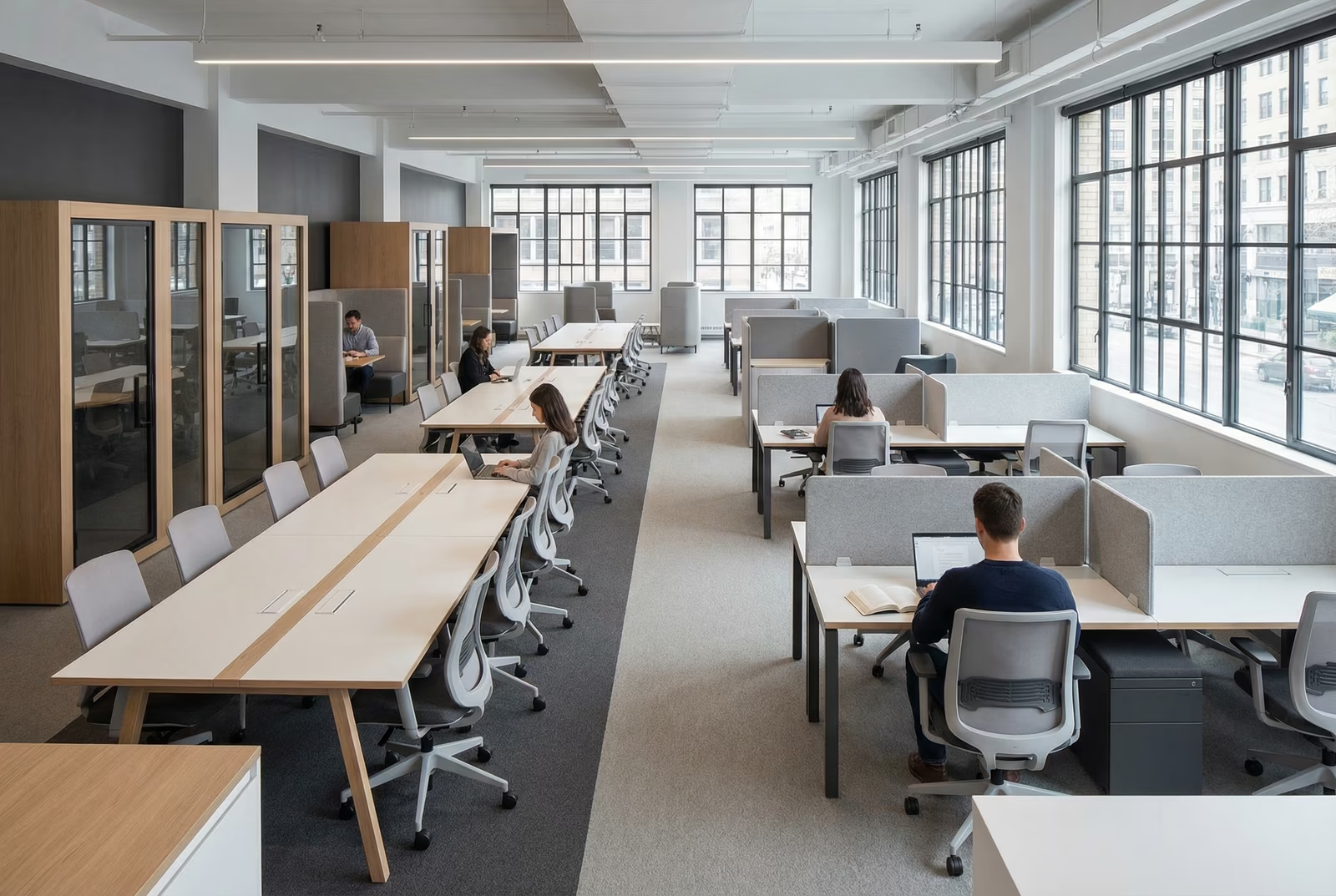
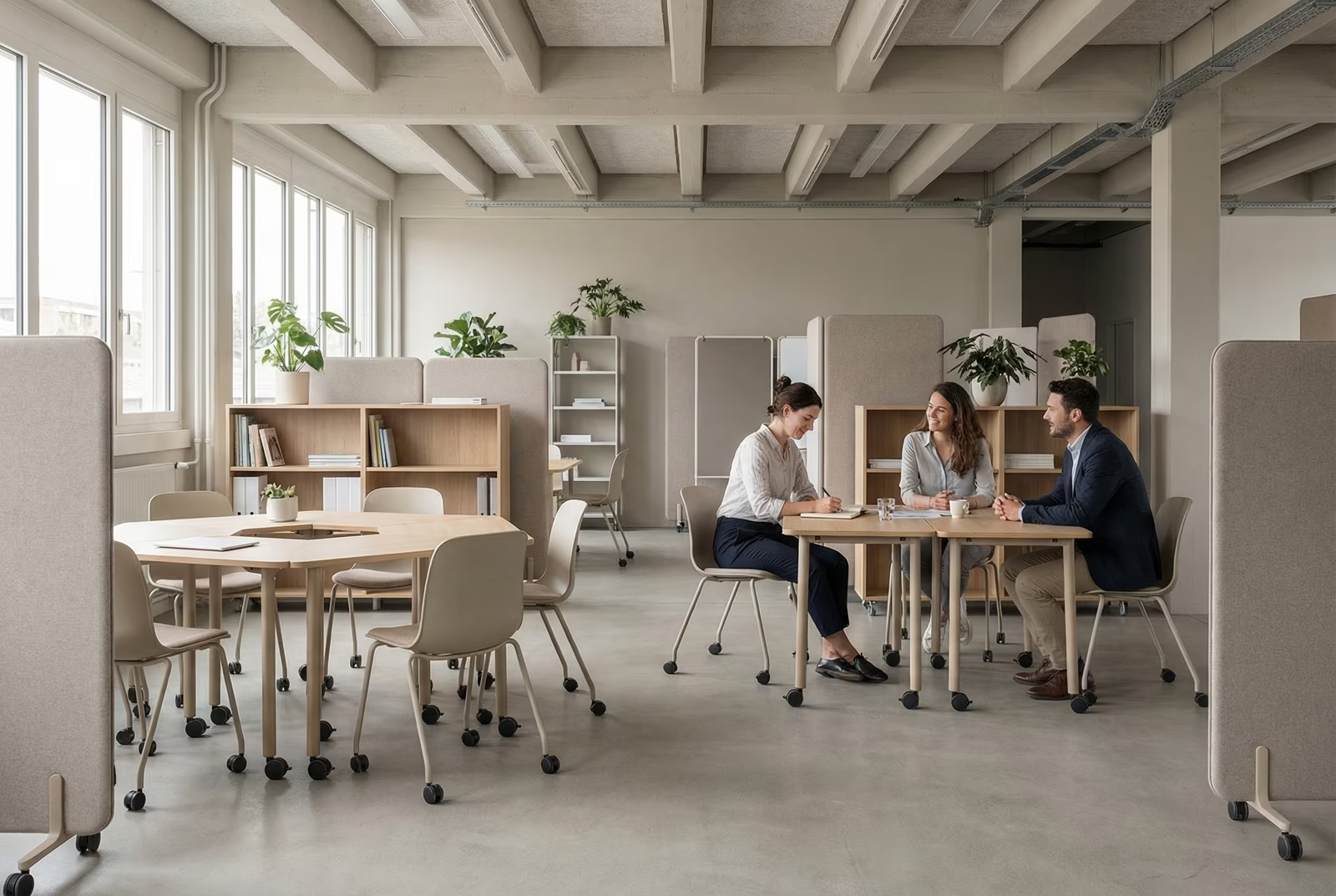
Good office space planning depends on how your team actually works. Your office should have distinct zones that line up with different activities - spaces to collaborate, focus, and recharge.
Hybrid workplaces need adaptable furniture like movable walls, adjustable desks, and modular seating. This flexibility will give your workspace optimization the power to support both in-office and remote work.
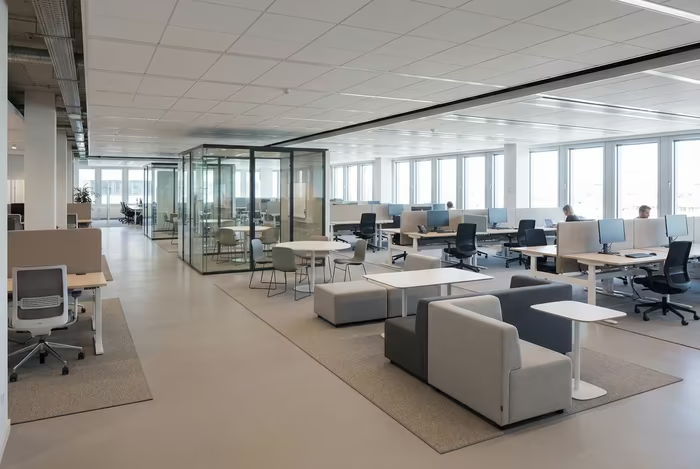
Sound issues need attention through noise-absorbing materials and dedicated areas for calls and discussions. Open-plan offices still need private spaces - small meeting rooms, phone booths, or quiet pods help employees work on sensitive tasks.
Set Clear Objectives and Line Up with Business Goals
The best office optimization starts with understanding what your business needs. Get into your work style and daily team activities to figure out each person’s space needs.
Your office space requirements should match your long-term strategy. Teams that plan to grow need modular furniture and flexible layouts. Cultural changes work better with mixed spaces - open areas, private zones, and shared spaces.
Implement Technology and Smart Tools
Office space optimization software changes how workplaces run. Start by checking your tech needs, learning what employees want, and matching these with business goals. Smart systems need proper setup - IoT sensors and network equipment must work together naturally.
People need training to use new systems. Focus on core features like booking rooms, reserving spaces, and controlling the environment. Desk booking systems let workers secure their spots ahead of time, so they won’t arrive to find no suitable workspace.
Office space optimization needs constant attention. Regular checks of system performance and user feedback help spot areas to improve. This keeps your workplace growing with your business needs.
How Persy Booths Elevate Office Space Optimization?
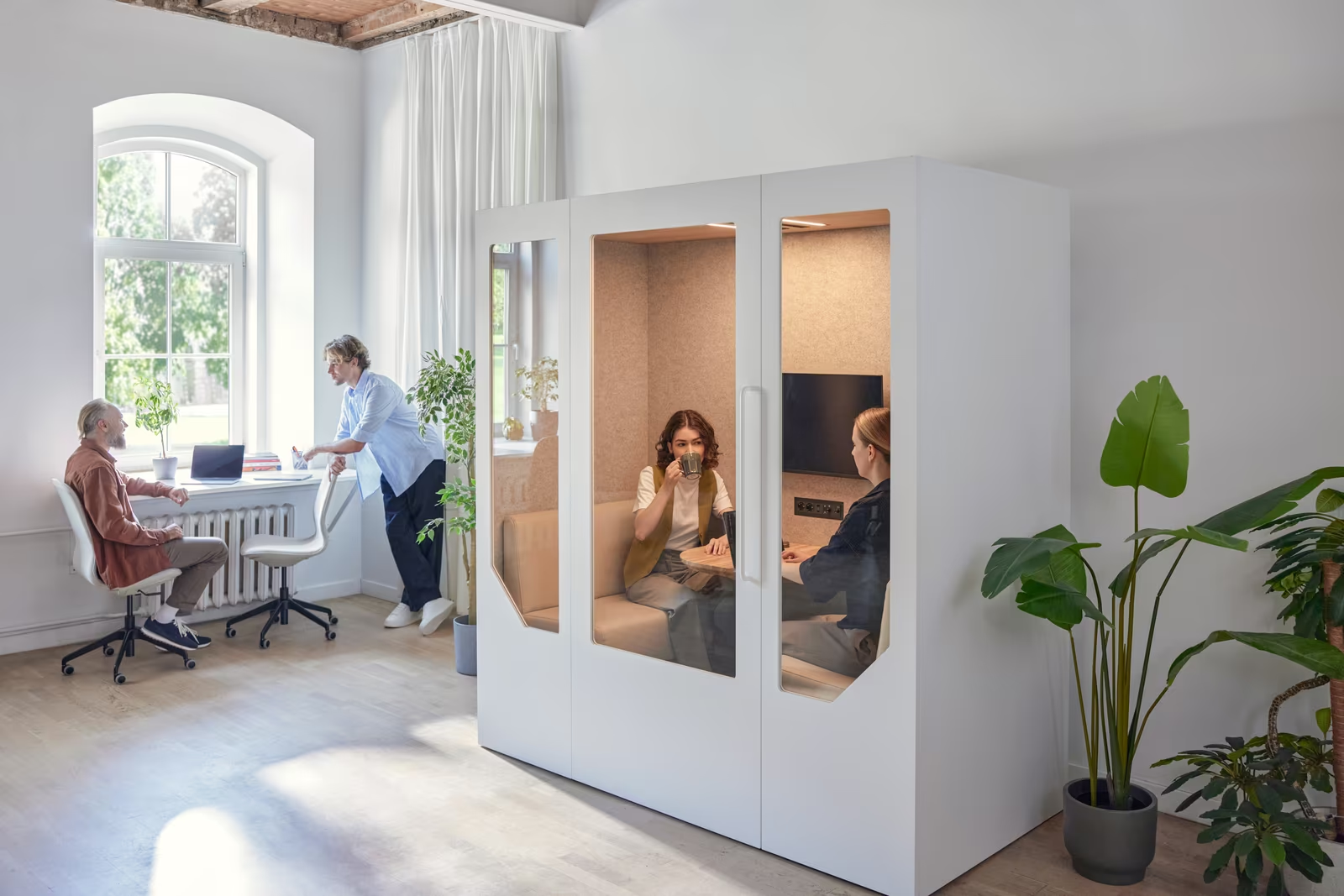
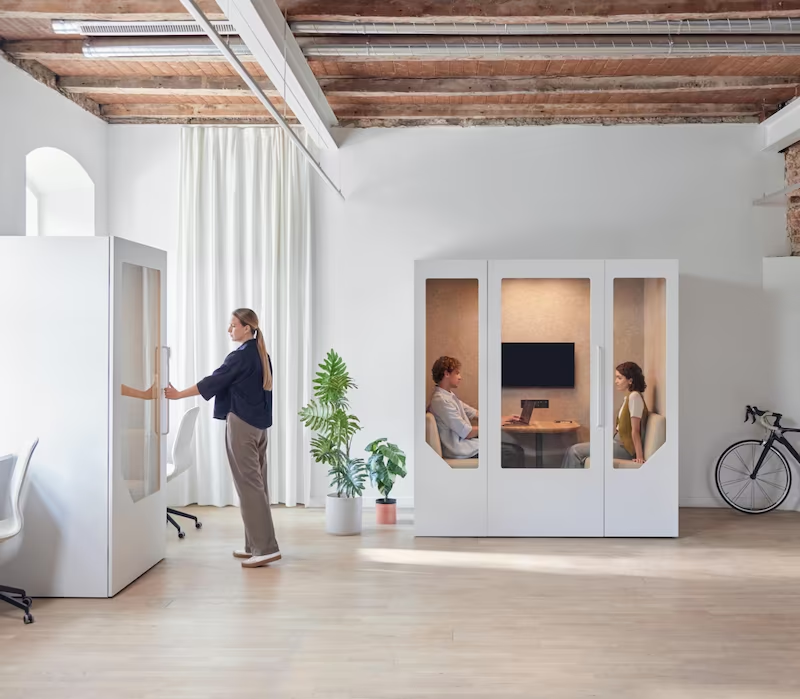
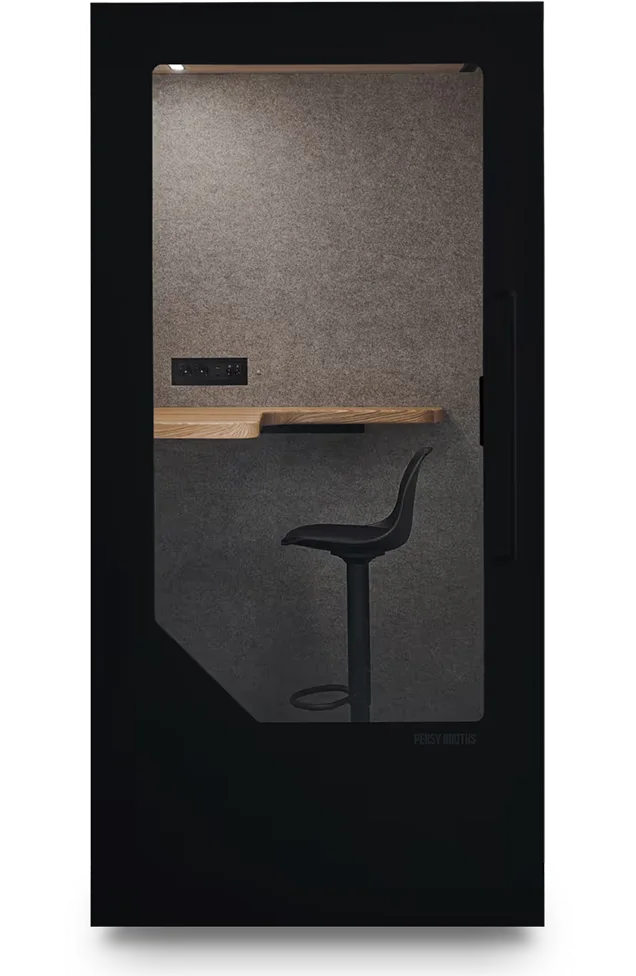
PersyBooths revolutionizes office space optimization with practical, modular solutions. These solutions turn chaotic workplaces into productivity powerhouses. The soundproof pods create private spaces without expensive construction and give remarkable flexibility as workplace needs change.
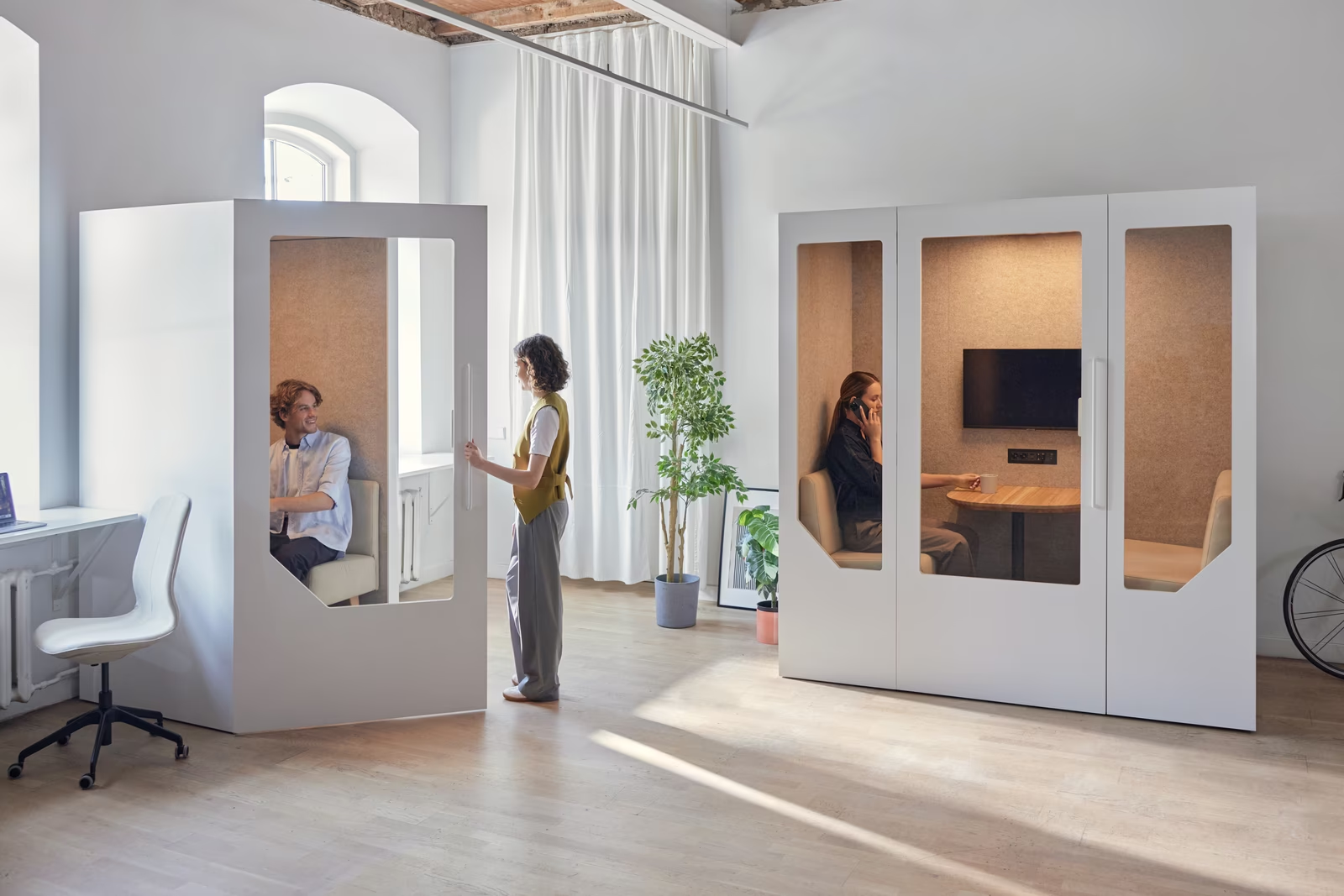
PersyBooths excel with these technical specifications:
- Superior soundproofing with -28 dB speech level reduction
- Complete air refresh every 27-32 seconds
- Built-in mobility with lockable wheels for easy repositioning
- Motion-activated, flicker-free LED lighting
Major companies have found the workspace optimization advantages compelling. Personio tested several brands and chose Persy Booths meeting pods because of their superior soundproofing and ventilation. They implemented a 1:6 desk-to-booth ratio. SumUp placed over 30 PersyBooths across their Berlin office.
PersyBooths support office space planning with affordable solutions. An office pod costs €3,999—that’s less than €67 monthly over five years. These solutions are eco-friendly and use recycled wood and steel.
Small businesses get great value from Persy Booths for small office space optimization. The modular design creates boundaries between focus areas and collaboration spaces. Companies can boost productivity while cutting real estate costs. Unlike fixed construction, these pods adapt to changing office space requirements and strike the right balance between privacy and openness. Every square foot in your office should be optimized so that each square foot serves a specific, strategic role, maximizing the utility of all available space and reducing wasted square footage.
FAQ
How do we start optimizing our office space effectively?
What is the biggest mistake companies make with office space optimization?
How does office space optimization support hybrid work?
How do acoustic booths improve office space efficiency?
What role does technology play in office space optimization?
How often should office space optimization be reviewed?
Can office space optimization really reduce costs?
Why choose PersyBooths for office space optimization?
Compare Our Private Workspaces
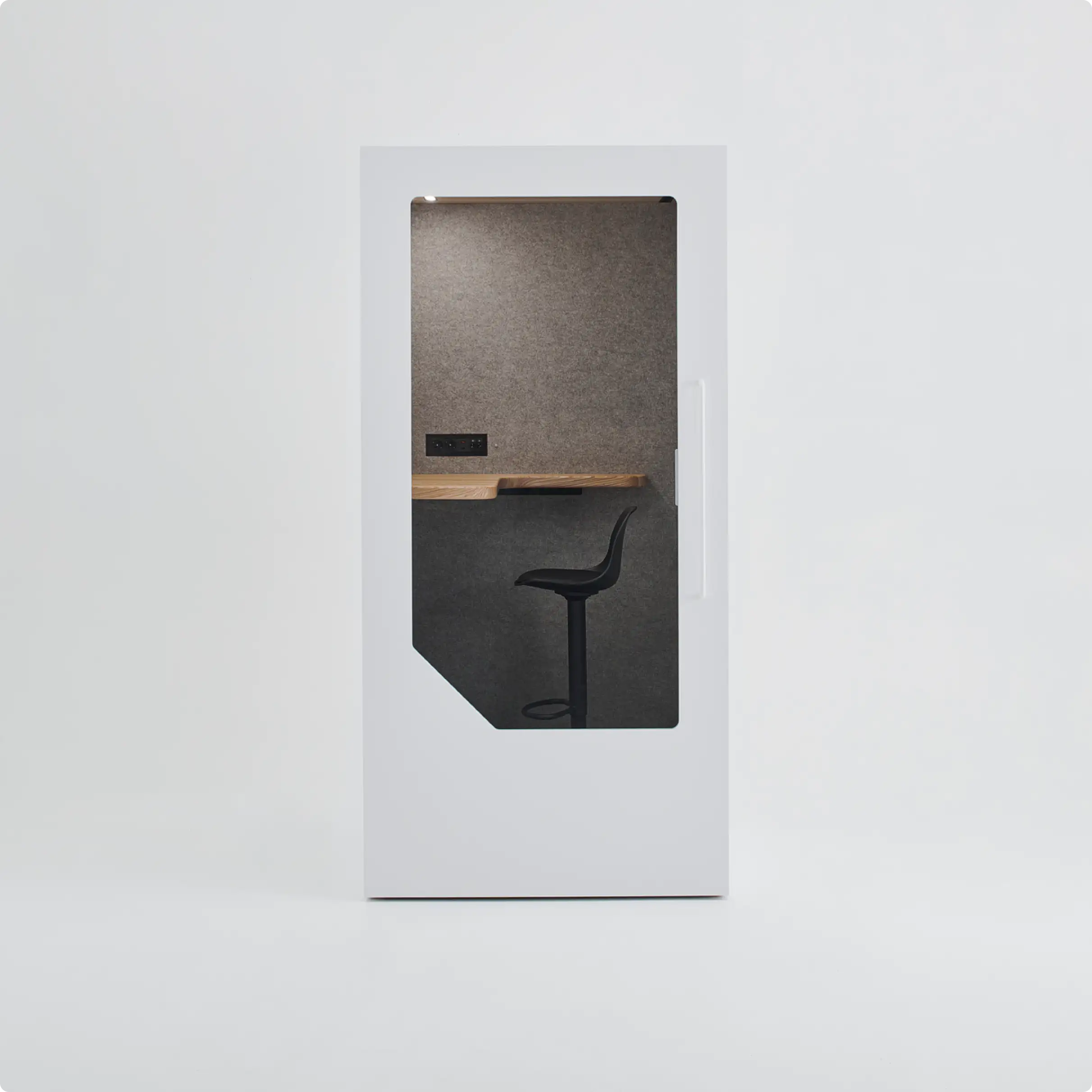
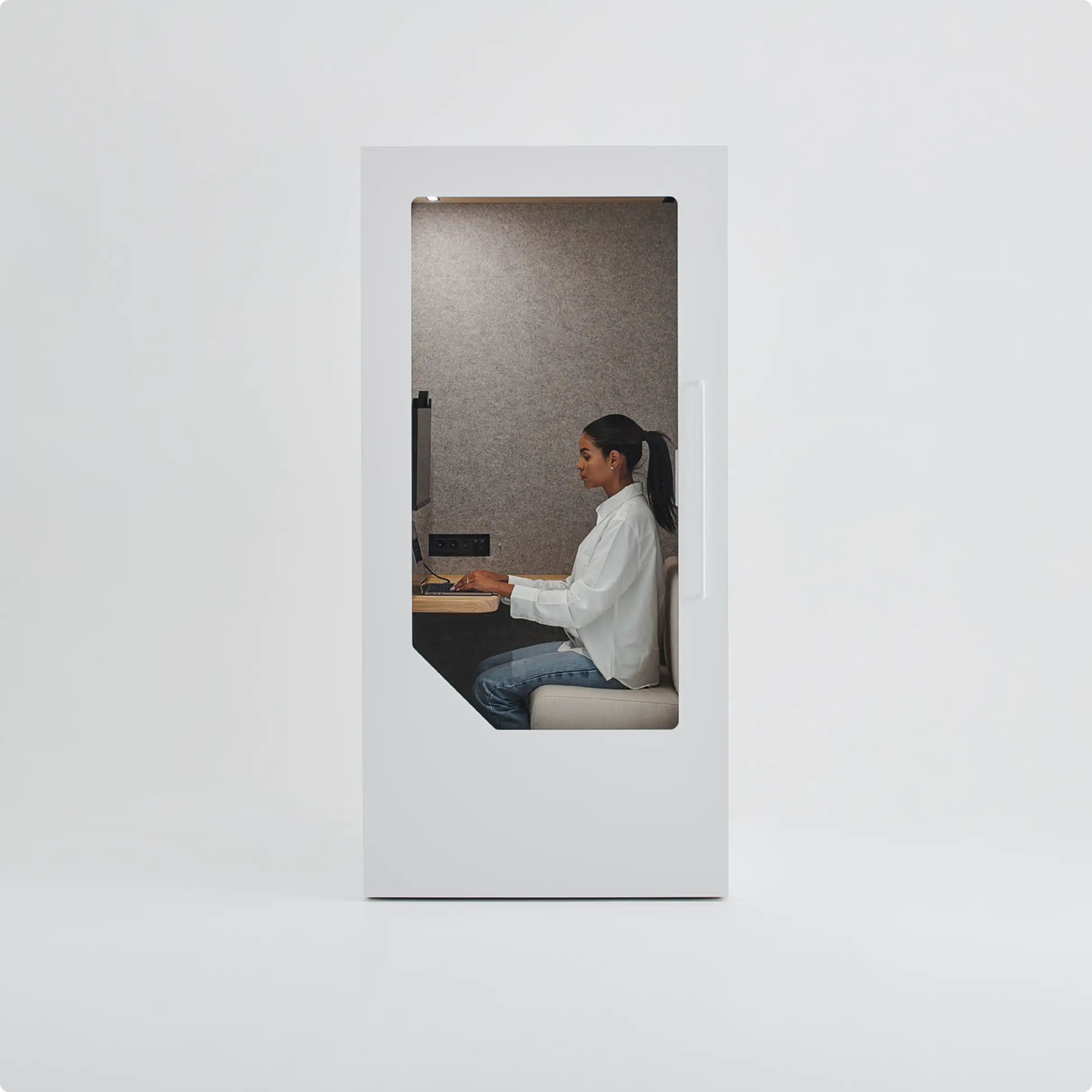

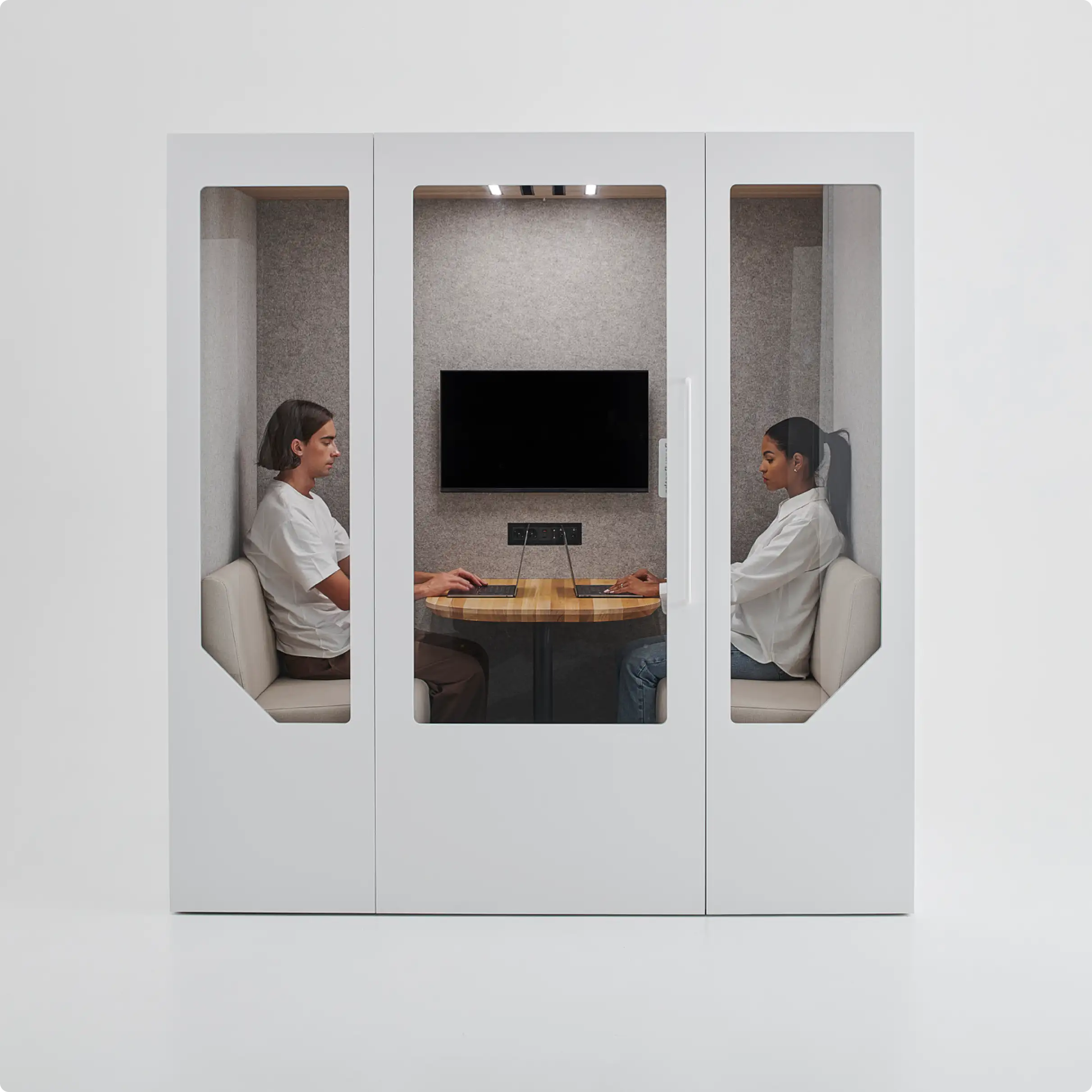
Persy Four
- Exterior
215 cm x 133 cm x 225 cm
- Interior
200 cm x 122 cm x 205 cm
- Soundproofing
-25.6dB according to ISO 23351:1:2020, all the way up to -38.3dB
- Ventilation
Adjustable 8 ultra-quiet fans, max airflow of 810m3/h, air refreshed inside every 31 seconds
Persy Four
- Exterior
215 cm x 133 cm x 225 cm
- Interior
200 cm x 122 cm x 205 cm
- Soundproofing
-25.6dB according to ISO 23351:1:2020, all the way up to -38.3dB
- Ventilation
Adjustable 8 ultra-quiet fans, max airflow of 810m3/h, air refreshed inside every 31 seconds
Learn More About Office Design Concepts
A guide to modern, flexible, and human-centered office spaces.

Why Our Private Workspaces Are the Smarter Choice
Watch how Persy Booths deliver privacy and focus – reducing distractions, improving airflow, and blending seamlessly into any office.
- Sold directlyCompetitive pricing, no middleman costs.
- Money-back guarantee30 days risk-free purchase.
- ISO certifiedTested soundproofing up to 28 dB.
- Fast deliveryShips in weeks, installs within hours.
- Trusted by thousandsThousands sold, near-zero returns.
- 3-year warrantyLong-lasting quality, guaranteed.
Design a workplace that actually works