%20(1).avif)
Planning Office Spaces for Productivity and Modern Needs


.webp)

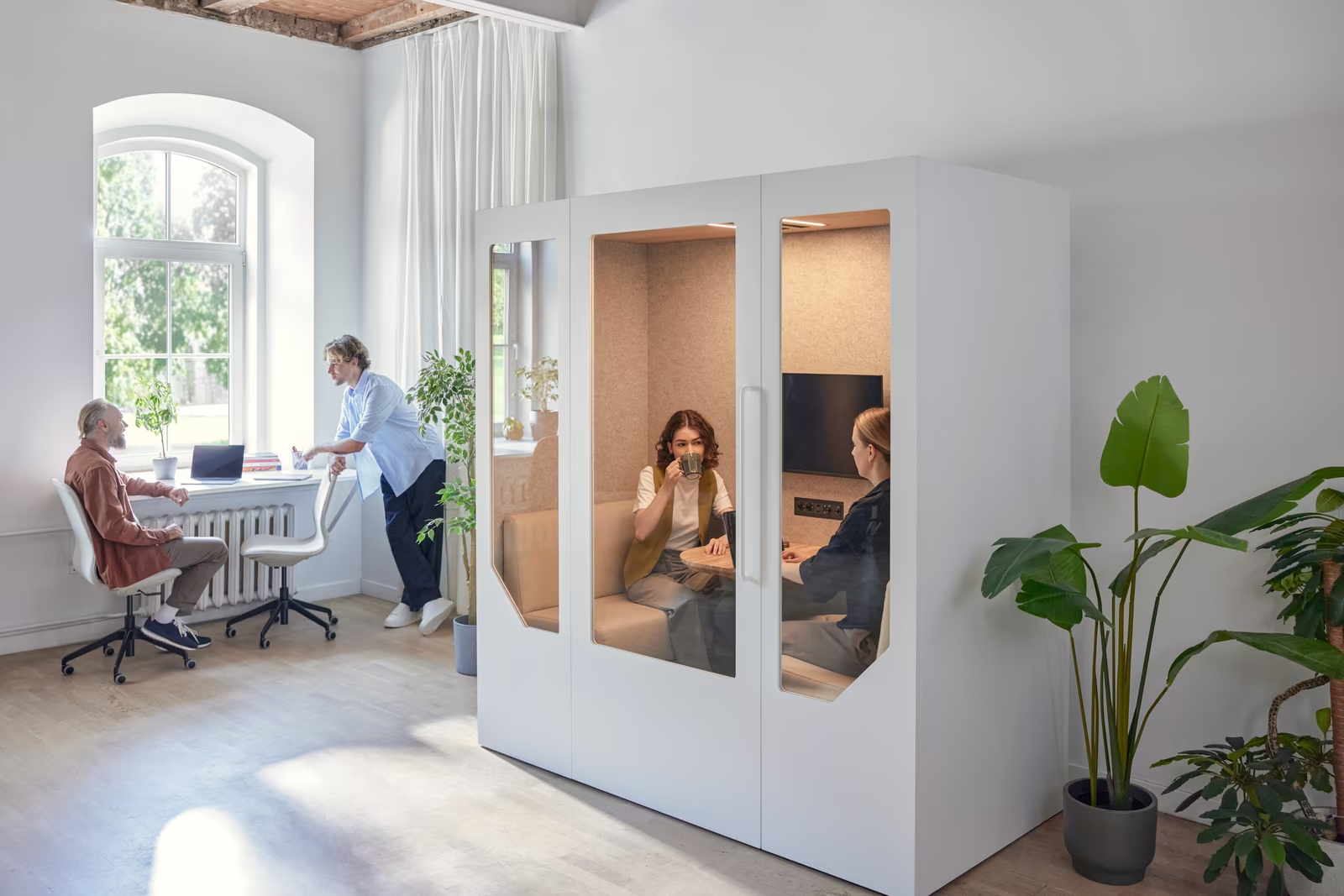
We at PersyBooths see planning office spaces as a strategic decision that shapes productivity, culture, and long-term real estate value. Office space planning today must reflect hybrid work, fluctuating attendance, and diverse work styles, while making every square foot work harder for your business.
Key takeaways
- Effective office space planning starts with real data on how many employees use the office, how often, and what types of work they do.
- Flexible layouts, activity-based zones, and modular, ergonomic furniture reduce wasted space and support both focused work and collaboration.
- Natural light in workplace design has been shown to significantly enhance employee health, mood, and productivity by creating a more inviting and energising environment.
- Smart tools such as desk and meeting room booking, occupancy sensors, and analytics platforms are now essential for managing hybrid office space efficiently.
- PersyBooths acoustic pods give you plug-and-play privacy, meeting, and focus areas that fit seamlessly into open-plan and hybrid layouts.
- Office space planning is not a one-off project; reviewing space usage data and employee feedback at least annually keeps layouts aligned with changing business needs.
Why office space planning matters in today’s workplace
Thoughtful office space planning matters because hybrid work has changed how often people come in, what they do on-site, and which office layouts actually support performance. Only 31% of companies still require employees to be in the office full time, so underused desks and poorly managed meeting spaces can waste large portions of your real estate budget.
Well planned office layouts also have a measurable impact on employee well being and satisfaction. Studies show that design features such as natural elements and biophilic design can increase reported wellbeing by around 15%, with corresponding uplifts in creativity and productivity.
Key principles of effective office space planning
We believe effective office space planning involves combining data, human insight, and flexibility so that your floor plans can evolve as your teams do. You avoid wasted space when you align square footage with real space needs, employee preferences, and business priorities like collaboration, focus work, and client-facing activities.
Assessing current space and employee needs
Assessing current space and employee needs starts with analysing how your existing space is used today, not how it was used before hybrid work.
Practical steps in the space planning process:
- Map your existing space: document all office layouts, meeting rooms, private offices, quiet zones, storage solutions, and circulation paths in current floor plans.
- Gather usage data: track badge-ins, desk occupancy, meeting room bookings vs actual occupancy, and peak days to understand space usage and monitor occupancy trends.
- Ask employees: use short surveys and interviews to learn how in-office teams use physical spaces, where they struggle with noise, focus, privacy, and meeting spaces, and what changes would support diverse work styles.
- Segment by role and work pattern: separate the needs of hybrid employees, fully in-office teams, and highly collaborative groups to design appropriate collaboration spaces and quiet zones.
Optimising for flexibility and collaboration
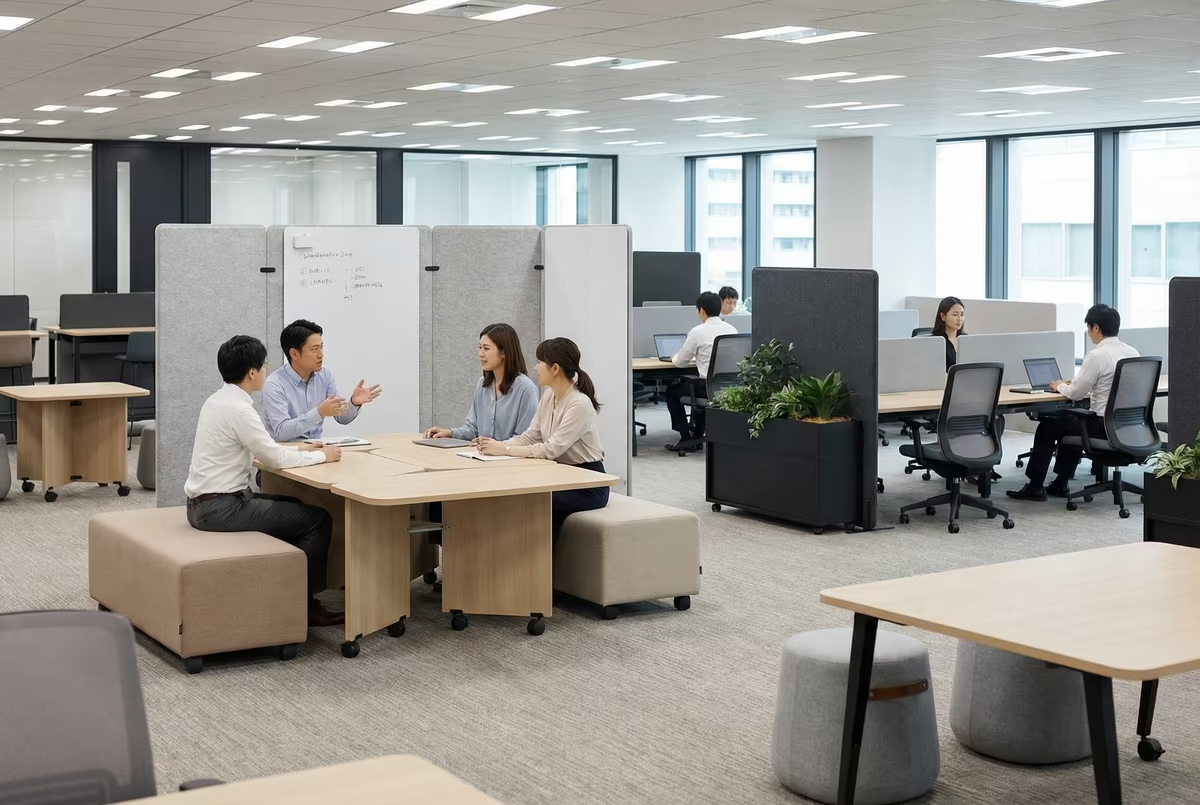
Optimising for flexibility and collaboration means designing office layouts that can adapt quickly as team structures and attendance patterns shift.
Actionable tactics:
- Adopt activity-based zones: combine open space collaboration areas, focus rooms, quiet spaces, and informal meeting spaces so people can choose the environment that matches the task.
- Use flexible seating: hot desking and desk hoteling reduce wasted space and allow hybrid teams to use available space efficiently while still feeling supported.
- Design multipurpose meeting rooms: use reconfigurable furniture and movable walls to turn meeting rooms into training, project, or breakout spaces as needed.
- Add on-demand privacy: integrate acoustic booths and small meeting pods between collaboration areas to provide private spaces without building new walls.
For more on moving from open-plan to flexible, choice-based layouts, see our guide on collaborative workspaces from open plan to open choice.
Prioritising well-being and comfort
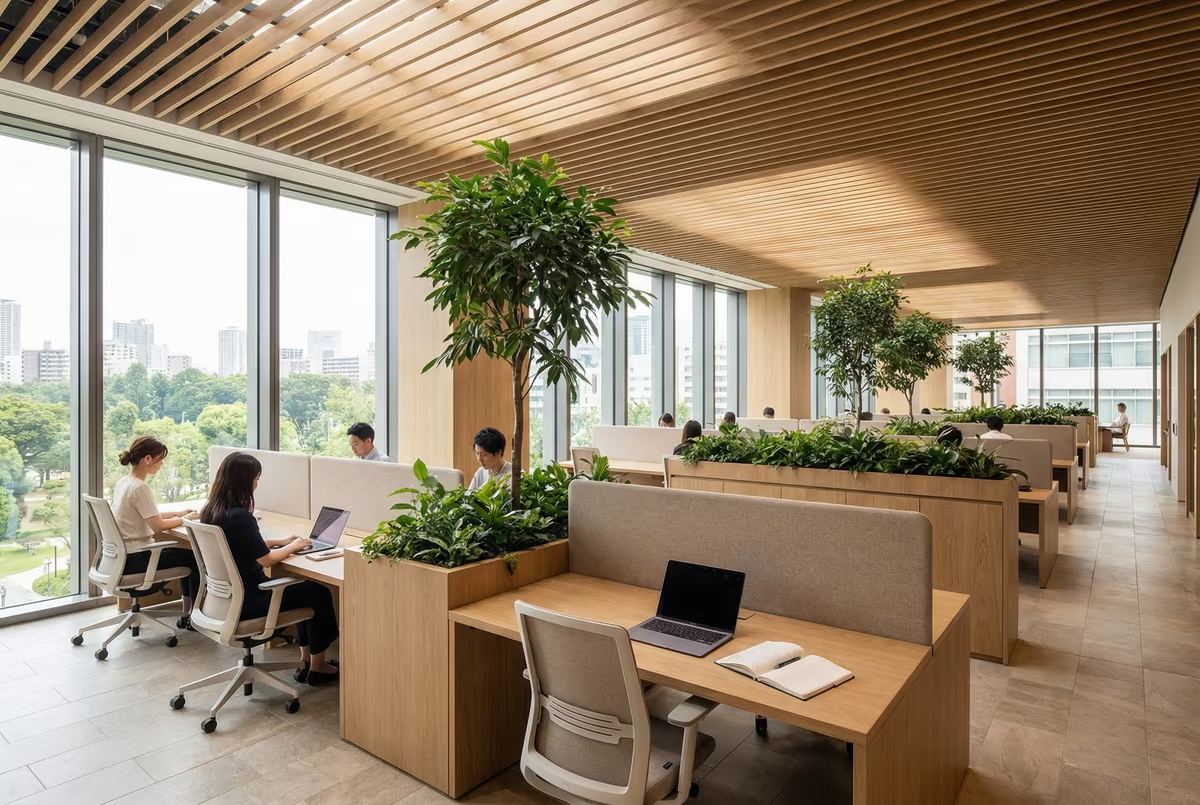
Prioritising well-being and comfort is essential because office design directly affects stress levels, emotional health, and employee productivity. Research links flexible office design and better space management to lower absenteeism and improved workplace wellbeing.
Focus on:
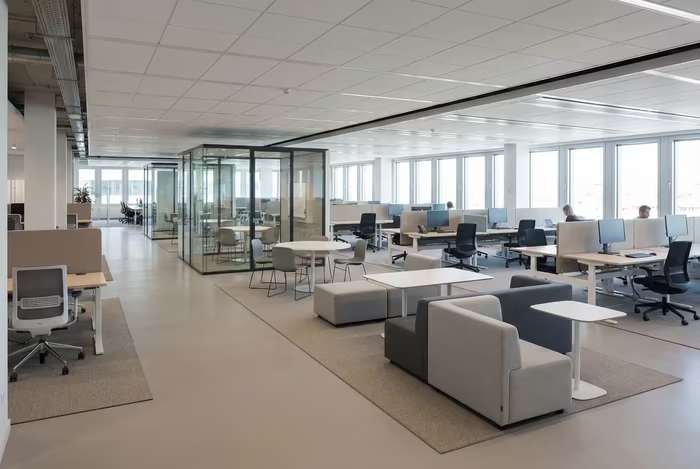
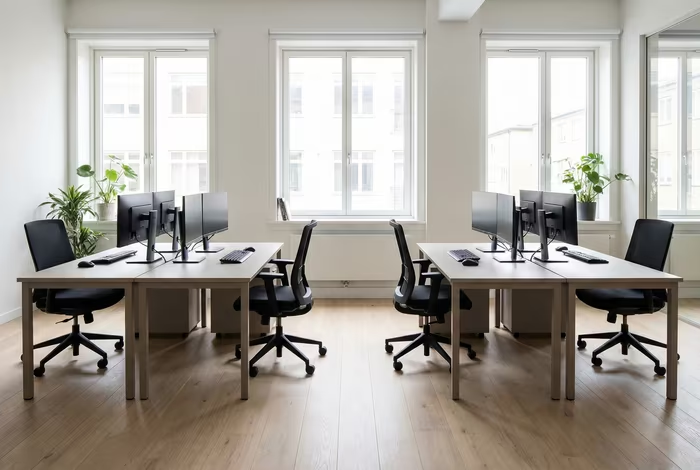
- Natural light and biophilia: position workstations near windows, use glass partitions, and bring in plants and natural materials to boost mood and perceived wellbeing.
- Ergonomic furniture: adjustable desks, task chairs with proper lumbar support, and monitor arms protect employee health and help sustain focus over the day.
- Acoustic comfort: treat office noise as a health and performance risk, using a mix of sound-absorbing materials, zoning, and acoustic booths to reduce distractions.
- Wellness-supporting amenities: provide break rooms, quiet zones, and access to outdoor or recovery spaces to support both mental health and energy management.
To explore noise reduction strategies in detail, review our article on practical solutions for reducing noise in the open office.
Leveraging technology for smart space management
Leveraging technology for smart space management lets you move from guesswork to continuous, data-driven improvement. For modern businesses, effective space planning depends on understanding how many employees use each area, which meeting rooms are overbooked or underused, and where there is consistent wasted space.
Key tools to consider:
- Desk and meeting room booking systems: help manage hybrid employees, reduce conflicts, and give facility managers visibility into desk and meeting room bookings versus actual use.
- Occupancy sensors and IoT: measure high traffic areas, quiet zones, and no-show patterns in real time to support better space management and energy efficiency.
- Analytics dashboards: track metrics like office utilisation rate, booking-to-occupancy ratio, and average meeting room usage to inform office space planning guidelines and future fit-outs.
A recent analysis of hybrid meeting spaces found that booking-to-occupancy ratios dropped from 0.85 in 2023 to 0.71 in 2025, meaning nearly 30% of booked rooms go unused without intervention.
Designing for hybrid and open-plan offices
Designing for hybrid and open offices means balancing visibility and collaboration with the privacy and quiet spaces people need to focus. Hybrid work has increased the importance of collaboration spaces that support both physical and virtual participants, while also highlighting the need for dedicated spaces where employees can escape open-plan noise.
Best practices:
- Mix open plan with enclosed zones: combine open floor plans for teamwork with private offices, focus pods, and dedicated spaces for confidential work or calls.
- Right-size meeting rooms: use meeting room bookings and occupancy data to align room sizes with typical group sizes so that large rooms are not used by two people while small rooms are overbooked.
- Design for hybrid meetings: equip rooms with high-quality video, audio, and screens so that remote and in-office teams can collaborate effectively.
- Protect individual focus: add acoustic booths and quiet spaces near but not inside the loudest collaboration areas to support employees who need deep concentration.
Our article on soundproof booths in the open office explains how office pods complement open-plan layouts.
How PersyBooths improve modern office spaces
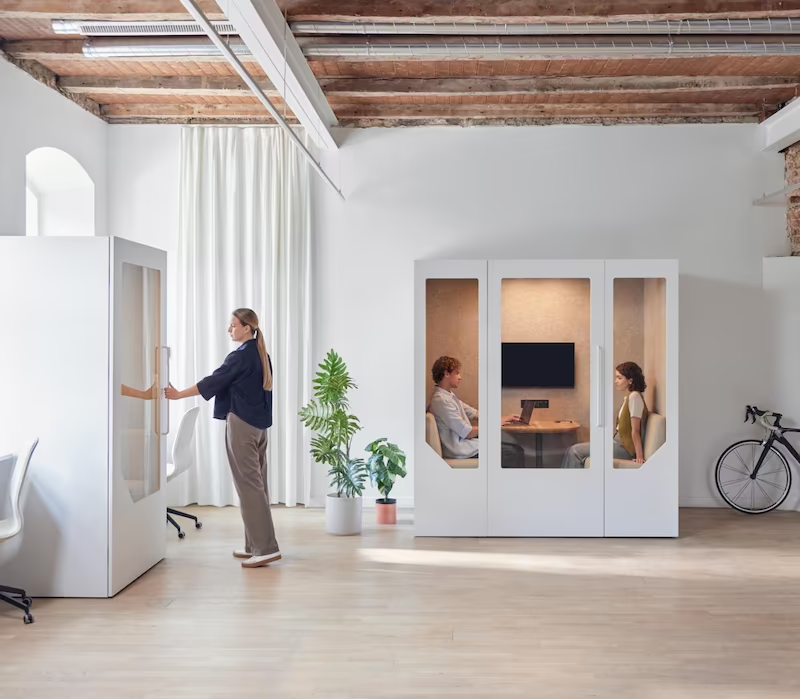
We designed PersyBooths to give you an easy, scalable way to add acoustic privacy, focus spaces, and flexible meeting rooms to almost any office layout. In well planned office layouts, our office pods become strategic tools that reduce distractions, increase space utilisation, and support employee satisfaction without major construction.
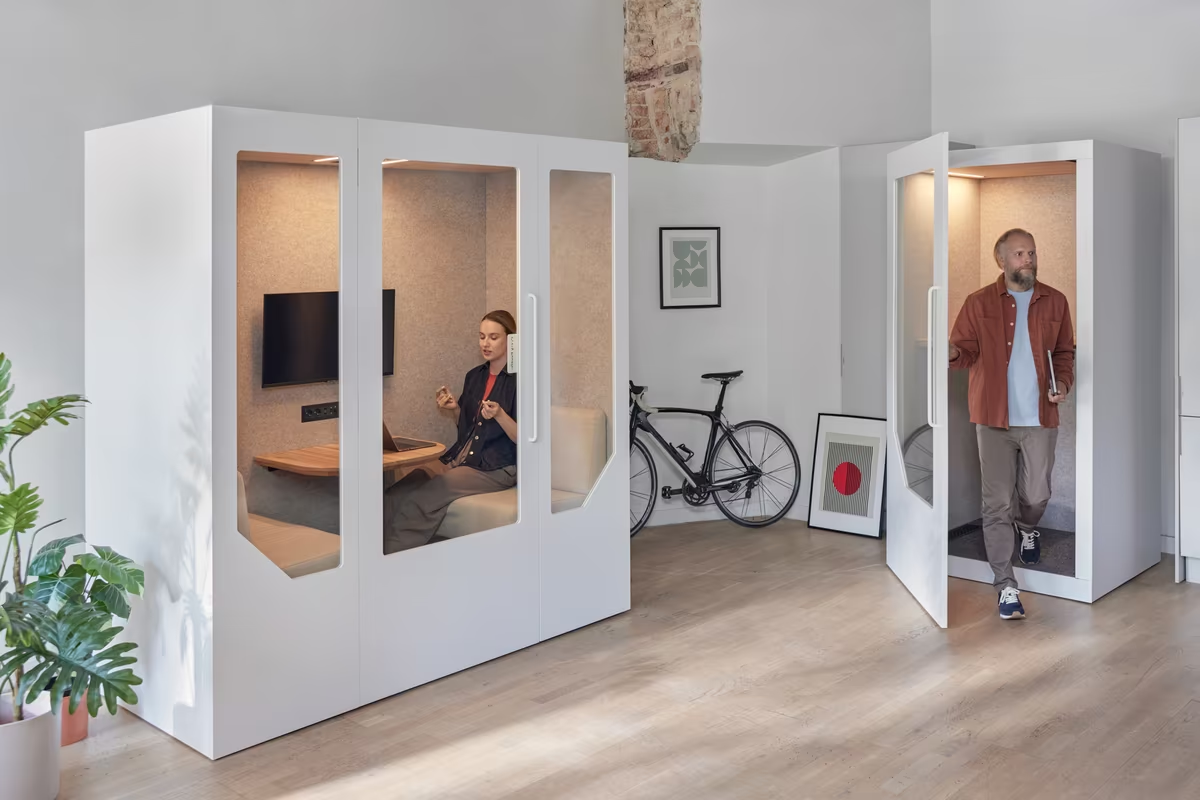
PersyBooths in open and hybrid offices
PersyBooths fit particularly well into open space environments and hybrid offices where teams need both collaboration spaces and quiet zones.
Use cases:
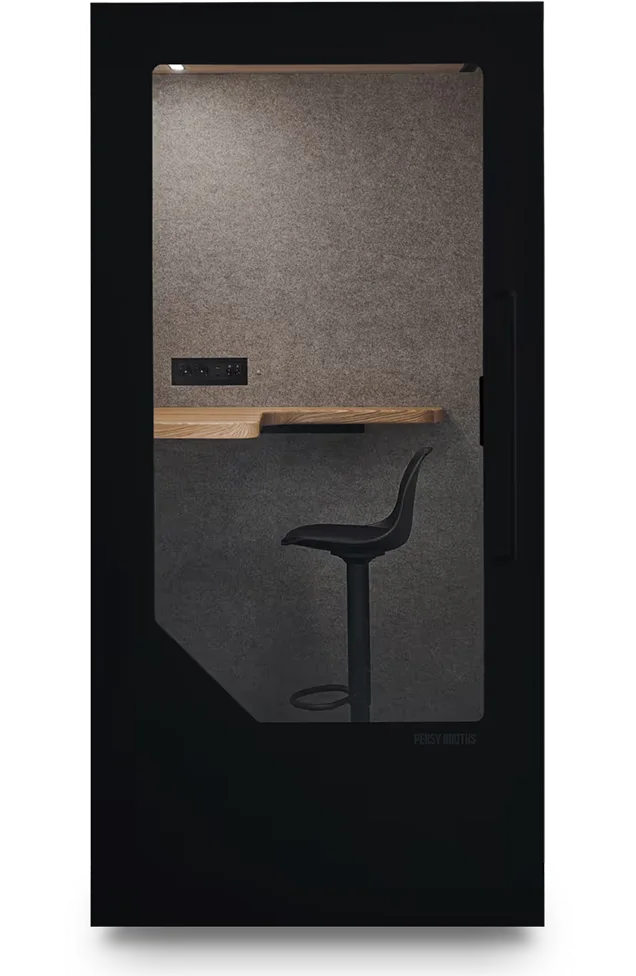
- Focus and phone pods: single-person and two-person booths like Persy One create private spaces for calls, deep work, and 1:1s, reducing noise and interruptions across the floor.
- Small meeting pods: larger models like Persy Work or Persy Four support hybrid meetings, stand-ups, and brainstorming sessions without occupying fixed meeting rooms.
- Retrofit of existing space: booths help office managers reclaim underused corners or circulation zones, turning them into high-value collaboration areas or quiet spaces.
One of our client stories shows how SumUp used PersyBooths to beat open space distractions and increase productive time in a busy, open-plan office environment.
Example: integrating booths into a layout
Below is a simple illustrative floor plan snippet showing how you might embed Persy Two into a hybrid office layout:
This type of layout uses office pods as a flexible layer between open-plan collaboration areas and more formal meeting rooms, improving space usage across the office.
Step-by-step guide to planning your office space
We recommend approaching office space planning as a repeatable framework that facilities management, HR, and leadership can revisit annually. The steps below help you connect space planning to employee productivity, wellbeing, and cost control.
Step 1: Analyse current usage and business needs
We begin by clarifying what the office needs to achieve in the next 3–5 years.
Checklist:
- How many employees use the office now, and how many will use it in future (including hybrid teams)?
- What percentage of time should be dedicated to focused work, collaboration, client meetings, and social interaction?
- Which areas currently feel overcrowded or underused, and where are the biggest complaints (noise, lack of meeting rooms, lack of quiet spaces)?
Step 2: Map and classify your existing space
We then map your existing space and label each area by function and occupancy level.
Actions:
- Draw or update floor plans, showing desks, meeting rooms, break rooms, storage, high traffic areas, and circulation paths.
- Identify physical spaces that could be repurposed for collaboration spaces, quiet zones, or new meeting spaces.
- Note all building constraints, compliance risks, and technical limits (e.g., HVAC coverage, power access) that will influence the office space planning process.
Step 3: Collect employee feedback and preferences
We always combine quantitative data with employee feedback so that space planning supports real work styles and employee preferences.
Do this by:
- Short pulse surveys: assess perceptions of noise, privacy, comfort, and access to meeting rooms and quiet zones.
- Workshops with teams: explore how different groups use physical spaces and what they need from collaboration areas and private offices.
- Feedback loops: create a simple mechanism (e.g., quarterly surveys or digital suggestion boxes) to continuously refine layouts based on employee needs.
Step 4: Design the layout and zone types
We then translate insight into a well planned office layout that supports diverse work styles and makes space usage more efficient.
Key design moves:
- Allocate space proportionally: use utilisation data to determine how much square footage should go to open plan desks, meeting rooms, collaboration spaces, private spaces, and support areas.
- Layer privacy: locate quiet spaces and focus pods slightly away from high traffic areas, while keeping collaboration spaces easily visible and accessible.
- Integrate storage solutions: minimise filing cabinets and hard-copy storage where possible to free space for higher-value work areas.
For a deeper dive into layout types and practical design decisions, see our article on how to design an office space: layouts, tips, and best practices.
Step 5: Plan technology and smart tools
We align technology with the new layout so that office managers and facility managers can manage space efficiently.
Consider:
- Desk and meeting room booking: implement a platform that syncs with calendars and shows live availability on floor plans.
- Occupancy sensors: place sensors in meeting spaces and open-plan desks to monitor occupancy trends and adjust layouts or policies.
- Energy management: link lighting and HVAC to occupancy where possible to support energy efficiency and sustainability goals.
Step 6: Prototype, pilot, and refine
We recommend piloting new layouts on one floor or team before rolling them out across all commercial properties.
Steps:
- Test zones: set up an activity-based area with a mix of open plan desks, collaboration spaces, PersyBooths, and quiet zones and track space utilisation and employee satisfaction over several months.
- Compare metrics: measure changes in booking-to-occupancy ratios, office utilisation rate, perceived productivity, and wellbeing.
- Iterate: adjust floor plans, desk allocation, and the number of booths or meeting spaces based on data and employee feedback.
Example office space planning table
The table below shows a simplified example of how to translate goals into concrete space planning decisions.
FAQ
How do we assess our current office space needs?
What are the best practices for hybrid office layouts?
How can acoustic booths improve productivity?
What technology should we use for space management?
How do we ensure our office design supports employee well-being?
How often should office space plans be reviewed or updated?
What makes PersyBooths different from other office booths?
Compare Our Private Workspaces
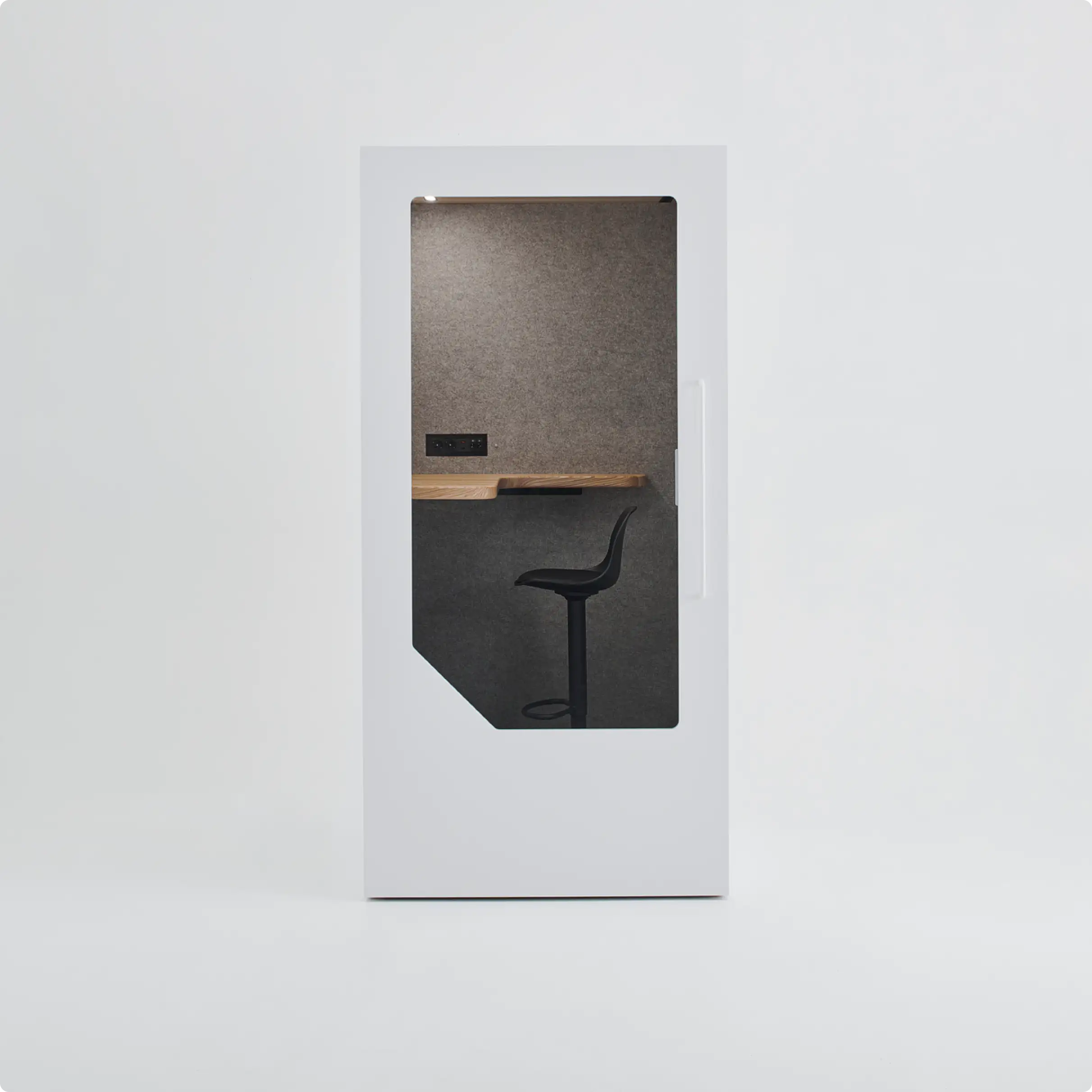
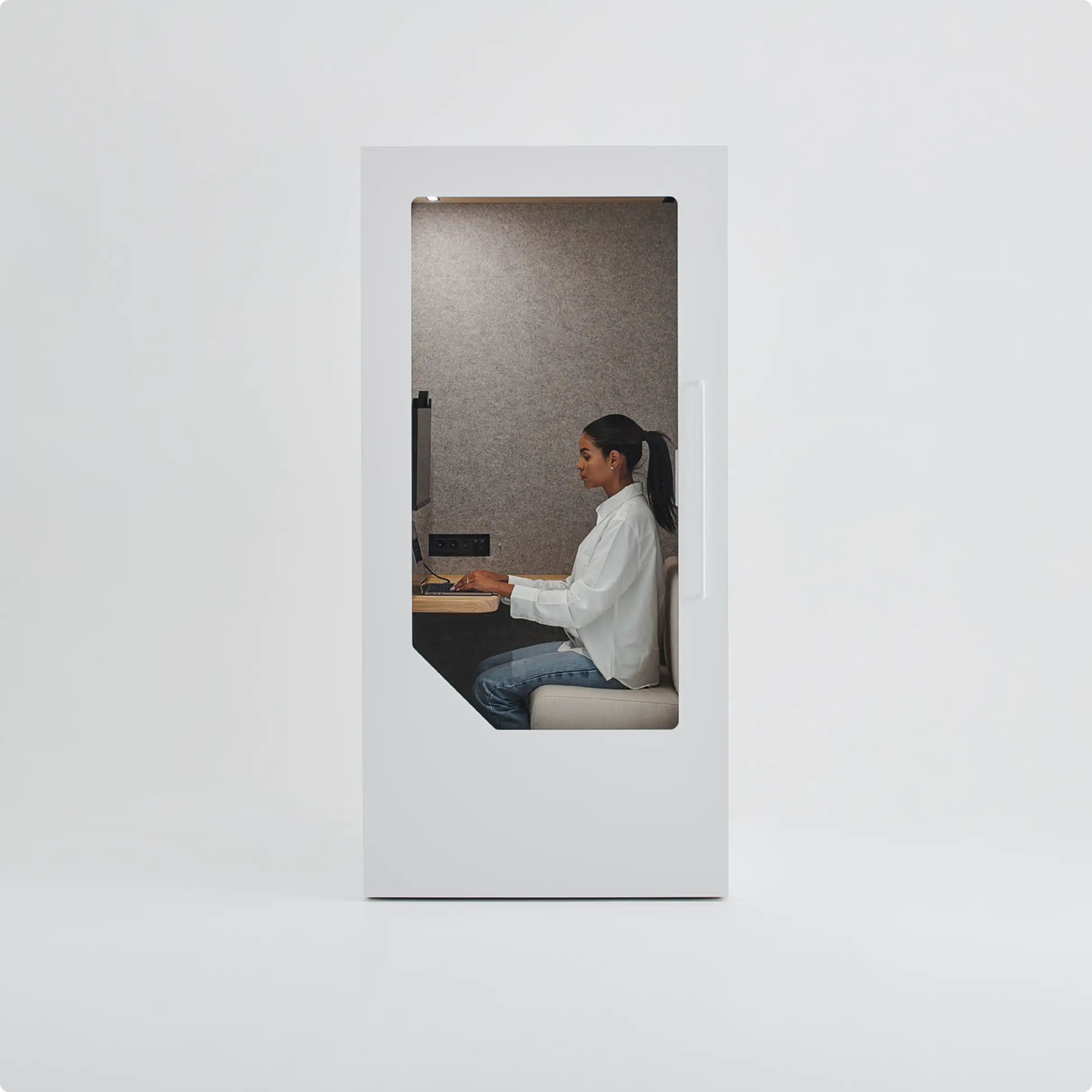

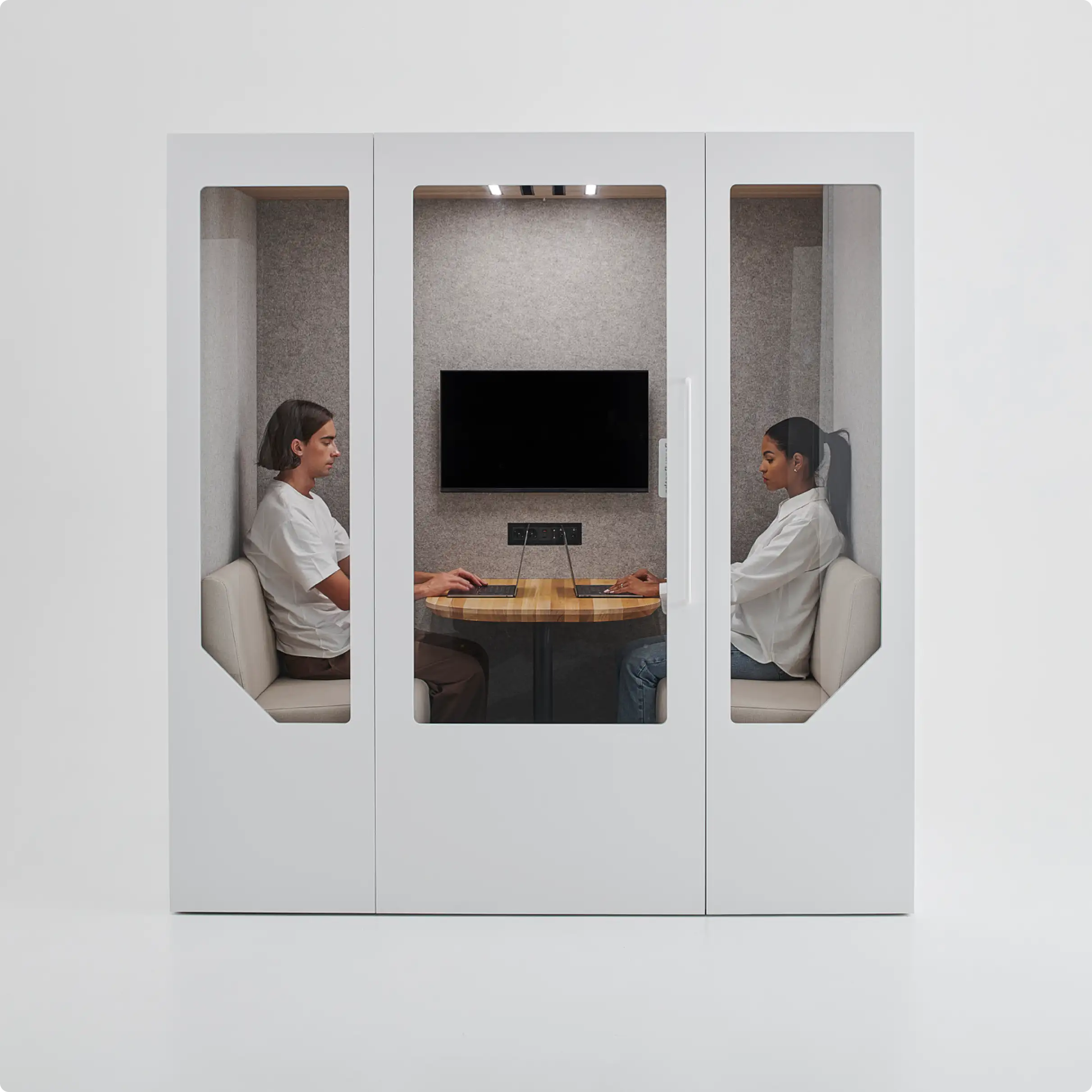
Persy Four
- Exterior
215 cm x 133 cm x 225 cm
- Interior
200 cm x 122 cm x 205 cm
- Soundproofing
-25.6dB according to ISO 23351:1:2020, all the way up to -38.3dB
- Ventilation
Adjustable 8 ultra-quiet fans, max airflow of 810m3/h, air refreshed inside every 31 seconds
Persy Four
- Exterior
215 cm x 133 cm x 225 cm
- Interior
200 cm x 122 cm x 205 cm
- Soundproofing
-25.6dB according to ISO 23351:1:2020, all the way up to -38.3dB
- Ventilation
Adjustable 8 ultra-quiet fans, max airflow of 810m3/h, air refreshed inside every 31 seconds
Learn More About Office Design Concepts
A guide to modern, flexible, and human-centered office spaces.

Why Our Private Workspaces Are the Smarter Choice
Watch how Persy Booths deliver privacy and focus – reducing distractions, improving airflow, and blending seamlessly into any office.
- Sold directlyCompetitive pricing, no middleman costs.
- Money-back guarantee30 days risk-free purchase.
- ISO certifiedTested soundproofing up to 28 dB.
- Fast deliveryShips in weeks, installs within hours.
- Trusted by thousandsThousands sold, near-zero returns.
- 3-year warrantyLong-lasting quality, guaranteed.
Design a workplace that actually works