.svg)

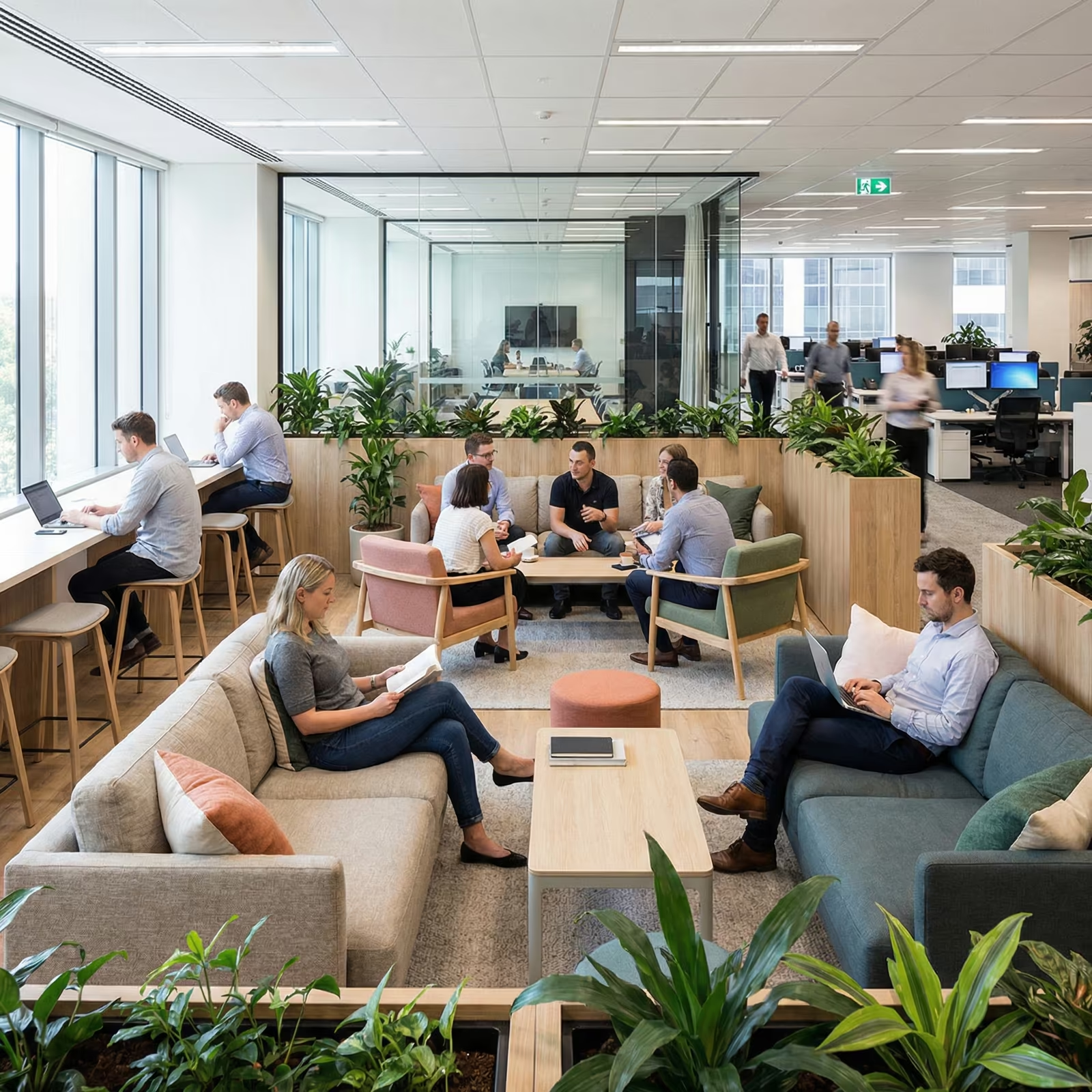
Sometimes you just have to get away from the pressure. That's what breakout areas are for and with the increasing noise and demands of the modern workplace, it's no wonder they've become one of the most requested features in contemporary office design.
To give it a formal definition, a breakout area is a dedicated part of the office designed for informal, flexible use. Unlike rows of desks or enclosed meeting rooms, a breakout space offers employees somewhere to step away from their main workspace, relax, talk, and think differently.
A well designed breakout area supports productivity, employee wellbeing and creativity. When planned properly, it can transform the overall workplace environment and reflect the culture of the business.
{{key-takeaways}}
Breakout Area Meaning and Purpose in the Office
The term “office breakout area” simply refers to a shared space where employees can take a break from desks and spend time in a more relaxed setting. A "breakout room" is similar in meaning, although it can also refer to a semi-enclosed room used for small, informal meetings or quick catch-ups.
In everyday language, a breakout space is somewhere you can sit, speak freely, and work in a different way. It is usually easily accessible from the main workspace and does not require booking. The purpose is flexibility. People can use it for relaxation, short meetings, collaboration or quiet thinking.
In open plan offices, where large teams share the same office space, breakout areas provide much-needed variety. They give employees choice about where and how they work during the day, which is key to maintaining focus and motivation.

What Is a Breakout Area or Breakout Room?
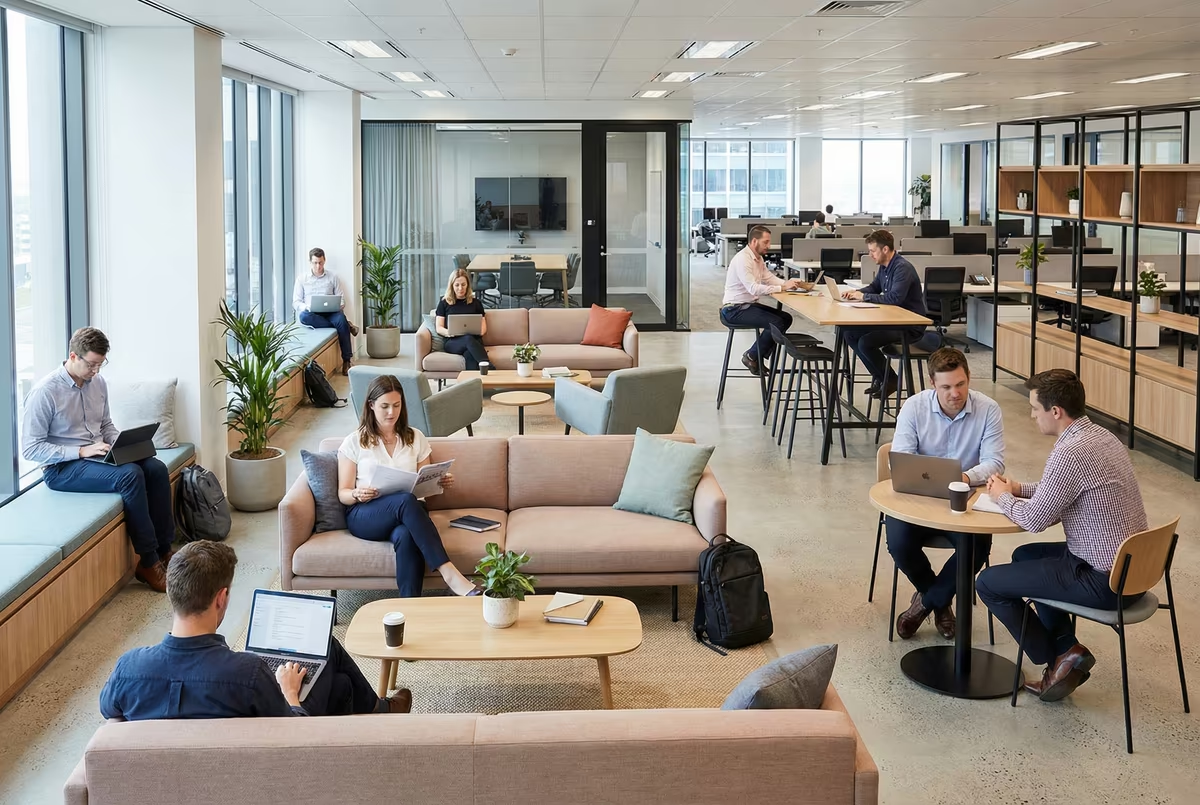
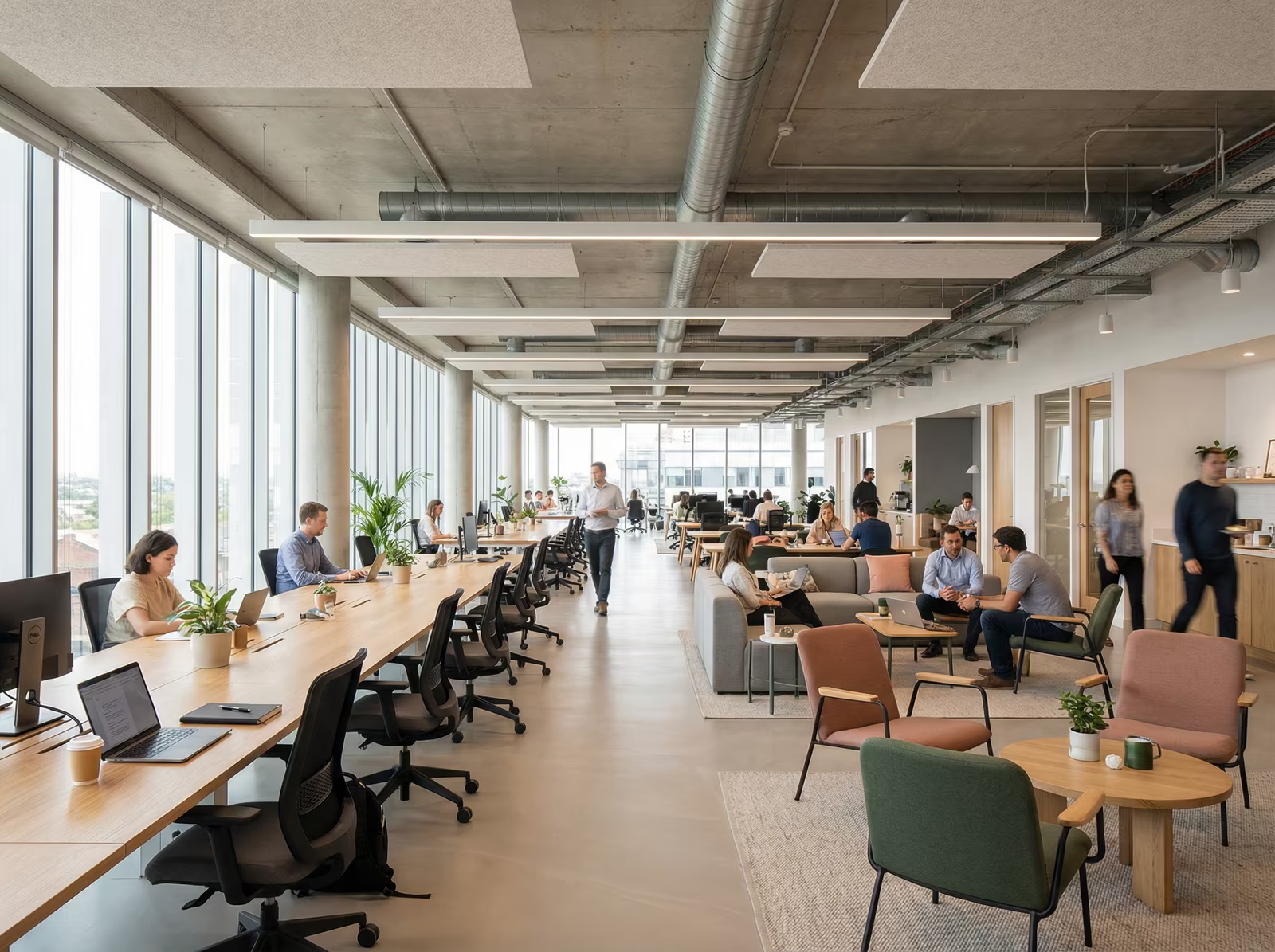
Unlike traditional meeting rooms, which often feature a boardroom table, screens and structured seating, breakout areas tend to include soft seating, sofas, chairs and sometimes high tables or benches. The atmosphere is more inviting and flexible.
"The key difference is intent. Meeting rooms are structured and booked in advance. A breakout area is suitable for spontaneous use, it encourages creativity and conversation without formality.”

Key Uses: Relaxation, Informal Meetings and Idea Generation
Office breakout areas serve multiple practical functions. They support relaxation, a short break away from desks helps employees reset and return to focused work feeling refreshed. They're ideal for informal meetings without the overhead of booking a room. And they encourage idea generation: the change of scene and relaxed environment consistently improves creative thinking.
{{stats-1}}
Benefits of Office Breakout Areas for Employees and Teams
The importance of office breakout areas goes beyond aesthetics. They contribute directly to a healthier and more productive workplace, supporting employee wellbeing, strengthening team relationships and improving engagement.
Wellbeing, Healthy Work and Reduced Stress
Breakout areas provide a valuable change of scene. Stepping away from screens and the main workspace gives employees permission to take a break and relax. This small shift can have a meaningful impact on mental health. When people feel comfortable in their office environment, they are more likely to feel supported and stress-free.
{{fact-1}}

Collaboration, Informal Learning and Employee Engagement
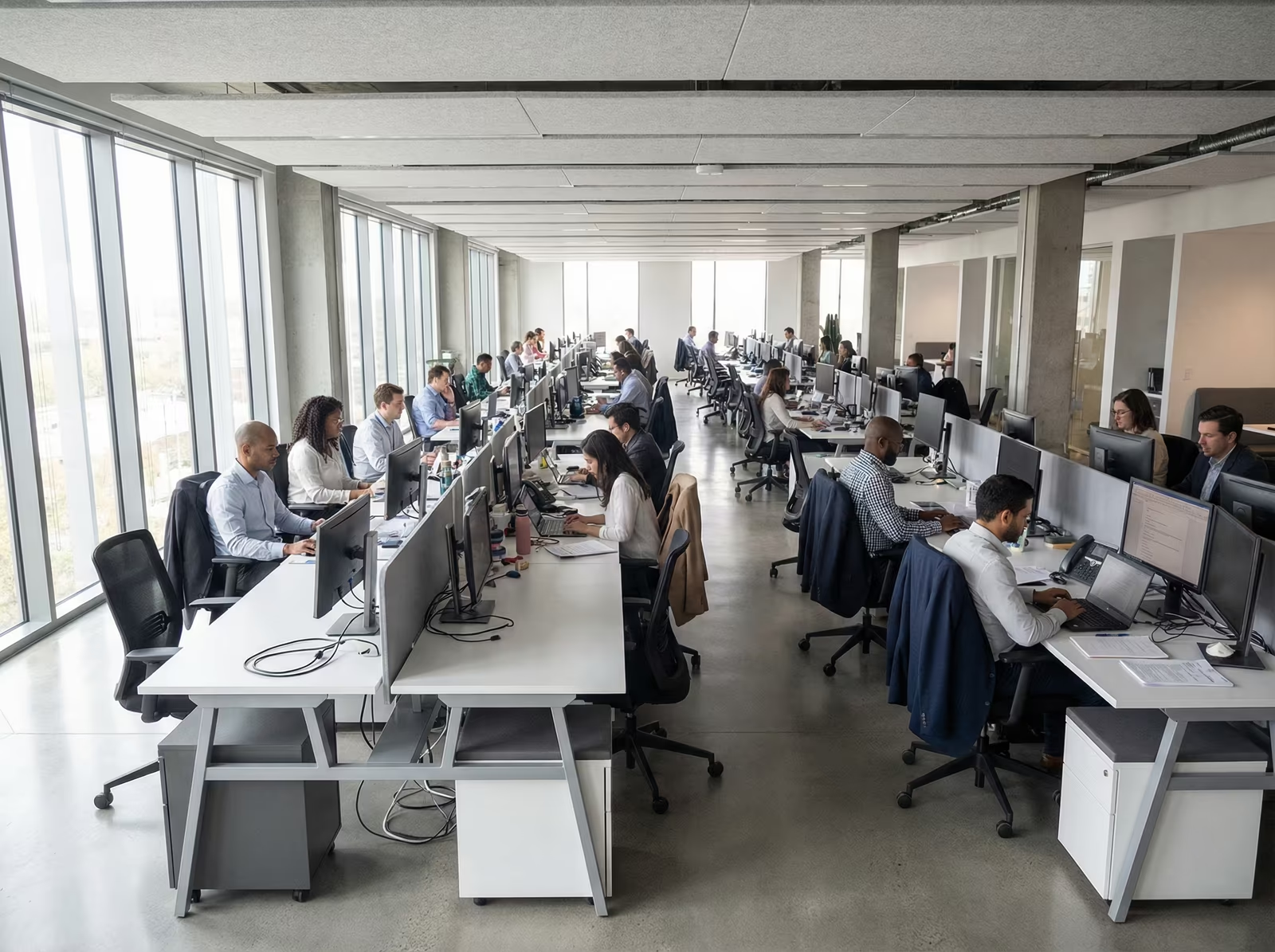
In open office layouts, employees may hesitate to speak freely at desks due to office distractions or concerns about disturbing others. A breakout area offers a more suitable space to talk, share ideas and build relationships. Informal learning often happens in these settings, team members exchange insights, solve problems together and develop new ideas in a relaxed environment.
{{fact-2}}
Designing Effective Breakout Spaces in Offices
Creating an effective breakout area requires careful planning. The layout, furniture, lighting and acoustics must all suit how people actually use the space. The goal is a versatile area that complements the main workspace without disrupting focused work nearby.
Layout, Soft Seating and Modular Furniture
Position the breakout space so it is easily accessible but clearly separated from desks. This visual and physical distinction helps employees switch modes. Soft seating is essential - sofas, chairs and comfortable options encourage people to sit back and unwind. Modular furniture is particularly useful as it allows teams to reconfigure the space depending on the task.
Zoning for Quiet Time, Social Space and Games Rooms
In larger offices, it's helpful to create distinct zones within office breakout areas — one for quiet time with comfortable seating and minimal distractions, another as a social space with high tables to encourage conversation, and a third as a games room for team bonding.
Breakout Areas, Office Acoustics and Noise Management
In open plan offices, breakout areas must be carefully integrated into the wider environment. Without proper planning, conversations and games can raise the overall office noise level and disrupt focused work. Understanding the acoustics of your office layout is crucial when designing breakout areas that suit different team needs.
To maintain balance, consider the location of the breakout area relative to desks and quiet zones. Position it away from the most focus-intensive parts of the office. Use materials that absorb sound, upholstered furniture, wood finishes and soft surfaces all help manage noise levels.
{{summary}}
.svg)
- A breakout area is a flexible space for relaxation, informal meetings and collaboration separate from desks and formal meeting rooms.
- Well planned breakout spaces support employee wellbeing, mental health and productivity through comfortable seating, natural light and a change of scene.
- Good design matters: layout, soft seating, modular furniture, lighting and acoustics all play a key role.
- In open plan offices, breakout areas should be supported by acoustic solutions such as office pods to protect focused work.
- When thoughtfully integrated, breakout areas help create a more inviting, productive and balanced work environment.
%20(1).svg)
A well designed breakout area is one of the most effective investments a business can make in its workplace. When thoughtfully integrated alongside acoustic solutions for focused work, it helps teams move naturally between collaboration, relaxation and deep concentration, creating a workplace environment that genuinely supports the full range of how people work.
.svg)