


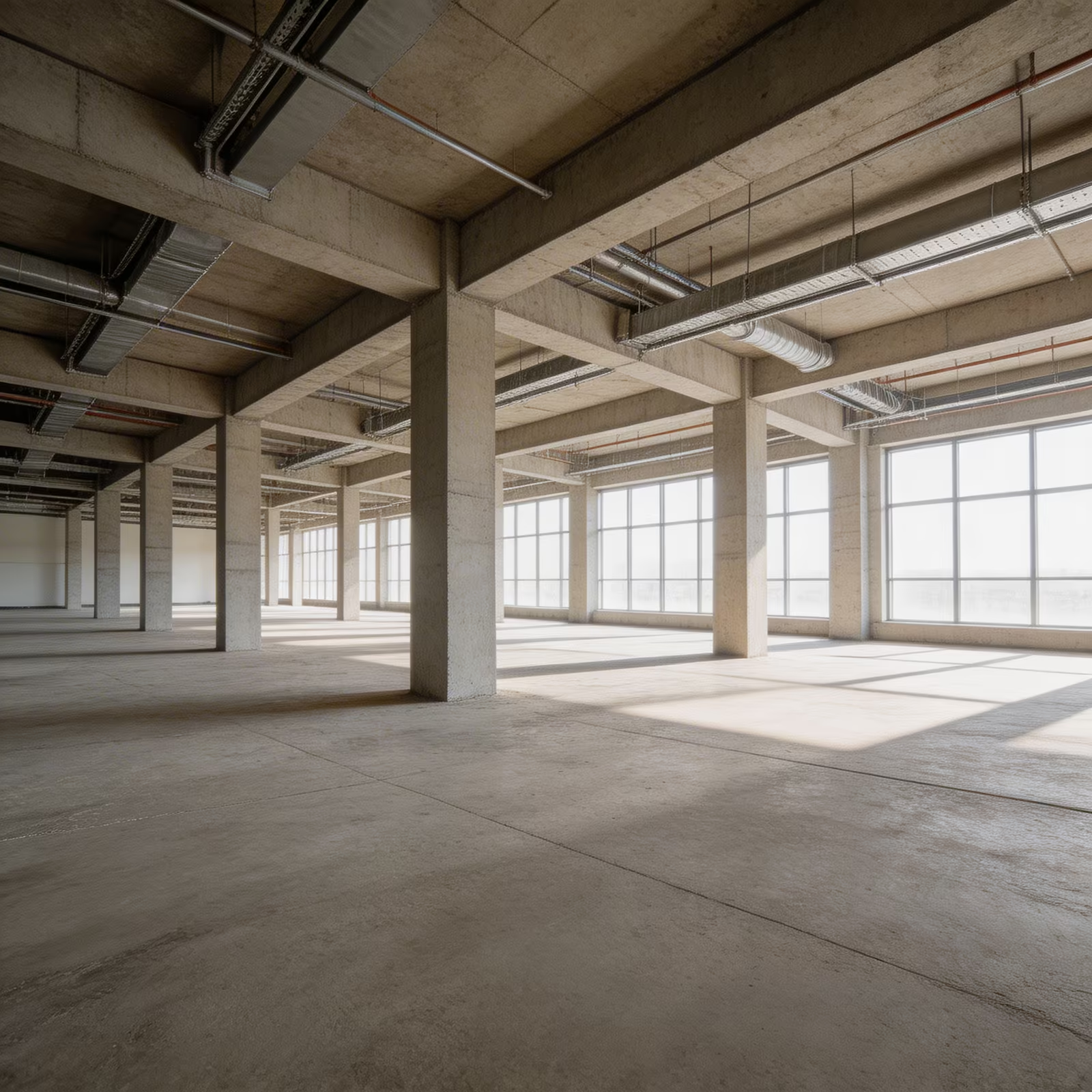
Shell and core describes a stage in the construction process where a building is structurally complete and weatherproof but not yet fitted out internally. At this point, the basic structure, external envelope and essential core services are in place, but interior spaces remain unfinished. You've got your shell, you've got your core. But everything that most employees expect to see in an office – from carpets and desks to lighting and seating – is yet to arrive. This stage matters because it sets the foundation for future office fit outs, influencing flexibility, costs and how easily a workplace can be customised for business use.
Here at Persy Booths, we're interested in talking about shell and core because it illustrates how important it is to plan the interior of every office with care. Sometimes that means starting with just the shell and core – and we talk to many customers about how to best organise what comes next, helping them create the perfect workspace for their needs within that initial "shell". So a good start is to understand what shell and core means...
Key takeaways
This article explains several important realities about shell and core construction and workplace planning:
- Shell and core provides the structural and technical foundation of a building, but interior spaces remain unfinished and unusable until later fit out stages.
- Understanding the difference between shell and core and cat a and cat b fit out prevents costly planning mistakes and clarifies responsibility between landlords and tenants.
- Shell and core offers flexibility and customisation but requires careful coordination, budgeting and technical planning.
- Planning interior spaces from a shell and core starting point allows businesses to create modern, adaptable workplaces aligned with evolving workstyles.
- Tenants with specialist or branded requirements benefit most from shell and core because it provides a blank canvas for tailored design.
Shell and Core Meaning and Base Build Scope
The shell and core meaning is straightforward – it refers to the base building delivered by a developer before any interior fit out begins. At this stage, the building is structurally sound, enclosed and protected from weather, with key core services installed, but interior spaces are not yet suitable for occupancy.
Developers typically deliver a complete base building including structural elements, external walls and primary mechanical systems. This ensures the property is technically functional while allowing future tenants to customise interior spaces according to their specific needs.
What Shell and Core Typically Includes
Shell and core construction usually includes the main structural and technical framework of the building. These elements ensure safety, compliance and long-term performance:
- Structural frame and floors forming the building structure
- External walls, façade and roof protecting interior space
- Lift shafts and elevator shafts within the core space
- Core services such as fire detection systems and mechanical systems
- Raised floors and suspended ceilings in some base building configurations
- Shared areas such as lobbies, circulation zones and common areas
- Primary plant, ventilation and essential systems
These components make the building weatherproof and structurally complete, but interior spaces remain unfinished and require further development.
What Shell and Core Does Not Include
At shell and core stage, many elements required for a fully functional workplace are missing. These must be added later during the fit out process:
- Internal partition walls and interior design features
- Final lighting, flooring and decorative finishes
- Furniture, meeting rooms and workplace layout
- Detailed mechanical, electrical and ventilation distribution
- Final installation of services within tenant areas
This distinction is important because it defines where landlord responsibility ends and tenant responsibility begins.
Shell and Core vs Cat A and Cat B Fit Out
Shell and core construction represents the first stage in the wider office lifecycle. It precedes Cat A and Cat B fit outs, which progressively transform the space into a usable workplace.
Understanding this sequence helps prevent confusion during lease negotiations and project planning.
From Shell and Core to Cat A and Cat B
The progression from shell and core to fully usable office space typically follows three stages:
- Shell and core – structural completion and core services installed
- Cat A – basic interior finishes and essential systems added
- Cat B – customised workplace design and business-specific elements installed
Each stage adds functionality, usability and comfort to the building.

Practical Differences: Base Build vs Fit Out
There are clear practical differences between shell and core, Cat A and Cat B:
- Shell and core – building structure complete but not occupiable
- Cat A – broadly functional office space ready for tenant customisation
- Cat B – fully usable workplace tailored to business needs
Responsibility shifts across these stages, with landlords typically delivering shell and core and tenants managing later fit out works.
Benefits and Drawbacks of Shell and Core for Landlords and Tenants
Shell and core offers both advantages and challenges for property stakeholders. Developers and landlords use this approach to create flexible spaces, while tenants gain greater control over workplace design.
Flexibility, Customisation and Technical Control
Shell and core gives tenants a blank canvas to design interior spaces according to operational needs. It enables tenants to:
- Create tailored workplace design aligned with brand and culture
- Develop specialist layouts and technical infrastructure
- Align interior design with business workflows and future growth
- Customise core fit outs and distribution of services
This flexibility is especially valuable for businesses with unique technical or branding requirements.
Costs, Risks and Coordination Effort
Shell and core can also introduce higher planning effort and project complexity. Tenants must invest in additional construction and fit out work, including mechanical systems, compliance and fire detection systems.
This can increase project costs and introduce coordination risk, particularly during large construction projects. However, careful budgeting and early planning can reduce these challenges.

Planning Interior Spaces from Shell and Core (Zoning, Acoustics and Workstyles)
Starting from shell and core has a major influence on interior space planning. Businesses must consider zoning, collaboration, acoustics and flexibility when transforming a blank canvas into a fully functional workplace. Modern workplace design increasingly focuses on balancing collaboration with concentration, particularly as hybrid working becomes standard.
Zoning Interior Spaces for Hybrid Work from a Shell and Core Start
When designing from shell and core, organisations can structure interior spaces around how people actually work. This typically includes collaboration zones, quiet focus areas and circulation routes that support movement and productivity. Many businesses now move away from rigid layouts toward adaptable, flexible office space models that evolve over time.
Workplace zoning often develops around:
- Collaboration and teamwork areas within a collaborative workspace
- Individual focus zones that reduce interruptions and office distractions
- Adaptable layouts suitable for changing team structures
- Space utilisation supported by tools such as a room occupancy sensor
This approach allows businesses to futureproof their interior spaces while maintaining efficiency and flexibility.
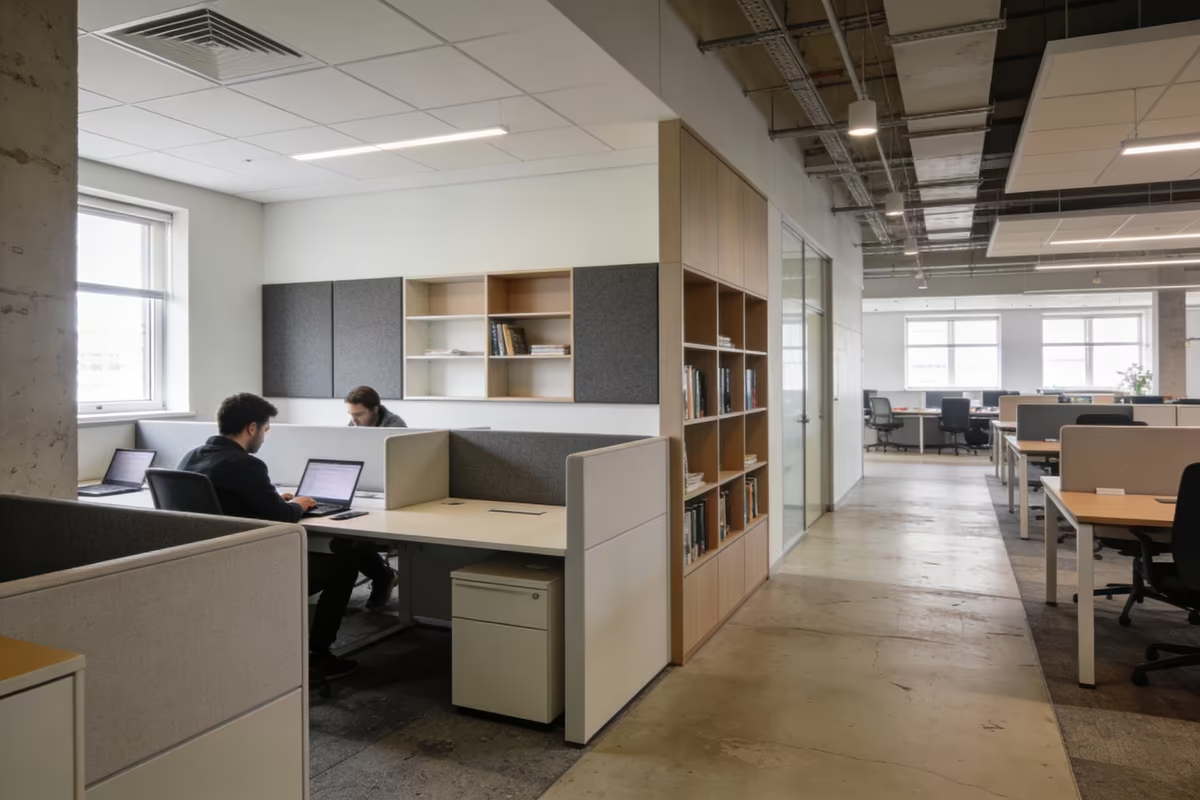
Building in Quiet Areas, Meeting Spaces and Noise Management
Noise is one of the most common workplace challenges when moving from shell and core to a completed office. Poor acoustic planning can affect productivity, wellbeing and collaboration, particularly in an open office environment where controlling the office noise level becomes essential.
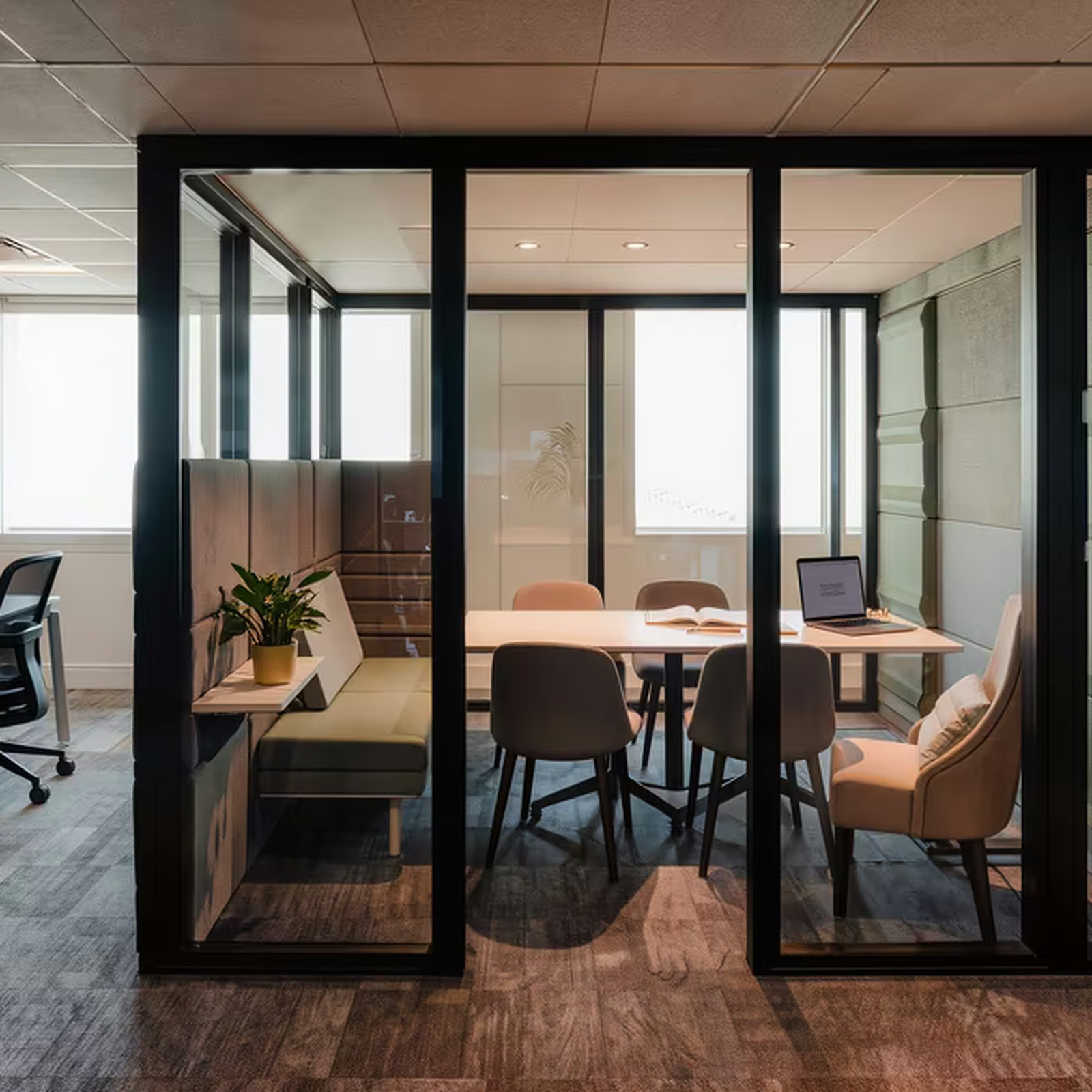
To manage this, many organisations introduce dedicated acoustic zones and modular workspace solutions – commonly known as booths/ office pods – during the fit out process. Because these booths are available in a number of formats, here are some options to consider:
- Installing a soundproof phone booth for private calls and focused work
- Adding a two person phone booth for quick collaboration
- Creating team zones using a team meeting booth
- Providing quiet concentration areas through a work booth
- Incorporating enclosed private office pods for extended focused work
- Using modular portable meeting rooms to add flexible meeting capacity
Alongside physical solutions, organisations often implement additional office noise reduction solutions such as zoning, acoustic materials and even sound masking using a white noise machine.
Planning these elements early in the fit out process ensures interior spaces support both collaboration and concentration without requiring costly structural changes later.

Who Is Shell and Core Construction Best For?
Shell and core construction is suited to specific types of commercial property and occupiers who benefit from flexibility and customisation.
Developers, Landlords and Multi-tenant Buildings
Developers and landlords use shell and core to create flexible base building space that can suit many tenants and future configurations. This approach allows property owners to attract diverse occupiers while maintaining structural consistency. Recent innovative approaches to the shell and core issue include Arup's concept of "flexible base-build".
Tenants with Specialist or Highly Branded Interior Requirements
Shell and core is ideal for tenants who want full control over interior design, services and brand experience. It provides a blank canvas for tailored workplace design, enabling businesses to create spaces aligned with operational and cultural goals – although tenants will be aware that the cost of extensive re-fits are increasing rapidly.
FAQs
.avif)
Passionate, progress-driven venture & business developer with startup and corporate experience. I speak business, while keeping customers in my heart.


.avif)