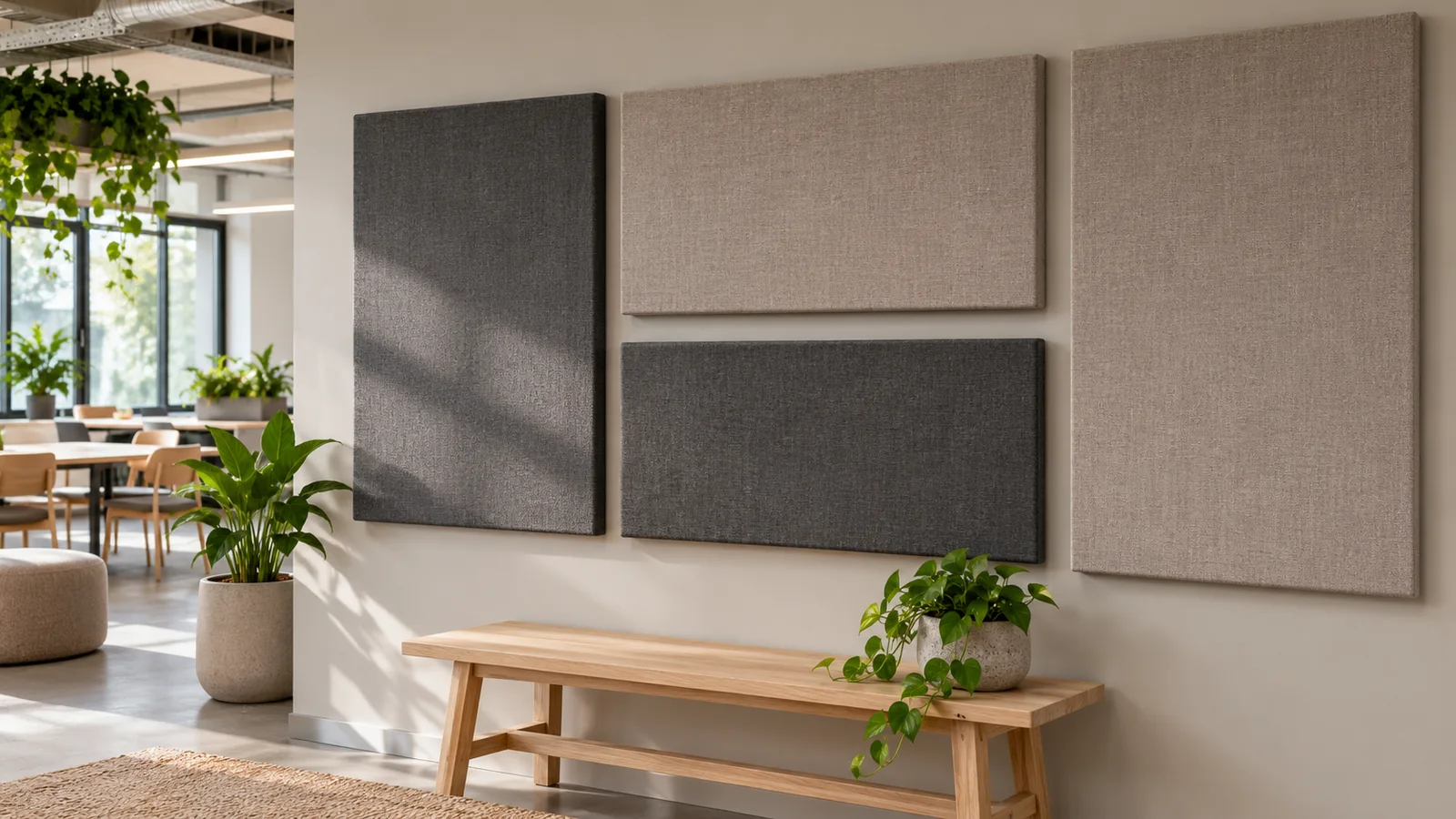
Is the office too loud? Two fixes usually come up first. Stick some acoustic panels on the walls, or bring in an office pod.
Both make a space calmer. They just solve different problems.
We asked Dr Troy Bouman, an acoustics and vibration engineer with a PhD from Michigan Tech who has worked with our design team, to explain the difference.
{{key-takeaways}}
The truth about panels and pods
There are two ways to tame noise. You can soak it up, or you can stop it getting through. Panels do the first. Pods do both.
What acoustic panels do
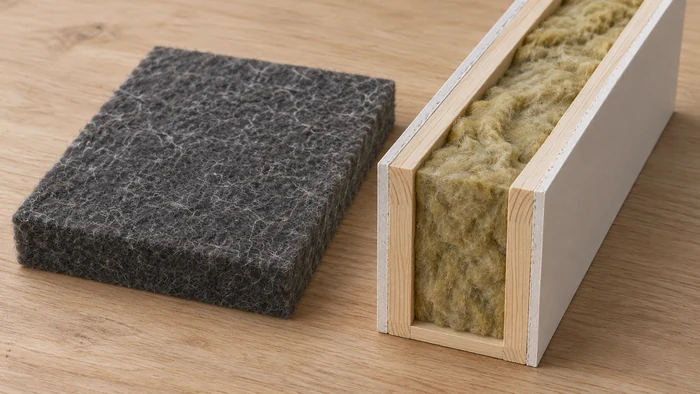
Panels are soft, porous layers, usually foam or felt, that soak up sound when it hits them. Inside, the sound is turned into a tiny bit of heat. Troy puts it plainly. Foam "literally converts the acoustic energy to heat."
That means less echo bouncing around the room. "If you have more foam, obviously, that energy is going to get dissipated quickly," he says.
Thickness matters too. "In order to absorb sound, you have to have thicker material," Troy explains, especially for deeper sounds.
What panels can't do
Here's the surprise. Panels barely stop sound from travelling to the next desk or room.
Troy imagined swapping a solid wall for a sheet of foam. "Because there's no mass there, you wouldn't get any reduction in sound." Blocking sound needs weight, and panels are built to be light and soft.
So a panel can make your call sound less echoey. It won't make it private.
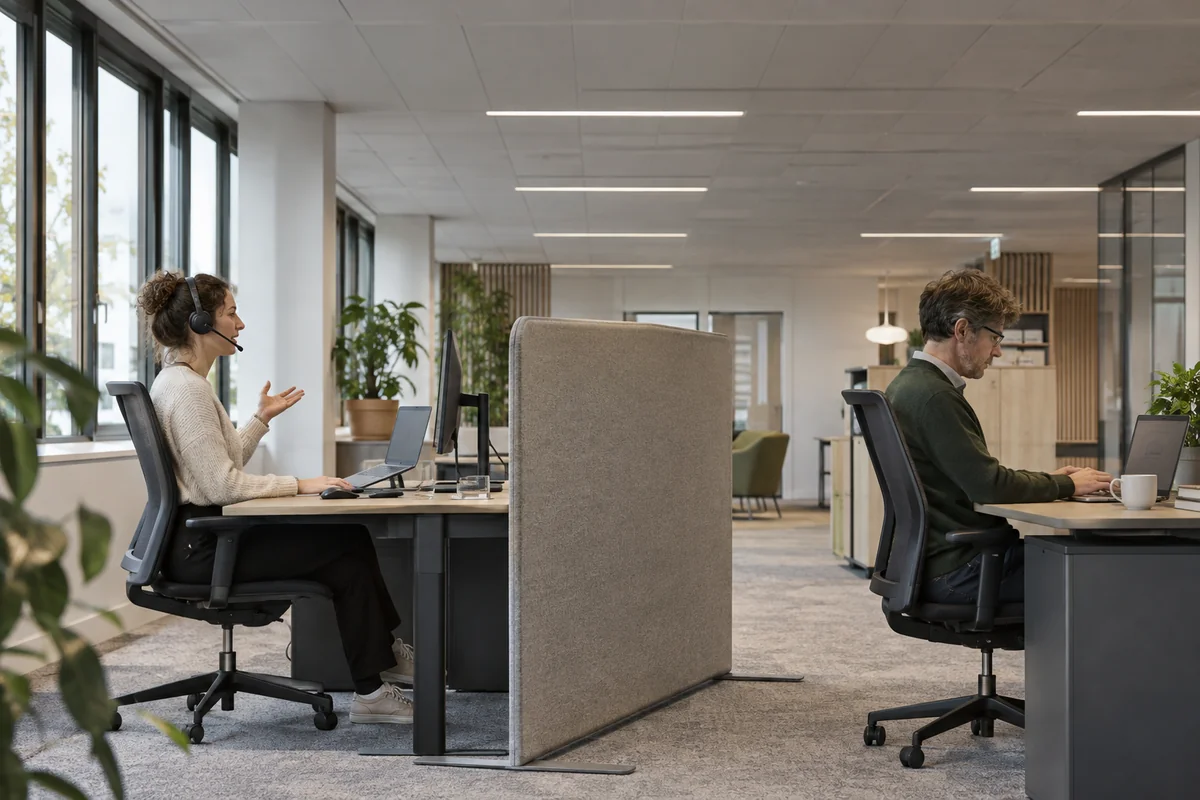
Why half-height screens leak
Screens and partial walls have a similar problem. Sound behaves a bit like water flowing around a rock in a river.
"Let's say if you have someone talking and you put a wall in front of them, like a half-partition wall, the sound can bend over it, too," says Troy.
What office pods do
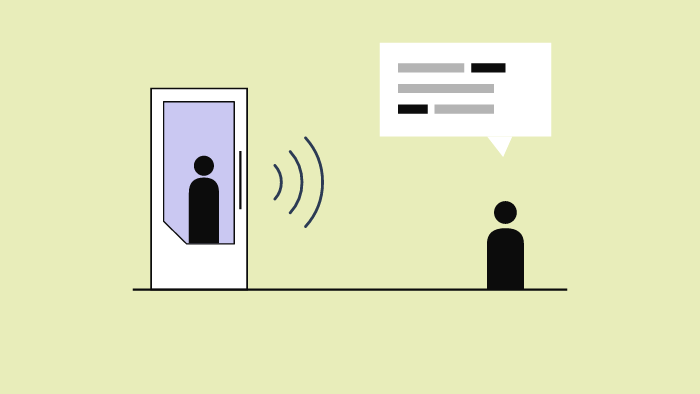
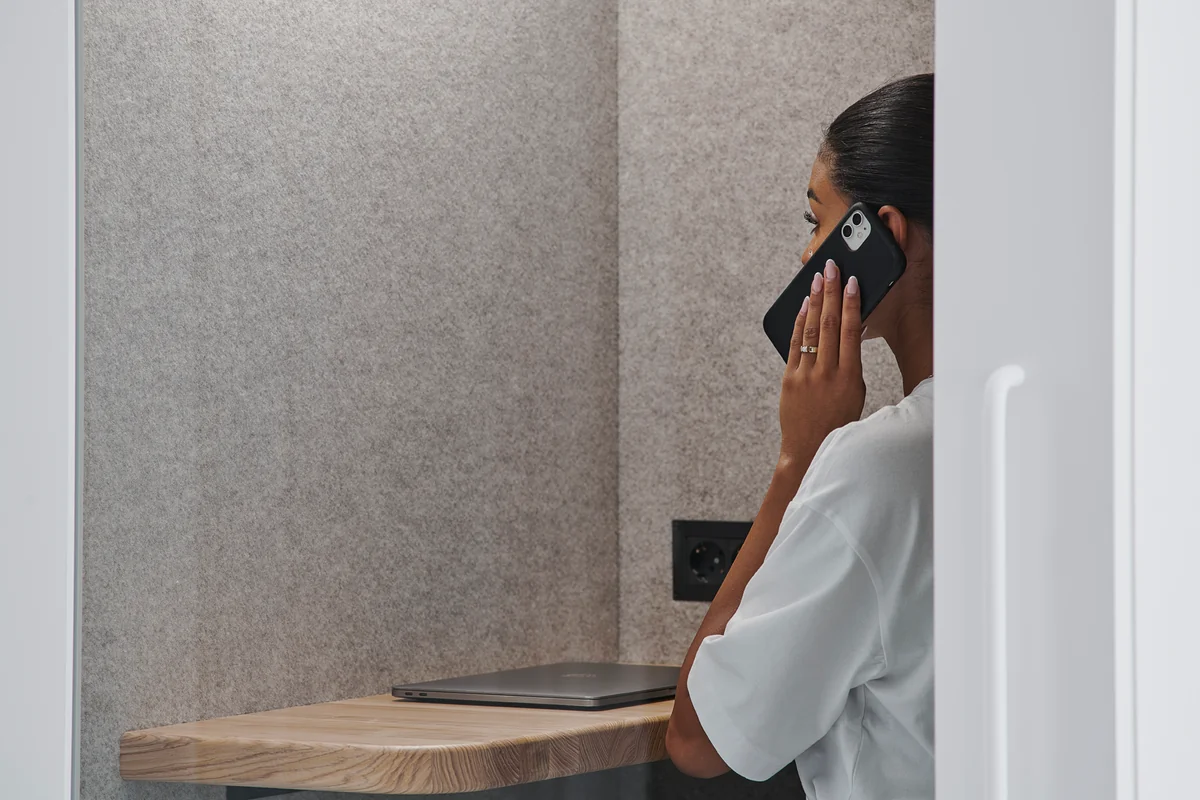
A pod closes the gaps. It has solid walls, a roof and a sealed door to block sound, plus soft linings inside to stop echo.
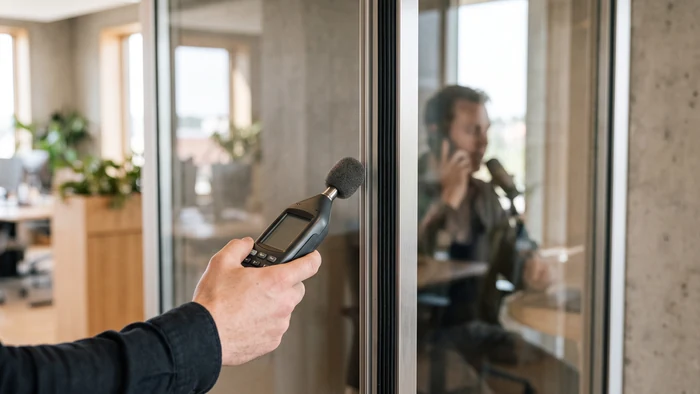
That's the combination you need for private calls, 1:1s and confidential conversations. People outside hear far less, and the person inside isn't sitting in an echo chamber.
Which one do you need?
Go for panels if
- the room sounds harsh and echoey
- people struggle to hear each other in meetings
- privacy isn't the main concern
Go for a pod if
- calls and video meetings disturb the desks around them
- people need to talk about confidential things
- there's nowhere quiet to focus
In a busy open-plan office, the best answer is often both. Panels calm the room, and pods give people somewhere to go when they need privacy.
Try before you buy
The easiest way to feel the difference is to step inside a booth, close the door and have a chat. Visit one of our showrooms to try our office pods for yourself.
Persy One, a soundproof phone booth for calls
Persy Work, a Work booth for deep focus
Persy Two, a 2 person meeting pod for 1:1s
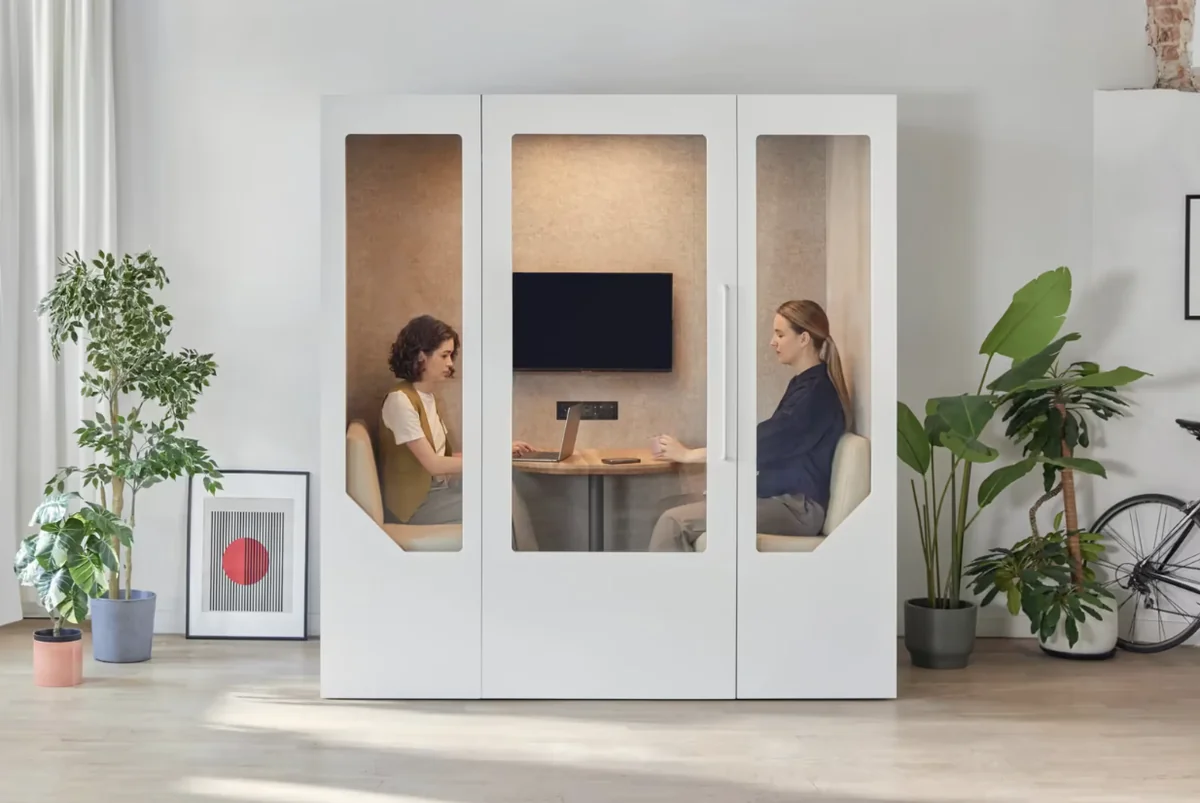
Persy Four, a 4 person meeting pod for small team chats
What to look for
- Thick absorbing panels if echo is the problem
- A fully enclosed pod with a sealed door if privacy is the problem
- Soft linings inside the pod as well as solid walls
What to avoid
- Expecting panels to stop sound reaching the next room
- Relying on half-height screens for private conversations
- Pods with gaps around the door
{{summary}}

- Panels absorb sound and cut echo in a room.
- Pods block sound, so conversations stay private.
- Foam on its own does very little to stop sound passing through.
- The two work well together.

Acoustic panels soak up sound and make a room less echoey. Office pods block sound as well, so conversations stay inside. If your problem is a noisy, echoey room, start with panels. If people need privacy, you need a pod.
- Panels absorb sound and cut echo in a room.
- Pods block sound, so conversations stay private.
- Foam on its own does very little to stop sound passing through.
- The two work well together.
- Panels absorb sound and cut echo in a room.
- Pods block sound, so conversations stay private.
- Foam on its own does very little to stop sound passing through.
- The two work well together.