.svg)

Learning how to soundproof an office is a critical step toward creating a productive, quieter workspace. Whether you're working in an open-plan environment or a shared office, noise can hinder focus, decrease privacy, and reduce overall productivity. In 2026, businesses are increasingly turning to solutions like Persy Booths for private, noise-reducing office pods that support focus work, meetings, and calls. But beyond booth solutions, many effective soundproofing methods exist, which can be mixed and matched to address specific needs.
From acoustic ceiling treatments to strategic layout changes, here are 13 ways to soundproof an office and improve comfort and privacy for your team.
{{key-takeaways}}
Top 13 Ways to Soundproof an Office
The most effective office soundproofing strategies often combine several methods. Effective sound management is essential for reducing noise in your office and achieving a truly soundproof office environment. Instead of relying on just one solution, blending different approaches—like wall panels and noise-reducing layouts—will deliver the best results. Here are 13 practical ways to soundproof an office:
1. Add Acoustic Ceiling Treatments
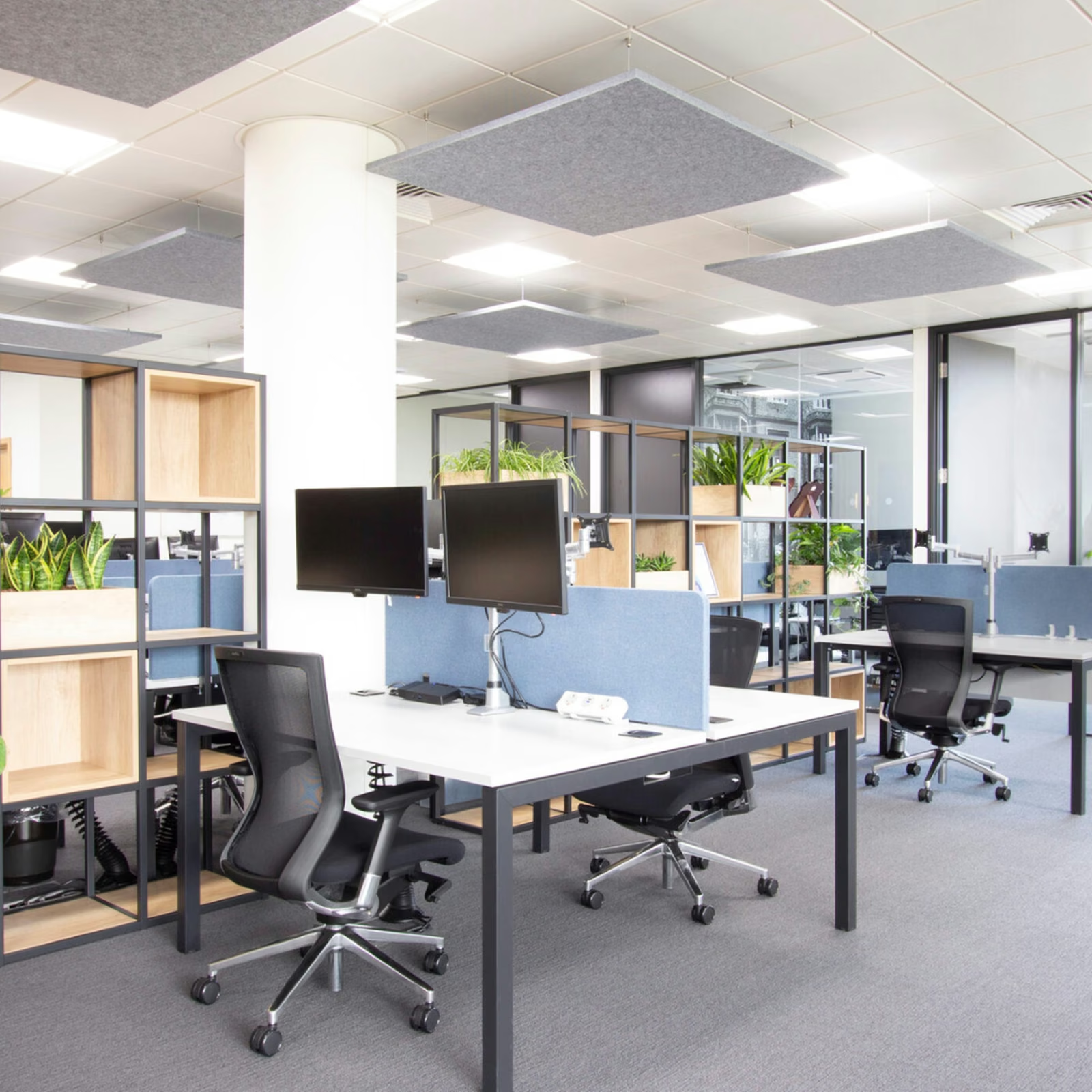
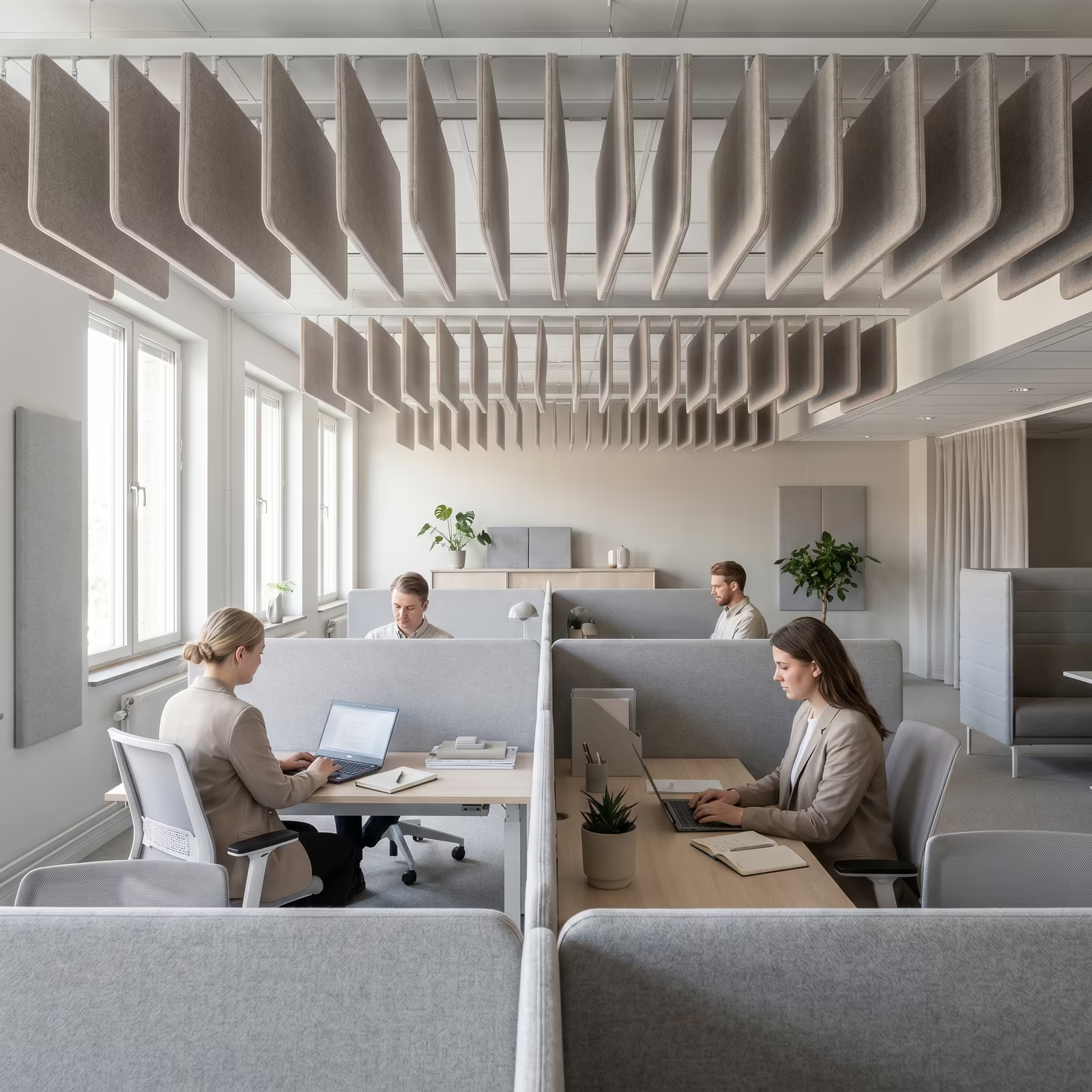
Ceilings often amplify noise, especially in large office spaces, as hard surfaces like ceilings can reflect sound and increase noise levels. Acoustic ceiling tiles, baffles, and suspended acoustic elements are especially effective in multi-story buildings for controlling noise between floors and rooms. These treatments absorb sound waves and dampen sound, reducing reverberation and echoes to improve both privacy and comfort in a busy office environment. Replacing standard ceiling tiles with high-density sound-absorbing tiles reduces noise traveling between floors.
2. Install Acoustic Wall Panels
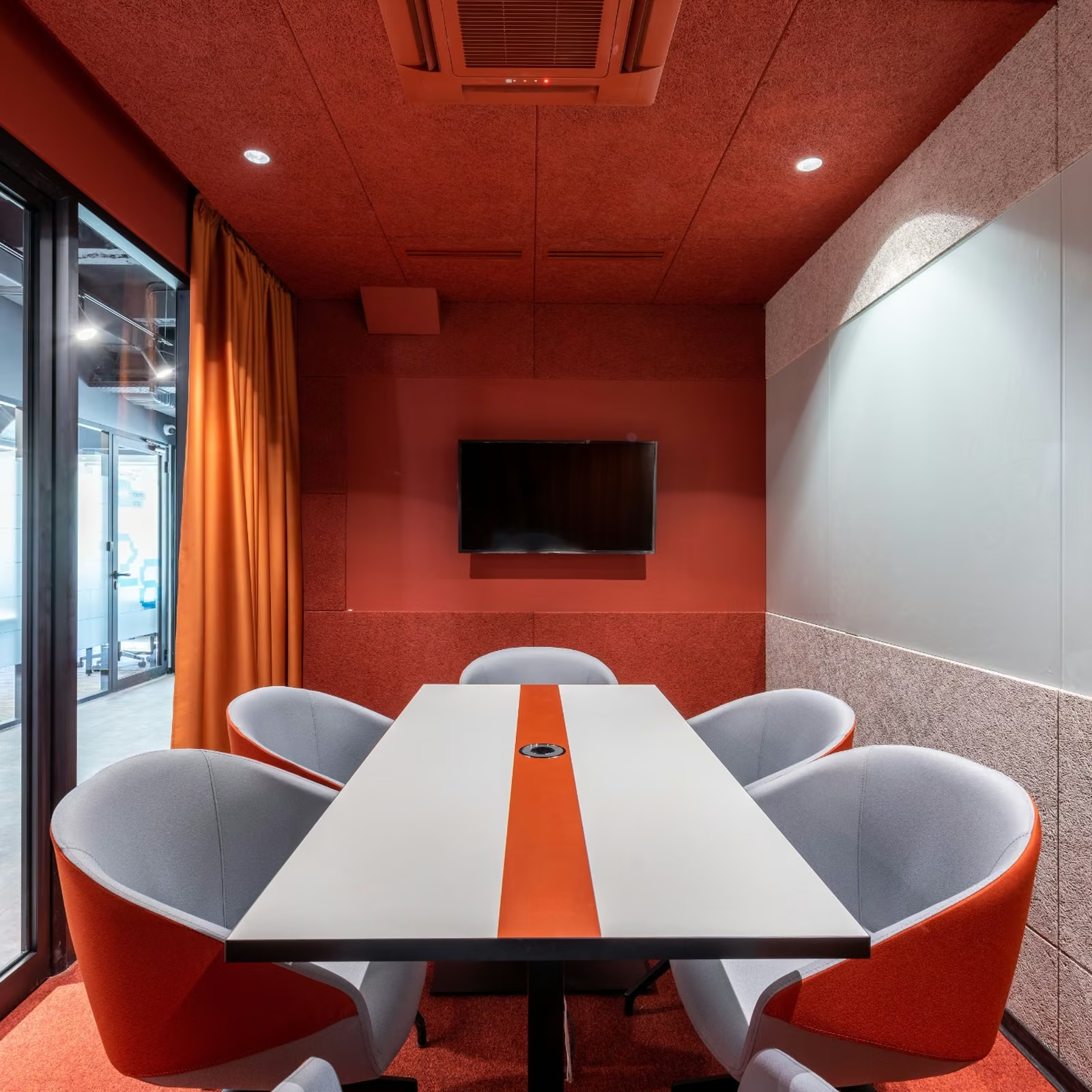
Acoustic wall panels installed on office walls are another effective way to absorb sound and reduce reverberation. These panels are specifically designed to absorb sound vibrations and reduce echoes, improving overall office acoustics. Mounting acoustic wall panels at 'first reflection points' further enhances sound absorption by minimizing reverberation. These panels are especially useful in shared offices, conference rooms, and meeting areas. They help improve overall sound quality and reduce noise distractions. For a deeper understanding of the differences between soundproofing and sound absorption, check out our article on soundproofing vs sound absorbing.
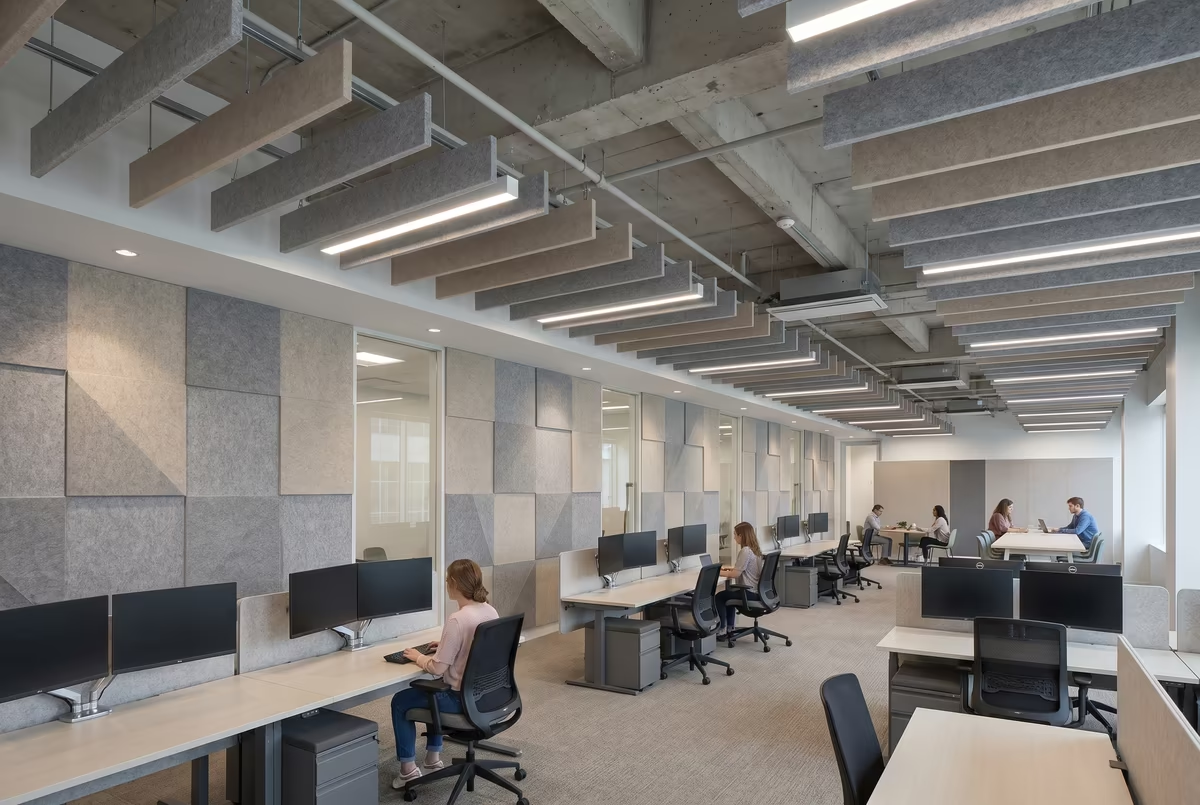
3. Use Carpets, Rugs, and Soft Furnishings
Carpets, rugs, and soft furnishings help absorb sound waves and dampen sound, making them effective solutions for office soundproofing. Hard floors can amplify noise, causing sound to bounce around the room, but using carpets and rugs can absorb impact noises like footsteps, helping to create a quieter and more focused office environment. These soft materials also help reduce both footstep sounds and conversations that travel across the space.
4. Seal Gaps Around Doors and Windows
Even small gaps around doors and windows can let noise slip in, impacting your office’s quietness. Use weather stripping or acoustic seals to close any openings—sealing these gaps also improves energy efficiency by reducing drafts and energy loss. Sealing gaps around doors, windows, and electrical outlets prevents sound from escaping. Installing automatic door bottoms and acoustic door seals helps close the gap between the floor and the door, further enhancing soundproofing. The Stormguard Acoustic Silent Seal can reduce noise between rooms by up to 69%. Sealing these gaps can make a significant difference in reducing both outside noise and internal sound leakage between rooms.
5. Upgrade to Better Soundproof Doors
Standard office doors don’t always provide the necessary soundproofing to maintain privacy. Upgrading to solid core or acoustic doors can help significantly reduce sound transmission, especially in meeting rooms and private offices. These types of doors are thicker and better at blocking sound from entering or leaving a space.
6. Use Curtains or Blinds to Reduce Outside Noise
Heavy curtains or fabric blinds may soften some noise around windows, but they should not be relied on to block traffic or construction noise. The WELL Building Standard’s exterior-noise guidance addresses limiting noise entering occupied spaces; it does not present curtains as a stand-alone soundproofing measure. For more substantial reduction, assess window seals and glazing.
7. Use Acoustic Dividers and Desk Screens
In open office spaces, acoustic dividers and desk screens can help reduce speech spill and improve focus. Absorbent panels can be incorporated into dividers, although they do not make an open workspace soundproof. NIOSH’s engineering-control guidance discusses barriers and screens as ways to reduce workplace noise; effectiveness depends on placement and the surrounding surfaces. Sound masking can add consistent background sound to make nearby conversations less intelligible and distracting.
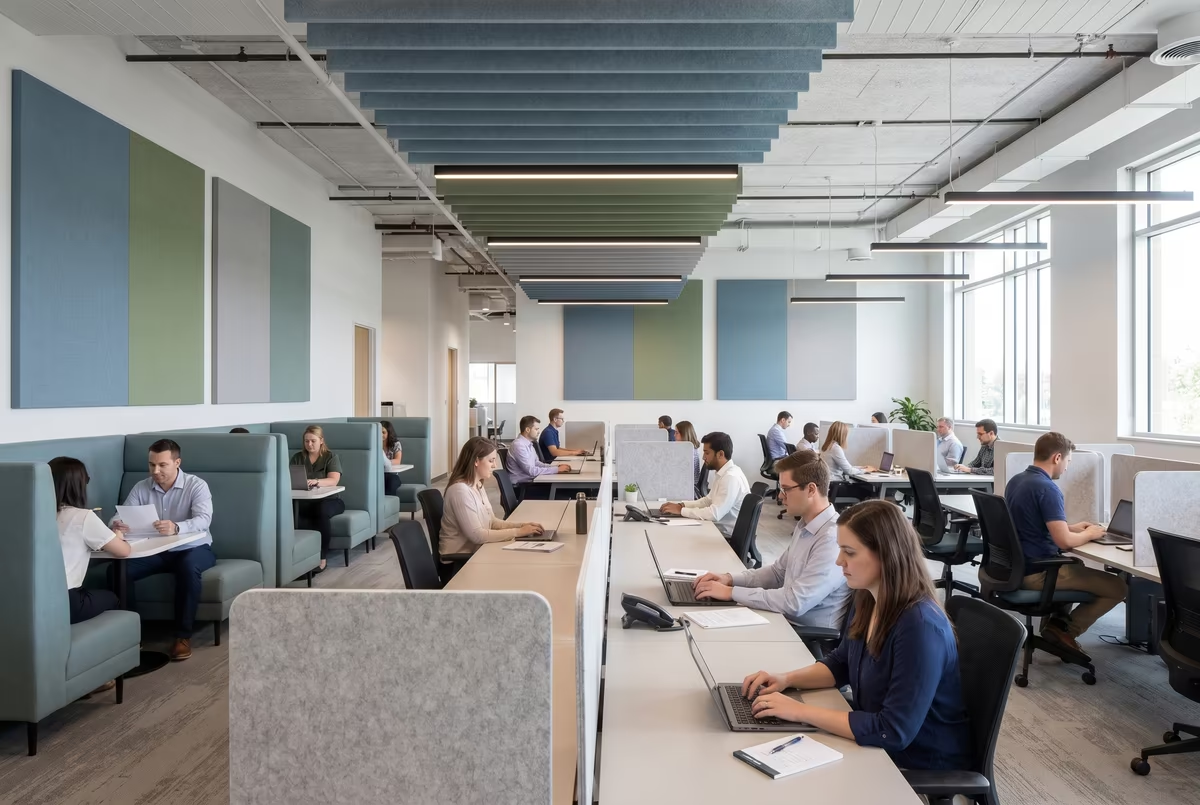
8. Move Noisy Activities Away From Focus Areas
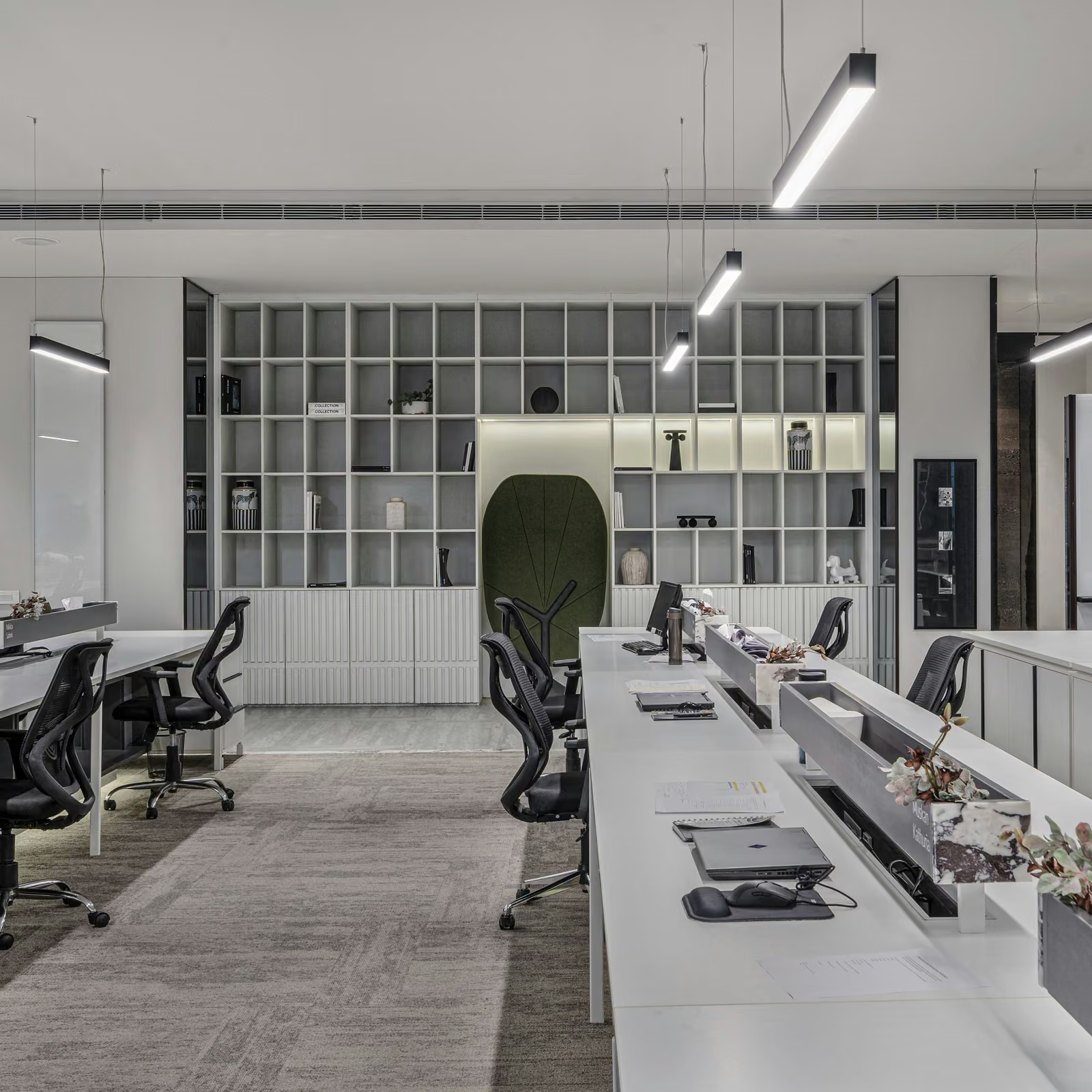
Is your office filled with printers, copiers, or high-traffic zones near focus areas? Placing noisy equipment, such as printers and copiers, away from quiet work zones and creating physical barriers can reduce distractions in spaces where employees need to concentrate. A carefully planned office layout can significantly reduce noise flow by separating busy departments from quiet spaces. Even a simple layout adjustment can go a long way in improving the overall sound environment.
For more tips on how to optimize your office layout, check out our guide on workspace optimization.
9. Add Focus Spaces for Calls and Deep Work
Providing dedicated quiet spaces for calls, video meetings, and deep work helps create a peaceful environment for focused work. Small booths or enclosed pods, like the work booth, are perfect for this purpose. Soundproofing these areas not only blocks external noises but also ensures that internal discussions remain confidential and effective. These areas offer a quiet sanctuary where employees can focus or conduct private calls without distractions.
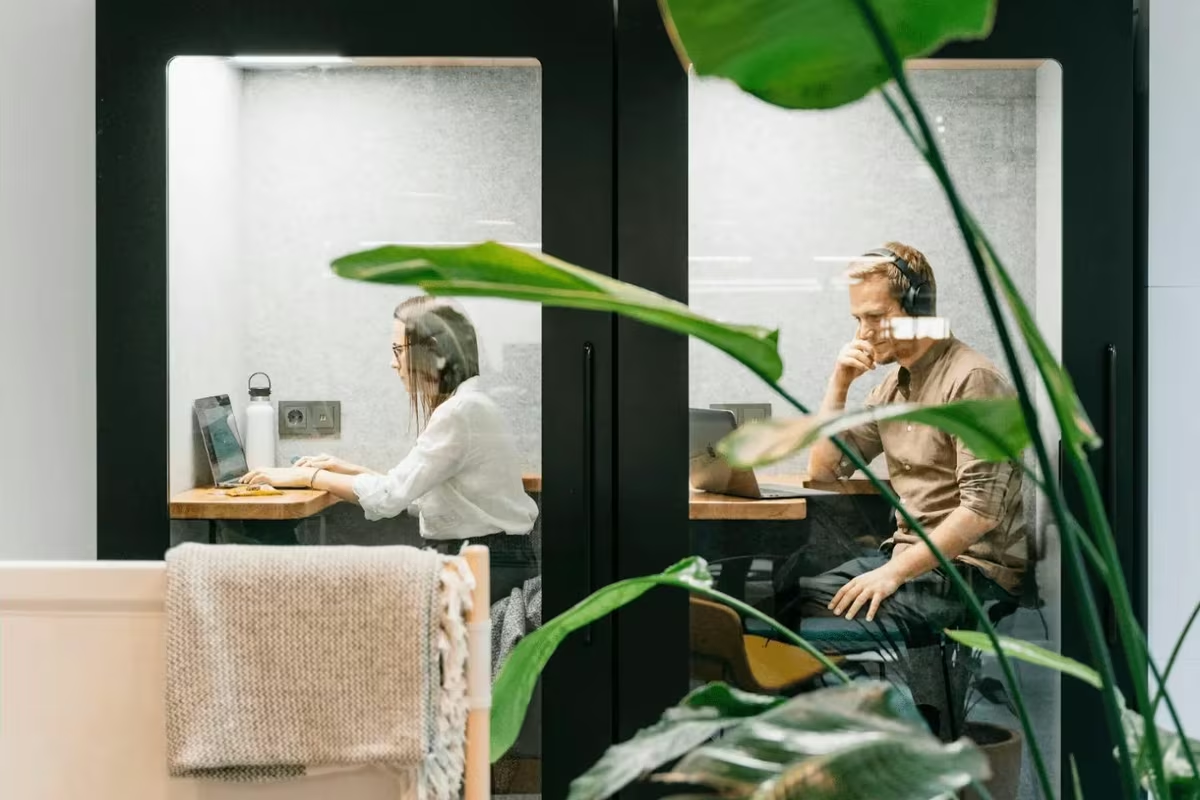
10. Use Biophilic Elements to Soften Sound
Adding natural elements like moss walls, plants, or wooden panels can not only create a more relaxing environment but also absorb, diffract, and reflect sound, helping to manage unwanted sound in the office. Incorporating plants into office design is an effective acoustic strategy, as they can absorb, diffract, and reflect sound waves. Sprinkling biophilic design elements, such as large-leaved plants, throughout the office helps with sound absorption and also improves air quality. Strategically placing large, potted plants can absorb and diffract sound waves, acting as a natural sound buffer. These biophilic design elements can improve the acoustics of a space while offering a calming aesthetic. Natural materials often work as passive sound absorbers, helping to reduce echo and soften noise.
11. Plan Office Layout With Sound in Mind
When designing an office, it's important to think about noise from the start. Plan your layout carefully to keep high-noise areas (like kitchens or meeting zones) away from quiet zones. Zoning your space can help prevent noise from traveling and keep work areas more peaceful. For a better understanding of office space needs, refer to our article on how much office space is needed per employee.
12. Add Booths for Private Calls and Meetings
Booths and acoustic pods are highly effective at mitigating noise disturbances in busy office environments. If your office is crowded or lacks private spaces, booths are a perfect solution. Office pods can provide quiet, soundproof areas for phone calls, video conferences, or confidential meetings without the need to construct permanent rooms. These office pods incorporate soundproofing elements such as acoustic panels and specialized materials to create private, quiet spaces for focused work or meetings. They are a flexible, cost-effective way to solve privacy and noise challenges.
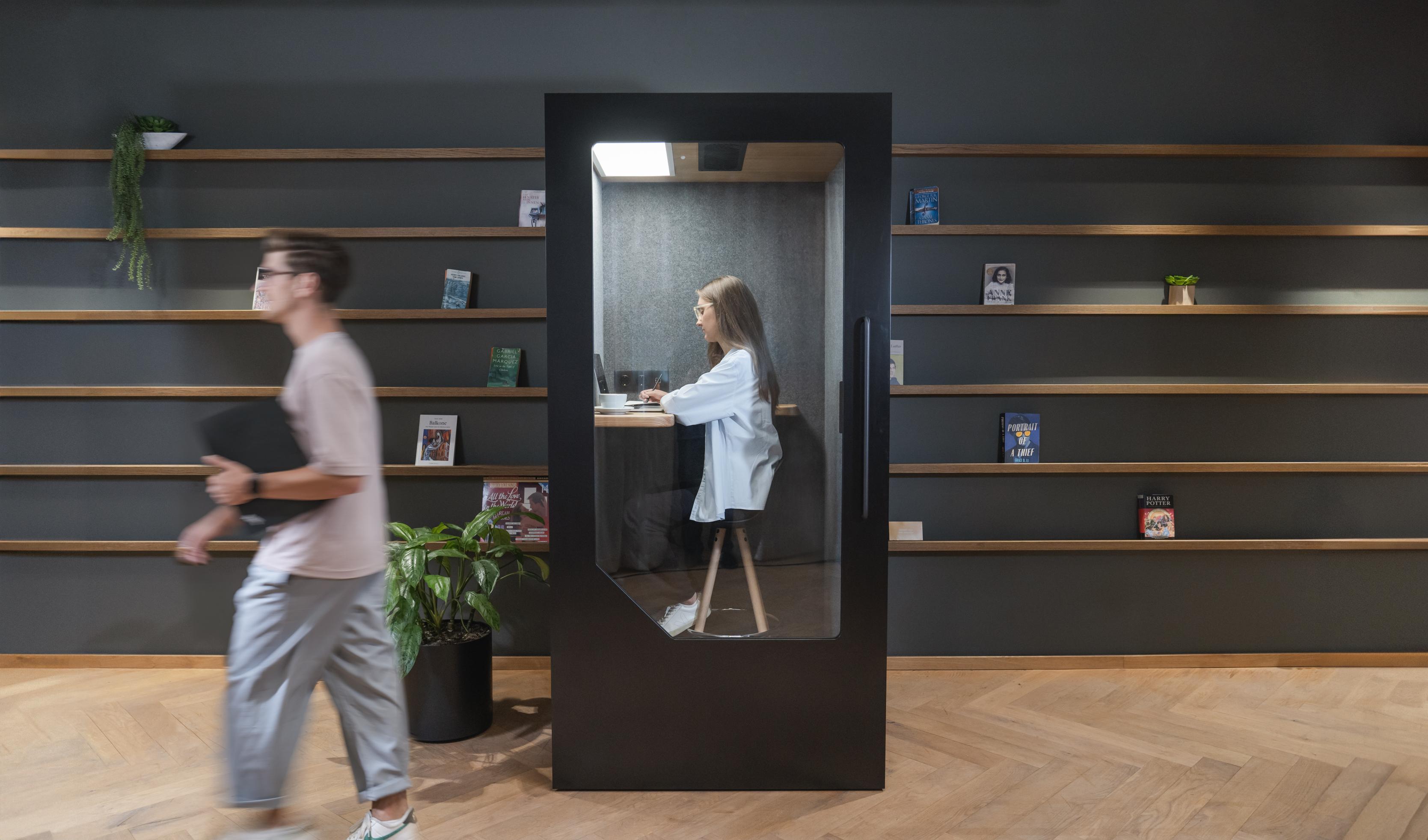
13. Choose the Right Booth Type for the Task
Not all booths are created equal. Whether you need a booth for solo work, quick meetings, or team collaborations, choosing the right size and type is essential. Larger booths are ideal for team discussions, while smaller booths are better suited for private calls. A soundproof office significantly contributes to fostering a sense of professionalism within the workplace. The right team meeting booth will ensure privacy, help employees focus, and can complement your office decor and visual appeal while improving acoustic comfort, making it a functional and attractive addition to your workspace.
Reducing Noise with Technology
Modern technology offers powerful tools for managing background noise in the office. Noise cancelling headphones are a popular choice for employees who need to maintain focus in open plan offices or shared workspaces, effectively blocking out distractions and creating a personal zone of quiet. Sound masking systems can also be installed to introduce a gentle, consistent ambient sound that helps mask disruptive background noise, making conversations and office buzz less noticeable. Additionally, acoustic analysis tools and soundproofing software can help identify problem areas and guide the implementation of effective noise reduction strategies. By leveraging these technological solutions, businesses can create a more peaceful and productive environment, even in the busiest office settings.
Implementing Soundproofing
Successfully implementing soundproofing in your office starts with a careful assessment of your office layout, noise sources, and specific acoustic needs. Focus on areas where noise distractions are most problematic, such as meeting rooms, private offices, and open-plan workspaces. Selecting appropriate soundproofing materials—like acoustic panels, mass loaded vinyl, and soundproofing insulation—can make a significant difference in reducing noise levels. Strategic placement of sound absorbing materials, such as soft furnishings and acoustic wall panels, further enhances sound quality and minimizes distractions. By combining these soundproofing solutions with thoughtful office design, you can create a more conducive environment for focused work and effective collaboration.
How to Choose the Best Office Soundproofing Approach
Choosing the right soundproofing approach depends on several factors, including office layout, budget, and the specific types of noise you’re dealing with. To effectively reduce office noise, consider combining a variety of techniques and materials that address both airborne sound and structure-borne noise. Incorporating soundproof insulation, such as mineral wool or foam board, within wall and ceiling cavities is a highly effective soundproofing element that significantly blocks noise between rooms and enhances overall acoustic performance.
Identify the Main Noise Problem First
Before you start making changes, it's essential to identify the primary source of the noise. Is it external noise from traffic, or is the issue internal, like conversations, machinery, or echo? Knowing the source of the problem will help you decide which soundproofing methods will work best for your office.
Combine Absorption, Blocking, and Layout Changes
Effective sound management in an office involves combining materials and strategies that absorb sound waves and block noise. To maximize soundproofing effectiveness, it’s often best to combine sound-absorbing materials (like acoustic panels that absorb sound waves), sound-blocking elements (like solid doors or windows), and layout changes (such as relocating noisy areas). This multi-pronged approach will provide the most noticeable reduction in office noise.
Additionally, sound masking systems can introduce background noise engineered to blend with the frequencies of human speech, reducing distractions and protecting speech privacy.
Benefits of Soundproofing
Investing in soundproofing solutions delivers a wide range of benefits for both employees and organizations. By reducing noise distractions and lowering overall noise pollution, businesses can create a more peaceful work environment that supports employee well-being and enhances productivity. Improved speech intelligibility makes communication clearer, while a reduction in unwanted noise helps decrease stress and anxiety. Soundproofing can also elevate the aesthetic appeal of your office, with modern acoustic panels and materials blending seamlessly into existing decor. Ultimately, a well-soundproofed office fosters a healthier, happier, and more productive workforce, making it a smart investment for any business seeking to improve its work environment.
Conclusion
Addressing unwanted sound and ambient noise is crucial for a productive office environment. The best way to soundproof an office is to use a combination of strategies that target different noise sources. Consistent exposure to high levels of noise can elevate stress levels among employees. Whether you’re adding acoustic ceiling treatments, installing soundproof doors, or creating quiet workspaces, integrating these methods will help reduce distractions, improve privacy, and enhance overall productivity. Keep in mind that some spaces may require more specialized solutions, like office pods, to create dedicated areas for focused work or confidential meetings.
{{summary}}
.svg)
- The most effective ways to soundproof an office combine several methods rather than relying on one fix
- Acoustic panels, ceiling treatments, carpets, seals, and better doors all help reduce noise and echo
- Office layout matters, and moving noisy activities away from focus zones can improve concentration fast
- Booths and pods add private space for calls, meetings, and deep work without major construction
- The best soundproofing approach starts with identifying the main noise source and matching solutions to it
%20(1).svg)
The best way to soundproof an office is to combine methods that address its main noise sources. Acoustic treatments, sealed gaps, thoughtful layout and private booths can work together to reduce distractions, improve privacy and support focused work.
- The most effective ways to soundproof an office combine several methods rather than relying on one fix
- Acoustic panels, ceiling treatments, carpets, seals, and better doors all help reduce noise and echo
- Office layout matters, and moving noisy activities away from focus zones can improve concentration fast
- Booths and pods add private space for calls, meetings, and deep work without major construction
- The best soundproofing approach starts with identifying the main noise source and matching solutions to it
- The most effective ways to soundproof an office combine several methods rather than relying on one fix
- Acoustic panels, ceiling treatments, carpets, seals, and better doors all help reduce noise and echo
- Office layout matters, and moving noisy activities away from focus zones can improve concentration fast
- Booths and pods add private space for calls, meetings, and deep work without major construction
- The best soundproofing approach starts with identifying the main noise source and matching solutions to it
.svg)